

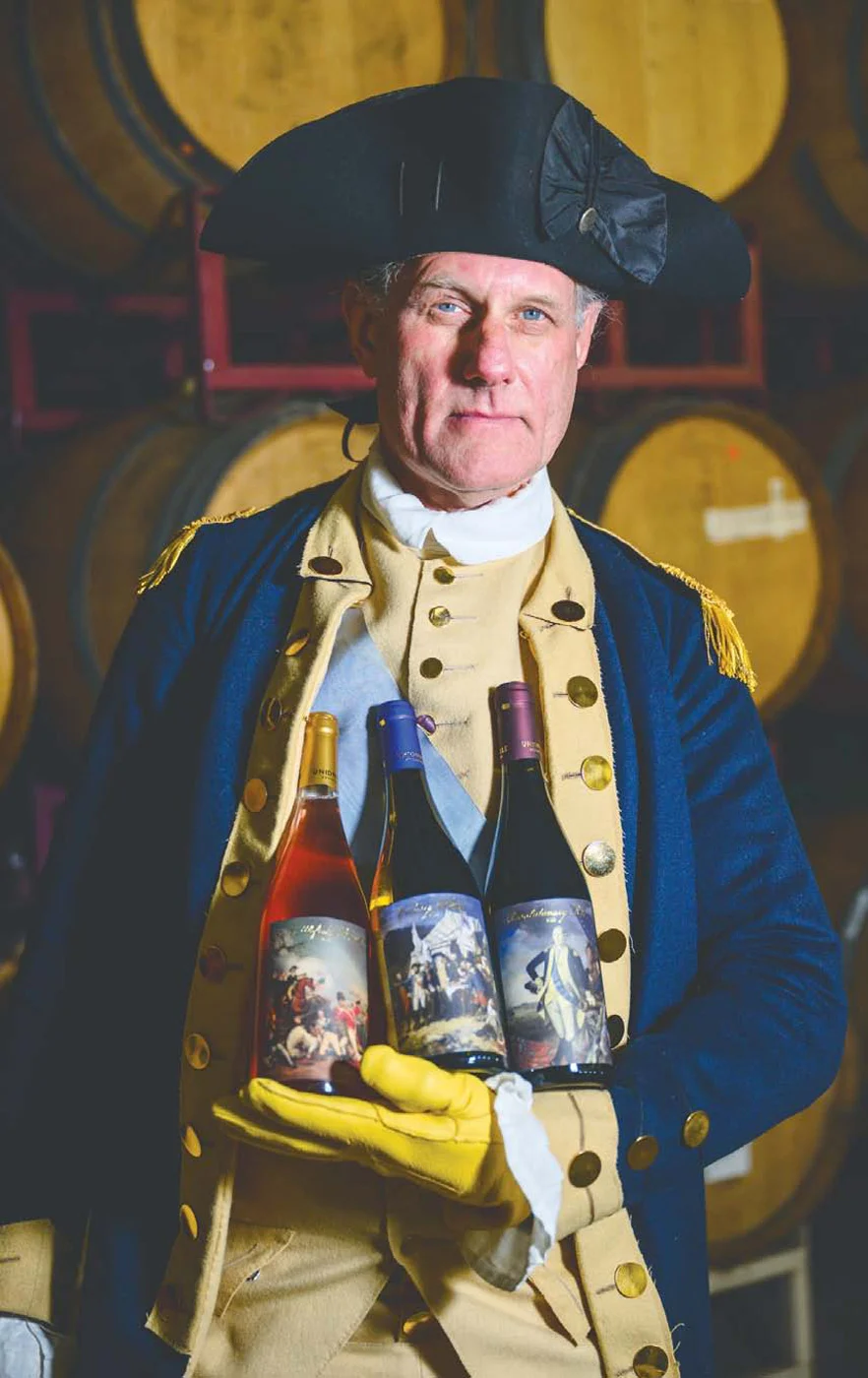
As the United States gears up for its 250th anniversary in 2026, the spirit of the American Revolution is being bottled—quite literally—in the heart of New Jersey. Unionville Vineyards, a premier estate located in the rolling hills of Ringoes, has officially launched its "Washington Collection," a trio of wines designed to honor the site’s deep-rooted connection to the fight for independence. By bridging the gap between viticulture and historical preservation, the winery is inviting oenophiles and history buffs alike to taste the terroir of the Continental Army’s footsteps.
The Intersection of Terroir and Tactics: Main Facts
The Washington Collection represents more than just a seasonal release; it is a strategic homage to the landscape of the Hunterdon County region. The vineyard, which sits on the historic grounds of the Hunt House in Hopewell, occupies a unique position in the American narrative.
On June 24, 1778, the site served as the backdrop for one of the most consequential strategic meetings of the Revolutionary War. Thirteen generals of the Continental Army, led by George Washington, convened within the walls of the Hunt House to debate the tactical maneuvers that would define the upcoming summer campaign. Today, those same grounds are home to the Pheasant Hill Vineyard, where the estate’s renowned Chardonnay grapes are cultivated.
The launch of the Washington Collection serves to formalize this geographic connection. For years, patrons of Unionville Vineyards have enjoyed the Pheasant Hill Chardonnay, often unaware that the soil under their feet was once the staging ground for the generals who would turn the tide of the war. With the new collection, the winery is emphasizing the "liquid history" inherent in their vintages.
A Chronology of Conflict and Cultivation
To understand the significance of the Washington Collection, one must look back to the mid-18th century.
The Hunt House Origins (Pre-1762)
The Hunt House was constructed by the prominent Hunt family in the years leading up to the American Revolution. Situated strategically in Hopewell, it was a hub of agrarian activity long before it became a political landmark.
The Council of War (June 1778)
Following a harsh winter at Valley Forge, the Continental Army was eager to confront the British forces as they retreated toward New York. On June 24, 1778, the Hunt House was transformed into a command center. The meeting of 13 generals was not a casual gathering; it was a high-stakes council that determined the fate of the army. Washington and his subordinates reviewed intelligence, debated the risks of an engagement, and finalized the plan to intercept the British.
The Battle of Monmouth (June 28, 1778)
Just four days after the council at the Hunt House, the decisions made on that land were put to the test. The Continental Army caught up with the rear guard of the British forces, leading to the Battle of Monmouth. It remains one of the largest and most grueling battles of the Revolutionary War, notable for being the first time the Continental Army stood toe-to-toe with the British in an open-field engagement after intensive training.
The Modern Era: Vineyards and Vintages
In the centuries that followed, the land transitioned from a military theater to a premier agricultural estate. Unionville Vineyards has spent decades refining the production of cool-climate wines that highlight the mineral complexity of the region. The launch of the Washington Collection in December 2025 marked a symbolic milestone, effectively positioning the winery as a centerpiece for the upcoming semiquincentennial celebrations.
Supporting Data: The Strategic Significance of the Site
The proximity of the vineyard to the historic command center is a point of immense pride for the winery’s management. As general manager John Cifelli noted during the collection’s launch event, the connection is geographically precise.
"The Hunt House is set just 50 yards from where our Chardonnay grapes now grow," Cifelli explained. "They [the generals] encountered the rear guard of the retreating British, and that became the Battle of Monmouth. It is not a stretch to say that the Battle of Monmouth was planned at the Pheasant Hill Vineyard."

This proximity is not merely a marketing hook; it provides a tangible link for visitors. The winery has integrated historical plaques and guided tours that explain how the local topography—which currently supports the complex root systems of their vines—dictated the movement of troops in 1778. By analyzing the soil composition and the microclimate, Unionville has found that the same factors that made the land suitable for an estate in the 1700s contribute to the distinct flavor profile of their grapes today.
Official Responses and Cultural Integration
The reception to the Washington Collection has been overwhelmingly positive, particularly from local historical societies and state tourism boards. The move is viewed as a "living history" initiative that encourages a younger demographic to engage with the American Revolution through a sensory experience.
"We wanted to create something that wasn’t just a label on a bottle," said a spokesperson for the winery. "We wanted to create a conversation. When people sit on our patio and look out over the Pheasant Hill Vineyard, they aren’t just looking at vines; they are looking at a place where the map of the United States was essentially redrawn by the decisions of 13 men."
The winery is already planning its "Great American Vineyard Cookout," scheduled for July 4th, 2026. This event is expected to be a marquee celebration in the region, featuring:
- A live, immersive reading of the Declaration of Independence by a professional Thomas Jefferson reenactor.
- A curated pairing menu that utilizes ingredients sourced from local farms that were active during the 18th century.
- Patriotic musical performances that trace the evolution of American song.
- Educational programs for children, emphasizing the history of the site in an accessible, celebratory atmosphere.
Implications: The Future of Historical Tourism
The initiative by Unionville Vineyards carries significant implications for the intersection of agriculture and heritage tourism in New Jersey. As the nation approaches its 250th anniversary, there is a growing trend of "experiential history." Modern consumers are no longer satisfied with static museum exhibits; they are seeking immersive environments where they can engage with history in a social, relaxed setting.
Economic and Cultural Impact
By leveraging the semiquincentennial, Unionville Vineyards is setting a precedent for how businesses in the historic Delaware Valley can contribute to the preservation of local lore. The financial success of the Washington Collection suggests that there is a robust market for products that offer a dual value proposition: high-quality craftsmanship paired with a deep narrative.
Furthermore, this endeavor encourages other local enterprises to examine their own histories. Many properties in Hunterdon and Mercer counties possess similar Revolutionary-era provenance that has remained largely untapped. The success of the Washington Collection may inspire a wave of "historical branding" that could revitalize local economies and foster a deeper appreciation for the state’s role in the birth of the nation.
Sustainability and Stewardship
Beyond the marketing potential, the winery’s focus on the land highlights the importance of agricultural stewardship. By celebrating the history of the soil, Unionville Vineyards is reinforcing the need to protect the farmland that has been central to the community for over two centuries. The preservation of the vineyard acts as a buffer against suburban sprawl, ensuring that the physical landscape where history was made remains intact for future generations.
Conclusion: A Toast to the Next 250 Years
As the calendar inches closer to 2026, the Washington Collection stands as a testament to the endurance of both the land and the American spirit. It is a reminder that history is not just found in textbooks, but in the landscape, the climate, and the glass of wine held in one’s hand.
Whether one is a history enthusiast eager to walk the ground where generals stood or a wine lover in search of a vintage with a story, Unionville Vineyards offers a unique bridge to the past. For those looking to participate in the celebration, the wines are currently available for purchase at the Ringoes estate and via their online portal. As the July 4th celebrations draw near, the winery remains a beacon of local pride, inviting the public to sip, reflect, and toast to the legacy of the American Revolution.
Visit Unionville Vineyards:
- Location: 9 Rocktown Rd., Ringoes, NJ
- Contact: 908.788.0400
- Website: unionvillevineyards.com
