

In an era defined by "greedflation" and a steady climb in the cost of living, the American consumer is increasingly fatigued by the soaring prices of traditional fast-food chains. As household budgets tighten, the once-reliable burger joints and drive-thru staples have found themselves at a crossroads, with many customers abandoning their long-held brand loyalties in search of tangible value. Into this vacuum steps a surprising disruptor: 7-Eleven. The world’s largest convenience store chain has launched a strategic offensive, utilizing aggressive, app-based pricing to capture the attention of value-seeking diners. Among its most potent weapons is the $3 Meal Deal—a promotion that promises a full meal for a price point that feels like a relic of the early 2000s.
The Anatomy of the $3 Meal Deal: What’s on the Menu?
The $3 Meal Deal is not merely a discount; it is a meticulously engineered convenience package. To secure the offer, customers must participate in the 7Rewards loyalty program, which requires downloading the 7-Eleven mobile application and registering basic contact information. Once the digital coupon is activated, the deal becomes a trifecta of convenience:
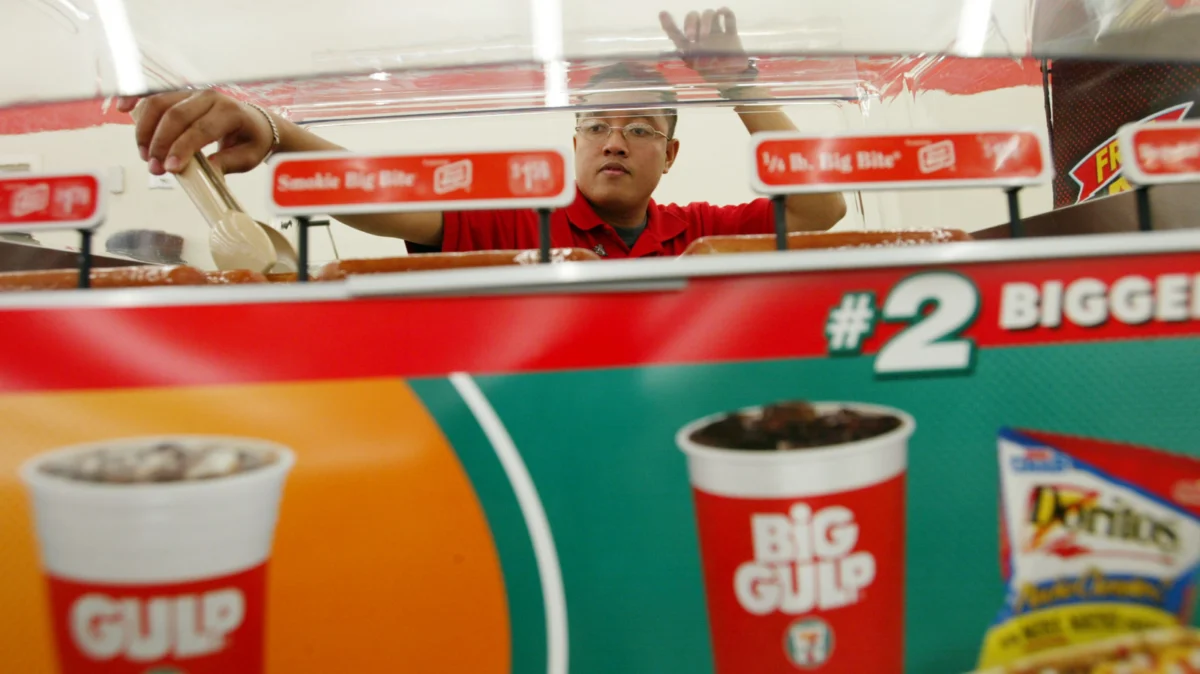
- The Main Event: A selection from the chain’s famous roller grill. This includes a variety of Big Bite hot dogs, Johnsonville-branded sausages, crispy taquitos, egg rolls, and breaded meat sticks known as "Rollers."
- The Side: A bag of 7-Select chips. The variety is surprisingly robust, catering to diverse palates with options ranging from classic Sour Cream & Onion and Fried Pork Rinds to more modern, bold flavors like Zesty Ranch and Spicy Jalapeno Kettle Chips.
- The Beverage: A large Big Gulp fountain soda. Customers are granted access to the full breadth of the soda fountain, allowing them to customize their drink to their exact specifications.
Crucially, the deal extends to the condiment bar, where patrons can dress their hot dogs or taquitos with a variety of toppings, including onions, relish, pickles, jalapenos, cheese sauce, and chili. This level of customization, combined with the low barrier to entry, has positioned 7-Eleven as a legitimate competitor to traditional fast-food outlets.
Chronology: The Shift Toward "Value-First" Dining
The current landscape of fast food has been marked by a significant shift in pricing strategies since 2020. As supply chain disruptions and labor shortages drove up costs, major chains—such as McDonald’s and Burger King—implemented aggressive price hikes. By 2024, the "value menu" had largely evaporated, leaving a void that consumers were eager to fill.
- Late 2024: Industry analysts began noting a decline in foot traffic at major quick-service restaurants (QSRs), specifically among lower-to-middle-income demographics.
- Early 2025: Competing chains, such as Chili’s, began launching "value-driven" burgers designed specifically to poach customers who were alienated by the rising prices of traditional fast-food chains.
- Mid-2025 to Present: 7-Eleven pivoted its marketing strategy to focus on the "Meal Deal" ecosystem. By leveraging its existing infrastructure—roller grills and fountain machines that are already staples of the store—the company was able to offer these low-cost bundles without the need for extensive capital investment in new kitchen equipment.
Supporting Data: Why Convenience Stores Are Winning
The rise of the "convenience store meal" is backed by shifting consumer behaviors. According to retail data, the average American worker is spending significantly more on lunch than they were five years ago. When a standard combo meal at a major fast-food chain consistently exceeds $12 to $15, the prospect of a $3 meal becomes not just an alternative, but a financial necessity for many.
Furthermore, 7-Eleven’s strategy of utilizing its app has proven highly effective. Digital engagement metrics show that customers who interact with loyalty apps are significantly more likely to visit a store multiple times per week. By tethering the $3 deal to the 7Rewards app, 7-Eleven is essentially buying customer loyalty. The "trade-off"—access to consumer data in exchange for lower prices—is a transaction that millions of Americans are currently willing to make.
Expanding the Value Ecosystem: Beyond the $3 Tier
Recognizing that different times of day require different caloric and convenience needs, 7-Eleven has diversified its value offerings:
The $4 Breakfast Bundle
For the morning commute, 7-Eleven offers a breakfast-specific deal. For $4, customers receive a hot breakfast sandwich—options include a sausage biscuit, an English muffin with sausage, egg, and cheese, or a sausage, egg, and cheese croissant—paired with Waffle Tots and an energy drink (Monster, Red Bull, or Celsius). This bundle is designed to compete directly with high-priced coffee shop breakfast sandwiches.
The $5 Lunch/Dinner Combo
Targeting the lunch crowd, the $5 Meal Deal provides two slices of 7-Eleven’s proprietary pizza and a 20-ounce bottled Pepsi or Mountain Dew. The pizza selection ranges from standard Cheese and Pepperoni to the "Extreme Meat" option, which serves as a calorie-dense, low-cost solution for laborers and students alike.
Implications: The Data-Driven Retail Future
The success of these meal deals signals a broader shift in the retail landscape. We are moving toward an era where the "sticker price" is becoming secondary to the "digital price."
The Data Trade-Off
Critics and privacy advocates have raised concerns regarding the data harvesting inherent in these loyalty programs. Every time a customer scans their app to get a $3 hot dog, 7-Eleven collects granular data on time of day, location, purchase habits, and flavor preferences. This data is then used to refine supply chain logistics, optimize inventory, and target the consumer with future advertisements.
Implications for Traditional Fast Food
For traditional QSRs, the rise of the convenience store as a dining destination represents an existential threat. If 7-Eleven can provide a hot, customizable meal that satisfies the same cravings as a burger joint at a fraction of the cost, the "fast food" industry must either lower prices or significantly improve the quality of their experience to justify the premium.
The Future of Retail Infrastructure
This model also proves that the "gas station meal" stigma is rapidly fading. As 7-Eleven continues to refine its food quality, the convenience store is becoming a legitimate "third space" for dining. For the company, the meal deals serve a dual purpose: they drive immediate foot traffic and they ensure the 7-Eleven app remains a permanent fixture on the consumer’s smartphone.
Conclusion: A Sign of the Times
The $3 Meal Deal at 7-Eleven is more than just a promotional gimmick; it is a tactical response to a changing economic landscape. By leveraging its vast network of physical locations and integrating a sophisticated digital loyalty program, the company has managed to offer a product that feels both nostalgic and necessary.
As inflation continues to fluctuate and consumer confidence remains fragile, brands that prioritize accessibility and transparent value will likely dictate the future of the food service industry. For the time being, 7-Eleven has successfully positioned itself as a champion of the budget-conscious, proving that in a high-cost world, a simple roller grill and a mobile app might be the most effective tools for winning the war for the American stomach.
