

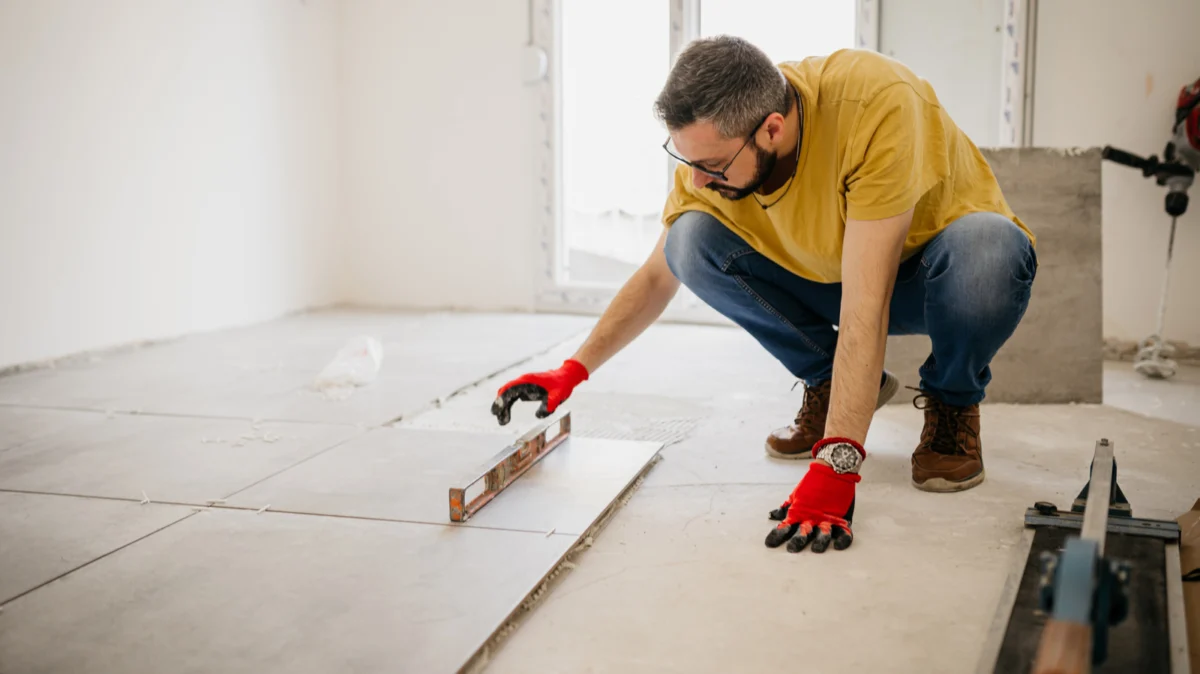
For decades, ceramic and porcelain tile have occupied the throne of interior design. They have been the reliable workhorses of the home, favored for their water resistance, variety, and relative affordability. Yet, any homeowner who has spent hours scrubbing darkened grout lines or fretting over a hairline fracture in a bathroom floor knows that traditional tiling is far from perfect.
As modern architecture trends toward seamless, expansive, and high-performance surfaces, a new contender has emerged: sintered stone. This material is not merely a substitute for tile; it is a technological evolution in surfacing, offering the aesthetic prestige of high-end natural stone with a mechanical durability that borders on the industrial.
The Core Facts: What Is Sintered Stone?
At its most fundamental level, sintered stone is a high-tech composite. Unlike natural stone, which is quarried from the earth, or ceramic, which is kiln-fired clay, sintered stone is engineered through a process known as "sintering."
The process begins with a base of raw mineral particles—typically a blend of silica, quartz, and feldspar. These minerals are subjected to immense pressure and extreme heat, mimicking the natural geological processes that create metamorphic rocks, but accelerating the timeline from millennia to hours. The result is a nonporous, ultra-compact surface that possesses an extraordinary structural integrity.
Key characteristics that define this material include:
- Zero Porosity: Because the material is so tightly fused, it does not absorb liquids. This makes it virtually impervious to wine stains, oils, and chemical spills.
- Thermal Resilience: It can withstand significant temperature fluctuations, making it ideal for sun-drenched rooms or areas adjacent to high-heat appliances.
- Hygiene: Its lack of pores prevents the breeding ground for bacteria, viruses, and mold, making it a medical-grade choice for kitchen and bathroom environments.
- UV Stability: Unlike some polymers or stained concrete, the pigments in sintered stone are often mineral-based and UV-stable, ensuring the floor does not fade when exposed to direct sunlight.
A Chronology of Surface Evolution
The journey to sintered stone represents the latest chapter in the history of flooring materials.
The Era of Natural Stone and Ceramic (Pre-20th Century)
For centuries, flooring was limited to the materials found nearby: wood, slate, marble, or terra cotta. These materials were beautiful but required high maintenance. The industrial revolution brought the mass production of ceramic tiles, which democratized home design but introduced the "grout problem"—the inevitable accumulation of grime in the joints between tiles.
The Rise of Engineered Surfaces (1980s–2000s)
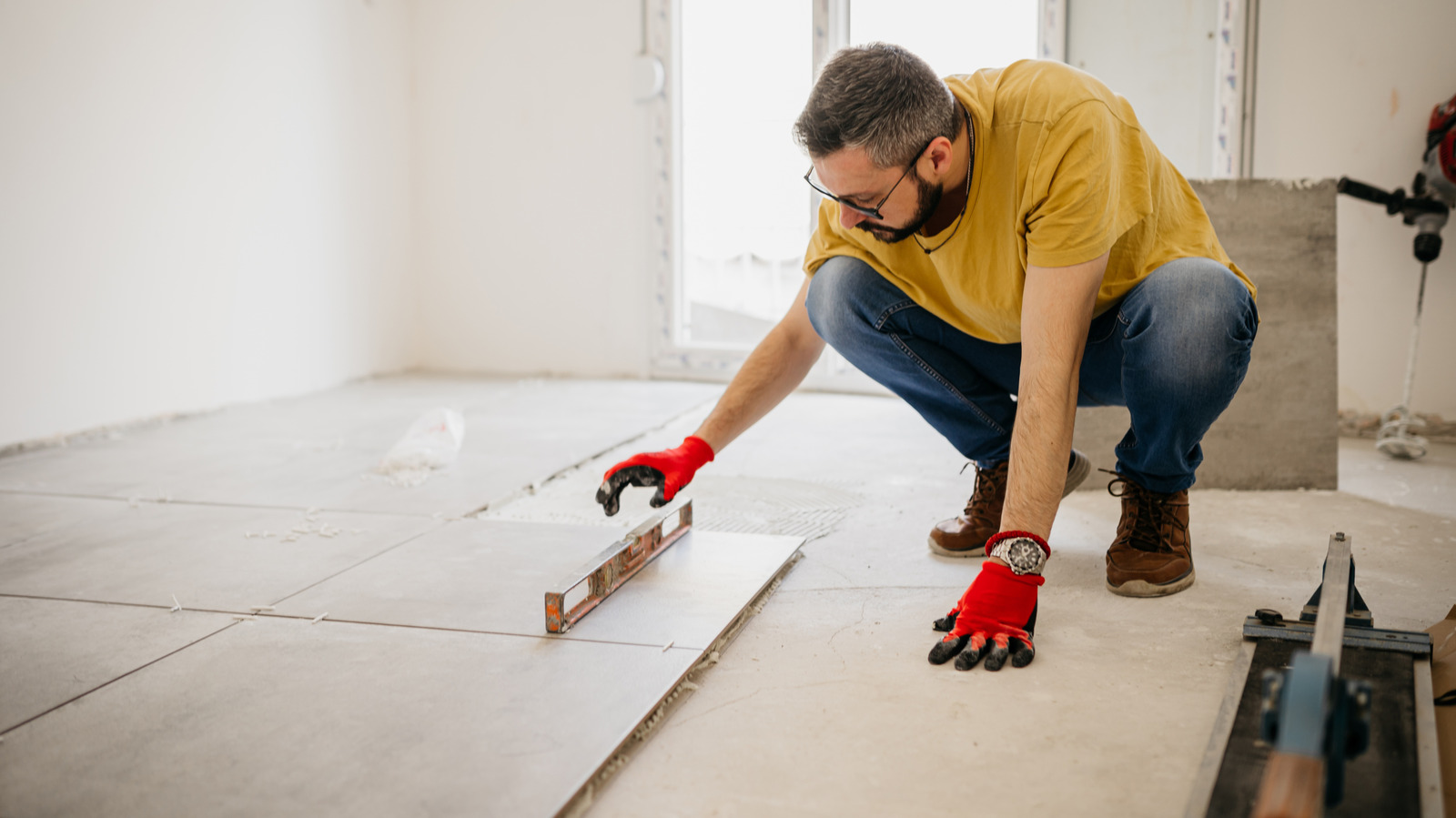
The late 20th century saw the introduction of quartz surfacing for countertops, which solved many of the staining issues associated with marble. However, these materials often relied on resin binders, which made them vulnerable to high heat and UV degradation.
The Sintered Revolution (2010–Present)
The development of advanced industrial pressing and high-heat kiln technology allowed manufacturers to create "large-format" slabs of 100% mineral-based material without the need for resin binders. This breakthrough effectively moved the conversation from "countertops" to "flooring," as the slabs proved strong enough to handle foot traffic and heavy furniture loading.
Supporting Data: The Performance Metrics
When comparing sintered stone to traditional flooring, the disparity in physical performance is striking. Engineers often measure these materials based on Mohs hardness, water absorption rates, and flexural strength.
Comparison Table: Sintered Stone vs. Ceramic and Natural Stone
| Feature | Sintered Stone | Ceramic Tile | Natural Marble |
|---|---|---|---|
| Water Absorption | < 0.05% | 0.5% – 3.0% | 0.2% – 0.5% |
| Mohs Hardness | 7–8 | 5–7 | 3–5 |
| Sealing Required | No | No | Yes (Frequently) |
| Grout Lines | Minimal/None | Extensive | Moderate |
| Heat Resistance | Excellent | Good | Moderate |
The data points toward a clear conclusion: sintered stone is a "set it and forget it" material. In a high-traffic kitchen, where spills are common and heavy appliances create point-load pressure, the low water absorption rate is the most critical factor in preventing long-term structural failure.
Implications for Homeowners and Architects
The shift toward sintered stone carries significant implications for the interior design industry.
The Aesthetic of Continuity
One of the most profound impacts of this material is the "seamless look." Because sintered stone can be manufactured in massive, thin slabs, designers can install floors with very few seams. This eliminates the visual clutter of grout lines and allows the floor to appear as a single, uninterrupted piece of marble or granite. For open-concept homes, this creates a sense of scale and luxury that small-format ceramic tiles simply cannot achieve.
The "Maintenance-Free" Myth
While the material is exceptionally durable, the industry warns against the "indestructible" marketing myth. While it is highly resistant to surface scratching, sintered stone remains a brittle material. If a heavy, pointed object—such as a cast-iron skillet or a heavy tool—is dropped from a significant height, the material can chip or crack. Unlike a 12-inch ceramic tile, which can be easily removed and replaced for a few dollars, a crack in a large sintered stone slab is a complex repair that often requires professional intervention or, in worst-case scenarios, a partial floor replacement.
The Professional Perspective: Expert Insight
Industry professionals often view the material as a "high-stakes" investment. We spoke with a representative from a leading luxury interior design firm, who noted:
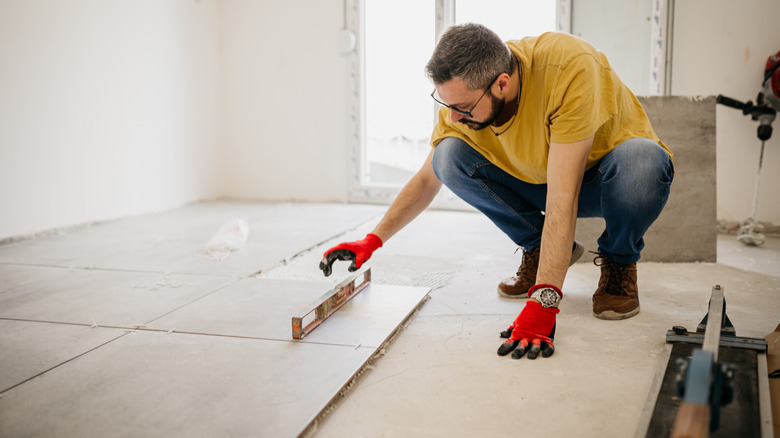
"When a client chooses sintered stone, they are choosing longevity and aesthetics over cost-efficiency. It is an investment in the home’s resale value. However, the installation process is where the project lives or dies. We don’t allow general contractors to handle this material; it requires stone fabricators who utilize CNC machines and waterjet cutters. If you try to cut this material with a standard masonry saw, you will shatter the slab."
This requirement for specialized labor has significant economic implications. The cost of the material itself is high, but the "hidden" cost of professional installation—which requires laser templating and precision cutting—often brings the total project price to two or three times that of a standard tile installation.
Is Sintered Stone Right for You?
As we look at the trajectory of home improvement, sintered stone occupies a unique space. It is a premium product designed for those who prioritize:
- Hygiene: Families with children or pets, or those with allergies, benefit significantly from the non-porous nature of the surface.
- Design Cohesion: Those looking to create a minimalist or ultra-modern aesthetic where the floor serves as a continuous, elegant canvas.
- Longevity: Homeowners planning to stay in their property for decades, who want a floor that will look the same in twenty years as it does on the day of installation.
However, if your project involves a strict budget, a DIY installation plan, or a historic home where floors are prone to settling and movement, sintered stone may present unnecessary challenges. The lack of "flex" in the material means that if the subfloor shifts, the stone will not move with it; it will crack.
Conclusion: A New Standard
The evolution of flooring from traditional ceramic to sintered stone reflects a broader desire for materials that harmonize high technology with organic aesthetics. By removing the burdens of grout, sealing, and constant maintenance, sintered stone offers a path toward a cleaner, more resilient living space.
As manufacturing techniques become more refined and the market for these slabs grows, we are likely to see the price point stabilize, making this "stone of the future" accessible to a wider array of homeowners. For now, it remains the gold standard for those who demand that their home not only look beautiful but perform flawlessly under the pressures of modern life. Whether you are remodeling a kitchen, a master bath, or a grand foyer, sintered stone stands as a testament to how far material science has brought the humble floor beneath our feet.
