

In the heart of Hopewell Borough, a quiet revolution is taking place—one served in mason jars rather than martini glasses. Earlier this May, the historic streets of this New Jersey municipality, spanning less than a single square mile, transformed into a bustling hub of community engagement for the second annual Downtown Mocktail Crawl. As approximately 100 attendees navigated the walkable downtown, the event served as a vibrant testament to a shifting cultural tide: the growing movement toward alcohol-free socialization.
While mocktail events are becoming increasingly common in major metropolitan areas, Hopewell’s iteration stands out as a pioneering effort within the state. By blending the charm of small-town commerce with the sophisticated art of non-alcoholic mixology, the organizers have created a template for how communities can foster economic growth and social inclusion without relying on the traditional bar culture that has long dominated the American social scene.
The Cultural Shift: A Nation Rethinking the Drink
The success of the Hopewell crawl is not an isolated phenomenon; it is a localized reflection of a broader national trend. According to recent data from Gallup, the percentage of American adults who consume alcohol has hit a record low of 54%—the smallest share of drinkers reported since 1958.
This decline is driven by a multifaceted set of factors. Younger generations, particularly Gen Z and Millennials, are increasingly prioritizing physical health and mental clarity, leading to the rise of "sober-curious" movements and a demand for high-quality alternatives to spirits. By hosting an event that explicitly centers on non-alcoholic beverages, Hopewell has tapped into a demographic that has long felt sidelined by the standard “pub crawl” model.

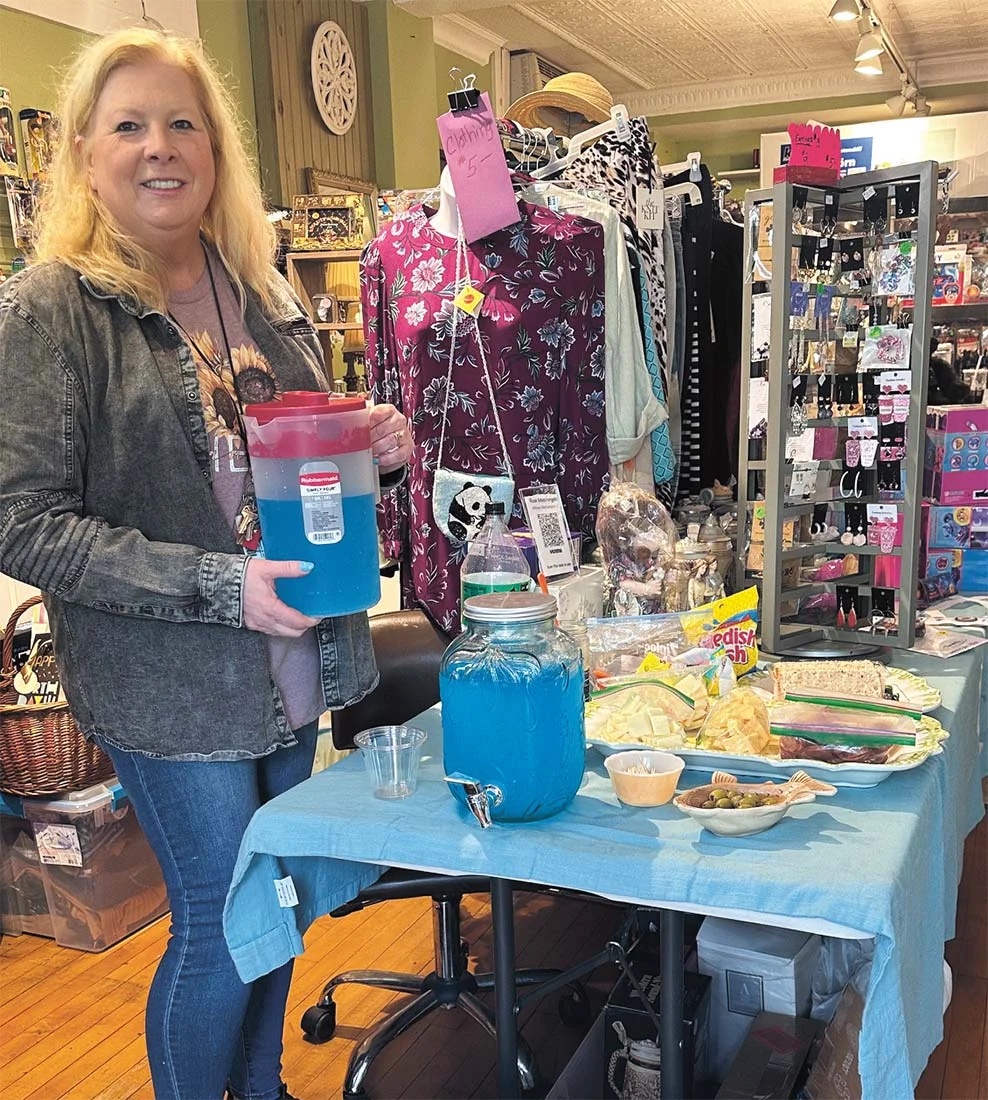
“Focusing on mocktails opens it up to all ages and people who don’t drink alcohol,” explains Heidi Wilenius, owner of the local boutique dandelion wishes. Her shop participated in the crawl by serving an “Apple Cider Wish,” a balanced, autumnal-inspired blend of apple cider, ginger, lemon juice, and orange juice. For Wilenius and her fellow business owners, the event isn’t just about the drink; it’s about accessibility and inclusivity.
A Chronology of a Community Crawl
The event was designed as a self-guided, immersive experience, encouraging participants to engage with the town’s diverse array of small businesses. The crawl began at Seeds to Sew, a fair-trade gift shop, where attendees received their maps and signature glass mason jars.
The instructions were simple but intentional: keep your jar, rinse it at designated stations, and reuse it throughout the day. This zero-waste approach underscored the event’s secondary mission: environmental stewardship. “We’re raising money for the Sourland Conservancy, and glass is more environmentally friendly,” Wilenius notes.
Throughout the afternoon, the crawl unfolded as a sensory journey:
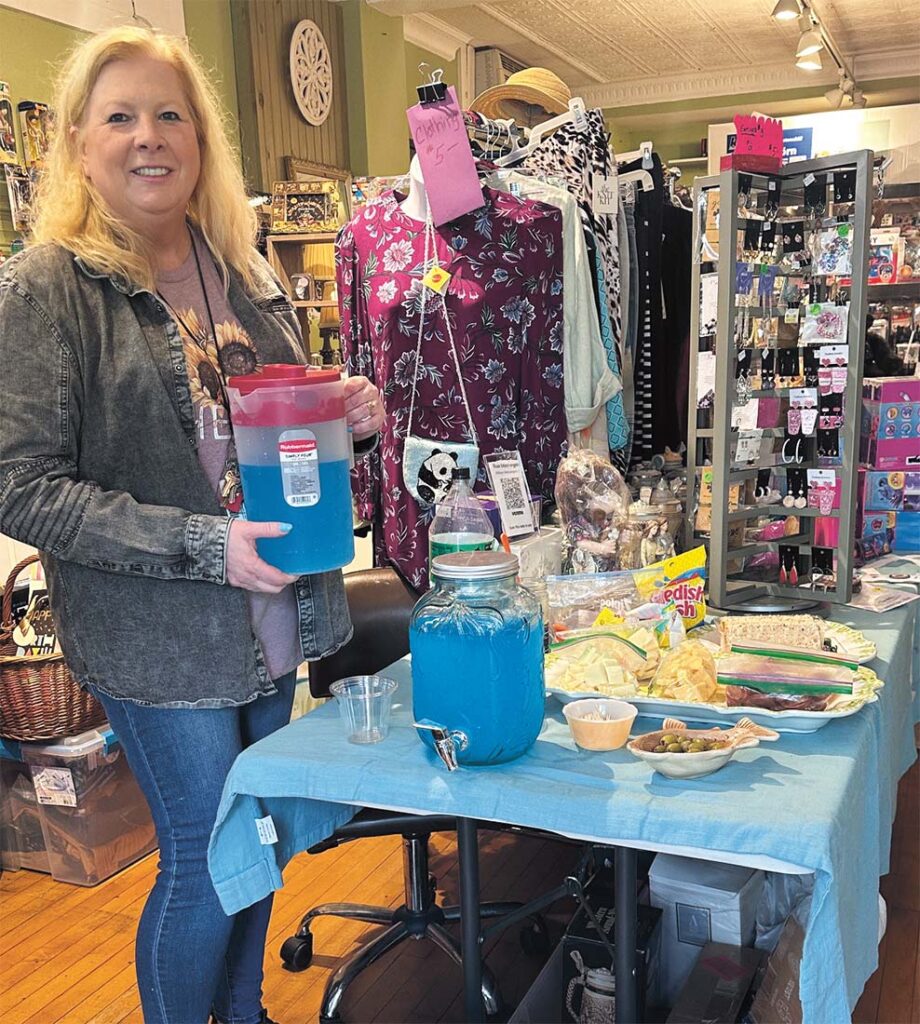
- The Early Stops: Participants began with a crisp Cucumber Mint Cooler at Seeds to Sew. As the afternoon progressed, the variety expanded. At twine., a local gift and card shop, owner and organizer Bailey Cookman offered a “Totally Tropical” mocktail, a playful nod to her store’s pop-culture-infused aesthetic, featuring mango, pineapple, fizz, and a nostalgic dusting of Pop Rocks.
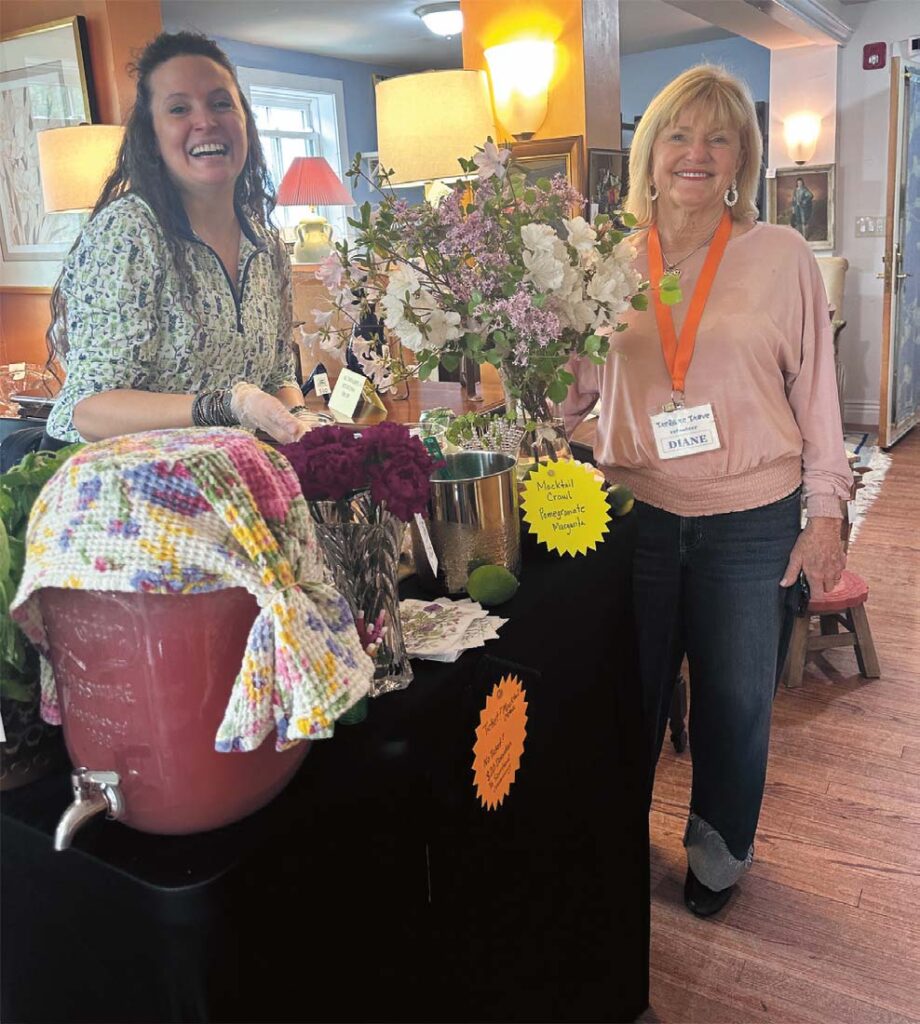
- Mid-Day Highlights: At HomeFront’s Treasure Trove, the atmosphere shifted toward the elegant. Volunteers served Pomegranate Margaritas, complete with rims of wild sumac or Celtic sea salt. The attention to detail—pomegranate seeds and a molasses drizzle—served as a masterclass in non-alcoholic presentation.
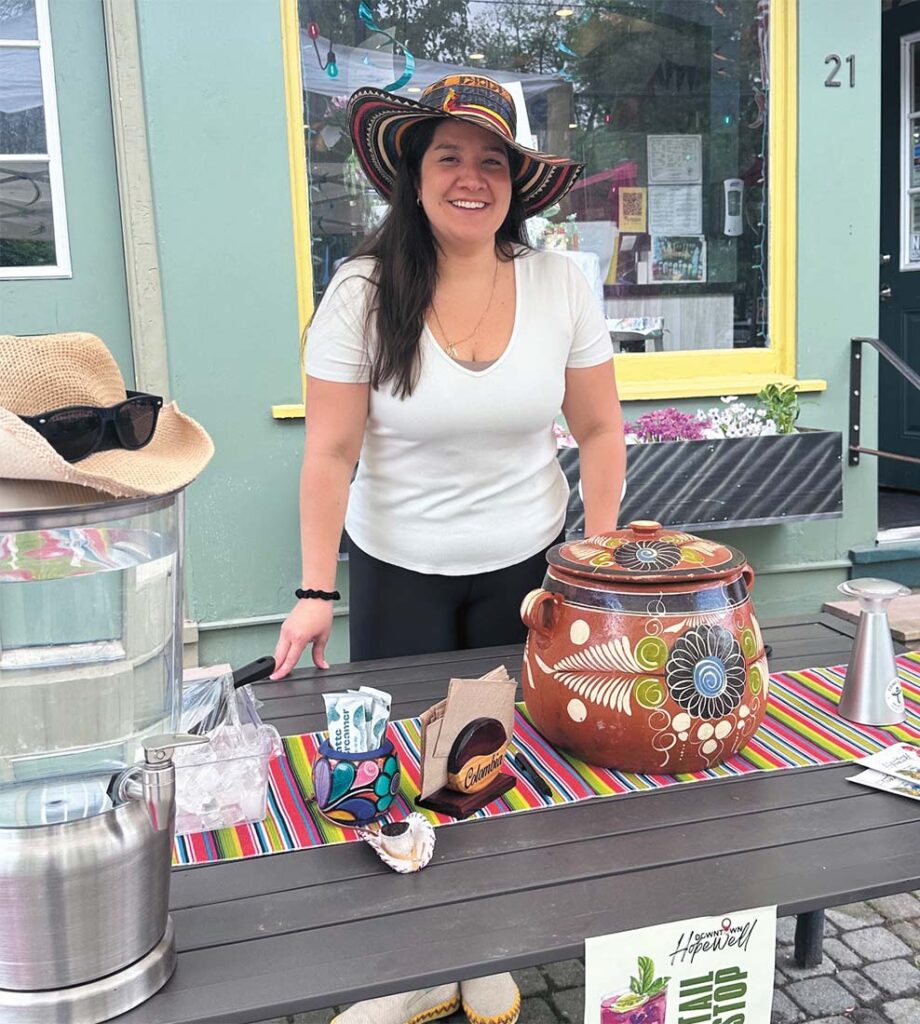
- The Afternoon Stretch: The crawl moved through Gallery 14, where attendees enjoyed “The Fixer,” a ginger-cranberry concoction, before sampling the exotic Lulada—a traditional Colombian fruit drink—at Tomatello’s Latin Cuisine. At the Hopewell Healing Collective, the “Butterfly Mojito” offered a visual spectacle, as the infusion of butterfly pea flower tea caused the drink to shift into a deep, vivid purple.
- The Final Stretch: The journey concluded with a stop at Hopewell Fare, where the retro-style counter offered frozen strawberry margaritas, and Sourland Cycles, where the “Bicycle Kick”—a blackberry lemonade—provided a refreshing finish.
Supporting Data: Economic and Environmental Impact
While the primary objective of the crawl was social, the economic implications were significant. In a town like Hopewell, which lacks the massive, consistent foot traffic of larger cities like Princeton or New Hope, the mocktail crawl serves as a "holiday season" for local commerce. By incentivizing residents and visitors to walk from storefront to storefront, the event generates a surge in customer discovery.
Furthermore, the partnership with the Sourland Conservancy adds a layer of community purpose. By donating proceeds from the crawl to the nonprofit, the businesses demonstrated how local events can act as a catalyst for regional conservation efforts. This symbiotic relationship—where local shops benefit from foot traffic and a local non-profit benefits from community visibility—is a blueprint for sustainable economic development.
Official Responses and Participant Perspectives
The feedback from participants and business owners alike has been overwhelmingly positive. The sentiment is perhaps best captured by the focus on the "aesthetic" of the drinks. Stephanie Mackoul, a volunteer at HomeFront’s Treasure Trove, articulated a sentiment shared by many of the mixologists: “I’m a firm believer that people eat and drink with their eyes first.”
By elevating the mocktail from a simple "juice and soda" mixture to a curated, artisanal product, the businesses transformed a standard walk into an upscale culinary experience. This professionalization of the mocktail is key to its success; when non-alcoholic drinks are treated with the same respect as high-end cocktails, the "stigma" of not drinking vanishes.
Heidi Wilenius, reflecting on the event’s significance to the town, noted, “We’re not New Hope or Princeton with huge amounts of foot traffic every weekend. When we have a Christmas-like day in the middle of May, it’s a very lovely thing.”
Implications for Future Social Planning
The success of the Hopewell Mocktail Crawl carries broader implications for urban and small-town planning. As the national appetite for alcohol continues to wane, municipalities that fail to adapt their social infrastructure may find themselves losing out on revenue and community engagement.
The "crawl" model, historically reserved for the bar industry, is proving to be a highly effective tool for retail revitalization. By removing the alcohol, organizers remove the age restrictions and the behavioral issues often associated with traditional bar crawls. This allows for a multi-generational event where families, seniors, and non-drinkers can occupy the same space comfortably.
Moreover, the emphasis on sustainability—reusing glass jars and partnering with local conservation groups—aligns with the values of the modern consumer. The event demonstrates that community building can be a clean, healthy, and economically viable endeavor.
Looking Ahead: The 2027 Perspective
As Hopewell looks toward its next event on Saturday, May 8, 2027, the challenge will be to scale the event without losing the intimate, "small-town" feel that made the first two years so successful. Given the growing interest in the sober-curious movement, the town is likely to see an increase in attendance.
The organizers have already established a strong foundation of participating businesses, including:
- dandelion wishes (45 W Broad St)
- Seeds to Sew (16 Seminary Ave)
- twine. (8 Somerset St)
- HomeFront’s Treasure Trove (31 W Broad St)
- Tomatello’s Latin Cuisine (21 E Broad St)
- Hopewell Healing Collective (10 E Broad St)
- Wull & Oak (10 E Broad St)
- Sourland Cycles (53 E Broad St)
- Hopewell Fare (65 E Broad St)
- Tomato Factory (2 Somerset St)
- Gallery 14 (14 Mercer St)
- Executive Display (87 E Broad St)
The Hopewell Mocktail Crawl is more than just a seasonal event; it is a proof-of-concept for the future of social life in America. By prioritizing connection, health, and local commerce, the organizers have proven that you don’t need spirits to raise the spirits of a community. As the nation continues to re-evaluate its relationship with alcohol, Hopewell stands as a beacon, inviting others to take a sip of something different.
