

The corporate world is currently navigating an unprecedented technological transition. For many organizations, the initial "gold rush" phase of generative AI has passed, replaced by a more sober, challenging reality: the struggle to integrate these powerful tools into complex, human-centric workflows. While AI has undoubtedly revolutionized individual productivity, companies are now grappling with the friction caused by the sheer, dizzying velocity of new model releases and the logistical nightmare of managing AI agents that were never designed to work in concert with teams.
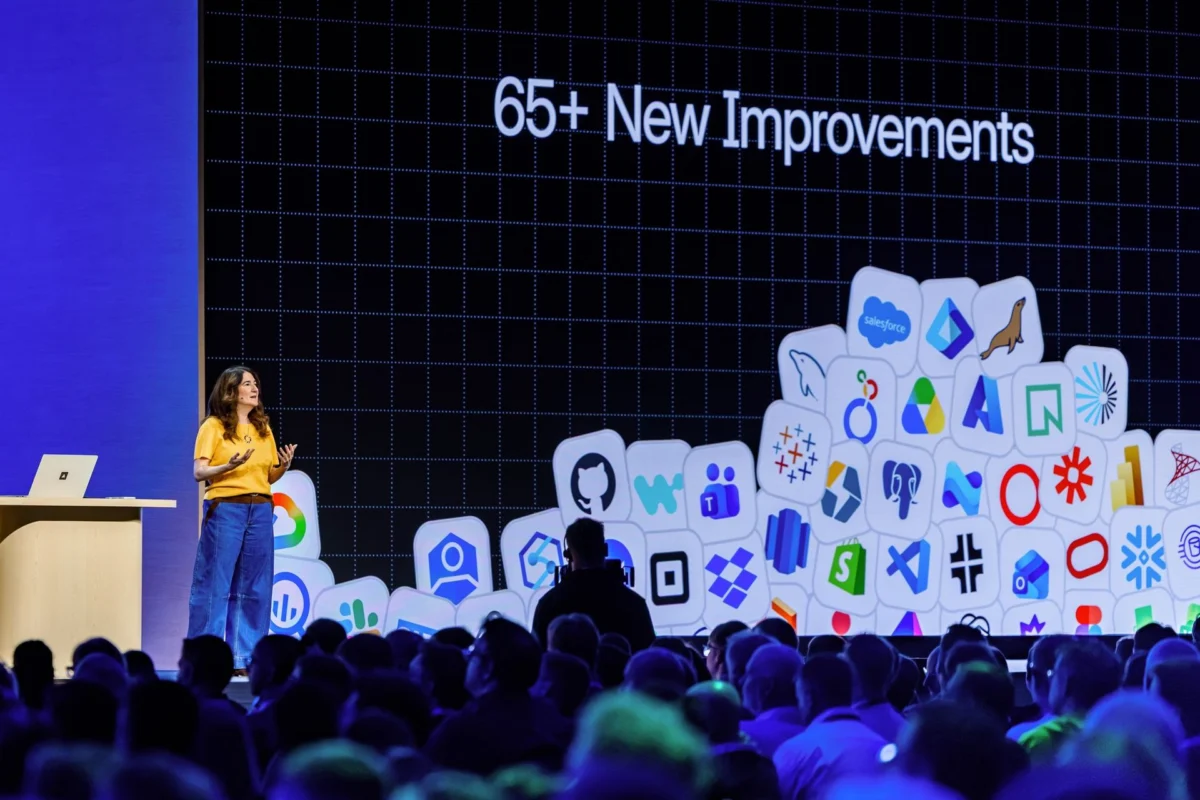
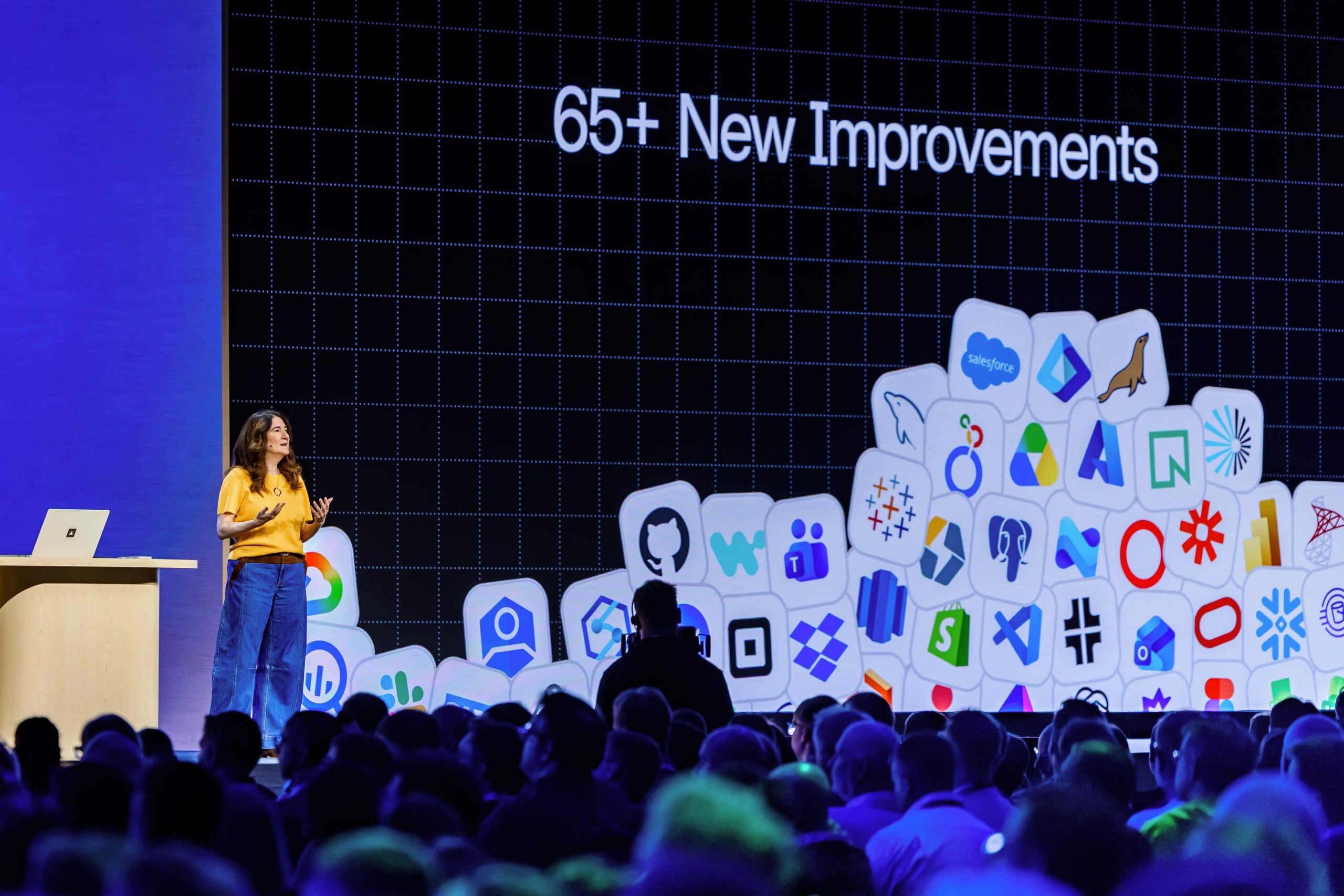
At the recent Atlassian Team Europe 26 conference, this tension between technological potential and organizational reality took center stage. Industry leaders and enterprise experts converged to discuss a pivotal shift: moving away from viewing AI as a personal productivity shortcut and toward a "multiplayer" framework that treats AI agents as collaborative teammates.
The Shift Toward Multiplayer Intelligence
For Atlassian, the mission has always been clear: to unleash the potential of every team. However, as Chief Product & AI Officer Tamar Yehoshua explained during the conference, the current landscape of AI deployment is fundamentally flawed.
"We’ve all been using AI agents, but they are primarily geared toward the individual," Yehoshua noted. "They aren’t organized or effective for teams. We are asking: how do you work effectively with teams and AI? That is a ‘multiplayer’ challenge. We want to ensure that everyone can collaborate with agents as seamlessly as they collaborate with their human colleagues."
This "multiplayer" vision is not merely about adding a chatbot to a Slack channel. It represents a paradigm shift in software architecture where AI is embedded into the fabric of project management, code repositories, and collaborative documentation. According to Atlassian’s Head of AI, Sherif Mansour, the goal is to sanitize the inherent messiness of human cooperation. "Teamwork is very messy, and our job is to make it much less messy, and more understandable and controllable for our customers," he stated.
Chronology of the AI Adoption Curve
To understand where businesses are currently headed, it is necessary to trace the rapid evolution of the industry over the past 24 months.
- The Phase of Skepticism (Early 2023): Initially, organizations approached generative AI with extreme caution, focusing on data privacy, copyright concerns, and the potential for "hallucinations."
- The Phase of Curiosity (Mid-2023): As platforms like ChatGPT and Claude became more capable, businesses began experimenting with small-scale use cases, often through "shadow AI" initiatives led by individual employees.
- The Phase of Acceptance (Late 2023 – Early 2024): AI moved into the enterprise mainstream. Companies began drafting AI policies and investing in infrastructure, moving from "should we?" to "how do we?"
- The Current Phase: Optimization (2025 and beyond): As highlighted at Team Europe 26, the focus has shifted entirely to ROI. Organizations are no longer satisfied with general-purpose tools; they are seeking efficiency, control, and, most importantly, the integration of AI into their unique organizational workflows.
The Perils of Over-Engineering: "Killing a Mosquito with a Rocket Launcher"
One of the most pressing concerns for CIOs and CTOs today is model fatigue. With new Large Language Models (LLMs) launching on a weekly basis, the pressure to adopt the latest, most powerful version can be overwhelming. However, Atlassian’s leadership warns against this "brute force" approach.
Sherif Mansour coined the phrase "killing a mosquito with a rocket launcher" to describe the tendency of businesses to utilize massive, expensive, and latency-heavy models for simple, routine tasks. This lack of strategic alignment not only inflates operational costs but also creates unnecessary complexity.
To mitigate this, Atlassian has pioneered the concept of an "AI Gateway." This architectural layer acts as an intelligent intermediary, automatically routing tasks to the most appropriate model. If a more advanced model is released, the system upgrades the backend engine without the end-user ever noticing. This provides companies with the necessary flexibility to stay at the cutting edge without needing to manually re-engineer their workflows every time a new LLM enters the market.
The "Nervous System" for Modern Enterprise
If AI is the brain, then the data context is the nervous system. The consensus among the experts at the conference was clear: there is no "silver bullet." Organizations searching for a single AI tool to solve all their productivity woes are likely destined for disappointment.
"AI feels like chaos to many of us," says Mansour. "But the answer isn’t a silver bullet. We prefer to give teams a ‘nervous system’ so they can handle the complexity. We are building systems that bring calm, visibility, and control to the chaos."
This "nervous system" relies on the integration of data across the enterprise. Whether it is tracking a pull request in Jira, a documentation update in Confluence, or a video summary in Loom, the AI must have access to the full context of a project. This is where the competitive advantage lies. As Mansour noted, if every company has access to the same baseline models (the "sum of all averages"), the only true differentiator is the specific, enriched context that a company provides to those models.
Implications for the Workforce: From Automation to Augmentation
A critical question looms over these advancements: are we automating human roles out of existence? Yehoshua remains optimistic about the human element, emphasizing that the goal is not to replace the workforce, but to accelerate it.
"We have empowered more people to do more," Yehoshua explained. "Anyone can now build a prototype, but that doesn’t mean you want just anyone pushing code into production. You still need clear guidelines and guardrails."
The implication is a shift in the nature of work. The barrier to entry for complex tasks is lowering, allowing employees to focus on high-level strategy, creative problem-solving, and quality assurance—the areas where human intuition remains superior to synthetic intelligence. The "democratization" of building tools means that the lifecycle of a product can evolve much faster, provided that the human-in-the-loop remains firmly in control.
Looking Ahead: The Future of Collaborative AI
At the conference, Atlassian CEO Mike Cannon-Brookes offered a bold sentiment: "Customers are not subscribing for the software we’ve built, but for the software we will build." In an era of rapid AI iteration, this philosophy is not just a marketing tagline—it is a survival strategy.
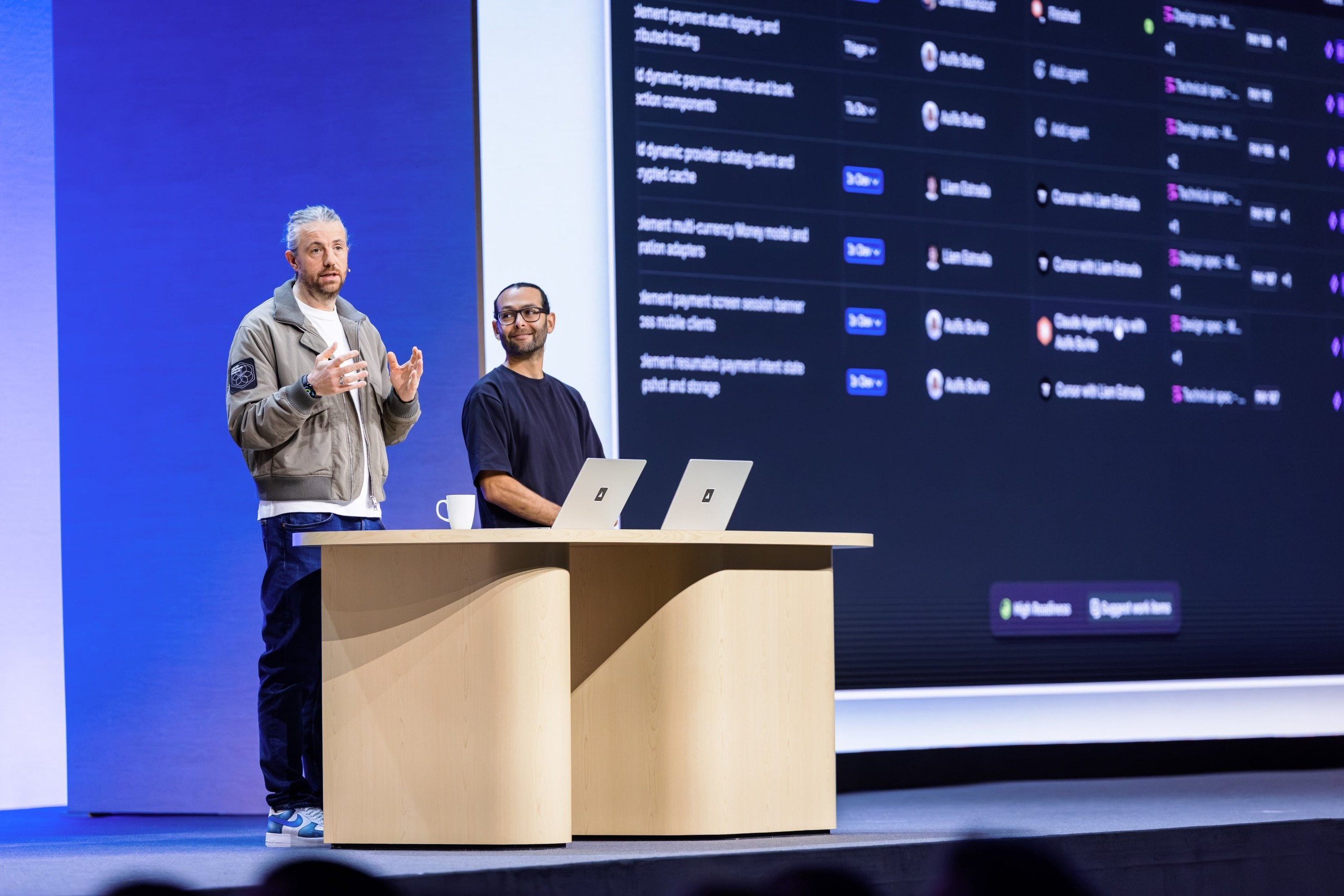
As companies move forward, the advice from the experts is three-fold:
- Avoid Vendor Lock-in: Do not bet the entire enterprise context graph on a single provider. The value lies in the platform’s ability to remain open and flexible to the changing AI landscape.
- Prioritize Behavior Change: Technology is only as effective as the processes it supports. Leadership must drive the cultural shifts necessary to adopt these tools effectively.
- Focus on Context: The most effective AI deployments are those that are tightly coupled with the specific, proprietary data of the organization.
The era of the "lone-wolf" AI agent is drawing to a close. We are entering the era of the multiplayer organization, where AI is not just a tool, but a teammate—a digital colleague that brings visibility, speed, and intelligence to the inherently messy, complex process of human collaboration. While the chaos of the AI revolution will likely persist, those who successfully build their organizational "nervous system" will not only survive the transition—they will define the new standard of productivity for the decade to come.
