

Google’s recent foray into the mid-range wearable market has sparked a significant debate among fitness enthusiasts: does a screen make a fitness tracker better, or is the "invisible" tracking experience the future of personal health? With the release of the $179 Fitbit Edge and the $99 Fitbit Air, Google is attempting to capture two distinct segments of the consumer base. While both devices share the same DNA—leaning heavily into Google’s AI-driven health analytics—their day-to-day utility, sensor arrays, and target demographics could not be more different.
Main Facts: The New Guard of Fitbit
For years, the Fitbit brand seemed to be in a state of flux, overshadowed by the more powerful, fully-featured Pixel Watch line. However, 2024 has marked a resurgence for the brand. The Fitbit Air, launched in May, arrived as an ultra-minimalist, screenless wearable designed to compete with the likes of Whoop. It prioritized passive data collection over active engagement.
In October, the $179 Fitbit Edge arrived as a strategic "middle ground." It bridges the gap between the entry-level Air and the flagship Pixel Watch 5. Both devices represent a shift in Google’s strategy: moving away from locked-in ecosystem reliance and toward broader compatibility, while incentivizing users to subscribe to Google Health Premium to unlock the full potential of their AI-powered insights.
A Chronological Evolution of Google’s Wearables
The path to the current dual-offering of the Edge and the Air began in 2022 with the initial launch of the Pixel Watch. Google recognized early on that while smartwatches offer utility, they are often expensive and require daily charging—a friction point for many potential users.
- 2022: The Pixel Watch debuts, establishing the premium tier of Google’s wearable strategy.
- Early 2024: The Fitbit Ace LTE is introduced, testing the waters for specialized, child-focused hardware.
- May 2024: The Fitbit Air ($99) is released. It signals Google’s desire to challenge the subscription-based, screenless tracker market. It focuses on aesthetics, comfort, and "set-it-and-forget-it" tracking.
- October 2024: The Fitbit Edge ($179) arrives. It introduces a 1.34-inch AMOLED display and a more robust sensor package, targeting users who want the data-rich experience of a smartwatch without the full weight and price of a Pixel Watch.
Comparative Hardware and Design Philosophy
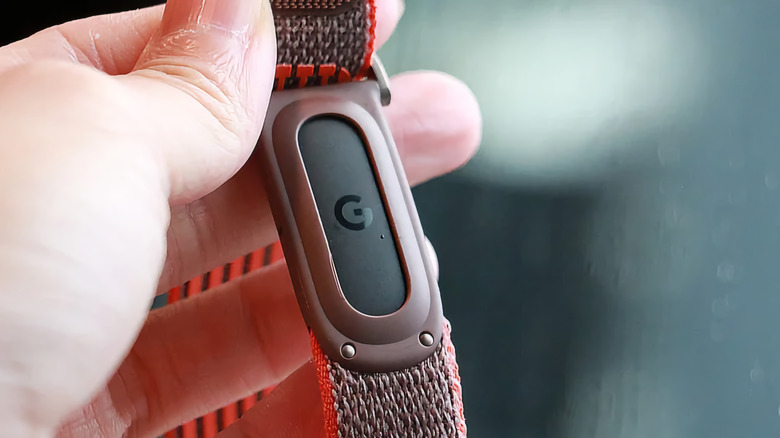
The most immediate differentiator is the form factor. The Fitbit Air is an exercise in restraint. Measuring just 1.37 x 0.66 x 0.32 inches, it is a discreet sensor puck. Interaction is entirely confined to the Google Health mobile application. There is no way to check the time, view a heart rate mid-run, or read a text notification on the device itself.

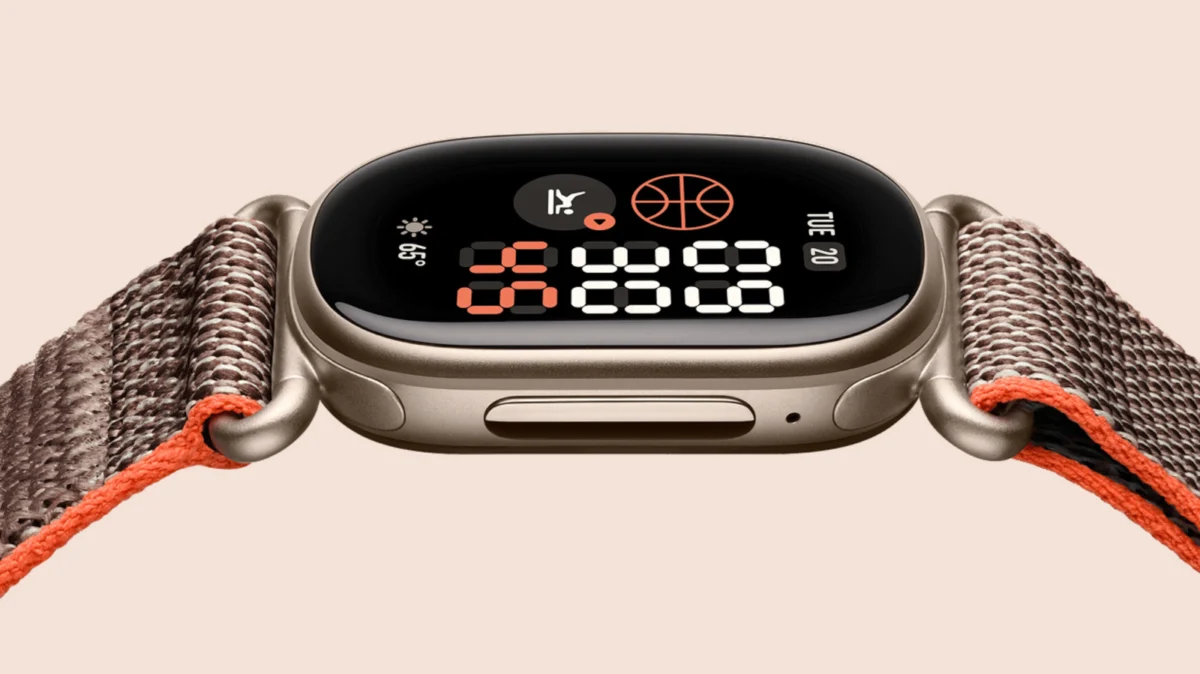
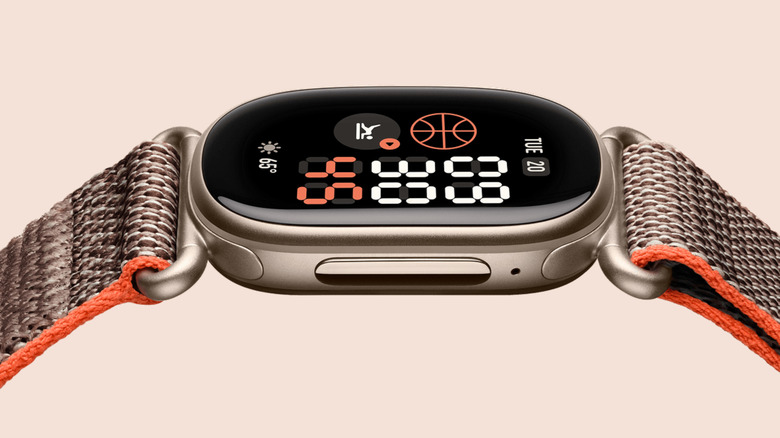
The Fitbit Edge, conversely, is a more traditional wearable. It houses a 1.34-inch oval-shaped AMOLED touchscreen and a physical mechanical side button. Measuring 1.54 x 1.01 x 0.46 inches, it occupies more wrist real estate and is designed to be seen.
Sensor Capabilities: More Than Just Steps
While both trackers excel at the basics—heart rate, sleep, resilience scores, and activity logging—the Edge features hardware that the Air lacks:
- ECG Sensors: The Edge includes electrical sensors for electrocardiogram readings, a critical tool for detecting atrial fibrillation.
- Altimeter: The Edge can track elevation, allowing for floor-climbing metrics.
- Ambient Light Sensor: This ensures the display remains legible in various lighting conditions while managing power consumption.
Both devices boast IP68 water and dust resistance and 5ATM protection, ensuring they are robust enough for swimming or high-intensity outdoor workouts.
Battery Longevity: The Always-On Trade-off
Google claims a seven-day battery life for both devices, but this figure comes with caveats for the Edge. If a user chooses to utilize the "Always-On" display feature—making the Edge feel more like a traditional smartwatch—battery life drops significantly to approximately two days.
To mitigate this, Google has implemented a robust fast-charging system for the Edge. The device can reach a full charge in 90 minutes, and a 15-minute "quick charge" is sufficient to provide a full day of battery life. The Air, by virtue of having no screen to power, maintains its seven-day longevity regardless of usage patterns.
Software and AI Integration
Both devices are underpinned by Google’s latest AI health initiatives. The "Health Guardian" feature, which debuted on the Pixel Watch 5, is now available across the Edge and Air. This allows users to monitor long-term trends, such as insulin resistance indicators and heart health markers.
The software experience on the Edge is markedly more feature-rich. Because it runs a version of Fitbit OS, it supports:
- Live Workout Metrics: Users can glance at their heart rate, pace, and distance during exercise without pulling out their phone.
- Notification Mirroring: Basic alerts from a paired smartphone.
- Google Maps: A "lite" version of navigation, providing turn-by-turn directions directly on the wrist.
Implications for the Consumer
The choice between the Edge and the Air essentially comes down to a philosophical preference for "information density."
For the user who finds notifications distracting and prefers a clean, unobtrusive wearable that simply logs data for later analysis, the Fitbit Air is the superior choice. It offers the best of Google’s AI health suite without the "mini-smartphone" anxiety of a screen. It is an ideal companion for the fitness enthusiast who wants to track progress without being tethered to a digital interface.
The Fitbit Edge is for the user who wants the "smart" experience—the ability to check progress in real-time, view notifications, or use basic navigation tools—without the bulk or the $300+ price tag of a premium smartwatch. It is a bridge device, successfully balancing the utility of a smartwatch with the streamlined comfort of a fitness tracker.
The Ecosystem Factor
Perhaps the most significant implication is Google’s move toward neutrality. By supporting non-Android devices more effectively and offering hardware at lower price points, Google is positioning Fitbit as a cross-platform health solution. The reliance on Google Health Premium is the final piece of the puzzle; Google is clearly betting that the hardware is merely the entry point, while the ongoing subscription revenue is the true long-term goal.
As we look toward the future of wearables, it is clear that the "one-size-fits-all" smartwatch approach is being challenged by these specialized, tier-based offerings. Whether you choose the invisible utility of the Air or the active functionality of the Edge, Google has ensured that both paths lead directly to their expanding AI-driven health ecosystem. The competition isn’t just about who has the best sensor; it’s about who has the best way to help you understand what that data actually means for your life.
