

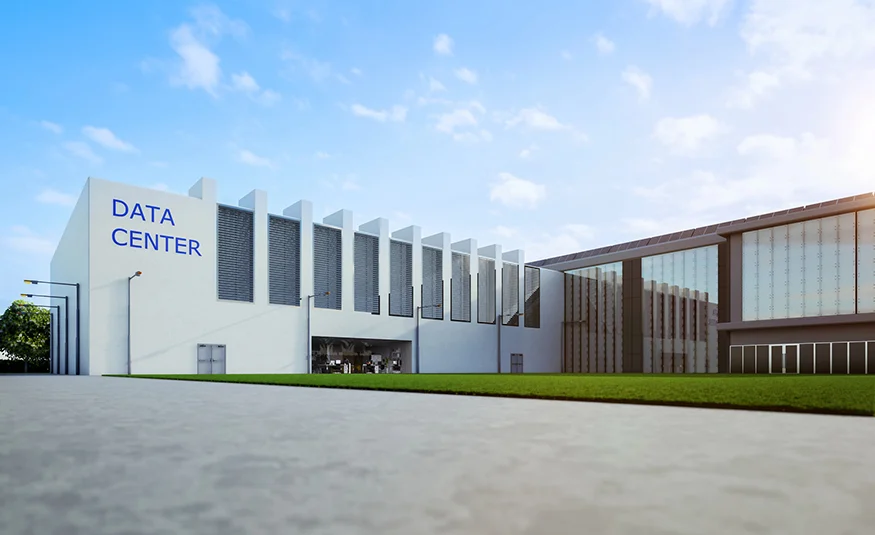
As the rapid proliferation of artificial intelligence (AI) and the subsequent demand for high-density data centers transform the technological landscape of the United States, New Jersey stands at a critical crossroads. A new comprehensive survey from the Rutgers-Eagleton Poll, released on October 16, 2026, reveals a significant disconnect between the daily reliance on AI tools and the public’s appetite for the physical infrastructure required to power them.
The findings illustrate a state population deeply wary of the environmental, economic, and educational consequences associated with the “AI revolution,” signaling a potential uphill battle for policymakers and developers tasked with balancing innovation with public sentiment.
The Core Conflict: Infrastructure vs. Community
The data center industry, often touted as the "engine room" of the modern economy, is facing a substantial public relations crisis in the Garden State. According to the Rutgers-Eagleton study, 72% of New Jersey residents explicitly oppose the construction of data centers within their own hometowns. This sentiment remains remarkably consistent even when the distance increases: 64% of respondents oppose data centers in neighboring counties, and 62% oppose their development anywhere within New Jersey state lines.
This widespread opposition is rooted in a perceived imbalance of value. When asked to weigh the costs against the benefits, 55% of residents concluded that the liabilities of data centers—such as immense electricity consumption, high water usage for cooling systems, and the risk of rising utility costs for local ratepayers—far outweigh the projected economic boons, such as tax revenue and job creation. Only 11% of those surveyed believed the benefits justified the costs.
Chronology of the Digital Surge
The recent push for data center development in New Jersey is not an isolated event but rather the culmination of several years of aggressive digital infrastructure scaling.
- 2023–2024: As generative AI gained mainstream traction, major tech corporations began identifying New Jersey’s proximity to major financial hubs and its robust fiber-optic connectivity as prime locations for massive data centers.
- Early 2025: Local planning boards across the state began receiving a wave of permit applications, sparking early grassroots resistance from environmental groups and residents concerned about suburban preservation.
- Mid-2025: State lawmakers, including those supporting energy relief packages, began grappling with the dual challenge of attracting tech investment while managing a state-wide energy grid already under strain.
- September 2026: The Rutgers-Eagleton Poll conducted its survey of 1,004 New Jersey adults, capturing a snapshot of public frustration during a time of intense legislative debate over utility pricing.
- October 2026: The poll results were published, providing the first hard data demonstrating that the "Not In My Backyard" (NIMBY) sentiment regarding data centers has reached a critical threshold.
Supporting Data: The AI Usage Paradox
One of the most intriguing findings of the survey is the internal contradiction among New Jerseyans regarding their relationship with AI. While the public harbors intense skepticism toward the infrastructure, their personal usage habits tell a different story.
Approximately 36% of respondents reported using AI tools—ranging from generative text engines to sophisticated productivity software—at least once a day. This usage is even higher among the younger demographic, with 53% of residents aged 18 to 34 engaging with AI daily.
However, this high adoption rate does not equate to optimism. Among that same 18–34 cohort, 58% believe that AI is fundamentally harmful to the job market, and a staggering 73% oppose the construction of data centers anywhere in the state. This suggests that while younger residents are the most integrated into the AI ecosystem, they are also the most acutely aware of—or concerned by—the potential for labor displacement and environmental strain caused by these technologies.
Socio-Economic and Environmental Implications
The concerns raised by the poll extend beyond mere infrastructure aesthetic or land use. Residents are actively questioning the broader systemic impact of AI.

Labor Displacement
A significant 43% of those surveyed believe that AI exerts a negative influence on the workforce, compared to just 14% who see a positive trend. This anxiety likely reflects broader national conversations regarding the automation of white-collar tasks, service industry roles, and the long-term viability of traditional career paths.
Environmental Stewardship
Environmental concerns are front and center in the debate. Nearly half of the respondents (48%) stated they believe AI technologies have a negative impact on the environment. This is largely driven by the extreme carbon footprint associated with powering high-density computing facilities and the water-intensive processes required to maintain stable temperatures within these server farms.
Educational Integrity
The survey also touched upon the future of the classroom, with 39% of residents expressing concern over the negative impact of AI on education. This likely refers to the ongoing debates over academic integrity, the erosion of critical thinking skills, and the potential for software-assisted learning to disrupt traditional pedagogical models.
Official Responses and Legislative Context
The timing of these findings is critical. Lawmakers in Trenton are currently reviewing several energy-related bills aimed at stabilizing costs for households and small businesses. The tension between the need for high-tech industrial growth—which would provide tax revenue to offset property tax burdens—and the need to protect the grid from the massive energy demands of data centers has become a primary legislative headache.
Proponents of development argue that without significant investment in data centers, New Jersey risks falling behind neighboring states in the race to host the "AI economy." They suggest that the tax revenue generated from these facilities could be earmarked for renewable energy projects or infrastructure upgrades that would ultimately lower utility bills for the average resident.
However, critics, now bolstered by the Rutgers-Eagleton data, argue that the "economic benefit" narrative is overstated. They point to the fact that while data centers require massive amounts of energy and water, they often provide relatively few permanent jobs once construction is completed. Furthermore, the specialized nature of these facilities means they operate as somewhat insulated islands, offering little direct interaction with the local communities that host them.
The Path Forward
As New Jersey navigates this transition, the data suggests that transparency will be key. If state officials and tech developers hope to sway public opinion, they must address the specific fears identified in the poll.
- Energy Sustainability: Proving that data centers can operate on green, self-contained energy sources rather than drawing from the public grid is essential to reducing the 72% opposition rate.
- Labor Transition Programs: To combat the fear of job loss, tech stakeholders could invest in vocational training and workforce development programs that prepare New Jersey residents for the new roles created by the digital economy.
- Community Engagement: Moving forward, any proposal for new infrastructure will likely require a robust, transparent vetting process that prioritizes public input rather than viewing it as an obstacle to be bypassed.
The Rutgers-Eagleton Poll, with its margin of error of +/- 4.1 percentage points, serves as a wake-up call. It confirms that the technological "progress" championed by industry leaders is currently viewed by the public as a potential threat to their quality of life, their environment, and their financial security. For the foreseeable future, the debate over AI and data centers will remain a defining issue in New Jersey’s civic life, requiring a delicate balance between the demands of the future and the concerns of the present.
