

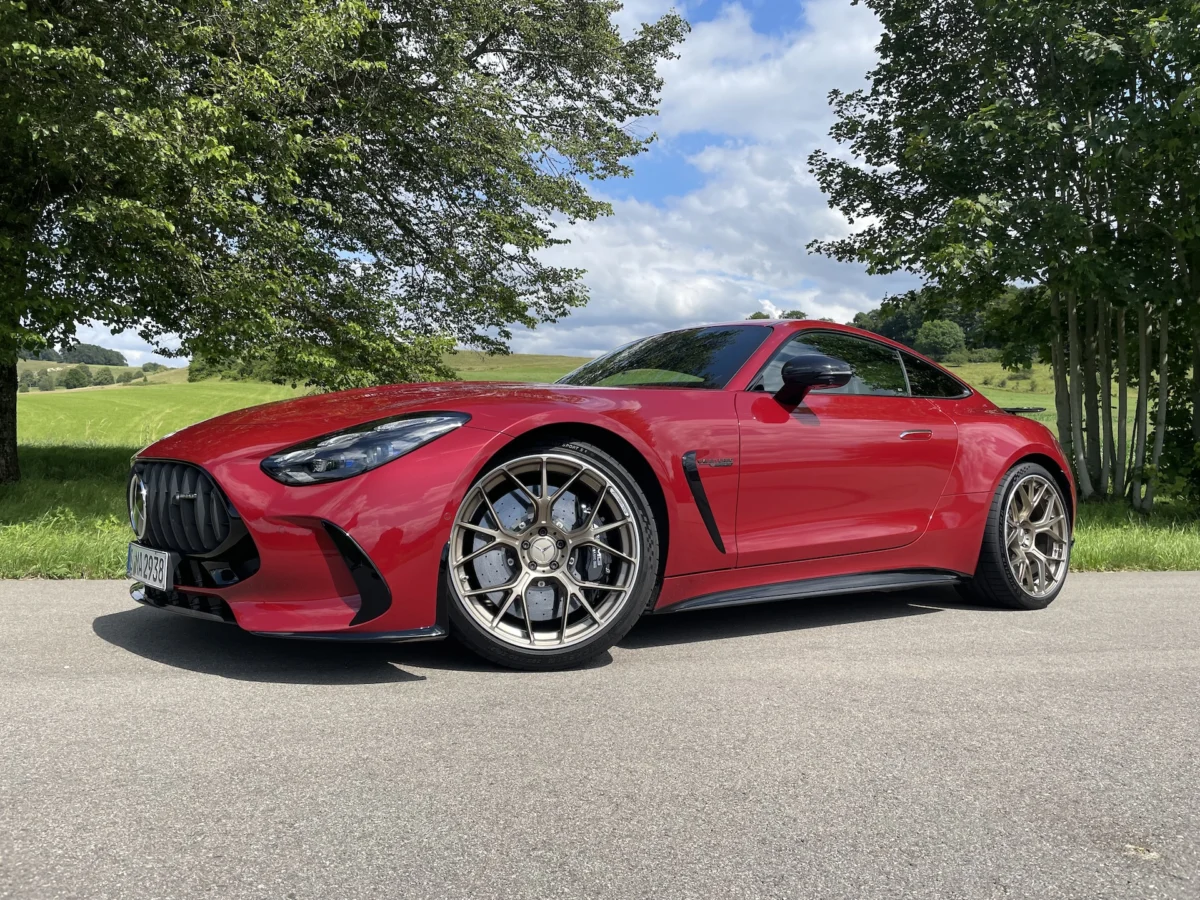
In a significant development for the high-performance automotive sector, Mercedes-Benz has initiated a widespread recall affecting its flagship AMG "E Performance" plug-in hybrid models. The recall, necessitated by a critical software anomaly that threatens to disrupt the vehicle’s propulsion system, underscores the complexities inherent in integrating advanced hybrid electrification with high-output combustion powertrains.
According to documents filed with the National Highway Traffic Safety Administration (NHTSA), the recall impacts nearly 3,000 vehicles in the United States. While the German automaker emphasizes that no accidents or injuries have been reported, the potential for a sudden loss of drive power has prompted an immediate corrective mandate.
Main Facts: The Scope of the Recall
The recall concerns a software glitch residing within the starter motor and generator control unit of specific high-performance plug-in hybrid models. This software, responsible for the seamless interaction between the electric motor and the internal combustion engine, is prone to errors that can cause the system to shut down unexpectedly.
Affected Models and Production Years
The recall covers an array of high-performance luxury vehicles produced between 2023 and 2025. The impacted lineup includes:
- AMG S 63 E Performance
- AMG GT 63 S E Performance (4-Door Coupe)
- AMG GT 63 S E Performance (2-Door Coupe)
- AMG SL 63 S E Performance
- AMG GLC 63 S E Performance (SUV and Coupe variants)
In total, 2,943 vehicles currently registered in the U.S. market are subject to this campaign. For these owners, the defect represents more than a mere inconvenience; it creates a scenario where the vehicle could lose motive power while in operation, significantly increasing the risk of a collision, particularly at highway speeds.
Chronology: From Field Reports to Regulatory Action
The journey toward this recall began not with a mass system failure, but with isolated anomalies reported by customers.
Late 2024: Initial Observations
Mercedes-Benz first identified potential concerns in late 2024, following a series of field reports from owners. The common thread among these reports was a failure of the vehicle to start—a frustrating but non-life-threatening symptom.
Internal Investigation
Following these initial reports, Mercedes-Benz’s engineering teams launched a deep-dive investigation into the E Performance powertrain’s software architecture. The investigation revealed that the starter motor and generator control unit—a critical component in the hybrid system—was experiencing software logic errors. These errors could, under specific operating conditions, cause the unit to reset or shut down entirely.
February 2025: Regulatory Filing
As the engineering analysis concluded, Mercedes-Benz determined that the risk of a "loss of drive power" during vehicle operation could not be ruled out. Consequently, the company formally notified the NHTSA. On February 28, 2025, the official recall campaign (NHTSA recall number 25V129000) was published, setting the wheels in motion for a nationwide service campaign.
Supporting Data: The Complexity of Hybrid Integration
The AMG E Performance lineup represents the pinnacle of Mercedes-Benz’s current engineering capabilities. By combining a 4.0-liter twin-turbocharged V-8 engine with a rear-mounted electric drive unit, these vehicles achieve unprecedented levels of torque and horsepower. However, the sophistication of these systems creates a massive "attack surface" for software-related defects.
The Role of the Control Unit
In these vehicles, the starter motor and generator are integrated into a complex high-voltage architecture. The control unit in question acts as the "brain" for the electrical side of the hybrid system. When this software encounters a conflict—often due to the high-speed data communication required between the V-8 engine’s ECU and the electric motor’s inverter—it may enter a "fail-safe" mode.
In a traditional vehicle, a software error might cause a check-engine light. In an E Performance model, where the electric motor is designed to provide instant torque to assist the engine, a software-driven shutdown of the generator control unit can lead to an immediate loss of power delivery to the wheels.
Statistical Context
While 2,943 vehicles might seem like a small number in the context of the total Mercedes-Benz fleet, it represents a substantial portion of the high-end AMG hybrid sales for the 2023–2025 period. These are vehicles positioned at the top of the price bracket, often exceeding $200,000 in market value. The concentration of the recall suggests that the software error is systemic across the E Performance platform, rather than isolated to a specific chassis variant.
Official Responses and Remediation
Mercedes-Benz has acted swiftly to mitigate the risks associated with this software defect. The company has structured its response to ensure minimal disruption while prioritizing vehicle safety.
The Remedy
The solution is a comprehensive software update. Dealers have been instructed to reprogram the starter motor and generator control unit with updated software that resolves the logic errors identified during the investigation. Mercedes-Benz has confirmed that this service will be provided free of charge to all affected owners.
Communication Strategy
Mercedes-Benz will begin sending formal notification letters to owners by mail starting April 29, 2025. This staggered approach allows dealerships to prepare the necessary diagnostic tools and software patches.
For owners who are concerned about the status of their vehicle prior to the arrival of their notification letter, the manufacturer has provided several resources:
- Direct Inquiry: Owners can call the dedicated Mercedes-Benz customer assistance line at 1-800-367-6372.
- Digital Portal: The official Mercedes-Benz Recall Website allows owners to input their Vehicle Identification Number (VIN) to confirm if their specific car is included in the campaign.
Implications: The Future of Over-the-Air and Dealer-Based Fixes
This recall highlights the dual-edged sword of the modern, software-defined vehicle. While electrification and software integration allow for the record-breaking performance seen in the AMG E Performance range, they also expose the automotive industry to the same risks that have historically plagued consumer electronics.
The Shift in Automotive Servicing
Historically, recalls were mechanical in nature—a faulty brake line, a failing airbag, or a loose bolt. Today, the majority of high-profile recalls are software-related. While a software update is easier to execute than a complex mechanical teardown, it requires a robust infrastructure to push updates to thousands of vehicles.
In this instance, Mercedes-Benz is requiring owners to visit a dealership. While "Over-the-Air" (OTA) updates have become popular, the nature of a powertrain-critical control unit often necessitates a controlled environment—such as a service bay—to ensure the integrity of the flash process and to verify that the car remains roadworthy after the software is applied.
Brand Reputation and Safety
For a brand like Mercedes-AMG, which prides itself on precision and "The Best or Nothing" philosophy, a recall of this magnitude is a significant event. However, by proactively identifying the issue and moving to remediate it before any accidents occurred, the company is attempting to maintain trust.
The industry will likely watch the completion rate of this recall closely. If the software patch successfully resolves the power loss issues, it will reinforce the viability of the complex hybrid powertrains. Conversely, if owners continue to report power-loss issues post-repair, the company may face further scrutiny from both the NHTSA and its loyal customer base.
Conclusion
As the automotive world continues its transition toward electrification, the AMG E Performance recall serves as a vital reminder that software is now as important as hardware. Owners of the affected S 63, GT 63, SL 63, and GLC 63 models should prioritize scheduling their service appointments once they receive their notification. By addressing the software vulnerability promptly, owners can ensure that their high-performance machines continue to provide the exhilaration they were engineered for, without the risk of an unexpected power failure.
For the broader industry, this episode underscores the necessity for rigorous software testing cycles in the face of increasingly complex electrified drivetrains. As these systems become more integrated, the threshold for error becomes lower, and the importance of rapid, transparent, and effective remediation becomes the new gold standard for consumer safety in the automotive luxury sector.
