


The arrival of the new DC Universe (DCU) has been marked by a bold, uncompromising commitment to genre-bending storytelling. Among the most anticipated—and arguably most visceral—additions to this interconnected cinematic landscape is the arrival of Clayface. With a release window that perfectly complemented the chilling atmosphere of late October, director James Watkins has delivered a film that leans heavily into body horror, grounding the legendary Batman rogue in a reality that is as emotionally resonant as it is physically grotesque.
However, bringing a character composed of shifting, molten clay to life in a live-action environment is a Herculean task. In an exclusive interview, director James Watkins revealed that the creative team endured a grueling design process, iterating on the villain’s appearance nearly 20 times before arriving at the final, haunting aesthetic seen on screen.
The Architecture of a Monster: Main Facts
The core of Clayface centers on Matt Hagen, a character historically defined by his tragic transformation from a talented performer into a shapeshifting monstrosity. For this latest iteration, the production team faced the unique challenge of translating a character designed for the fluid possibilities of animation into a photorealistic, live-action setting.
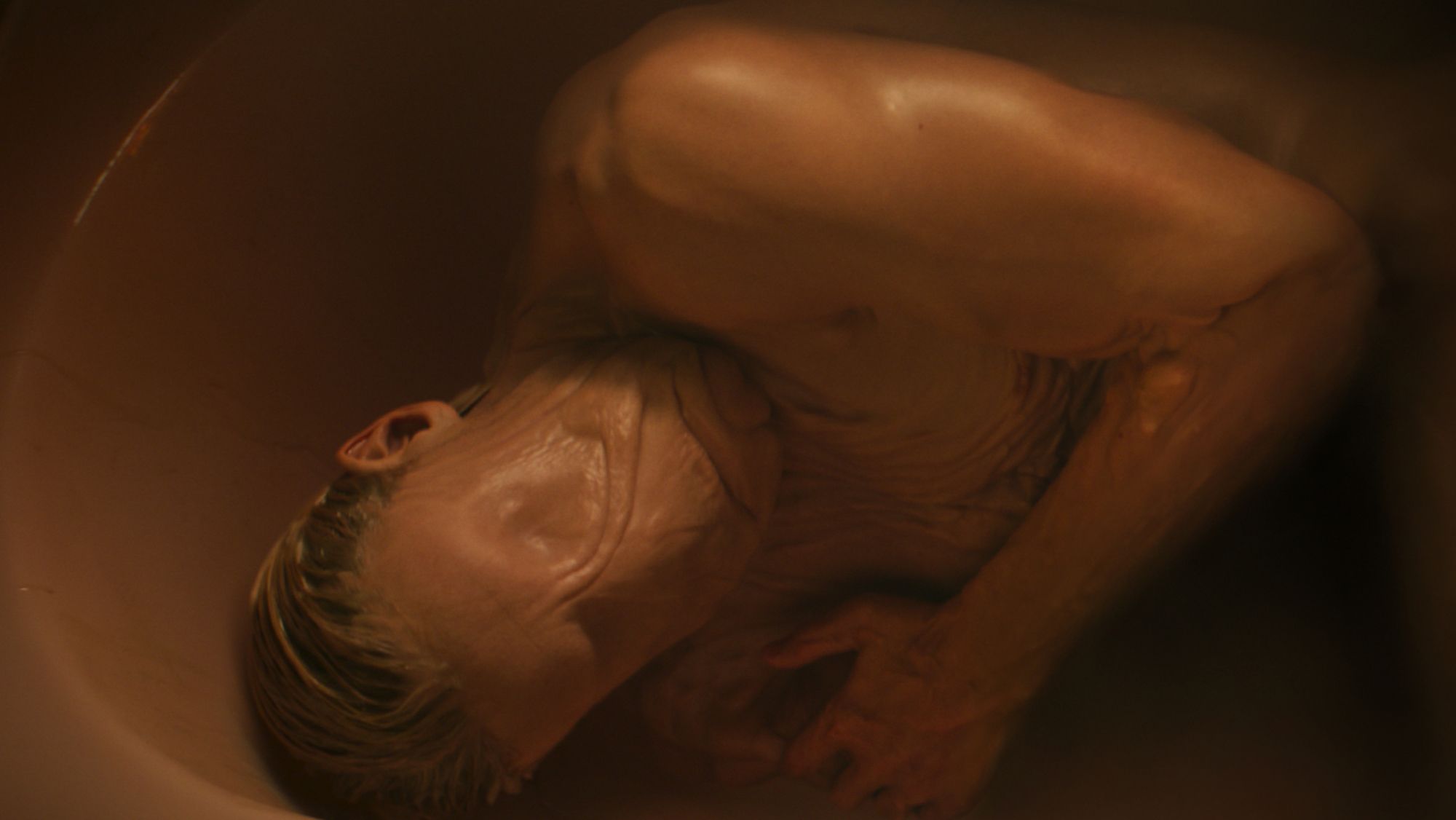
The "final form" of Clayface is not merely a CGI marvel; it is a meticulously crafted composite of textures, lighting, and human performance. Watkins emphasized that while the digital artistry was paramount, the emotional tether to actor Tom Rhys Harries was the most vital element. The team had to ensure that beneath the shifting, muddy layers of the antagonist, the audience could still recognize the fractured humanity of Matt Hagen. This balancing act—the need for a terrifying, amorphous creature that still possesses a human soul—drove the necessity for the nearly 20 distinct design iterations.
A Legacy Reimagined: The Chronology of Influence
To understand the weight of this task, one must look at the history of the character. Clayface has been a fixture in the Batman mythos for decades, appearing in countless comic book runs, video games, and, most famously, Batman: The Animated Series.
The two-part episode "Feat of Clay" from the iconic 90s animated series remains the gold standard for the character’s origin. It provided a template for tragedy, showing how Hagen’s desire for fame and restoration led to his downfall. Watkins confirmed that his team extensively studied these classic depictions.
"We looked at all the comics," Watkins noted during our conversation. "We also looked at ‘Feat of Clay’ and Creature Commandos. There are so many versions we looked at, and then we were mindful of it having to look right in live-action, rather than just as if it’s been pulled from a comic book."
The timeline of the character’s integration into the new DCU is also crucial. Before headlining his own feature, Clayface made a brief but impactful appearance in the animated Creature Commandos. This served as a "soft launch" for the character, allowing audiences to become accustomed to the DCU’s iteration of the villain before he was fully unleashed in his own live-action, R-rated cinematic experience.
Technical Precision: Supporting Data and Development
The development of the character design was a process of elimination and refinement. According to Watkins, the team spent hundreds of hours obsessing over the minute details of the character’s physicality.
"I guess the key thing for this interpretation is the emotion," Watkins explained. "We spent hours obsessing about the pain in his eyes, the pain in his voice when he screams, the man trapped inside the monster, and the sense of that duality that he has. We made about 17 different versions trying to find the monster, while also making sure that we could identify Tom Rhys Harries as Matt Hagen."
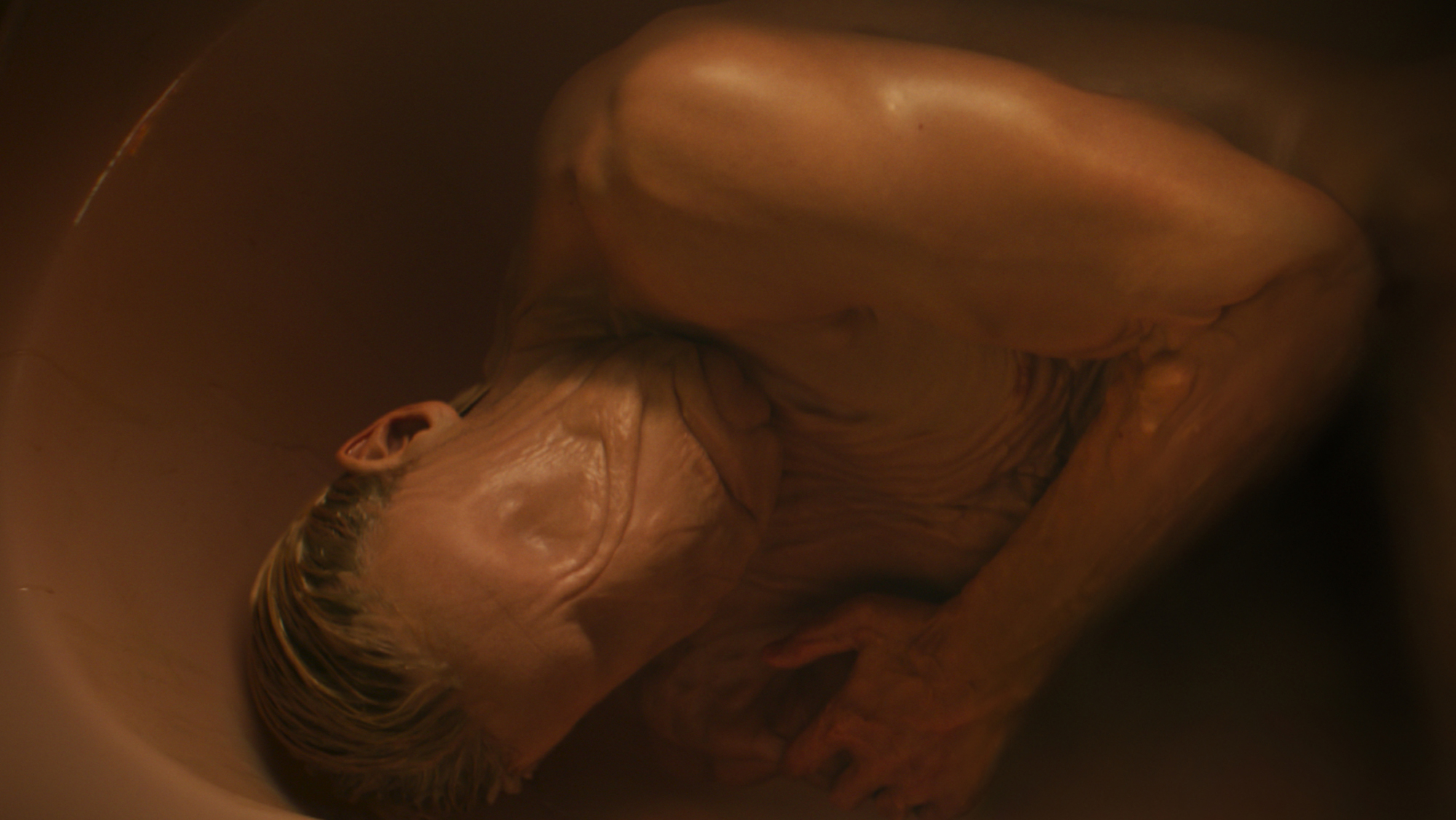
This emphasis on "identifiability" is a significant departure from older iterations of the character, where Clayface often became an unrecognizable blob of brown sludge. By keeping the features of the actor present, the film forces the audience to confront the horror of Hagen’s situation. Every time the character’s face melts or contorts, the audience sees the human suffering underneath, turning what could have been a standard CGI "monster fight" into a psychological character study.
The Director’s Vision: Official Responses
One of the most pressing questions surrounding the DCU is how much creative freedom individual directors are afforded, especially when dealing with established villains. When asked if the team felt limited by the character’s prior appearances in Creature Commandos or the animated legacy, Watkins was definitive.
"No, I had free rein," the filmmaker revealed. "It was all on me."
This level of creative autonomy highlights the philosophy behind the new DCU: a desire to allow filmmakers to interpret classic characters through their own specific lenses. For Watkins, that lens was body horror and psychological tragedy. By stripping away the constraints of "comic-book accuracy" and focusing instead on the thematic resonance of the character, Watkins was able to push the boundaries of what a DC villain can look and feel like.
The process was not just about the digital sculpting; it was about the synergy between practical effects and digital augmentation. The "final form" seen in the film’s third act is the result of a long, iterative journey where the team had to learn how the "clay" would interact with light, blood, and the environment of the film.

Implications for the Future of the DCU
The successful implementation of Clayface in his own standalone film has profound implications for the future of the DC Universe. By giving a "rogue" such a deep, grounded, and emotionally heavy introduction, DC Studios is signaling a departure from the traditional superhero formula.
A Shift Toward Genre Diversity
Clayface proves that the DCU is not just interested in standard action-adventure films. By leaning into body horror, the studio is effectively carving out space for sub-genres within its larger framework. If a character like Clayface can sustain an entire feature film focused on the tragedy of his condition, it opens the door for other niche characters to receive similar treatments.
The Power of Interconnectivity
While Watkins had "free rein," the fact that Clayface appeared in Creature Commandos first suggests a calculated, layered approach to world-building. This suggests that the DCU will continue to use various mediums—animation, live-action, and perhaps even video games—to build out its roster of characters. The audience is expected to be smarter and more attentive, catching the threads that connect a small animated role to a massive, live-action transformation.
Redefining the "Villain"
The focus on the "man trapped inside the monster" shifts the narrative away from villainy for the sake of villainy. It positions the antagonists of the new DCU as tragic figures, which complicates the role of the heroes who have to stop them. If the audience sympathizes with the monster, the conflict with the hero becomes much more complex, moving beyond simple moral binaries.
Conclusion: The Final Transformation
The journey of Clayface from a comic book ink drawing to a terrifying, fully realized live-action presence is a testament to the rigorous standards of modern filmmaking. By iterating 17-plus times, director James Watkins and his team didn’t just build a creature; they built a manifestation of human pain and loss.

As the DCU continues to expand, the success of this film will likely be viewed as a benchmark for how to handle complex, non-human characters. It sets a high bar for visual fidelity, emotional depth, and narrative risks. For fans of the character, the wait for a live-action version was long, but the final, harrowing result suggests that the meticulous "sculpting" of this monster was well worth the effort.
The next time you watch a villain melt, shift, or reform on the big screen, remember the 20 iterations that came before it—each one a step closer to the nightmare, and the tragedy, that is Clayface.
