

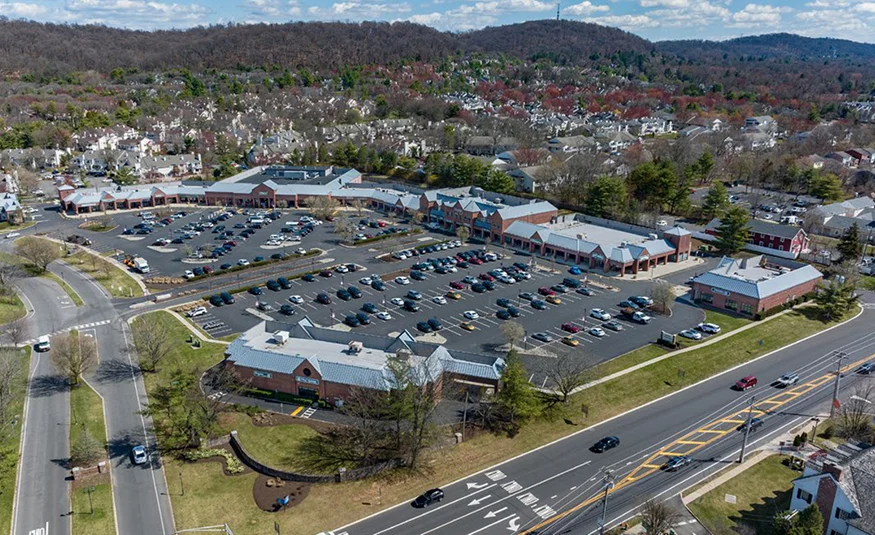
The retail landscape in Somerset County, New Jersey, is undergoing a period of intense institutional interest, punctuated by two significant recent transactions that underscore a broader trend: the enduring value of necessity-based, high-traffic shopping centers. As investors navigate a complex national economic climate, the appetite for stable, well-leased, and strategically located retail assets in Northern New Jersey has reached a fever pitch.
Recent data confirms that Somerset County remains one of the tightest retail markets in the United States, with high occupancy rates and resilient consumer demand. This environment has paved the way for major divestments, most notably the $14.5 million sale of Veronica Plaza in Somerset and the $60.9 million acquisition of The Hills Village Center in Bedminster. These deals are not merely individual real estate transactions; they are bellwethers for the regional economy, reflecting a deep-seated belief in the long-term viability of brick-and-mortar retail when anchored by service-oriented tenants.
The Main Facts: A Tale of Two Centers
The investment activity in the region has been characterized by aggressive bidding and record-setting price points. The two most prominent recent transactions highlight the diversity of the county’s retail portfolio, ranging from high-density neighborhood plazas to expansive, grocery-anchored community hubs.
Veronica Plaza: A Benchmark for Value
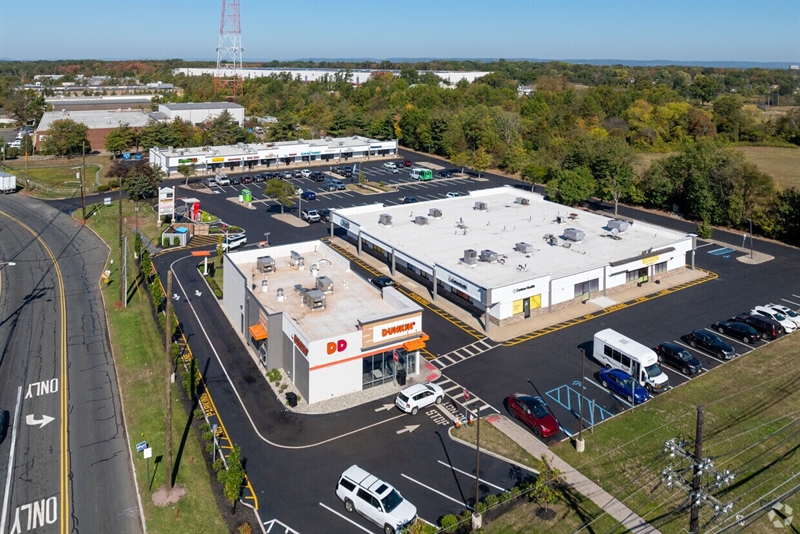
In early October 2026, the Adoni Property Group successfully divested itself of Veronica Plaza, a 33,608-square-foot retail center located at 1165 Route 27 in Somerset. The property, which sits on five acres of prime real estate, serves as a vital community link. The deal, arranged by Cushman & Wakefield, closed at a total price of $14.5 million.
The sale was notable not just for its price, but for the fervor of the bidding process. According to the Cushman & Wakefield team, the property drew interest from over 22 approved bidders, a clear indicator of the scarcity of high-quality retail opportunities in the current market. The final sale price achieved one of the highest price-per-square-foot valuations for a retail asset in the history of Somerset County, signaling that investors are willing to pay a premium for properties with proven, steady cash flows.
The Hills Village Center: The Bedminster Powerhouse
While Veronica Plaza represents the strength of neighborhood retail, The Hills Village Center in Bedminster represents the "trophy" end of the market. Sold by Lena Centers (a subsidiary of Longpoint Partners) to Asana Partners for a reported $60.9 million, the 110,000-square-foot, grocery-anchored center is a cornerstone of its community.
Located at 550 Hills Drive, the center benefits from a location that is both highly visible and easily accessible, situated near the intersection of Route 206 and minutes from the bustling I-287 corridor. The property is fully leased, featuring major national tenants including Kings Food Market and CVS, alongside lifestyle staples like Starbucks and Peapack Gladstone Bank.
Chronology of Market Momentum
The recent surge in activity did not occur in a vacuum. It follows a period of recalibration in the commercial real estate sector. During the third quarter of 2025, deal activity across New Jersey experienced a noticeable slowdown as buyers and sellers struggled to find common ground in a shifting interest rate environment.
However, the trajectory of 2026 has told a different story. By the first half of 2026, the market began to normalize, with transaction volumes returning to near-historical norms. The third quarter of 2026 served as a catalyst, as evidenced by the JLL and Cushman & Wakefield announcements in October.
- Q3 2025: Market caution leads to a dip in transaction volume; pricing discovery begins.
- Q1–Q2 2026: Stabilization takes hold as interest rates plateau and investors regain confidence in retail fundamentals.
- October 2026: A wave of high-value closings, including the $60.9 million Hills Village Center deal and the $14.5 million Veronica Plaza transaction, signals a "flight to quality."
This timeline highlights a market that has successfully adjusted to the "new normal" of higher financing costs by focusing on properties with recession-resistant tenant rosters.
Supporting Data: Why Somerset County?
The investment logic driving these purchases is backed by robust demographic and economic data. Investors are not merely buying buildings; they are buying access to affluent, high-spending trade areas.
Demographic Strength
The Hills Village Center serves as a prime example of why investors target this specific geography. Within a five-mile radius of the Bedminster property, there are nearly 60,000 residents. More importantly, the average household income in this radius exceeds $230,000—a figure that places the area in the upper echelon of national wealth.
Daytime Density
Retail viability relies on more than just nighttime residents; it requires a consistent daytime population. The area surrounding Bedminster and nearby New Brunswick benefits from a substantial workforce. The Hills Village Center, for instance, draws from a pool of 83,000 daytime employees. The recent addition of corporate facilities, such as the new Freshpet office, further solidifies the center’s role as a vital lunch-hour and post-work destination for area professionals.
Pricing Trends
According to Marcus & Millichap’s Third Quarter 2026 New Jersey Retail Market Report, average pricing for retail assets in Northern New Jersey has seen a 2.9% annual increase. This appreciation, even amidst broader economic uncertainty, underscores the "tightness" of the market. With limited new supply coming online, existing centers with strong anchors and long-term leases are becoming increasingly valuable assets for institutional portfolios.
Official Responses and Strategic Perspectives
The brokers and developers behind these deals provide insight into the mindset of the modern commercial real estate investor.
Sonny Adoni, founder and CEO of the Adoni Property Group, viewed the sale of Veronica Plaza as a strategic exit from a "steady and well-performing" asset. His commentary—"the timing was right to sell"—reflects the decision of many long-term owners to capitalize on the current seller’s market.
From the brokerage perspective, the consensus is that the "necessity-based" nature of these centers is their greatest strength. Jordan Sobel, Director at Cushman & Wakefield, noted that the competitive bidding for Veronica Plaza was driven by the asset’s "diversified tenant mix" and its location along a "primary retail corridor."
Jose Cruz, Senior Managing Director at JLL, echoed this sentiment regarding The Hills Village Center. "The successful disposition to Asana Partners reflects both the quality of the asset and the strength of the Somerset County retail market," Cruz stated. He pointedly noted that the combination of "strong demographics and limited competition" continues to serve as a powerful engine for investor demand.
Implications for the Future of Retail
The implications of these sales are far-reaching for local municipalities, small business owners, and commercial developers.
The Institutionalization of Neighborhood Retail
The shift toward buyers like Asana Partners—a North Carolina-based firm with a national footprint—suggests that Somerset County’s retail centers are being viewed as "core" assets for institutional funds. This indicates that these properties will likely receive continued capital investment, property upgrades, and professional management, which is generally a positive sign for the tenants and the local economy.
Resilience Through Diversification
The success of these centers reinforces the "service-oriented" retail model. By curating a mix of tenants that includes healthcare (Trinity Rehab), banking (Bank of America, Peapack Gladstone), and daily necessities (Dunkin, Jersey Mike’s, CVS), these properties are shielded from the volatility of e-commerce. As long as these centers provide services that cannot be replicated by online delivery, they will remain the bedrock of the suburban economy.
Looking Ahead
The outlook for the remainder of 2026 and into 2027 remains optimistic. As investors continue to adjust to the current transaction environment, the demand for well-located assets in New Jersey’s affluent corridors is expected to persist. While high interest rates may keep transaction volumes from reaching the peaks of the past decade, the high price-per-square-foot achieved in recent deals suggests that capital is waiting on the sidelines for the right opportunity.
In conclusion, the activity in Somerset County serves as a microcosm for the resilience of the American retail sector. By prioritizing location, tenant quality, and demographic density, these properties have proven that they are not just surviving—they are thriving, attracting significant investment that will likely anchor the economic vitality of the region for years to come. Whether in the bustling corridors of Somerset or the affluent landscapes of Bedminster, the message from the market is clear: high-quality retail is an investment class that continues to deliver, regardless of the broader economic winds.
