

As the calendar turns to 2026, the transit landscape across North America is undergoing a transformative shift. Across the United States, Canada, and Mexico, municipal governments and transit authorities are unveiling a new generation of fixed-guideway projects—ranging from high-capacity subways and light rail systems to bus rapid transit (BRT) and aerial tramways. This surge in infrastructure investment marks a pivotal moment in urban mobility, aimed at reducing congestion, connecting underserved corridors, and integrating disparate transit networks into a more cohesive whole.

This overview analyzes the major projects reaching completion in 2026. These developments, meticulously tracked by the Transit Explorer database—which now includes over 13,700 lines and 62,300 stations worldwide—underscore a broader global trend of prioritizing high-quality, reliable transit as the backbone of sustainable urban growth.

The 2026 Project Landscape: A Chronological Overview
The 2026 project pipeline is diverse, reflecting the unique geographic and budgetary realities of cities across the continent. While some projects represent massive, multibillion-dollar capital investments, others demonstrate the efficiency of "arterial rapid transit" (ART) and BRT in delivering high-frequency service at a fraction of the cost.

Q1 2026: Setting the Pace
The year begins with significant activity, particularly in Mexico and the American Midwest.

- Mexico City’s "El Insurgente": The final segment of the Mexico-Toluca Interurban Train, connecting to the Observatorio station, is set to open in early 2026. By bridging the gap to the city’s Metro Line 1, this project will finally fulfill its promise as a true regional rail powerhouse.
- Mexico City’s AIFA Link: Also opening in Q1 is the 22 km Lechería to AIFA regional rail extension. With an expected ridership of 82,000 daily passengers and a 43-minute trip time, this connection is critical to integrating the Felipe Ángeles International Airport into the city’s broader transit fabric.
- South Shore Line (West Lake): In the United States, the West Lake expansion of the South Shore Line in Indiana reaches a major milestone, providing enhanced rail access to the Chicago metropolitan area.
- Toronto’s Line 5 (Eglinton Crosstown): Perhaps the most anticipated, and certainly the most contentious, project in Canada, the 19 km Eglinton Crosstown LRT is slated for an early 2026 debut. With a final cost ballooning to approximately $13 billion (CAD), it stands as a stark lesson in the complexities of managing long-term, multi-billion-dollar transit megaprojects.
Spring and Mid-2026: Connecting the Hubs
As the year progresses, major hubs in North America will see critical "last-mile" and network-integrating projects come online.

- Montreal’s REM (Anse-à-l’Orme Branch): Following the 2025 opening of the central section, this 15 km branch will extend the automated light metro to the western side of the island, significantly improving transit equity for suburban commuters.
- Orange County Streetcar: This 6.7 km line in California will bridge the gap between the Santa Ana Transportation Center and Garden Grove, linking Amtrak and Metrolink riders to the heart of the city.
- Seattle’s Link 2 Line: The long-awaited final phase of the East Link Extension will connect Bellevue to Seattle’s International District, traversing the I-90 floating bridge. This is a massive win for the Pacific Northwest, promising 8-minute headways during peak hours.
Summer and Fall 2026: BRT and Airport Connectivity
- Los Angeles LAX Airport Connector: In June 2026, the $2.7 billion Automated People Mover (APM) will finally provide a direct, seamless link between the LAX terminals and the regional light rail network (C and K Lines).
- Atlanta’s MARTA Rapid A-Line: Representing the modern evolution of BRT, this 5 km line includes 85% dedicated lanes and 14 stations. Its completion, timed near the World Cup, highlights how transit investment is increasingly being paired with major international events to maximize visibility and utility.
- Houston’s 54 Scott BOOST: Arriving in August, this 17.2 km ART project enhances the urban bus experience through dedicated shelter and signal improvements, proving that major gains in transit speed and reliability can be achieved through targeted street-level infrastructure.
- Las Vegas Maryland Parkway BRT: A cornerstone of the RTC’s strategy, this 20 km corridor will link the Medical District and UNLV with the airport, reflecting the growing need for high-frequency transit in rapidly expanding sunbelt cities.
Categorizing the Investment: Infrastructure Types
A granular look at these projects reveals distinct investment patterns:

- Heavy Rail/Regional Rail: Projects like the El Insurgente and the Lechería-AIFA link focus on regional mobility, emphasizing distance and inter-city connectivity.
- Light Rail/Automated Metro: Systems like the Toronto Eglinton Crosstown, Montreal’s REM, and Seattle’s Link 2 prioritize high-capacity urban throughput. These projects are the most expensive but provide the highest long-term ridership potential.
- Bus Rapid Transit (BRT/ART): Atlanta, Baton Rouge, and Las Vegas have embraced BRT as a pragmatic solution. These projects prioritize cost-efficiency and rapid implementation while providing "rail-like" service via signal priority and dedicated lanes.
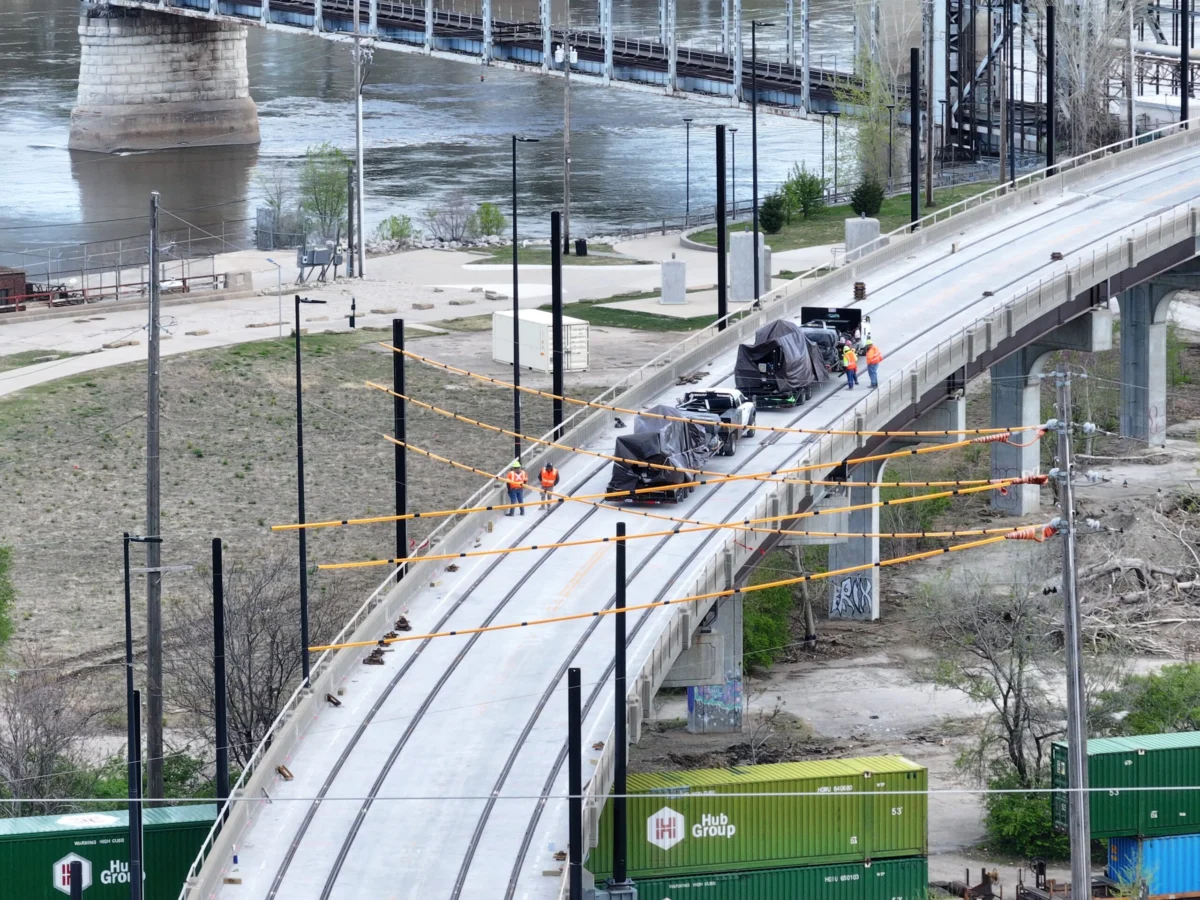
- Specialized Connectors: The LAX APM and Kansas City Streetcar extension represent "specialized" transit—designed to serve specific high-demand nodes (airports, stadiums, and waterfront districts).
Implications: The Return of the Transit-Oriented City
The completion of these projects signals a broader shift in North American urban planning. For decades, the dominant paradigm was auto-centric expansion. The 2026 project list suggests a pivot toward "Transit-Oriented Development" (TOD). By building high-capacity transit into the heart of dense residential and commercial districts, cities are essentially betting on a future where residents choose to live and work near these fixed-guideway lines.

However, the path to 2026 has not been without significant challenges. The Toronto Eglinton Crosstown project, for example, serves as a cautionary tale of "scope creep" and ballooning budgets. The delay from an initial 2020 projection to 2026, combined with its massive cost, has sparked a public debate about procurement models, public-private partnerships (P3s), and government oversight.

Conversely, the success of the LAX Connector and the Seattle Link 2 project highlights the value of political perseverance. These projects often face decades of litigation, planning hurdles, and funding gaps. Their completion marks the end of years of institutional friction and the beginning of a new era of connectivity.

Official Responses and Public Sentiment
Transit authorities have generally framed the 2026 openings as a "new dawn" for their respective regions. In Atlanta, MARTA officials have emphasized that the A-Line is more than just a bus route; it is the first new transit line in a generation, serving as a catalyst for economic development in the Summerhill neighborhood.

In Mexico City, the focus remains on social equity. The expansion of the Mexicable network into the peripheral neighborhoods of the state of Mexico provides a lifeline to thousands of workers who previously faced hours of commuting on congested arterial roads. For these communities, the impact of a high-speed, elevated tramway is arguably more transformative than the addition of a subway line in a well-served central business district.

Supporting Data and Future Trends
Based on data from Transit Explorer, 2026 sees a concentrated effort in the "Sunbelt" of the United States—specifically Atlanta, Houston, Las Vegas, and San Bernardino. This reflects a shift in demographics and transit demand as these regions grapple with the limitations of sprawl.

Furthermore, the integration of 13,700 lines and 62,300 stations into global transit databases indicates that transit planning is becoming increasingly data-driven. Planners are now looking at how to create "intermodal connectivity"—ensuring that a light rail line in one city seamlessly connects to a regional commuter rail line or an airport shuttle.

Conclusion: The Road Ahead
The year 2026 will be remembered for the sheer volume of transit capacity brought online. From the towering monorails of Monterrey to the high-frequency BRT corridors of the American South and the complex light-metro networks of Canada, these projects represent a substantial down payment on the future of North American mobility.

However, the success of these projects will not be measured solely by the day of their opening. It will be determined by their ridership numbers, their ability to catalyze surrounding development, and their role in reducing the region’s overall carbon footprint. As these systems move from the construction phase to full operational status, the focus will inevitably shift from "how to build them" to "how to keep them running efficiently."

For now, citizens in these cities can look forward to a year of enhanced mobility, as these long-awaited infrastructure projects finally begin to move people, not just traffic.
