

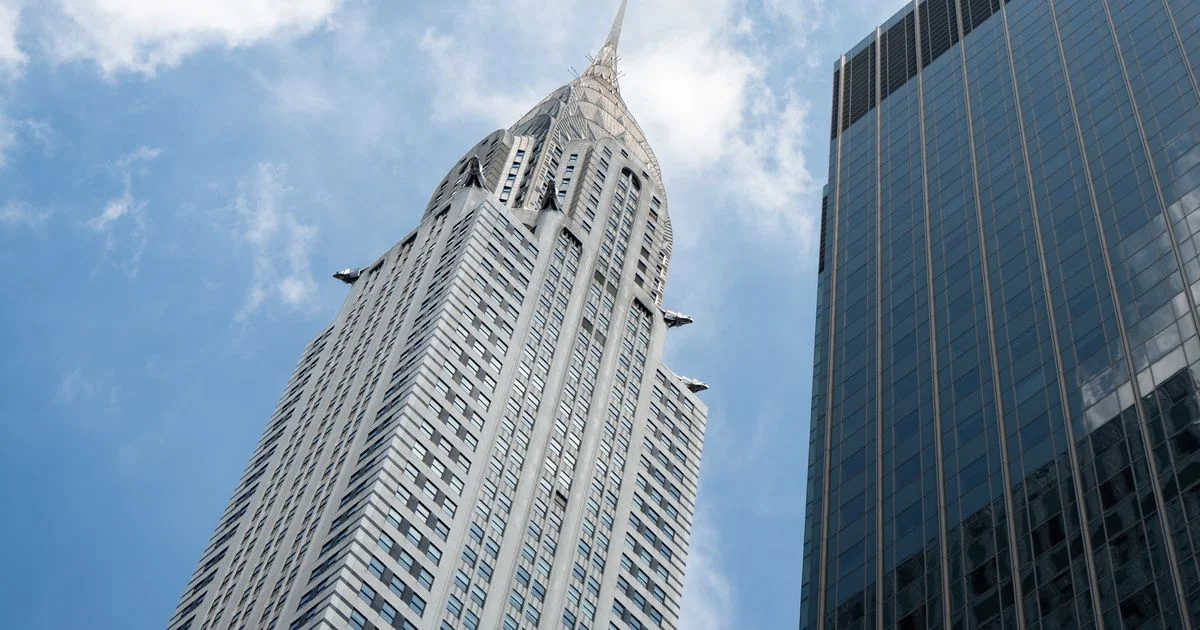
The Chrysler Building, an undisputed masterpiece of Art Deco architecture and perhaps the most recognizable silhouette in the New York City skyline, is entering a new chapter. In a significant shake-up for the Manhattan real estate market, Tishman Speyer has finalized a deal to acquire the ground lease for the legendary tower. The move marks a return to the property for the real estate giant, which previously owned and managed the skyscraper during a period of successful revitalization in the late 1990s and early 2000s.
For a building that has suffered from a series of ownership instabilities, high-profile foreclosures, and the shifting demands of the post-pandemic office landscape, this acquisition is widely viewed as a "flight to quality." As competitors like One Vanderbilt and 425 Park Avenue raise the standard for what a Class-A office space in Midtown East should offer, the Chrysler Building—long considered a "tired" asset—is finally poised for a comprehensive restoration.
A Chronology of Ownership and Volatility
The history of the Chrysler Building is one of architectural triumph tempered by commercial turbulence. Completed in 1930, it was briefly the tallest building in the world before being surpassed by the Empire State Building. However, its modern history has been defined by a revolving door of ownership and fluctuating valuations.
- 1997–2008: The Tishman Speyer Era. Tishman Speyer first purchased the property for approximately $220 million. During this tenure, the firm executed a series of high-profile renovations, including the restoration of the building’s iconic lobby and the modernization of select infrastructure. They exited the investment in 2008, selling the leasehold in a deal that valued the building at $800 million.
- 2019: The Aby Rosen Acquisition. RFR Holding, led by Aby Rosen, purchased the building for a remarkably low $150 million. The deal was widely scrutinized due to the building’s complex ground-lease structure and the looming costs of mandatory infrastructure upgrades.
- 2026: The Foreclosure and Re-acquisition. Following the pandemic-induced decline in office demand, RFR’s plans to reposition the asset stalled. In January 2026, the building fell into foreclosure. Tishman Speyer, partnering with the Canadian public pension fund PSP Investments, has now stepped back in, signaling a strategic intent to stabilize the property once and for all.
The Financial Mechanics: A Ground Lease Conundrum
To understand the challenges facing Tishman Speyer, one must look at the unique legal structure of the site. The Chrysler Building does not own the land it sits on; that land is owned by The Cooper Union for the Advancement of Science and Art.
The ground lease has historically been a point of extreme financial pressure for the building’s owners. In 2018, the ground rent saw an astronomical jump from $7.75 million to $32.5 million. Projections suggest this figure could climb to $42 million by 2028 and upwards of $55 million by 2038.
These escalating costs make the building a difficult asset to turn a profit on unless the building is fully modernized to command premium rents. Cooper Union, for its part, has utilized the revenue from this lease to support its mission of providing tuition scholarships, making the partnership a vital, albeit high-stakes, financial arrangement for the college. Tishman Speyer’s commitment to the property suggests a long-term strategy designed to withstand these aggressive rent escalations through increased efficiency and high-end tenant attraction.
The Restoration Strategy: Blending History with Modernity
Tishman Speyer is not entering this project blindly. Having spent the last several years successfully "zhuzhing up" Rockefeller Center, the firm is applying a similar playbook to the Chrysler Building. The goal is to move beyond the aesthetic charm of the gargoyles and sunburst spire to create a functional, modern workplace.
Revitalizing the Lower Concourse
One of the most anticipated aspects of the renovation is the reactivation of the lower-level concourse. Years ago, this space was stripped of its small, character-filled mom-and-pop shops—barbershops and shoe repair services—in anticipation of a redevelopment that never materialized. Tishman plans to convert this area into a hub for "fitness, wellness, and meeting spaces," essential amenities for retaining top-tier corporate tenants in a competitive market.
The 61st Floor Tenants’ Club
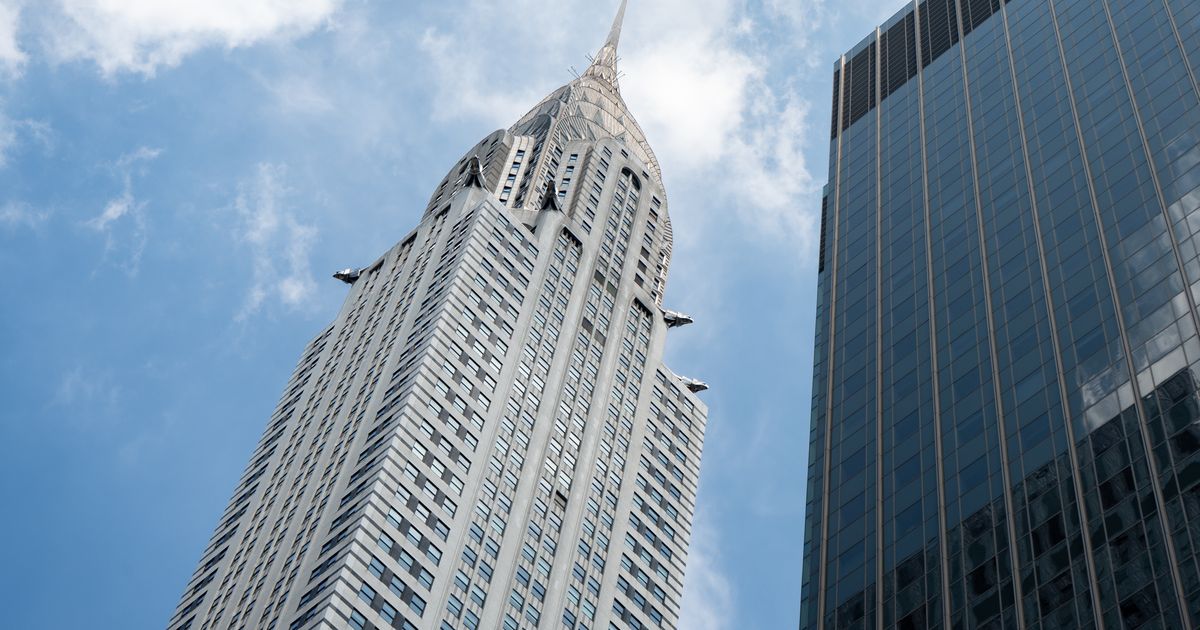
History and luxury are set to collide on the 61st floor. Historically the home of the private, exclusive "Cloud Club"—a legendary watering hole for titans of industry in the mid-20th century—this floor also famously served as the studio for photographer Margaret Bourke-White, who once kept two pet alligators in her office. Tishman intends to convert this space into an exclusive club for building tenants, effectively creating a modern-day iteration of the Cloud Club that leans into the building’s glamorous heritage.
The Competitive Landscape of Midtown East
The Chrysler Building sits in the heart of a rapidly evolving district. The completion of One Vanderbilt, 270 Park Avenue, and 425 Park Avenue has created a "New Midtown" that features state-of-the-art climate control, massive floor plates, and cutting-edge sustainability ratings.
In this environment, an aging tower with inefficient infrastructure faces an existential threat. Tishman Speyer’s investment—reported as a $235 million capital injection—must be used not just for surface-level aesthetics, but for the "invisible" work: HVAC modernization, digital connectivity, and high-speed elevator upgrades.
Interestingly, the acquisition comes at a time when Tishman Speyer is attempting to divest from other nearby assets, including the property at 666 Third Avenue. This suggests a laser-focus on high-value, trophy assets that can anchor their portfolio in a post-remote-work world.
Implications for New York City Real Estate
The return of Tishman Speyer to the Chrysler Building is a bellwether for the Manhattan office market. It suggests that institutional investors are beginning to move past the initial shock of the 2020–2025 market slump and are instead looking for "distressed trophy" assets.
If the firm can successfully bridge the gap between the building’s 1930s charm and 2030s demands, it will prove that the classic skyscraper is not obsolete, provided it is managed with the right capital and vision. However, the success of this project remains tethered to the broader health of the financial services and legal sectors, which are the traditional occupants of such high-prestige towers.
For the public, the preservation of the Chrysler Building’s identity is the primary concern. By investing in the concourse and the upper-level amenities, Tishman is signaling that it understands the building’s value lies not just in its floor area, but in its status as a global icon.
As the scaffolding inevitably goes up and the restoration begins, New Yorkers will be watching closely. The Chrysler Building has survived the Great Depression, the rise of the suburbs, and the digital revolution. Under this new, more experienced stewardship, it seems determined to remain the crown jewel of the New York skyline for decades to come.
