

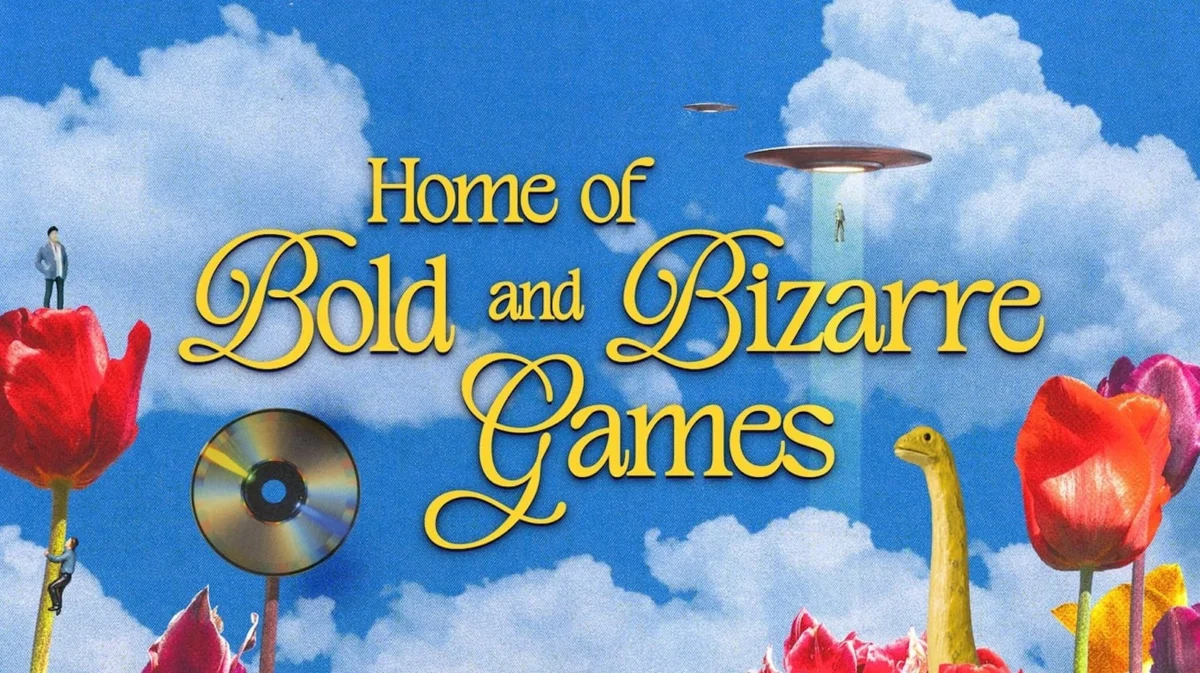
The landscape of digital game distribution is undergoing a seismic shift. While giants like Microsoft’s Xbox Game Pass and Sony’s PlayStation Plus dominate the narrative with blockbuster releases and multi-billion dollar acquisitions, a boutique publisher is charting a decidedly different course. Pantaloon, the curator-turned-publisher that built its reputation on a foundation of community engagement and cryptic puzzles, has officially launched "The Playbill"—a subscription service dedicated exclusively to what its founder, Jamin Smith, describes as "bold and bizarre" indie titles.
In an industry currently obsessed with the efficiency of generative AI and the consolidation of massive AAA studios, The Playbill stands as a defiant outlier. It is not merely a platform for content; it is a manifesto for the human element of game development.
The Core Offering: A Haven for the Experimental
The Playbill functions similarly to established subscription models but operates with a drastically different philosophical compass. At its launch, the service hosts a curated collection of titles that prioritize unique mechanical loops and unconventional storytelling over mass-market appeal.
The initial lineup includes a blend of external third-party titles and internal Pantaloon projects. Players can expect to find games such as the high-stakes Buckshot Roulette, the atmospheric Silt, the visceral Ex Sanguis, and the evocative Cabin Factory. These are joined by Pantaloon’s proprietary stable of titles: Sub-Verge, Occlude, It Takes a War, Boxroom, Rolla, and the critically lauded music creation simulator Offbeat.
Perhaps most enticing for the enthusiast is the "Green Room," a dedicated section of the platform that pulls back the curtain on the development process. Here, subscribers gain access to demos, early-stage playtests, and, most intriguingly, "abandoned prototypes." This section features works-in-progress like Isle Goblin, Mr. Magpie’s Harmless Card Game, and Lemonade Apocalypse, providing a rare glimpse into the iterative nature of indie design.
Chronology: From Newsletter Puzzles to Publishing Powerhouse
The emergence of The Playbill is the culmination of a years-long evolutionary process. Pantaloon did not arrive in the publishing space overnight; it grew out of a highly engaged community of over 50,000 newsletter subscribers.
Historically, the company built its brand by gamifying the acquisition process. Subscribers were encouraged to solve intricate puzzles to earn game keys, creating a culture of active participation rather than passive consumption. This unique bridge between the audience and the curator laid the groundwork for a subscription model that feels less like a corporate service and more like a community clubhouse.
By transitioning into full-scale publishing, Pantaloon has effectively closed the loop. The service is now the primary home for its internal projects, offering day-one access to its releases—a policy that mirrors the "first-party day-one" promise of larger subscription giants. With the upcoming release of Virtue: Prologue, a visual novella that acts as a companion to the highly anticipated Virtue and a Sledgehammer, Pantaloon is testing the power of exclusivity in the indie market.
The Human-First Mandate: A Stand Against Generative AI
Perhaps the most significant aspect of The Playbill’s launch is its explicit ethical boundary. In an era where many developers are rushing to integrate generative AI into their pipelines to reduce costs, Pantaloon has taken a hardline stance.
"It’s also worth stating that we won’t feature or platform any games that use genAI in any form," Jamin Smith stated during the service’s unveiling. "The Playbill is a celebration of the craft of making games."
This is not merely a marketing gimmick; it is a fundamental pillar of the company’s identity. By rejecting generative AI, Pantaloon is positioning itself as a "safe harbor" for developers who value traditional craftsmanship. This creates a clear point of differentiation in a market where players are increasingly wary of AI-generated assets, voice acting, and procedural writing, which many argue strip the "soul" from creative works.
Supporting Data: Subscription Tiers and Economic Mechanics
The Playbill utilizes a key-based distribution system, which introduces a layer of scarcity that is uncommon in modern digital services. Because the service relies on specific keys provided by developers, the inventory is dynamic.
- Pricing Structure: The "Primo" subscription is priced at $5 per month or $60 per year.
- Annual Benefits: Subscribers opting for the annual plan receive immediate access to the entire initial library of 13 games, plus all incoming titles.
- Monthly Constraints: Monthly subscribers are granted one "guaranteed" game per month. To prevent "churn and burn" behavior—where a user might subscribe for one month to harvest the entire library and then cancel—Pantaloon has implemented a six-month loyalty requirement. Once a user has maintained a subscription for six consecutive months, they unlock access to the full catalog.
This model is a calculated risk. By limiting immediate access for monthly users, Pantaloon is incentivizing long-term engagement and community building, ensuring that the service remains economically viable for the smaller developers whose games are featured.
Implications for the Indie Ecosystem
The launch of The Playbill carries several profound implications for the independent gaming sector:
1. Countering Algorithmic Erasure
One of the primary complaints regarding modern storefronts like Steam is the dominance of "market-shaping algorithms." These systems tend to highlight games that already have traction, burying obscure or experimental projects. By creating a curated, subscription-based environment, Pantaloon is bypassing these algorithms entirely, giving niche titles a dedicated audience that might never have found them otherwise.
2. A New Model for Mid-Tier Indie Publishing
Pantaloon’s success—or failure—will serve as a case study for mid-tier indie publishers. If a $5-per-month service can provide enough revenue to sustain developers while maintaining a curated, human-crafted library, it could spark a wave of similar "boutique" services. This would diversify the gaming landscape, moving it away from the "winner-takes-all" dynamic of massive platform holders.
3. Ethical Branding as a Competitive Advantage
By explicitly banning AI, Pantaloon is courting a specific demographic: the "pro-human" gamer. As public discourse around AI in the arts continues to intensify, brands that take a clear, ethical stance are likely to see increased loyalty. This branding strategy transforms the act of subscribing from a mere transaction into a statement of support for human labor and creative intent.
Conclusion: The Future of the "Playbill"
As Jamin Smith noted, the goal of The Playbill is to be a celebration of the eccentric. In a market where everything is being squeezed into the mold of "engagement metrics" and "live service" requirements, Pantaloon’s project feels refreshingly archaic—even if it is delivered through a modern subscription platform.
The success of this venture will depend heavily on the quality of its curation. If the games continue to surprise and delight, and if the "Green Room" can successfully foster a sense of shared discovery between players and developers, The Playbill could become a vital organ of the indie gaming world. It proves that there is still a market for the weird, the human-made, and the deliberately non-algorithmic. Whether it can scale that vision without losing its identity remains the central question for the months ahead. For now, however, it stands as a bold reminder that in the world of gaming, the "bizarre" is often where the most important innovation happens.
