

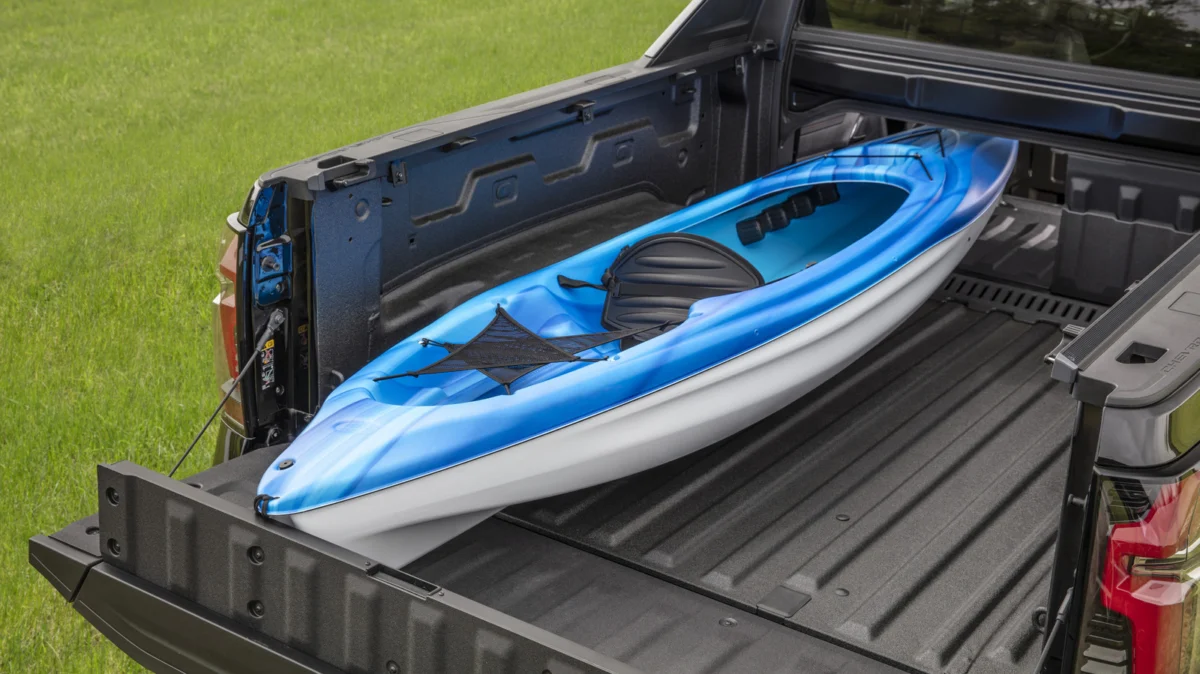
Pickups are the workhorses of the modern world. Whether navigating the rugged trails of the American West, hauling construction materials through the dense traffic of Southeast Asian cities, or serving as a versatile lifestyle vehicle in Europe, the pickup truck remains an automotive icon of utility. Yet, regardless of the brand, size, or region of manufacture, there is one design feature that remains almost universal: the corrugated, ridged floor of the cargo bed.
To the casual observer, these ridges might seem like a mere stylistic choice—a way to add a bit of visual flair to an otherwise utilitarian space. However, automotive engineers view these grooves through a lens of physics, material science, and structural integrity. These ridges are, in fact, a masterclass in efficiency, serving as the unsung heroes of heavy-duty transportation.
The Structural Backbone: Why Flat Floors Fail
The primary reason for the presence of these ridges is rooted in the fundamental laws of structural engineering. If a pickup truck bed were constructed from a single, flat sheet of steel or aluminum, it would be catastrophically prone to failure.
The Physics of Bending Resistance
In structural design, the "moment of inertia" is a key concept. A flat sheet of metal, regardless of its thickness, is relatively easy to bend. If you place a heavy load on a flat bed, the metal would sag, buckle, or deform permanently under the weight. By stamping longitudinal ridges—often called "ribs"—into the sheet metal, engineers transform a flexible plane into a rigid structure.
These ridges act as stiffeners. By increasing the depth of the cross-section, the design significantly enhances the "bending stiffness" of the floor. This allows manufacturers to utilize thinner, lighter-gauge materials while achieving a strength-to-weight ratio that a flat floor could never replicate. The result is a bed that can withstand the crushing weight of gravel, lumber, or heavy machinery without adding unnecessary mass to the vehicle—a critical factor in modern automotive design, where every pound impacts fuel efficiency and payload capacity.
The Evolution of Corrugation
The principle of corrugation is not unique to the automotive industry. It is a concept that has been applied for centuries to increase the strength of materials. From the corrugated iron roofs of industrial buildings to the structural integrity of a cardboard box, the geometry of waves or ridges provides superior resistance to compression and bending.
In the automotive world, this philosophy extends beyond the bed floor. Designers frequently incorporate character lines, creases, and stamped patterns into door panels, hoods, and roofs. These are not merely for aesthetics; they are functional ribs that prevent body panels from "oil-canning"—the annoying, rhythmic popping sound a thin sheet of metal makes when it flexes under wind pressure or vibration. The Citroën H-Type van, introduced in the late 1940s, remains the most famous example of this, featuring a fully corrugated body that prioritized strength and simplicity over traditional smooth panels.
Chronology of Utility: From Simple Steel to Modern Composites
The history of the pickup bed is a history of evolving material science. In the early 20th century, pickup beds were largely wooden, which offered its own form of natural "give." As the industry shifted toward steel to handle heavier, more commercial loads, the need for reinforcement became apparent.
Early Stamping Techniques
As mass production techniques improved in the 1950s and 60s, the "stamped steel bed" became the industry standard. This era solidified the ridge design as the dominant architecture. Manufacturers discovered that these ribs did more than just provide strength; they provided a "path of least resistance" for the assembly line, allowing for easier forming of the steel sheets.
The Transition to Aluminum and Composites
With the turn of the 21st century, the push for lighter vehicles led to the widespread adoption of aluminum and advanced composite beds. Even with these modern materials, the ridge design persists.
For instance, the Ford F-150’s transition to an aluminum body necessitated a rethinking of the bed’s construction to ensure it could still withstand the same abuse as its steel predecessors. The ridges in these modern aluminum beds are engineered with precise profiles to maximize rigidity while compensating for the different material properties of aluminum compared to steel. Meanwhile, manufacturers like Toyota and General Motors have experimented with sheet-molded compound (SMC) or carbon-fiber-reinforced beds. Even in these non-metallic materials, the molded-in ribbing remains, proving that the structural necessity of the ridge transcends the material itself.
Water, Debris, and Cargo Stability: The Daily Grind
Beyond the structural benefits, the ridge design offers immediate, practical advantages for the end user. Anyone who has ever used a truck for its intended purpose understands the frustration of managing dirt, moisture, and shifting loads.
Drainage and Debris Management
An exposed truck bed is a magnet for the elements. Rain, snow, and debris are inevitable. A flat bed would act like a swimming pool, trapping water and leading to accelerated corrosion (in steel beds) or simply creating a slippery, hazardous surface.
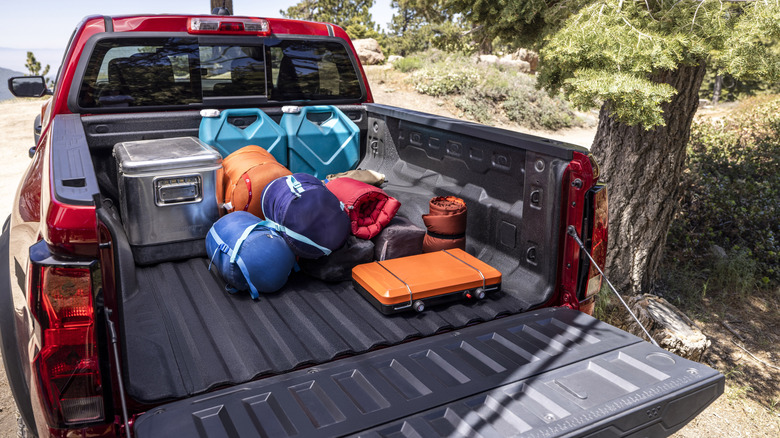
The ridges act as a built-in drainage system. When it rains, water flows into the "valleys" of the ridges, which are intentionally angled toward drainage points at the front or rear of the bed. Similarly, sand, gravel, and dirt fall into these grooves. This prevents the cargo itself from sitting in a puddle or being ground into the floor by the weight of boxes or machinery. By keeping the load slightly elevated on the "peaks" of the ridges, the design protects the cargo and makes cleaning the bed as simple as using a pressure washer to flush out the valleys.
Loading and Unloading Efficiency
There is also a physical benefit during the loading process. Because the cargo only makes contact with the peaks of the ridges, the friction surface area is significantly reduced. This allows for easier sliding of heavy items. Imagine trying to slide a heavy wooden crate across a flat, sticky rubber surface versus sliding it across the raised metal ribs of a truck bed; the ridges act almost like a track, making the physical labor of moving heavy goods much more manageable for the operator.
Directional Stability: Keeping Your Load Secure
One of the most overlooked aspects of the ridged design is its role in "directional restraint." When a truck turns, accelerates, or brakes, inertia forces cargo to slide. The ridges act as a series of physical barriers that prevent lateral movement.
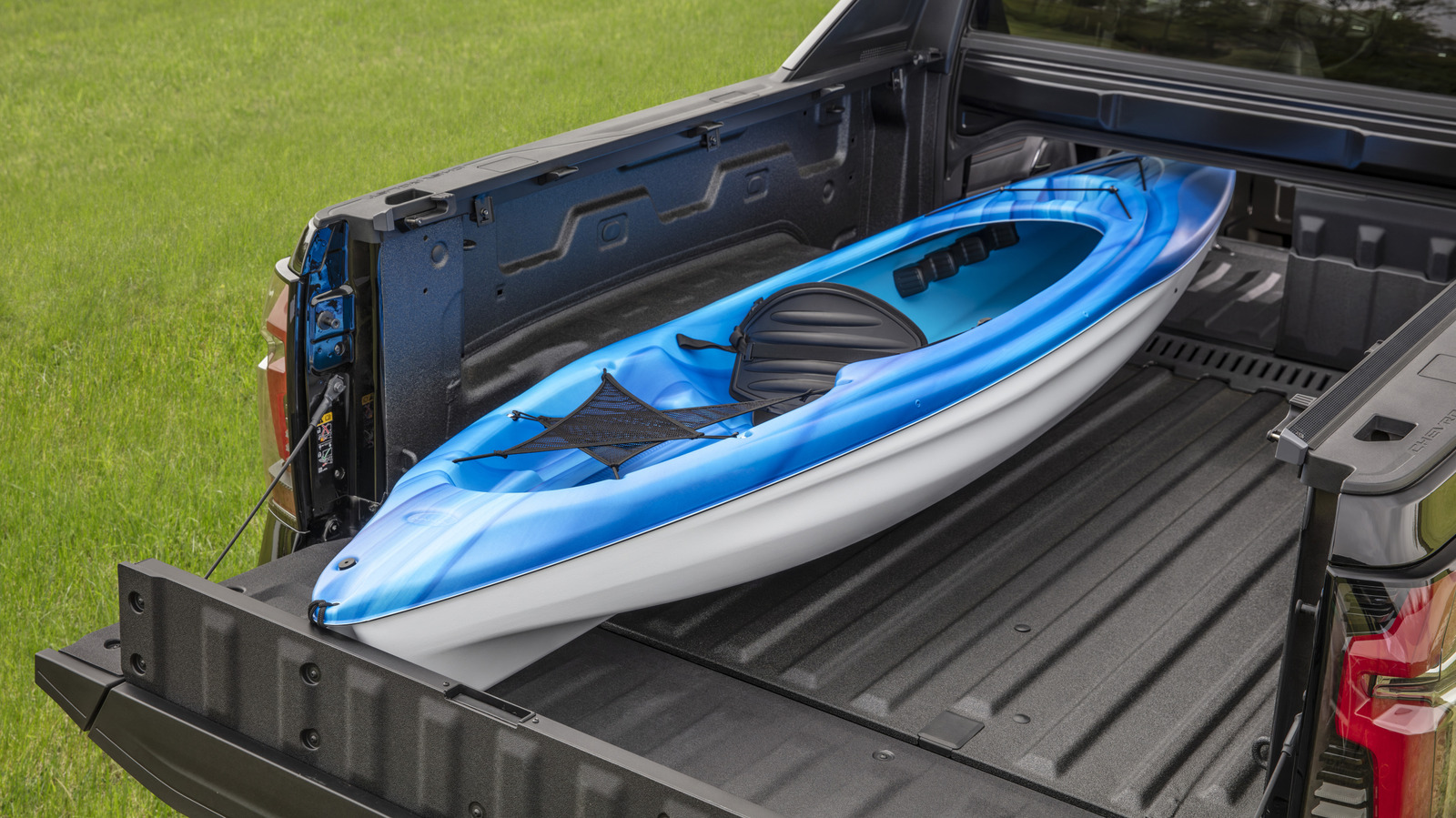
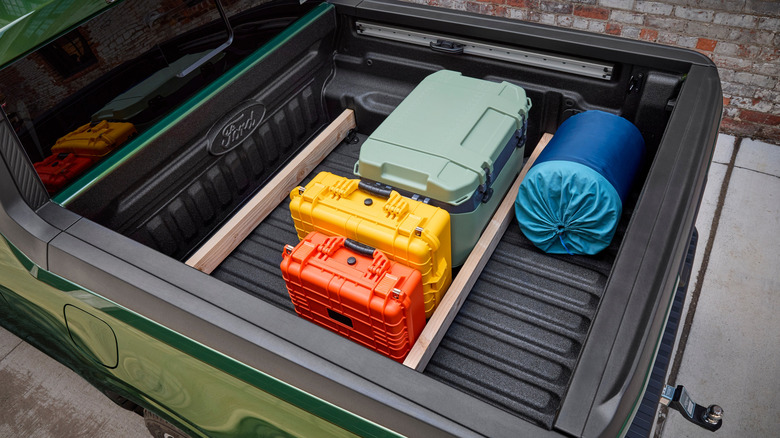
Bicycle tires, for example, fit perfectly into the grooves, providing a natural cradle that prevents the bike from tipping over during a turn. Similarly, long items like surfboards, PVC pipes, or wooden planks find a natural alignment within these valleys. This inherent stability has spurred an entire industry of "cargo management solutions." Modern trucks now feature factory-installed rail systems, tie-down cleats, and bed dividers that are specifically engineered to lock into these ridges. These accessories utilize the valleys as anchor points, allowing users to customize their bed configuration to suit everything from groceries to heavy-duty professional equipment.
Official Perspectives and Industry Implications
Automotive engineers at major manufacturers—from the heavy-duty segment at Ford and Ram to the compact segment dominated by the Toyota Hilux and Ford Maverick—consistently cite the "ribbed geometry" as a core component of their vehicle development.
The Case of the Tesla Cybertruck
Interestingly, the Tesla Cybertruck serves as the exception that proves the rule. By utilizing a flat-paneled, stainless-steel exoskeleton, the Cybertruck avoids the traditional stamped-rib look. However, even in this radical design, the bed floor still utilizes specific structural reinforcement strategies. The industry watches such departures with interest, but for the vast majority of pickups globally, the corrugated floor remains the gold standard.
Implications for Future Design
As we move toward a future of electric pickups, the design of the bed is becoming even more critical. With the addition of "frunks" (front trunks) and integrated power outlets, the cargo bed is evolving into a mobile utility hub. Engineers are now looking at ways to integrate wiring and cooling systems directly into the structure of the bed, potentially using the valleys of the ridges as conduits for cabling or airflow.
Conclusion
The humble ridge in your pickup truck bed is far more than a simple aesthetic choice or a remnant of old-school manufacturing. It is a sophisticated piece of engineering that solves multiple problems simultaneously: it creates structural rigidity from thin materials, manages drainage and debris, facilitates easier loading, and provides a stable foundation for the tools and toys that define the pickup truck lifestyle.
Next time you load up your truck, take a moment to look down at those grooves. They are a testament to the idea that in automotive design, the most effective solutions are often those that work in harmony with the laws of physics, proving that sometimes, the simplest design is truly the most brilliant.
