

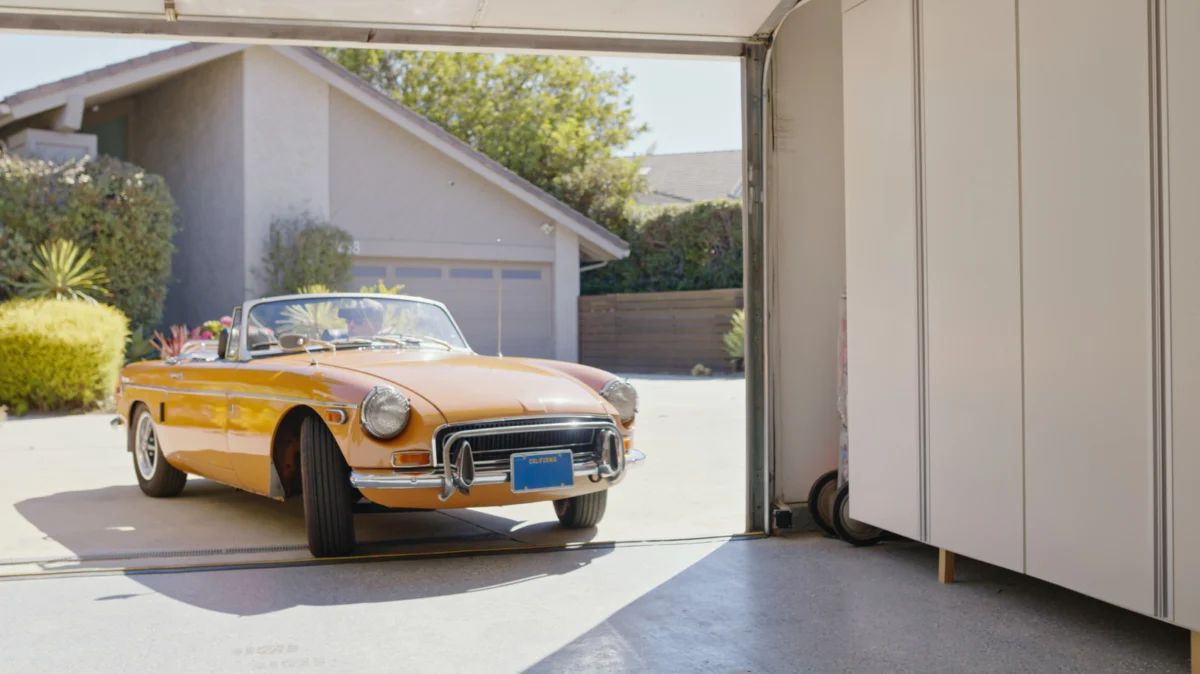
For decades, the American garage has served as a cultural touchstone—a space that exists somewhere between the utility of a warehouse and the sanctity of a workshop. It is the place where teenagers learn to drive, where weekend warriors restore forgotten classics, and where, according to a 2022 survey by Craftsman, the majority of the nation’s clutter goes to die.
Recent data paints a striking picture of the American home: approximately 36% of homeowners admit their garages are so inundated with personal effects that they cannot park a single vehicle inside. Furthermore, 62% of respondents identified the garage as the most cluttered, unorganized space in their entire residence. Yet, for a specific subset of the population—automotive enthusiasts—the garage remains a sacred temple dedicated to the preservation of internal combustion.
To better understand this dichotomy, we surveyed the Jalopnik readership. While the national average suggests a trend toward storage-unit-style neglect, the enthusiast community paints a far more mechanical, albeit eclectic, picture.
The State of the Union: Why We Keep Our Cars Outside
Before examining the treasures hidden behind closed doors, we must address the "why." Why do so many Americans surrender their premium real estate to cardboard boxes and forgotten holiday decorations?
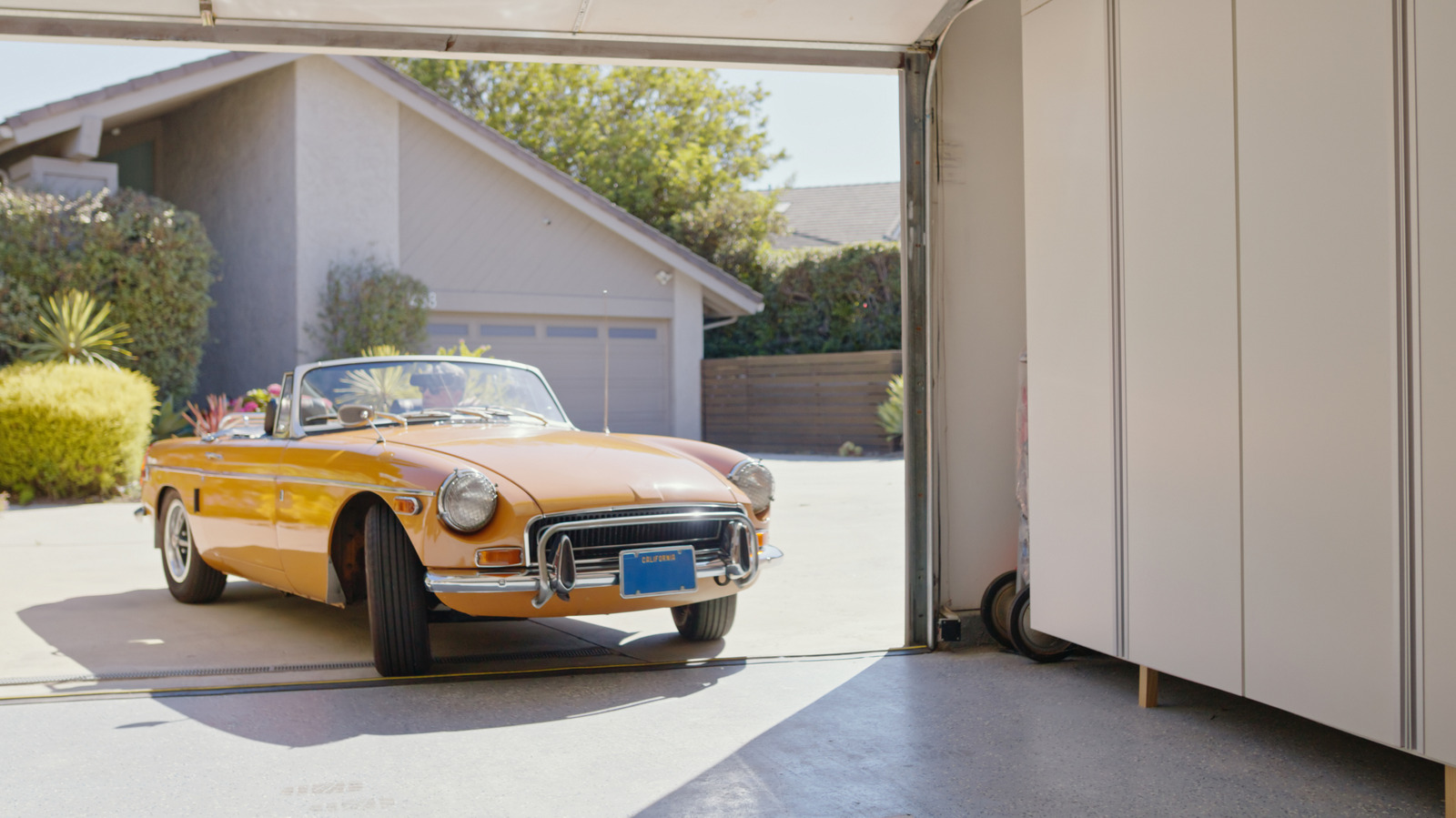
The shift is largely psychological. As houses have evolved to include more living space, the garage has been demoted from a vehicle shelter to a "catch-all" zone. For the average suburbanite, the garage is the path of least resistance—a place to deposit items that haven’t yet been assigned a permanent home.
For the automotive enthusiast, however, the garage is non-negotiable. Whether it is shielding a vintage Porsche from road salt or providing a temperature-controlled environment for a modern electric vehicle, the garage is an extension of the vehicle’s maintenance program. As one reader noted, the irony of storing $500 worth of household junk while leaving a $60,000 automobile to weather the elements is, quite frankly, a structural failure of priorities.
The Mechanical Sanctuary: A Taxonomy of Garage Contents
When we opened the floor to our readers, the responses varied from the pristine, minimalist two-car garage to the "project-heavy" workshop that would make a professional mechanic blush. We have categorized these findings into three primary archetypes: The Daily Driver Sanctuary, The Perpetual Project, and The "Other" Stuff.
The Daily Driver Sanctuary
For those who treat their vehicle as a daily companion, the garage is a functional necessity. Take, for instance, the owner of a 2023 Ford Mach-E who maintains a clean, organized two-car space that manages to house both the electric vehicle and a comprehensive workbench. This represents the "Goldilocks" garage: a balance of utility and automotive preservation.
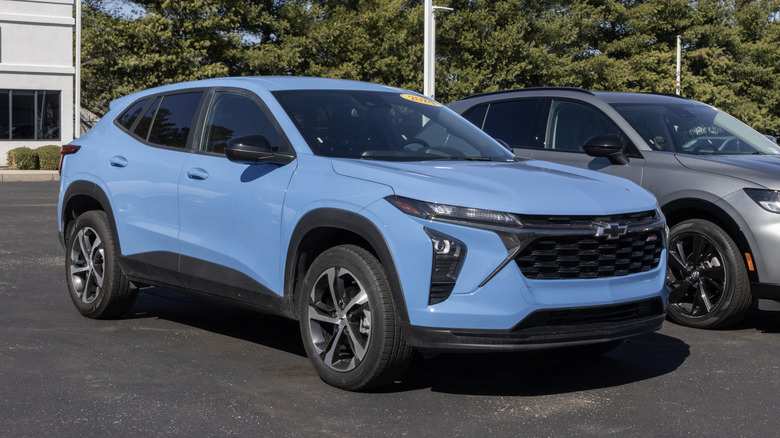
However, the spectrum is wide. We encountered readers with high-performance fleets—including McLaren 720s, BMW M4s, and Rivian R1S models—all sharing space with the humble, yet beloved, Chevrolet Trax. This highlights a universal truth among gearheads: regardless of the vehicle’s price tag, the desire to protect one’s investment remains the primary motivator for keeping the garage floor clear.
The Perpetual Project: Where Dreams (and Headaches) Reside
If the Daily Driver garage is a sanctuary, the Project Garage is an operating theater. Here, the vehicles are rarely pristine; they are in states of disassembly, waiting for the "right" part or the "right" amount of motivation.
- The 996 Porsche Factor: Several readers highlighted the legendary 996-generation Porsche 911 as a centerpiece of their garage lives. These cars represent a specific type of joy—the satisfaction of keeping a complex, sometimes temperamental machine on the road.
- The Motorcycle Collection: One reader’s inventory reads like a historical museum of two-wheeled engineering, ranging from a 1952 Vincent Rapide to a 2024 Triumph Tiger. This underscores that for many, the garage is not just about the car, but about the mechanical history of transportation.
- The Personal Connection: Perhaps the most compelling project stories involve vehicles with deep emotional ties. We heard from a reader who rescued a 1970 Rolls Royce Silver Shadow that had been part of their wedding day. While it sits in need of mechanical resurrection, its value is entirely independent of its current running condition.
The "Other" Stuff: The Reality of Modern Storage
Not every garage is a temple to speed. Many serve as the true back-of-house for a modern life. We found that the contents of these spaces are as diverse as the readers themselves:
- The Beer Fridge: A constant, almost universal element of the enthusiast garage. Whether it’s an old refrigerator repurposed from the kitchen or a dedicated unit, it serves as the essential refueling station for long nights of wrenching.
- The "One Day" Pile: Many readers admitted to storing wood-shop equipment, old stereo systems from the 1990s, and, inevitably, a stack of Amazon boxes.
- The Bizarre: From deer skulls and hunting equipment to a collection of seven bicycles and two kayaks, the garage often becomes a testament to the hobbies that don’t fit inside the living room.
Implications: The Psychological Value of the Garage
What does this tell us about the American relationship with space? The garage is arguably the most flexible room in the house. When properly utilized, it acts as a stress-relief valve. The act of "tinkering"—whether it’s cleaning a carburetor on a 2003 Triumph Speedmaster or organizing a 72-inch roll-away tool chest—provides a tactile, productive contrast to the increasingly digital nature of modern work.
The frustration expressed by readers who deal with hoarders or inherited "clutter" from previous owners is palpable. A garage filled with garbage is not just a wasted space; it is a mental burden. Conversely, a garage that houses a project car or a well-maintained daily driver provides a sense of accomplishment.
Conclusion: Reclaiming the Space
If you are among the 36% who cannot park in your garage, the consensus among the automotive community is simple: it is time for a purge. Whether you adopt the "n+1" rule for tools or decide that the 1992 Kenwood stereo system has finally seen its last day, the benefits of reclaiming your garage are twofold. You gain a protected space for your vehicle, and you create a dedicated zone for your own personal growth and hobbies.
The garage is more than just a box for your car; it is a reflection of your priorities. As we continue to navigate the complexities of modern life, the ability to retreat to a well-organized, well-equipped garage remains one of the most rewarding luxuries available.
Join the Conversation: What is currently occupying your garage floor space? Are you a purist who demands space for your vehicle, or are you currently battling an overflow of household items? Let us know in the comments below.
