

In the modern culinary landscape, the definition of a "home-cooked meal" is shifting. As inflation continues to impact grocery bills and the cost of dining out reaches record highs, consumers are increasingly turning to the frozen food aisle not just for convenience, but for genuine, high-quality alternatives to restaurant delivery. Leading this charge is Walmart’s private label, "Great Value," which has quietly undergone a metamorphosis, evolving from a budget-friendly staple into a brand that shoppers claim rivals—and occasionally outshines—both premium name brands and local takeout joints.
This shift in consumer behavior is supported by a surge in positive sentiment across online forums and Walmart’s own review platforms. From comfort food classics like lasagna and stuffed peppers to nuanced international options like soup dumplings, the Great Value line is proving that quality does not always require a premium price tag.
The Evolution of the Frozen Meal
For decades, frozen dinners were relegated to the "emergency meal" category—bland, sodium-heavy, and lacking the texture of fresh food. However, advancements in flash-freezing technology and improved recipe formulation have allowed major retailers to bridge the gap between "fast food" and "home-style cooking."
Walmart’s strategy has been two-fold: leveraging its massive supply chain to maintain affordability while simultaneously refining its flavor profiles to meet the changing palates of modern shoppers. By focusing on popular comfort foods, the retailer has managed to secure a loyal following of busy professionals, budget-conscious families, and students who demand both efficiency and taste.
Seven Standout Selections: What Shoppers Are Saying
The following items have emerged as the "gold standard" within the Great Value frozen lineup, consistently earning top marks from consumers for their taste, texture, and value proposition.
1. Great Value Spaghetti with Meat Sauce
Often the benchmark for any frozen food brand, the Great Value Spaghetti with Meat Sauce has earned a reputation for being an unexpectedly high-quality "one-person" meal. Unlike larger, watered-down versions found elsewhere, shoppers praise this entrée for its balanced sauce-to-pasta ratio.
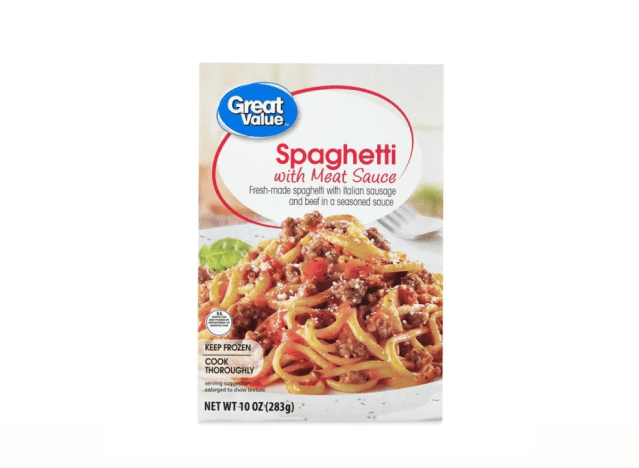
- Shopper Insight: Many fans note that with a simple dusting of parmesan and a crack of black pepper, the dish feels like a legitimate home-cooked meal. Its popularity is evident in repeat purchases, with many customers noting that it has become a staple for quick, solo weeknight dinners.
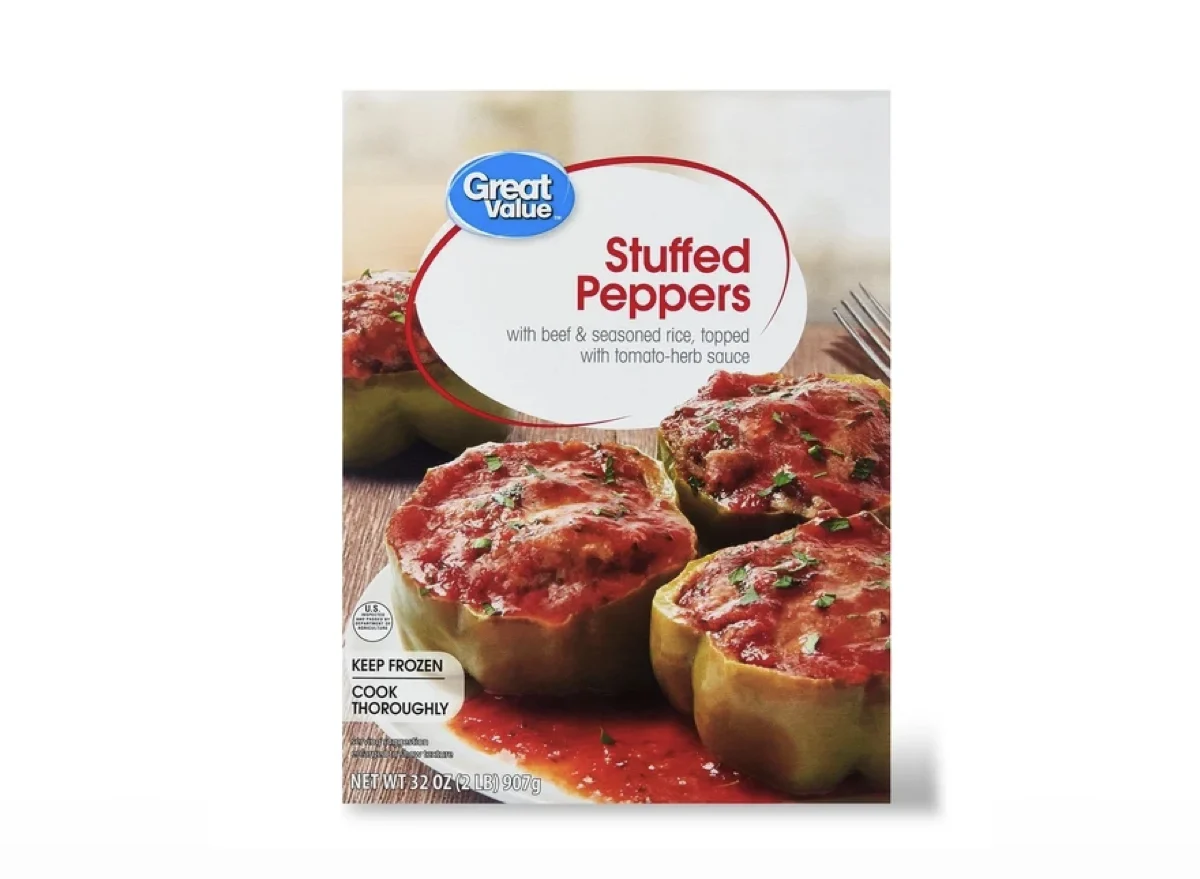
2. Great Value Stuffed Peppers
Nostalgia is a powerful driver in food preferences, and the Great Value Stuffed Peppers have successfully tapped into the "grandmother’s kitchen" aesthetic. These peppers are filled with a hearty meatloaf-style mixture that avoids the rubbery texture often associated with frozen bell peppers.
- The Appeal: The labor-intensive nature of making stuffed peppers from scratch makes this product a standout. Consumers appreciate the convenience of a meal that requires zero prep time but delivers the complex, savory profile of a slow-cooked traditional dish.
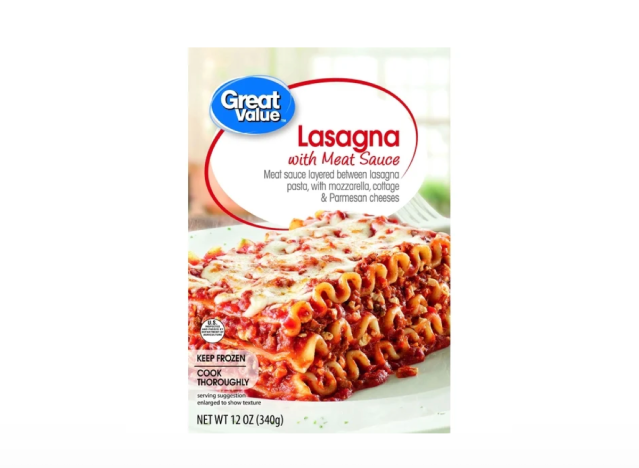
3. Great Value Italian-Style Lasagna with Meat Sauce
Perhaps the most surprising entry on the list is the Italian-Style Lasagna. In a crowded market dominated by established brands and even restaurant chains like Olive Garden, this item has gained a cult following.
- The Consensus: Reviewers have gone as far as to claim that the quality of the ricotta, the depth of the meat sauce, and the texture of the pasta surpass both premium national brands and casual dining establishment standards. It has become a go-to for those who want a large-format, family-style meal without the hours of oven time.
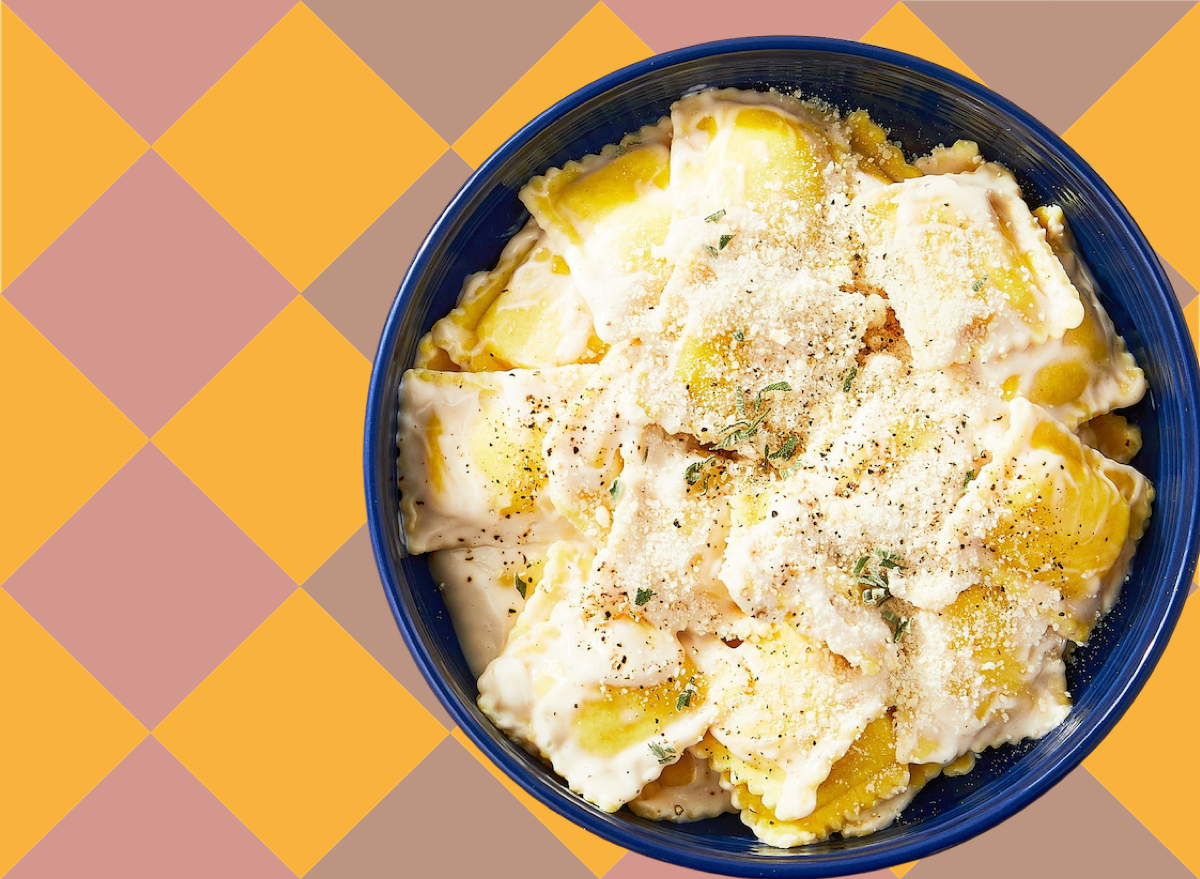
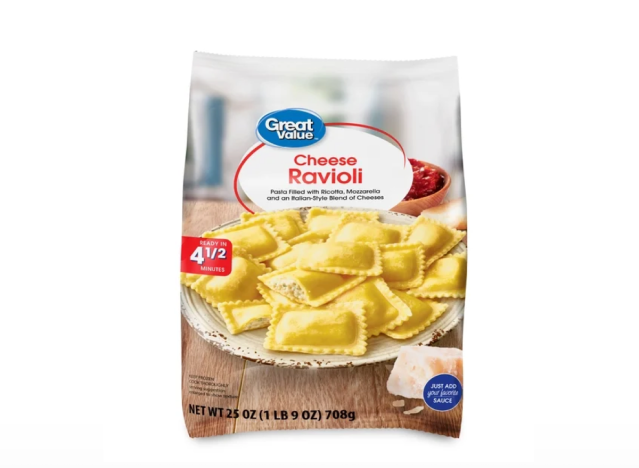
4. Great Value Cheese Ravioli
The versatility of the Great Value Cheese Ravioli makes it a pantry—or rather, freezer—essential. These pasta pockets, filled with a blend of mozzarella, ricotta, and Italian-style cheeses, maintain their integrity during the boiling process.
- Texture Matters: Unlike cheaper alternatives that turn to mush, these ravioli are noted for their tender dough and flavorful, creamy centers. Whether served as a side or a main course, they offer a consistent quality that shoppers find difficult to replicate at this price point.
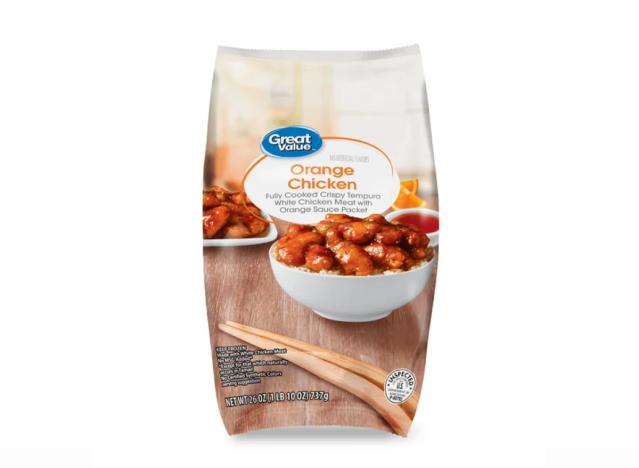
5. Great Value Orange Chicken
Takeout-style Asian cuisine is notoriously difficult to replicate in the freezer aisle, yet the Great Value Orange Chicken has managed to capture the market.
- The Air Fryer Effect: Many shoppers highlight that when prepared in an air fryer, the chicken achieves a level of crispiness that rivals a local takeout spot. By avoiding "mystery meat" chunks and providing a high-quality sauce, this product has become a staple for those seeking a quick, satisfying crunch.
6. Great Value Stuffed Shells Pasta
Stuffed shells are a notoriously difficult dish to execute at scale, yet Walmart’s version has garnered significant praise for its abundance of filling.
- Value Proposition: Fans of this dish specifically point to the generous portions of cheese and the rich, savory meat sauce as the reasons they choose this over name-brand competitors. It represents a "no-fail" option for a comforting, heavy dinner.
7. Great Value Chicken & Vegetable Steamed Soup Dumplings
Representing the modern demand for international cuisine, these dumplings are the fastest-growing favorite in the frozen aisle.
- The Verdict: While some users noted the lack of an included sauce, the quality of the dumplings themselves is frequently described as "10 times better" than some of the market-leading specialty brands. It reflects a sophisticated shift in the Great Value brand, proving they can handle delicate, soup-filled textures with precision.
Chronology of Quality: How We Got Here
The ascent of the Great Value label did not happen overnight. In the early 2010s, Walmart began a strategic overhaul of its food division, focusing on "private brand development." By investing in better ingredient sourcing and conducting rigorous blind taste tests, they moved away from the "cheap but bland" stigma.
By 2020, the onset of the pandemic accelerated this trend. As restaurants closed, families were forced to rely on grocery stores for all their needs. During this period, consumers became hyper-aware of value. They discovered that by choosing store brands, they could maintain their quality of life despite economic pressures. The resulting surge in sales allowed Walmart to reinvest in its supply chain, further improving the quality of their frozen offerings.
Supporting Data: The Economics of the Frozen Aisles
Market analysts note that the frozen food category is currently seeing a "premiumization" effect. According to recent industry reports, consumers are moving away from "cheap" processed foods and toward "value-driven" quality foods. Walmart’s data reflects this:
- Price Sensitivity: Despite the higher quality, these products remain significantly cheaper than restaurant delivery.
- Demographic Shift: Millennials and Gen Z are the primary drivers of the frozen food resurgence, often opting for "heat-and-eat" options that don’t sacrifice their dietary or taste standards.
- The "Takeout Replacement" Metric: In customer surveys, the most common metric for a "successful" frozen meal is whether the customer would consider it a viable alternative to ordering from a restaurant on a Friday night. Products like the Orange Chicken and Lasagna score exceptionally high on this metric.
Official Responses and Corporate Strategy
Walmart’s leadership has frequently cited their private brand strategy as a pillar of their business. In recent investor calls, executives have emphasized that "Great Value" is designed to be the "everyday answer" for customers.
"We are not just looking to sell products; we are looking to provide a solution to the busy, budget-conscious household," a representative noted in a previous statement regarding private label growth. "By controlling our own supply chain and working directly with manufacturers to refine recipes, we ensure that our quality remains competitive with, or superior to, national brands."
Implications for the Future
The success of these products has profound implications for both the retail and restaurant sectors.
- For Retailers: The pressure is on other supermarket chains to improve their private label offerings. Generic, low-quality store brands are no longer sufficient to retain a customer base that has experienced the high quality of Walmart’s current frozen lineup.
- For Restaurants: The "casual dining" segment faces a significant threat. If a consumer can get a comparable lasagna or orange chicken at a fraction of the cost—and with the convenience of not waiting for delivery—restaurants must pivot to offer experiences that cannot be replicated at home.
- For Consumers: The "frozen food stigma" is effectively dead. As the quality gap continues to shrink, the average home cook is finding that their freezer is not a place of compromise, but a pantry of convenience.
As Walmart continues to iterate on its Great Value line, the bar for frozen food will only rise. For the average shopper, this is a win-win: higher quality, lower prices, and the ultimate convenience of a "takeout-quality" dinner sitting right in the freezer, ready to be prepared in minutes.
