


Returning to a fitness regimen after a multi-year hiatus can be a daunting prospect for anyone, but for those over the age of 65, the physiological landscape has changed. The weights that once felt like a natural extension of your strength may now feel cumbersome, and the endurance you once took for granted might seem like a distant memory. However, experts emphasize that this is not a return to “square one.” Instead, it is an opportunity for your body to rediscover the process of adaptation.
As we age, the importance of resistance training—often called the "fountain of youth"—becomes paramount. It is the primary defense against sarcopenia (age-related muscle loss), bone density decline, and a loss of functional independence. Rebuilding this strength requires a shift in mindset: moving away from the "no pain, no gain" mentality of youth and toward a strategy of sustainability, consistency, and intelligent progression.
The Physiology of the "Layoff"
When you stop exercising for an extended period, your body undergoes a process of "detraining." Muscles atrophy, tendons lose a degree of elasticity, and neuromuscular pathways—the brain’s ability to communicate efficiently with muscle fibers—become less sharp.
However, the human body is remarkably resilient. Thanks to "muscle memory," the physiological structures that were built over decades of past activity do not disappear entirely. They remain dormant, waiting for the stimulus of resistance to reactivate. When you reintroduce controlled stress to your system, the body recognizes these pathways and begins to rebuild more efficiently than it would if you were starting as a total novice.
The Problem with Generic Group Classes
Many people returning to fitness flock to group gym classes for the social aspect and the structure they provide. While community is a powerful motivator, group settings often suffer from a "one-size-fits-all" limitation. A trainer leading 20 people simultaneously cannot provide the nuanced feedback or load-adjustment necessary for an individual navigating the specific needs of a body over 65.
For the returning athlete, the priority must be a clear, quantifiable challenge. By utilizing a personalized routine that allows for measurable progression, you can ensure that you are working at an intensity that triggers adaptation without overwhelming your recovery capacity.
The 5 Pillars of Rebuilding Strength
The following movements are designed to bypass the complexity of common gym exercises, focusing instead on fundamental patterns that improve daily quality of life.
1. The Wall Sit: Building Lower-Body Endurance
The wall sit is an isometric powerhouse. By holding a static position, you keep the quadriceps, glutes, and calves under constant tension without the complex mechanics of a weighted squat.
- Why it works: It is low-impact and incredibly easy to modulate. If your knees are sensitive, you can start with a higher angle (less depth) and gradually descend as your connective tissue strengthens.
- Execution: Lean your back firmly against a wall, sliding down until your knees are bent at a comfortable angle. Keep your weight in your heels.
- Progression: Once a 40-second hold feels routine, transition to weighted holds by placing a small dumbbell or a medicine ball on your thighs.
2. The Dumbbell Floor Press: Safe Upper-Body Loading
For those worried about shoulder stability or the range of motion required by a standard bench press, the floor press is the gold standard. The floor acts as a natural "stop," ensuring you never overextend your shoulders while providing a stable surface that protects the rotator cuff.
- Why it works: It isolates the chest, triceps, and shoulders, allowing you to build significant pressing strength without the risk of dropping a weight too deep.
- Execution: Lie flat on your back with your knees bent. Press the dumbbells up until your arms are fully extended, then lower until your triceps gently touch the floor.
- Progression: Move from a two-arm press to a single-arm floor press. This introduces a core stability element, as your midsection must work to keep your body from rotating.
3. The Kickstand Romanian Deadlift: Functional Posterior Strength
The posterior chain—the glutes, hamstrings, and lower back—is critical for posture and balance. The "kickstand" variation allows you to focus on a unilateral movement (one side at a time) without the daunting balance requirements of a single-leg deadlift.
- Why it works: By placing one foot slightly behind the other for "kickstand" support, you put the majority of the weight on the front leg, effectively strengthening the glutes while the back foot maintains your center of gravity.
- Execution: Hinge at the hips, keeping your back flat and your front knee slightly bent. Feel the stretch in the hamstrings, then return to standing by driving through the heel.
- Progression: Start with body weight to master the hinge pattern, then incorporate a single dumbbell held in the hand opposite the working leg to increase the load.
4. Standing Band Face Pull: Protecting the Shoulders
Posture often suffers as we age, with shoulders rolling forward due to desk work or general muscle weakness. The face pull targets the upper back and the often-neglected rear deltoids and rotator cuff.
- Why it works: It reverses the "hunched" posture of modern life. Because it uses resistance bands, it is gentle on the joints while still providing high-intensity stimulation to the postural muscles.
- Execution: Attach a band to a sturdy anchor at chest height. Pull the band toward your eyes, focusing on pulling your shoulder blades together.
- Progression: Once you have mastered the movement, perform a "paused" face pull, holding the contraction for two seconds at the peak of the movement to increase time under tension.
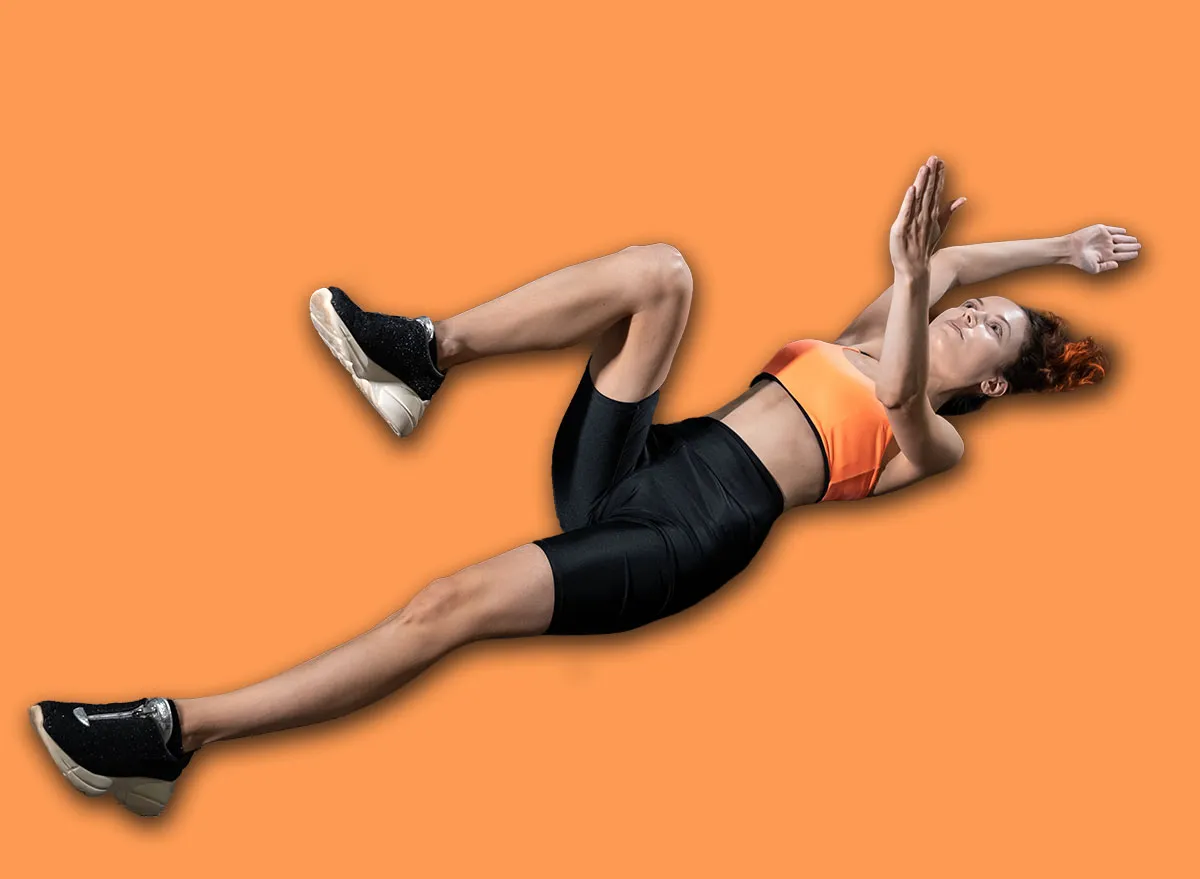
5. Dead Bug with Heel Tap: Deep Core Stability
A strong core is the foundation of balance. The Dead Bug is the safest way to train the abdominals without putting the undue stress on the lumbar spine that traditional crunches often cause.
- Why it works: It forces the deep core to stabilize the torso while the limbs are in motion. This mimics the coordination required for walking, reaching, and bending.
- Execution: Lie on your back with arms extended and legs in the air (knees bent at 90 degrees). Lower one heel to the floor while keeping your lower back firmly pressed into the ground.
- Progression: Slow the tempo down. By performing the movement over a count of four seconds, you significantly increase the demand on your deep stabilizers.
Chronology of Progress: What to Expect
- Weeks 1–4 (The Neural Adaptation Phase): Do not worry about heavy weights. Your primary goal is learning the movement patterns and establishing a rhythm. Expect some soreness, but focus on recovery.
- Weeks 5–8 (The Strengthening Phase): Now that your body is comfortable with the movements, begin to add small increments of weight. If you were doing 10 reps, look to add 2-5 pounds or extend your hold time.
- Weeks 9+ (The Maintenance and Expansion Phase): You should now feel a marked improvement in your daily activities. You can begin to explore variations, such as increased volume (more sets) or reduced rest periods to boost cardiovascular endurance.
Implications for Longevity
The implications of a consistent strength program for those over 65 extend far beyond muscle size. Research indicates that resistance training improves metabolic health, enhances insulin sensitivity, and is linked to improved cognitive function. Perhaps most importantly, it provides the "functional reserve" needed to stay independent.
The goal is not to become a competitive powerlifter; the goal is to build a body that can handle the demands of travel, play with grandchildren, and perform daily tasks without hesitation.
Final Expert Guidance
The most important factor in this journey is the "slow and steady" approach. You are not trying to cram ten years of lost training into a single month. The most successful trainees are those who view fitness as a lifelong dialogue with their body.
Always consult with your physician before beginning a new exercise program, especially if you have pre-existing cardiovascular or joint conditions. Once cleared, prioritize your form over the weight on the bar. If a movement feels uncomfortable, scale it back. If it feels easy, find a variation that challenges you. By treating your recovery with as much respect as your workout, you will find that your 60s, 70s, and beyond can be the strongest years of your life.
