

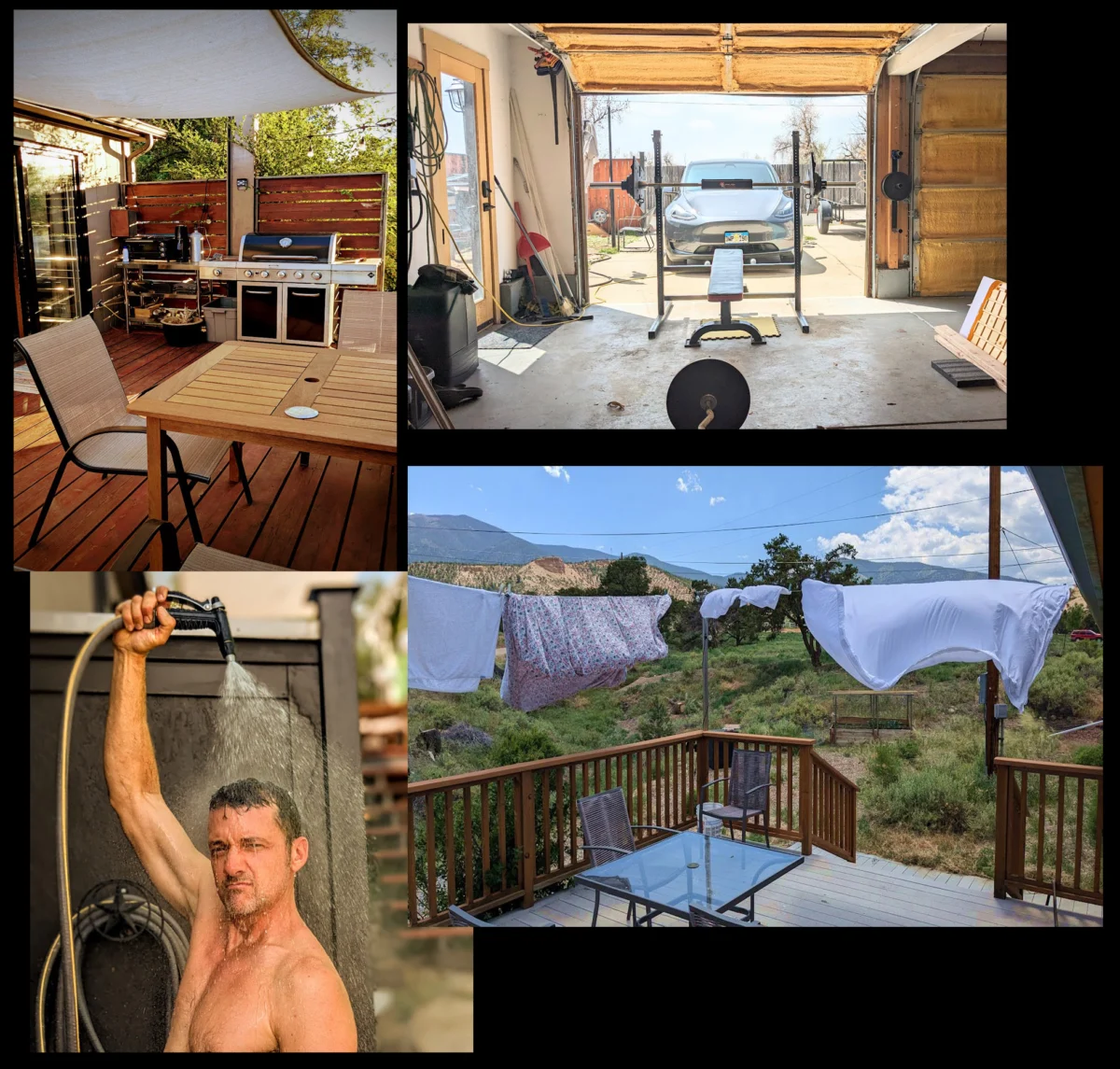
In the modern financial landscape, few voices have been as polarizing or as influential as Mr. Money Mustache (MMM). For over a decade, his blog has served as a lighthouse for the Financial Independence, Retire Early (FIRE) movement. Yet, as his net worth has grown, so too has the skepticism. Critics often argue that his advice is antiquated or irrelevant to the ultra-wealthy, suggesting that he has long since abandoned the very principles that built his fortune.
However, a closer look at his current lifestyle reveals a different reality: the principles of "Mustachianism" are not merely a path to wealth, but a deliberate architecture for a more satisfying, efficient, and intentional life.
Main Facts: The Evolution of a Frugal Icon
The core of the criticism leveled against Mr. Money Mustache is the assumption that wealth necessitates a lifestyle of excess. The common refrain—"He got rich and fancy"—suggests that frugality is a temporary vehicle used only until one reaches a certain net worth.
Mr. Money Mustache rejects this narrative entirely. He maintains that his wealth increase is not a result of "abandoning" his roots, but of doubling down on the efficiency, creativity, and self-awareness that defined his early success. The premise of his current philosophy is simple: Become a producer of the things you most enjoy consuming. By shifting from a passive consumer of services to an active creator of solutions, one preserves both capital and personal agency.
Chronology: From Early FIRE to Sustainable Living
The trajectory of the FIRE movement mirrors the evolution of the Mustachian lifestyle:
- 2011–2014: The Foundation. The early years of the blog focused heavily on the mechanics of extreme saving: cutting grocery bills, slashing utility usage, and eliminating car dependency. This was the "sprint" phase of wealth accumulation.
- 2015–2020: The Scaling Phase. As the community grew, the focus shifted from individual survival to collective community building, such as the establishment of coworking spaces and local DIY networks.
- 2021–Present: The Integrated Lifestyle. Today, the focus is on "Lifestyle Design." The goal is no longer just saving for the sake of savings, but optimizing life to maximize health, community, and personal autonomy. The "Rule of 172"—the idea that every monthly expense saved compounds into a significantly larger sum over a decade—remains the mathematical bedrock of his approach.
Supporting Data: The Economics of Efficiency
The argument for Mustachianism is rooted in tangible, if often overlooked, financial data. By applying the "Rule of 172," one can see how small, habitual changes compound over a ten-year horizon.
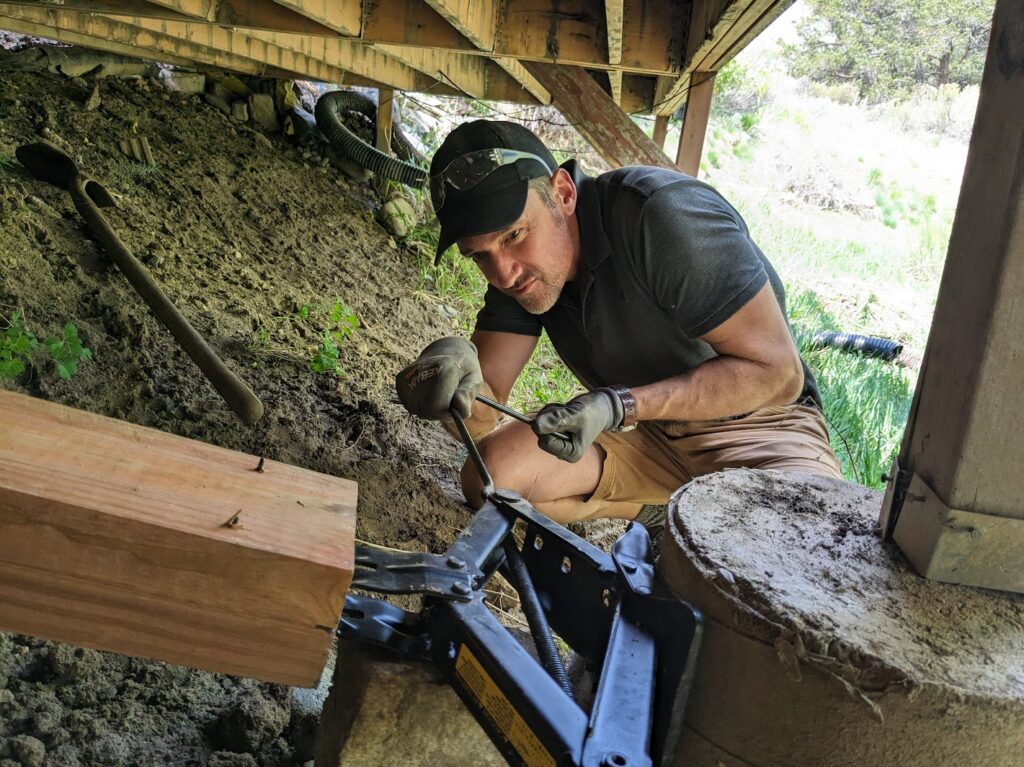
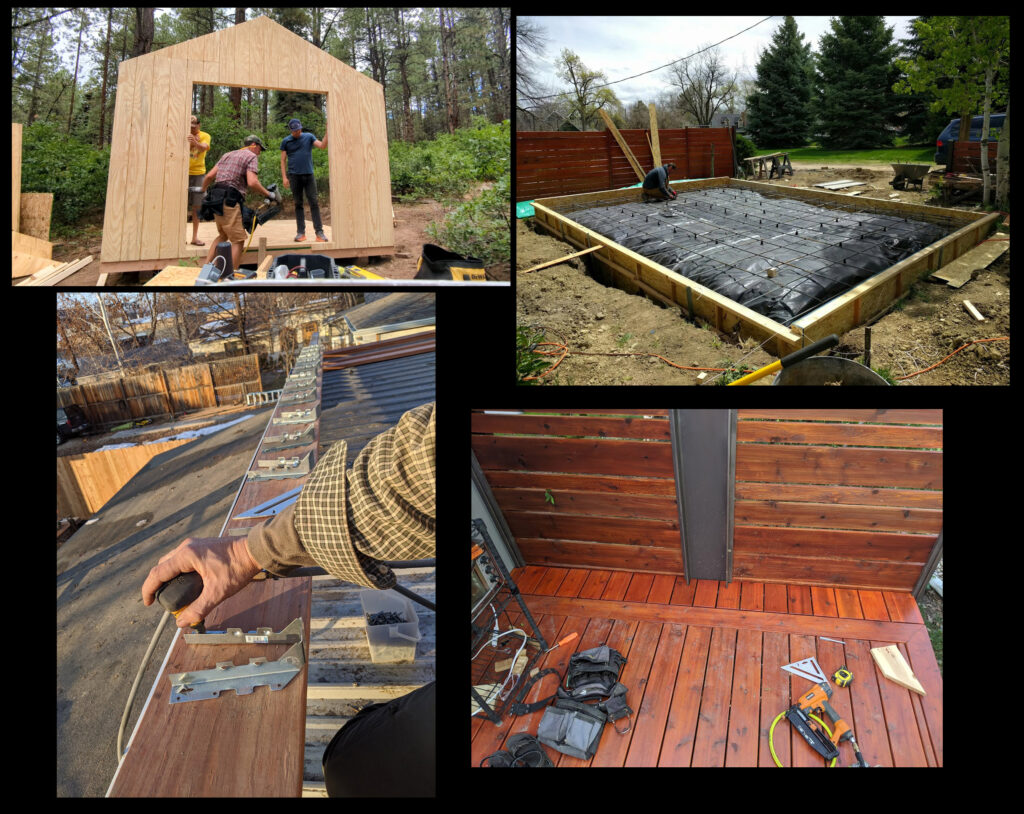
1. Self-Sufficiency in Housing
By developing skills in construction and home renovation, the practitioner avoids the massive premiums charged by third-party contractors.
- Impact: An estimated average saving of $20,000 per year.
- Ten-Year Compounding Effect: ~$287,000.
2. The Community Marketplace
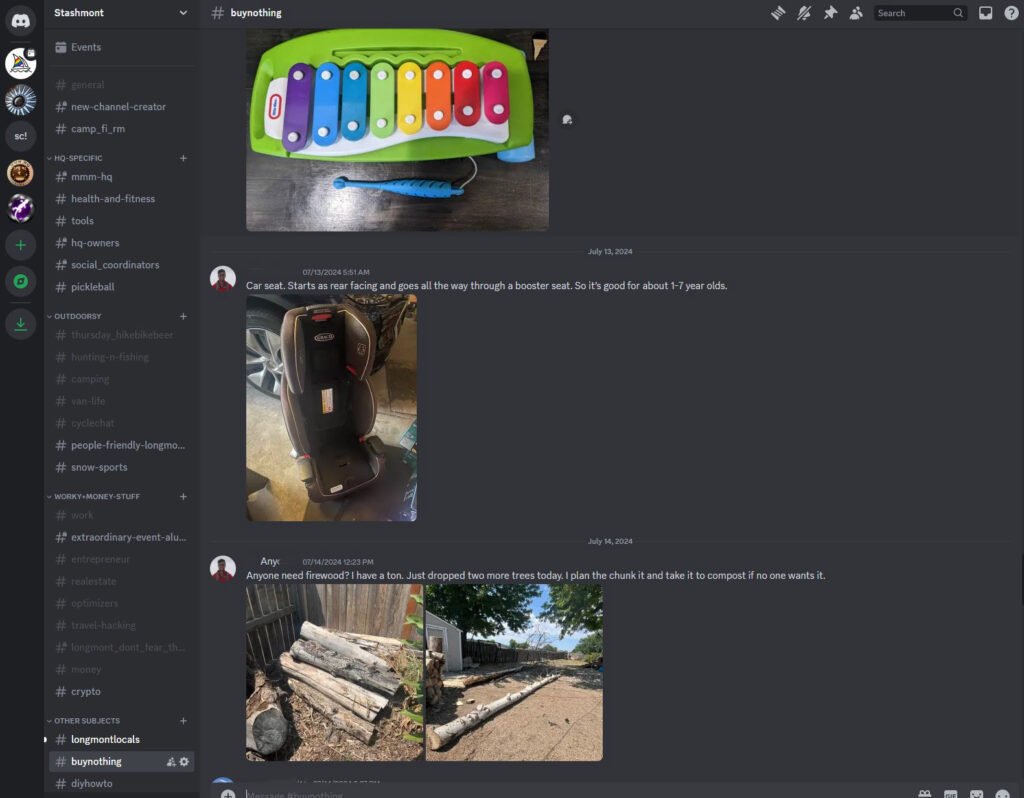
Leveraging platforms like Craigslist, Facebook Marketplace, and local Buy Nothing groups allows for a circular economy that keeps high-quality goods in circulation.
- Ten-Year Compounding Effect: ~$42,000.
3. Active Transportation
Despite the widespread reliance on automobiles, shifting to bike-based transportation is not just a financial decision; it is a fundamental restructuring of one’s interaction with the environment.
- Ten-Year Compounding Effect: ~$14,000.
4. Health Optimization (Muscle over Motor)
The most significant, yet hardest to quantify, saving comes from avoiding sedentary lifestyle-related illnesses. By prioritizing physical exertion—walking, manual labor, and active maintenance—one reduces the reliance on costly, reactive healthcare systems.
- Ten-Year Compounding Effect: Estimated at $140,000.
5. Intentional Home Energy Management
By treating one’s home as an "Energy Efficiency Playground"—using passive solar, improved insulation, and mindful usage—utility bills are slashed significantly compared to the national average.
- Ten-Year Compounding Effect: ~$30,000.
6. Local Living vs. "Vacation Culture"
Modern society encourages constant travel as the primary form of reward. A Mustachian approach prioritizes local community connection, which is both cheaper and often more fulfilling.
- Ten-Year Compounding Effect: ~$143,000.
Total Estimated Wealth Impact: Over $656,000 per decade in direct savings and avoided costs.
Official Responses and Philosophical Stance
When confronted with claims that he is "out of touch," the response from the Mustachian camp is one of amusement. The misconception lies in the belief that frugality is a deprivation-based burden.
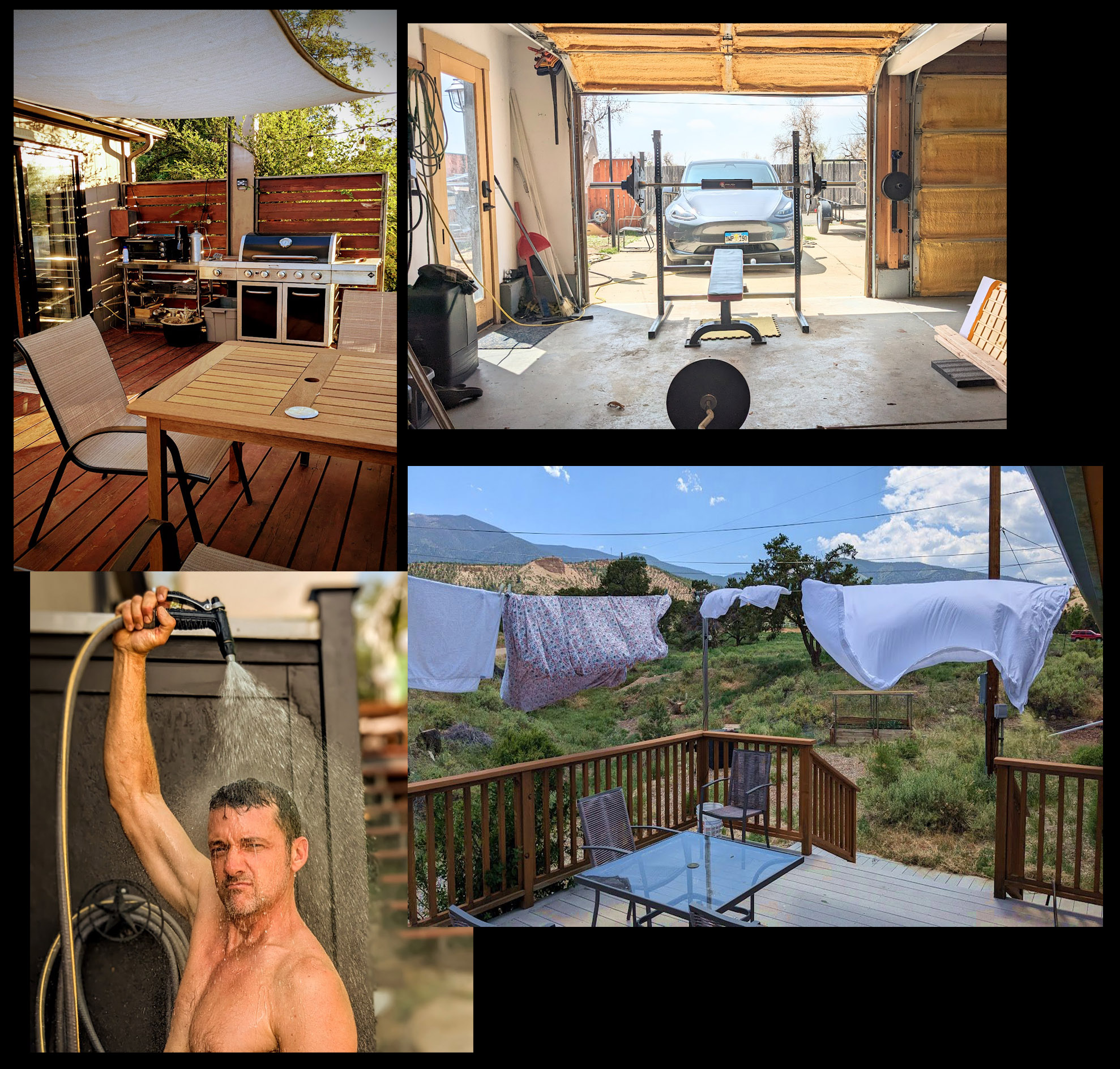
"If the critics could peek in and see our real lives," he notes, "they would have to give up their conspiracy theories and accept the fact that this stuff just works."

The fundamental difference between "Standard Advice" and "Mustachianism" is the objective. Standard advice treats income as a way to "buy" one’s way out of sacrifice (FatFIRE). Mustachianism, conversely, treats the process of living efficiently as a source of joy. It is an aesthetic and intellectual pursuit. Whether he is cutting his own hair or re-engineering a home’s HVAC system, the goal is not to "save a buck," but to reclaim the human capacity for self-reliance.
Implications: The Future of Personal Finance
The implications of this philosophy are profound. For the average American senior, the median wealth at retirement is often exhausted within a few years of exiting the workforce. By contrast, a practitioner of these methods can secure a nest egg that is significantly larger, not because they earned more, but because they engineered their lives to require less while simultaneously increasing their personal capacity.
The "Use It or Lose It" Mentality
Perhaps the most critical implication is the shift in mindset regarding physical and mental health. By eschewing modern conveniences that promote atrophy—elevators, lawn-care machines, professional services for minor tasks—the Mustachian maintains a high level of physical utility well into later years. This is not just a financial strategy; it is a strategy for longevity.

Building Resilience Through Community
Finally, the emphasis on local community—shared tools, shared expertise, and shared labor—creates a network of resilience that money cannot buy. While a bank account provides a buffer, a community provides a safety net.
Conclusion
Mr. Money Mustache’s "frugality" is not a chore; it is a form of liberation. By rejecting the consumer-driven default, he has managed to create a lifestyle that is more robust, more environmentally sustainable, and ultimately more enjoyable than the one prescribed by traditional success metrics. For those willing to look past the gossip and focus on the mechanics of a well-lived life, the path is clear: stop buying convenience, start building competence, and watch the wealth—in all its forms—compound.
As he notes, the most rewarding aspect of this journey is not the $656,000 in saved capital, but the realization that one is capable of maintaining a life of high quality without the constant, draining friction of high-consumption living. The "Mustachian" is not just someone who saves money; it is someone who has reclaimed their time and their agency in a world that thrives on selling both back to them.
