

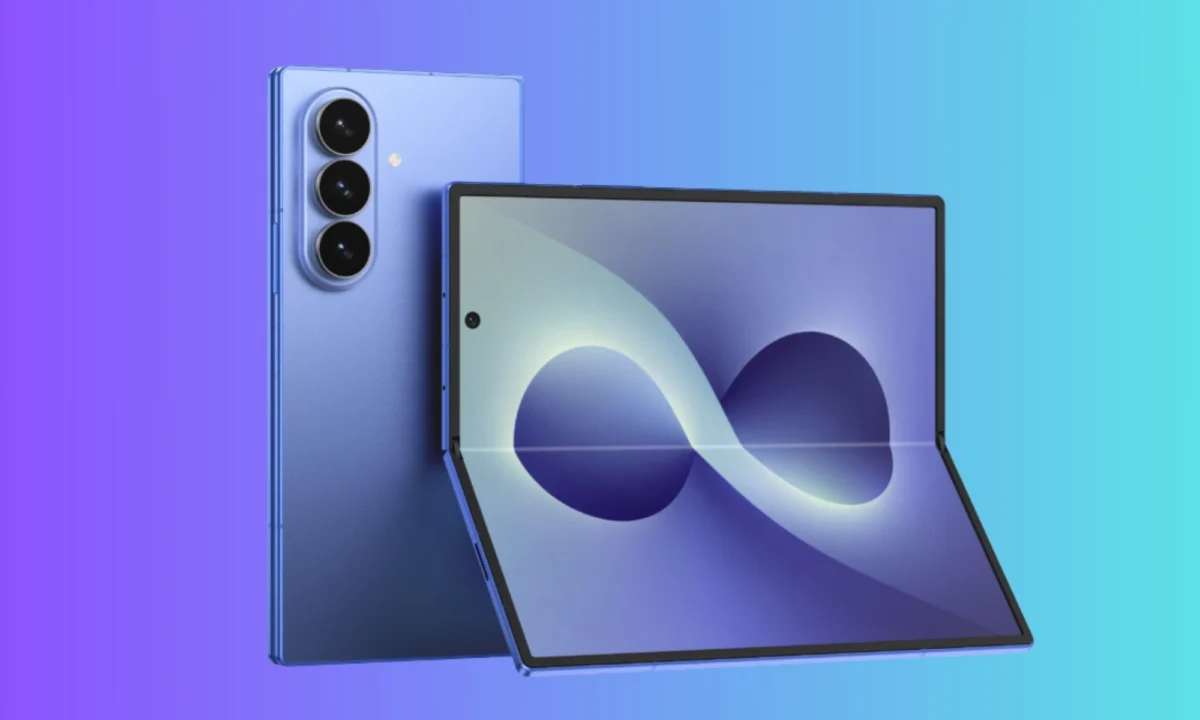
As the tech industry gears up for Samsung’s highly anticipated Galaxy Unpacked event on July 22, anticipation is being tempered by a growing unease regarding the cost of entry for the company’s next-generation foldables. While the enthusiast community has spent months speculating about hardware refinements, hinges, and screen durability, the conversation has recently shifted to the bottom line. If the latest reports hold true, the "Ultra" moniker for the upcoming Galaxy Z Fold 8 series may signify more than just a camera upgrade—it could mark a new, higher baseline for premium mobile pricing in the United States.
The Financial Landscape: A $100 Shift
For years, the $1,999 price point has been the psychological "ceiling" for Samsung’s flagship foldable devices. It was a figure that commanded respect, signaling that the user was purchasing the absolute pinnacle of display and hinge engineering. However, a new report from the South Korean publication SEDaily suggests that Samsung is preparing to shatter that barrier.
According to the report, the Galaxy Z Fold 8, colloquially referred to as the "Wide Fold," is expected to hit the U.S. market at $1,899 for the entry-level 256GB storage configuration. While this matches the previous year’s entry point, the true surprise lies in the flagship of the lineup: the Galaxy Z Fold 8 Ultra. The report indicates that the Ultra variant—the direct successor to the Fold 7—will retail at $2,099 for the base 256GB model. This represents a definitive $100 increase over the previous generation’s launch price.

This pricing strategy appears to be a global trend rather than a regional anomaly. Earlier reports from European markets suggested a similar uptick, with the base 256GB Ultra model expected to land at approximately €2,199, representing a parallel €100 hike. While the SEDaily report currently lacks specific pricing for higher-capacity storage tiers (such as 512GB or 1TB), industry analysts expect that the price delta could grow even wider for these premium configurations, potentially pushing the cost of a maxed-out foldable well into the $2,300–$2,500 range.
Chronology: How We Arrived at the Fold 8
To understand the significance of this price hike, one must look at the trajectory of the Galaxy Z series over the past several years.
- 2023–2024 (The Maturation Phase): Samsung focused heavily on refining the "tear-drop" hinge mechanism and reducing the visible crease on the inner display. During this period, prices remained relatively stable as economies of scale began to kick in.
- Early 2026 (Supply Chain Volatility): By the first quarter of 2026, reports began surfacing about global memory shortages. High-bandwidth memory (HBM) and advanced NAND flash, required for the increasingly complex multitasking demands of foldables, saw significant price spikes.
- Mid-2026 (The Leak Cycle): In the months leading up to the July 22 Unpacked event, leaks began to point toward a "dual-track" strategy. Samsung, recognizing that it needed to compete with both thin-and-light foldables and ultra-premium photography-focused devices, began delineating between the standard "Fold" and the "Ultra" model.
- Present Day (The Final Review): Current reports suggest that Samsung is still in the "final review" stage of its pricing strategy. While the $2,099 figure is the most credible projection, the company is reportedly balancing the need to maintain profit margins against the risk of alienating a consumer base already sensitive to high tech costs.
Supporting Data: The Drivers Behind the Hike
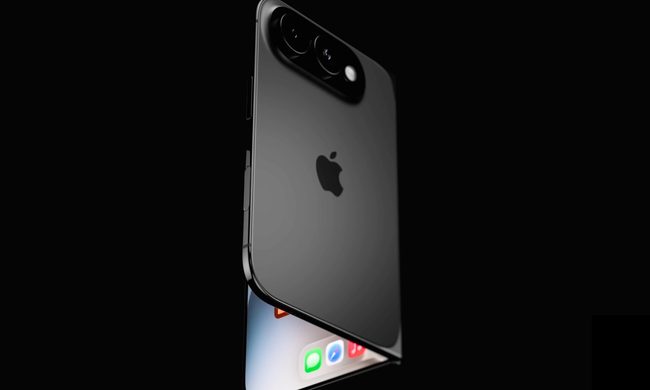
Why would Samsung risk a price increase in a market where competition from Chinese OEMs and the rumored "foldable iPhone" is intensifying? Analysts point to three primary factors:

1. Memory and Component Inflation
The semiconductor industry is currently grappling with a tight supply of cutting-edge memory components. As Samsung pushes for more RAM to support on-device AI—a core pillar of the Galaxy Z Fold 8’s marketing—the bill of materials (BOM) has risen significantly. When the price of high-speed memory increases by 15-20%, the cost is eventually passed down to the consumer.
2. The "Ultra" Camera Tax
For years, the most frequent criticism of the Z Fold line has been its "mediocre" camera system compared to the S-series Ultra devices. The Fold 8 Ultra is rumored to finally bridge this gap, integrating the sensor technology and periscope lens architecture found in the Galaxy S26 Ultra. High-end camera modules are expensive; fitting them into a chassis that is already constrained by a complex folding mechanism requires custom engineering that adds significant cost to the production line.
3. Software and AI Integration
Samsung is betting heavily on One UI 9.0 and the integration of Google’s "Gemini Intelligence." This isn’t just a software update; it involves deep-level neural processing unit (NPU) optimization and potential licensing costs associated with advanced AI features. Providing a "pro-level" experience that can manage tasks across multiple apps simultaneously requires more than just processing power—it requires a premium software support lifecycle that is factored into the device’s retail cost.

The Justification: Can Software Save the Sale?
Samsung’s strategy appears to be one of "value-add." By bundling the Z Fold 8 Ultra with advanced AI features, they are attempting to frame the device not as a smartphone, but as a mobile workstation.
The integration of Gemini Intelligence, which allows for cross-app task management, is designed to appeal to power users who are already accustomed to paying premium prices for productivity tools. If the phone can effectively replace a tablet or a lightweight laptop, the $100 price hike becomes easier for the target demographic—enterprise users and creative professionals—to justify.
However, the question remains: is the average consumer willing to pay for these features? The inclusion of One UI 9.0 on the standard Fold 8 and Flip 8 suggests that Samsung is trying to keep the "base" experience accessible, while reserving the "Ultra" experience for those who demand the absolute best in hardware, regardless of the cost.
Official Responses and Market Implications
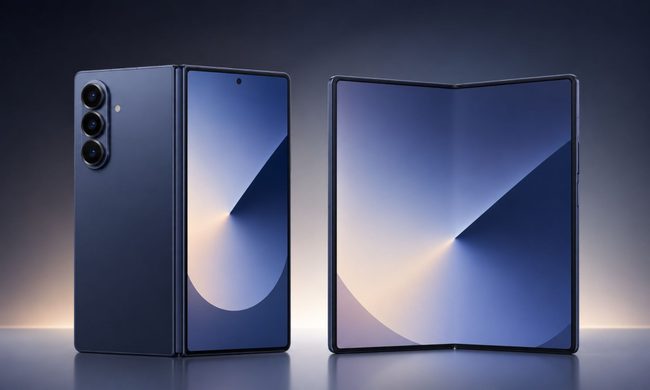
Samsung has remained characteristically tight-lipped regarding these leaks. As of the time of writing, no official comment has been released, adhering to the company’s standard policy of not confirming pricing prior to the Unpacked stage.
The implications of this move are twofold. First, it signals that the foldable market is reaching a state of maturity where "premium" is no longer just about the form factor, but about the "pro-grade" internal hardware. Second, it sets the stage for a potential market shift. If Samsung successfully navigates a $100 price hike, it gives other manufacturers the green light to increase their own pricing structures, effectively raising the floor for flagship mobile devices across the industry.
Conclusion: A High-Stakes Unpacked
The July 22 Galaxy Unpacked event is shaping up to be a defining moment for Samsung. By introducing the Ultra branding to the foldable category, the company is attempting to carve out a new niche at the very top of the food chain.
For the prospective buyer, the choice will become clearer: opt for the standard Fold 8 for the folding experience, or shell out the extra $100+ for the Ultra’s superior camera system and hardware optimizations. Whether this gamble pays off will depend on whether the public sees the "Ultra" experience as a genuine leap forward in mobile computing or as an unnecessary premium on an already expensive technology.
Until the keynote begins, consumers are left to weigh the rumors against their own budgets. One thing is certain: in the world of foldable smartphones, the cost of the future is steadily rising. Whether that future is worth $2,099 remains a question that only the marketplace—and the consumers themselves—can ultimately answer.
