

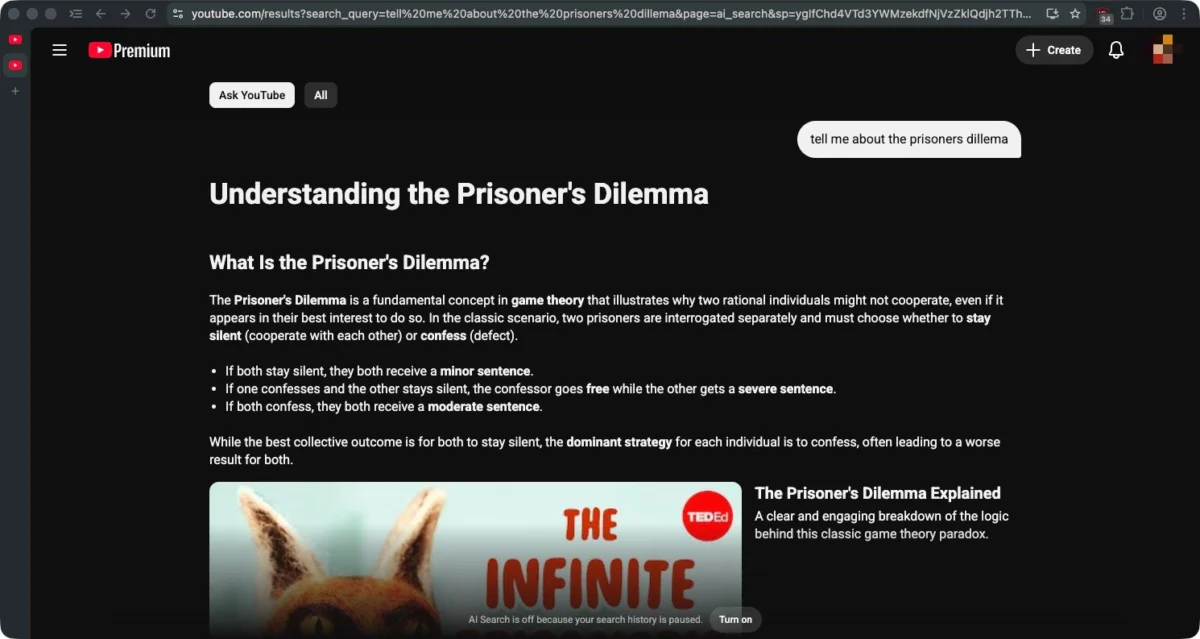
In a move that signals a seismic shift in how we navigate the world’s largest video repository, YouTube has officially begun the rollout of its "Ask YouTube" feature to users across the United States. This conversational, AI-driven search experience marks a departure from the keyword-based search paradigm that has defined the platform for nearly two decades. By leveraging advanced generative AI, YouTube is transforming from a simple video host into an active "answer engine," capable of parsing complex human intent to deliver highly curated, structured results.
The Core Transformation: Moving Beyond Keywords
For years, finding content on YouTube relied on the precision of a user’s search terms. If you didn’t know the exact title of a video or the name of a specific creator, you were often met with a wall of loosely relevant thumbnails, requiring manual filtering and multiple clicks.
"Ask YouTube" fundamentally changes this dynamic. By allowing users to pose complete, natural-language questions, the platform acts more like a research assistant. Whether a user is asking for guidance on a DIY project—such as "how to teach a child to ride a bike"—or seeking personalized recommendations, like "what are some cozy, low-stress video games to play before bed," the AI parses the intent rather than just the syntax.

The output is equally transformative. Instead of a linear list of video tiles, the interface provides a structured response. This typically includes a concise written overview, a primary featured video, and a selection of long-form content with timestamps jumping directly to relevant sections. Furthermore, the tool intelligently categorizes YouTube Shorts under distinct subheadings, allowing users to consume quick, bite-sized information alongside deeper, immersive content.
Chronology of a Feature: From Lab Experiment to Public Rollout
The journey of "Ask YouTube" began in the high-stakes environment of Google’s annual developer conference, Google I/O 2026. At the time, the technology was positioned as a premium-exclusive experiment, designed to give YouTube Premium subscribers an early look at the company’s integration of Gemini—Google’s multimodal AI model—into the platform’s architecture.
- May 19, 2026: YouTube officially introduces "Ask YouTube" on its experimental features page. Access is restricted to Premium members in the U.S. aged 18 and older, allowing the company to gather vital usage data and refine the model’s ability to interpret nuanced queries.
- July 2026: Following months of internal testing and refinement, YouTube CEO Neal Mohan announces the wider rollout. The feature transitions from a gated experimental tool to a standard web-based experience for the general U.S. public.
- Present Day: The tool is now appearing on desktop web browsers for U.S. users, though the company has yet to provide a definitive timeline for a mobile app integration or an international expansion.
Supporting Data and Technical Architecture
The efficacy of "Ask YouTube" relies on the massive, multi-modal database that YouTube has cultivated over the years. By tapping into the transcripts, metadata, and visual cues of billions of videos, the AI can perform cross-format synthesis.

Current testing shows that the system does not merely rely on video tags. It analyzes the "situational context" of the request. For example, when a user asks about "cozy games," the AI identifies clusters of videos that share common sentiment analysis, community reviews, and high engagement rates for that specific genre. The ability to "group" content is the most significant technological leap; by organizing results into subheadings based on the query’s sub-intent, YouTube is reducing the "cognitive load" on the user, moving the experience from "search and find" to "ask and understand."
Official Responses and Strategic Intent
In his announcement regarding the rollout, YouTube CEO Neal Mohan emphasized the company’s commitment to education and exploration. "We’re looking forward to your feedback as we continue to build better ways to help people learn," Mohan stated via social media.
This rollout is widely viewed by industry analysts as a defensive and offensive maneuver in the ongoing "AI search wars." As platforms like Perplexity, OpenAI’s SearchGPT, and Google’s own Search Generative Experience (SGE) gain traction, YouTube cannot afford to remain a siloed database. By embedding AI into the heart of its discovery mechanism, YouTube is ensuring that it remains the primary destination for "how-to" information and visual discovery, effectively preventing users from leaving the platform to ask a chatbot elsewhere.

The Implications of AI-Driven Discovery
The introduction of "Ask YouTube" has profound implications for both the content creator economy and the broader digital landscape.
1. The Impact on Content Creators
For creators, the shift to conversational search creates both challenges and opportunities. Traditionally, creators optimized their titles and descriptions for specific SEO keywords. With AI-driven search, "contextual relevance" becomes the new SEO. If a video is clearly structured—using chapters, accurate transcripts, and concise explanations—it is far more likely to be featured in the AI’s synthesized response. Creators who prioritize clarity and high-quality information in their video structure will likely see a boost in discoverability, while "clickbait" style content may see a decline as AI prioritizes content that actually answers the user’s question.
2. The User Experience Shift
We are witnessing the decline of the "scroll and click" era. Users are becoming accustomed to the idea that they no longer need to perform the legwork of filtering through irrelevant results. This creates a "sticky" platform experience, where the AI’s ability to handle follow-up questions keeps the user engaged within the YouTube ecosystem for longer durations.
3. Ethical and Transparency Considerations
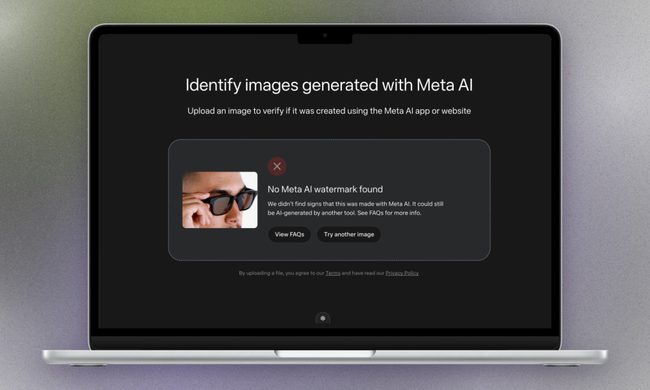
As Google and YouTube integrate more AI, the question of transparency remains paramount. Just as Google has recently introduced labels for AI-generated ads across its ecosystem, there is growing pressure on platforms to clarify when a search result is synthesized by an LLM versus when it is a direct result of human curation. While "Ask YouTube" provides citations via the videos it lists, the AI’s own summary remains an opaque layer between the user and the primary source.
Looking Ahead
The rollout of "Ask YouTube" is just the beginning of a broader trend of "Answer Engines" replacing traditional search. While the feature is currently limited to the web and the U.S. market, the trajectory is clear: YouTube is positioning itself to be the ultimate repository for human knowledge in video form.
As the company continues to iterate on this feature, we can expect improvements in accuracy, lower latency in responses, and, eventually, a full integration into the mobile experience. For now, the U.S. public has a front-row seat to one of the most significant changes in the history of internet video discovery. Whether this change ultimately benefits the average viewer by simplifying their life, or complicates the ecosystem for the millions of creators who fuel the platform, remains a subject of intense debate. One thing, however, is certain: the way we "watch" on the web is no longer just about the video—it’s about the conversation.
