

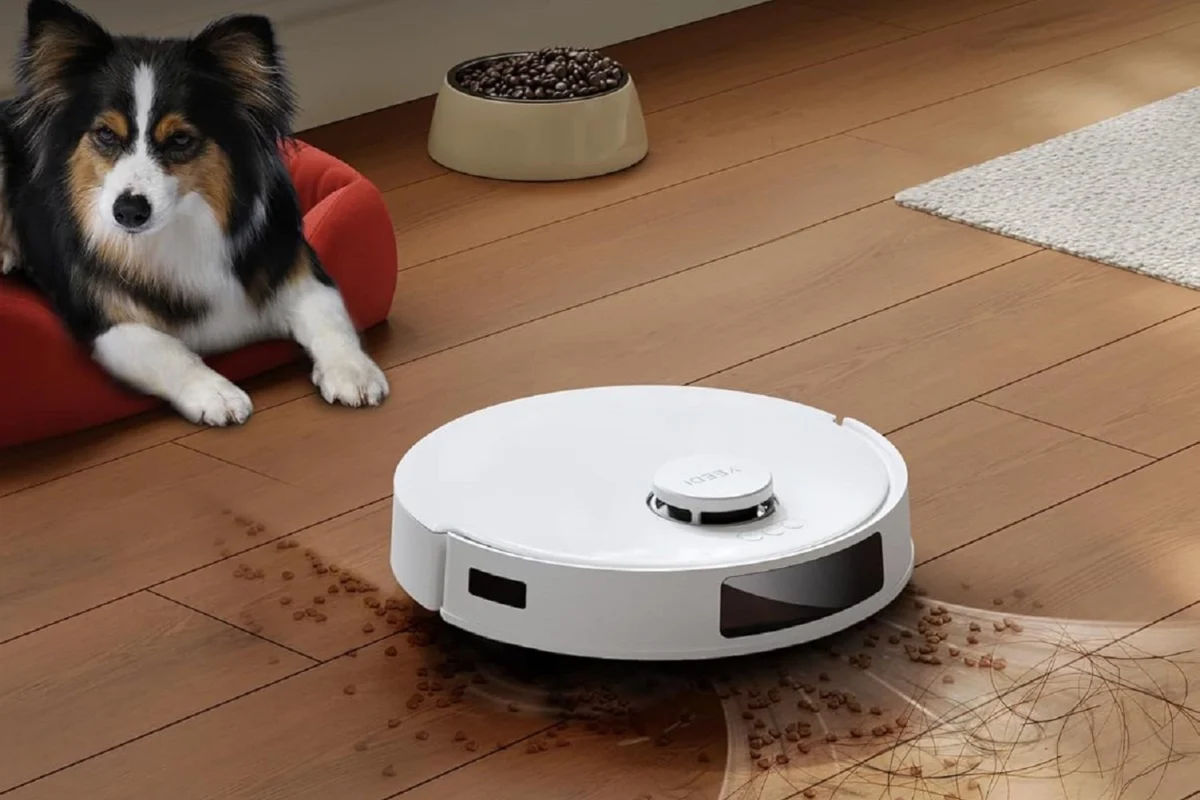
The landscape of the American smart home is undergoing a quiet, regulatory transformation. Following months of tightening scrutiny over foreign technology, the U.S. Federal Communications Commission (FCC) has effectively introduced a new "gatekeeping" process for a wide array of robotic devices. While the initial discourse surrounding these security measures focused on industrial automation and high-end surveillance drones, it has now become clear that the policy’s reach extends into the living rooms of millions of Americans: the humble robot vacuum.
The FCC has confirmed that foreign-made robot vacuums—including future iterations of the iconic Roomba—now fall under the "Covered List," a designation that significantly complicates their path to the U.S. consumer market. This policy shift marks a pivotal moment in the intersection of consumer convenience and national security, signaling a new era of scrutiny for any autonomous device capable of mapping the private spaces of a home.
The Scope of the Restriction: What Defines a "Covered" Robot?
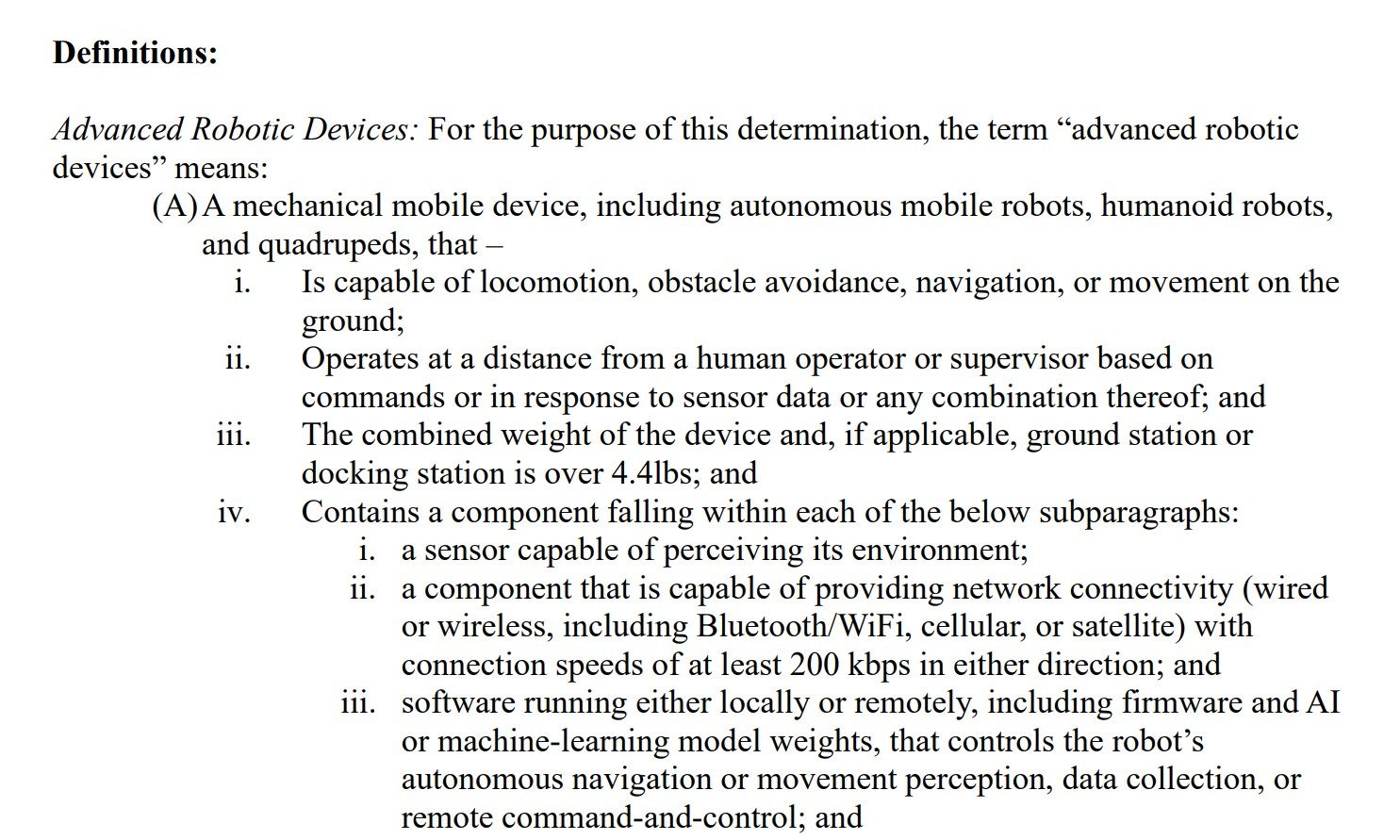
The government’s updated definition of restricted technology is both precise and expansive. Under the new guidelines, the FCC’s restrictive net captures software-controlled machines that meet specific criteria:

- Autonomous Mobility: Devices that can navigate across ground surfaces without constant human intervention.
- Physical Specifications: The device, along with its associated charging or base station, must weigh more than 4.4 pounds.
- Connectivity and Intelligence: The machine must rely on sensors to interpret its environment, maintain a connection to a network (Wi-Fi or cellular), and utilize software to manage movement or data collection.
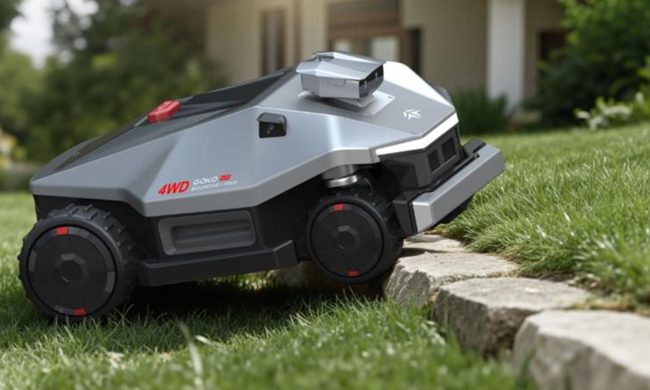
While the primary intent may have been to address larger, more complex industrial or humanoid robots, the technical definitions encompass almost every modern robotic vacuum currently on the market. Furthermore, the ruling creates a ripple effect that touches other segments of the smart home industry, including connected robotic lawnmowers, autonomous delivery bots, and mobile logistics machines used in warehouses.
A Chronology of the Regulatory Shift
The road to this crackdown has been paved with increasing concerns regarding data privacy and cybersecurity vulnerabilities.
- Early 2024: The FCC begins drafting expanded criteria for the "Covered List," aiming to mitigate risks associated with foreign-manufactured equipment that could potentially be leveraged for espionage or unauthorized data harvesting.
- Late 2025: High-profile reports emerge regarding significant cybersecurity flaws in foreign-made robotics. A notable incident involved a hobbyist who reportedly exposed the data of roughly 7,000 robots, demonstrating that these devices—often equipped with cameras, microphones, and advanced LIDAR—could be compromised to provide live, detailed maps of private interiors.
- Mid-2026: The FCC officially updates its list to include advanced robotic devices. Initial interpretations by industry analysts suggested a focus on large-scale industrial robotics, but an FCC spokesperson clarified that the rules were intended to cover any device meeting the aforementioned criteria, regardless of its residential or commercial application.
- The Current Status: As of late 2026, manufacturers of foreign-made robot vacuums must now secure "Conditional Approval" from the FCC to receive the authorization required to sell new products in the United States.
The Data Privacy Imperative: Why the Concern?
At the heart of the government’s position is the "mapping" capability of modern smart vacuums. Today’s high-end robotic cleaners do not simply bounce off walls; they build highly accurate, three-dimensional maps of homes. They identify room layouts, furniture placement, and in some cases, use object recognition to identify items left on the floor.
When combined with live camera feeds and microphone arrays, these devices possess a level of access to private domestic life that was previously unthinkable. The cybersecurity argument posits that if a foreign state or malicious actor were to gain access to these systems, they would not only have a blueprint of the home’s layout but potentially real-time audio and visual intelligence.
The "7,000-robot vulnerability" mentioned in recent reports served as a wake-up call for regulators. The ability for an unauthorized user to view, listen, and navigate through a private home via a vacuum cleaner has moved the issue from a niche tech concern to a matter of national security.
Navigating the Future: Can Manufacturers Adapt?
The impact on the market is nuanced. It is critical to note that the ruling does not affect existing, already-purchased robot vacuums. If you currently own a Roomba or a competing model, you can continue to use it, and the manufacturers are still permitted to push security, firmware, and compatibility updates to these devices until at least January 1, 2029.
However, the path for future product launches is significantly more arduous. Many of the leading brands in the space, including iRobot (the manufacturer of the Roomba), are under foreign ownership. In the case of iRobot, its acquisition by Picea Robotics places it squarely under these new regulatory requirements.
The "Conditional Approval" Path
Manufacturers looking to bring new models to the U.S. face two primary options:
- Securing Conditional Approval: This involves a rigorous review process where the manufacturer must demonstrate that their software and data storage practices meet U.S. security standards.
- Relocation of Production: The restriction applies to devices manufactured in "foreign countries." By moving manufacturing to the United States, some companies may be able to bypass the most stringent aspects of the FCC’s current restrictions, though this comes with massive logistical and capital costs.
Implications for the Smart Home Industry
The "Robot Crackdown" represents a broader trend of decoupling technology supply chains from geopolitical rivals. For the average consumer, this could lead to several long-term changes in the marketplace:

1. Increased Costs and Slower Innovation
If manufacturers are forced to redesign their software, move manufacturing facilities, or undergo lengthy compliance audits, those costs will inevitably be passed down to the consumer. We may see a temporary slowdown in the rapid release cycles that have defined the robotic vacuum market over the last decade.
2. A Shift Toward "Domestic-First" Robotics
This regulatory pressure could incentivize the rise of American-made robotics startups. If foreign-made competition is restricted, there is a vacuum (pun intended) in the market that local manufacturers may be eager to fill. However, competing with the established supply chains of companies like Picea or other international giants will be a significant challenge.
3. Increased Transparency in Data Handling
One positive byproduct of this crackdown is the forced transparency regarding data storage. Moving forward, any robot vacuum that intends to compete in the U.S. market will likely need to prove that user data is stored locally or on servers that comply with strict U.S. privacy laws. Consumers may see more marketing focused on "Privacy-First Mapping" or "Offline-Only Operation" as a selling point.
4. Impact on Professional and Industrial Sectors
While the consumer market grabs the headlines, the impact on the industrial sector is arguably more severe. Automated warehouse robots, which are the backbone of modern e-commerce fulfillment, are largely produced overseas. If these companies cannot navigate the FCC’s new compliance hurdles, the cost of logistics in the U.S. could rise, affecting the prices of everything from consumer electronics to groceries.
Conclusion: A New Era of Hardware Scrutiny
The FCC’s recent move is a clear signal that the era of "frictionless" global trade for connected smart home devices is reaching its limit. The government is no longer looking at these devices merely as household appliances, but as nodes in a massive, interconnected network of sensory data.
For the consumer, this means the days of buying the cheapest, most feature-rich robot vacuum without considering its origins are likely coming to an end. As we move into 2027 and beyond, the "smart" in smart home will increasingly be defined by who controls the data, where the software was written, and where the hardware was assembled.
While current owners remain safe in the short term, the next generation of smart vacuums will be subject to a level of scrutiny that mirrors the current state of drone technology. For the industry, the message is clear: to operate in the U.S., you must prioritize transparency and security over the speed of market entry. The living room is now a front line in the global battle for data security, and the robots that clean our floors are the first casualties of this new, cautious policy.
