


For runners, the arrival of summer brings a bittersweet dichotomy: longer daylight hours and ideal conditions for base building are frequently undermined by the brutal reality of soaring temperatures and stifling humidity. For years, athletes have faced a common dilemma—whether to push through the swelter and risk heat-related illness or scale back their training and risk missing their performance targets.
According to data from Runna, the industry-leading running coach app, this is not just a niche struggle. A staggering 80% of their user base admits to either skipping sessions entirely or significantly altering their workouts when the mercury rises. Recognizing this widespread barrier to consistency, Runna has officially launched “Adapt for Heat,” a sophisticated, data-driven feature designed to remove the guesswork from hot-weather training.
The Science of Summer Strides: How “Adapt for Heat” Works
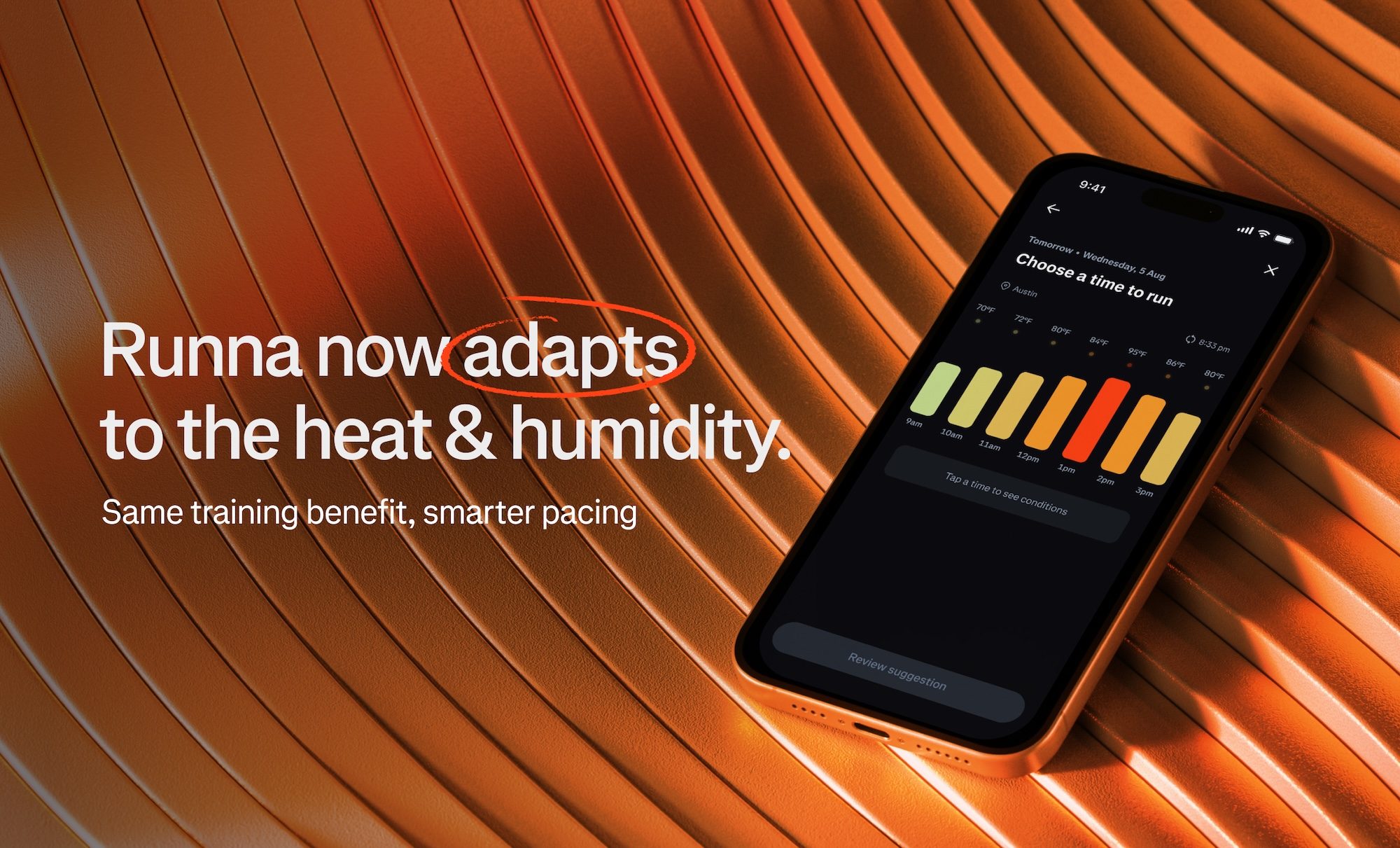
At its core, the “Adapt for Heat” feature functions as a personal, real-time physiological buffer. Rather than forcing runners to adhere to rigid, standardized pace targets that might be physically impossible—or dangerous—to maintain in high heat, the app integrates local meteorological data, including ambient temperature and relative humidity.
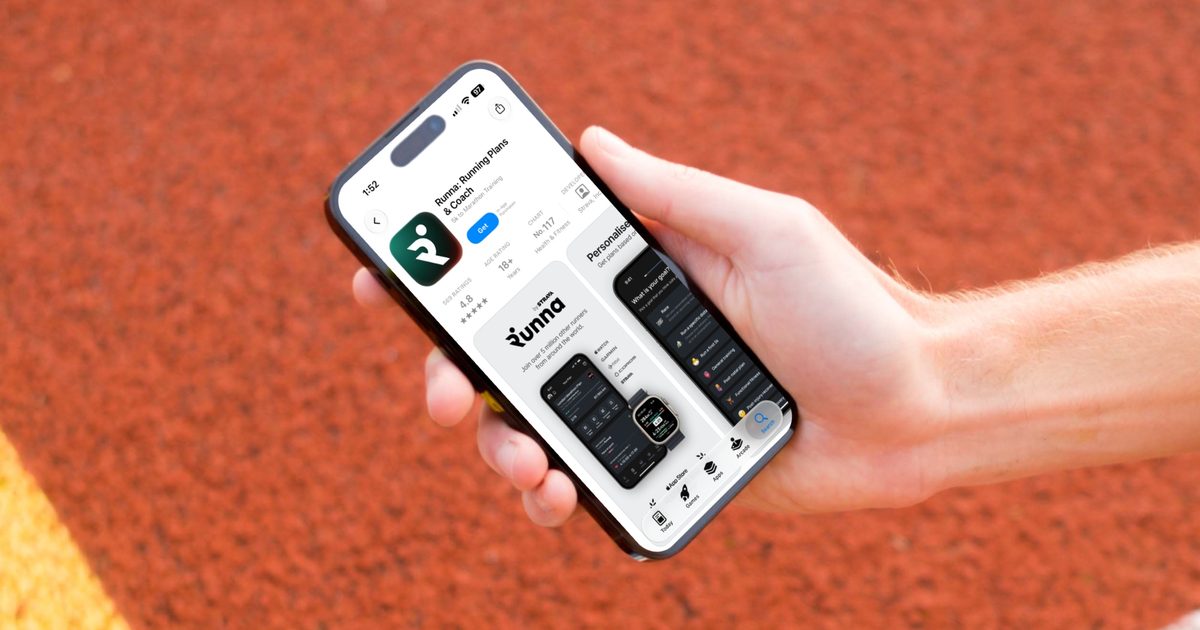
By analyzing these variables, the algorithm automatically recalibrates the runner’s daily pace targets. The goal is not to lower the training volume or intensity to a point of stagnation, but to maintain the intended physiological stimulus of the workout. If a runner is programmed for an interval session at a specific heart rate or effort zone, the app adjusts the required pace to match the increased metabolic cost of running in the heat.
Furthermore, the feature provides a visual, color-coded hourly forecast. This allows users to identify "safe windows" for training, helping them pinpoint exactly when the heat index drops to a bearable level, or conversely, when it is prudent to move the workout indoors to a treadmill or delay the session until the evening.
Chronology of the Release and Upcoming Roadmap
The rollout of “Adapt for Heat” marks the beginning of a significant summer update cycle for Runna. The feature became available to all users starting today, July 2026. However, the company has indicated that this is merely the first wave of a broader effort to optimize training adaptability.
Two additional, highly anticipated features are slated for an August release:
- Upcoming Plans: This feature addresses the long-term planning needs of serious athletes. Users will be able to schedule multiple training blocks in advance, mapping out a full year of competition. From a runner’s first 5k to an ambitious 50k ultramarathon, the entire annual calendar will be visible in one centralized dashboard, allowing for better periodization and recovery management.
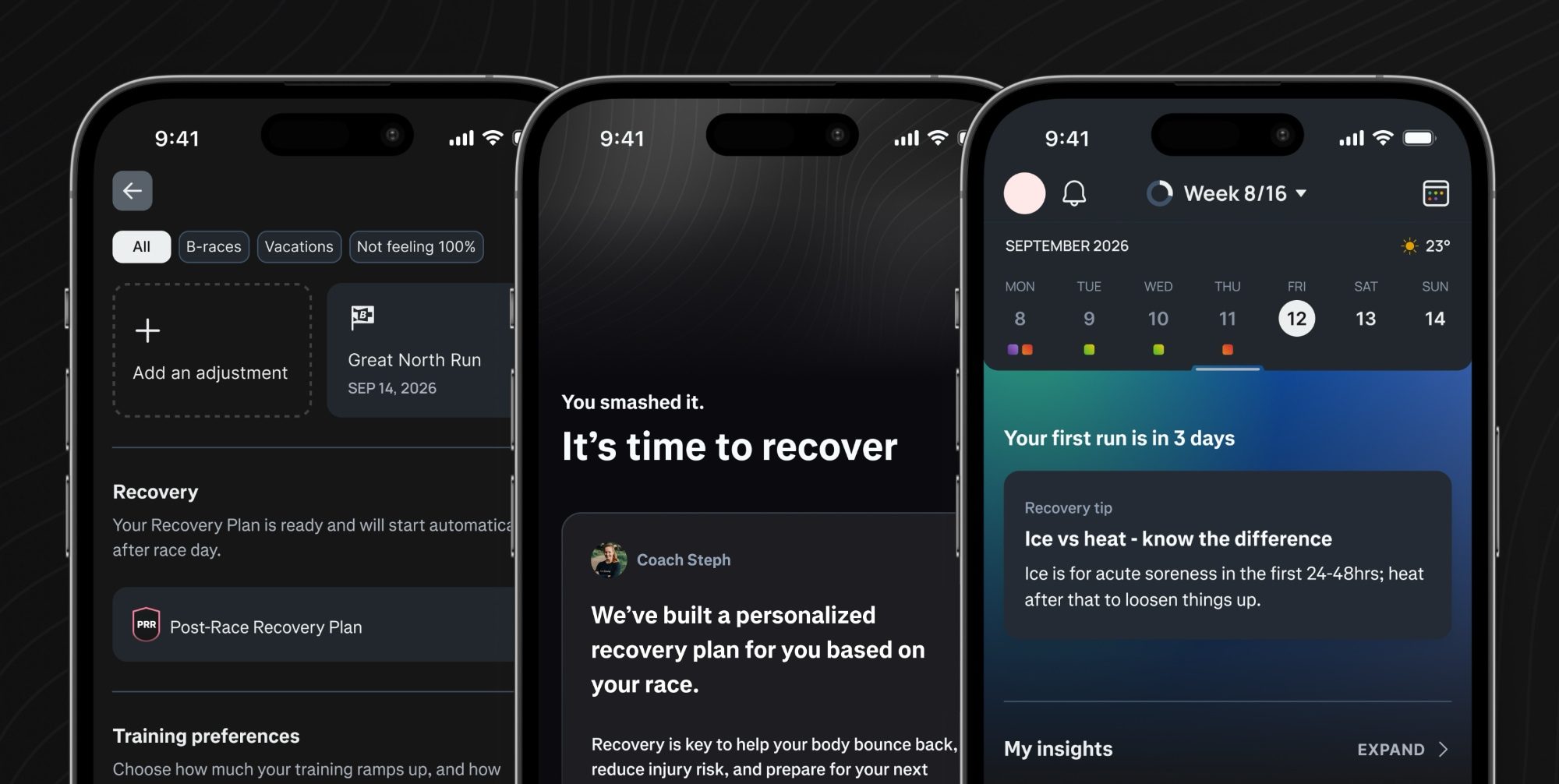
- Revamped Post-Race Recovery Plan: Recognizing that the period immediately following a major race is often the most vulnerable time for injury, Runna is automating the recovery process. The moment a user signs up for a race plan, the app will pre-build a tailored recovery schedule, ensuring that the transition back into training is structured and safe.
Supporting Data: The Cost of Ignoring the Climate
The necessity for such a feature is backed by both anecdotal evidence from the running community and physiological research. Running in temperatures above 70°F (21°C) significantly elevates core body temperature, forcing the cardiovascular system to work harder to transport oxygen to working muscles while simultaneously shunting blood to the skin for cooling.
When a runner ignores these environmental constraints, the risk of heat exhaustion and heat stroke rises exponentially. Runna’s decision to prioritize this data integration reflects a broader shift in the fitness tech sector: moving away from "no pain, no gain" mentalities and toward "intelligent training" that optimizes for longevity and health. By providing users with objective data rather than relying on subjective "toughness," Runna is helping to mitigate the burnout that typically plagues amateur runners during the summer months.

Official Perspectives: The Philosophy Behind the Code
Runna Head Coach Steph Kessell has been instrumental in the development of these features, emphasizing that the app’s evolution is rooted in the philosophy of sustainable, lifelong performance.
"Recovery is a key part of everyone’s running journey to prevent plateaus in training and reduce burnout or injury risk," Kessell stated during the announcement. "That is exactly why we decided to build it into every plan from day one. Our goal is to ensure that our athletes aren’t just hitting their peak for one race, but are staying healthy and motivated year-round."
This sentiment underscores a shift in how coaching apps view their responsibility. By integrating recovery and environmental adaptation into the core interface, Runna is essentially acting as a digital human coach who knows when to push and, more importantly, when to pull back.
Implications for the Future of Wearable Training
The introduction of “Adapt for Heat” is not just a minor update; it represents a maturation of the digital coaching market. As the integration between hyper-local weather data and wearable performance metrics becomes more seamless, the line between a simple activity tracker and a sophisticated athletic coach continues to blur.
1. The Death of Rigid Training Plans
Historically, static training plans were the norm—plans that promised a specific result if you hit every prescribed split. Runna’s new approach suggests that the future of training is dynamic. A plan that doesn’t adapt to external variables is, in many ways, an obsolete plan. We can expect to see other major players in the space, such as Strava, Garmin, and TrainingPeaks, likely follow suit with more integrated environmental analytics.
2. A Focus on Health-Span
By explicitly building in post-race recovery, Runna is signaling that the metric for success isn’t just a finish line time. It’s about "running health-span"—the number of years a person can run consistently without being sidelined by injury. This shift in focus is likely to resonate with the massive population of recreational runners who balance training with demanding professional and personal lives.

3. Data-Driven Decision Making
For the average runner, the "Adapt for Heat" feature acts as a guardrail. It takes the emotional component out of the decision to slow down. When an app tells you that today’s conditions warrant a 30-second-per-mile reduction in pace to achieve the same aerobic benefit, it relieves the "guilt" of not hitting a target pace, which is a major psychological driver for overtraining.
Conclusion: Strategic Training for the Long Game
Runna’s recent updates, from the heat-adapted pacing to the comprehensive recovery planning, demonstrate a strategic pivot toward holistic coaching. By addressing the environmental and physiological realities that lead to training abandonment, the company is positioning itself as a leader in the crowded fitness app market.
Whether you are a casual jogger trying to survive a mid-July heat wave or a dedicated marathoner planning your race season, these tools offer a level of sophistication that was once reserved for elite athletes with personal coaches. As we move further into the summer, the value of these features will likely become apparent in the consistency of Runna’s users—proving that the smartest way to get faster might actually be knowing when to take your foot off the gas.

As the industry continues to advance, the "Adapt for Heat" update serves as a reminder that the best training tools are those that work in harmony with the body’s natural limits, rather than in defiance of them. For those looking to keep their training on track despite the thermometer’s climb, the answer might just be a few taps away.
