

The Princess of Wales has long been celebrated as the gold standard of royal sartorial consistency. For over a decade, the public has come to expect a reliable, curated uniform from Catherine: elegant coat dresses, A-line silhouettes, sensible pointy-toe pumps, and her steadfast preference for the Lover’s Knot tiara. However, in the high-stakes world of royal fashion, even the most consistent icons occasionally pivot. This week, the Princess made a rare, calculated departure from her "quiet luxury" aesthetic, marking a stylistic milestone that has sent fashion analysts and royal observers into a frenzy.
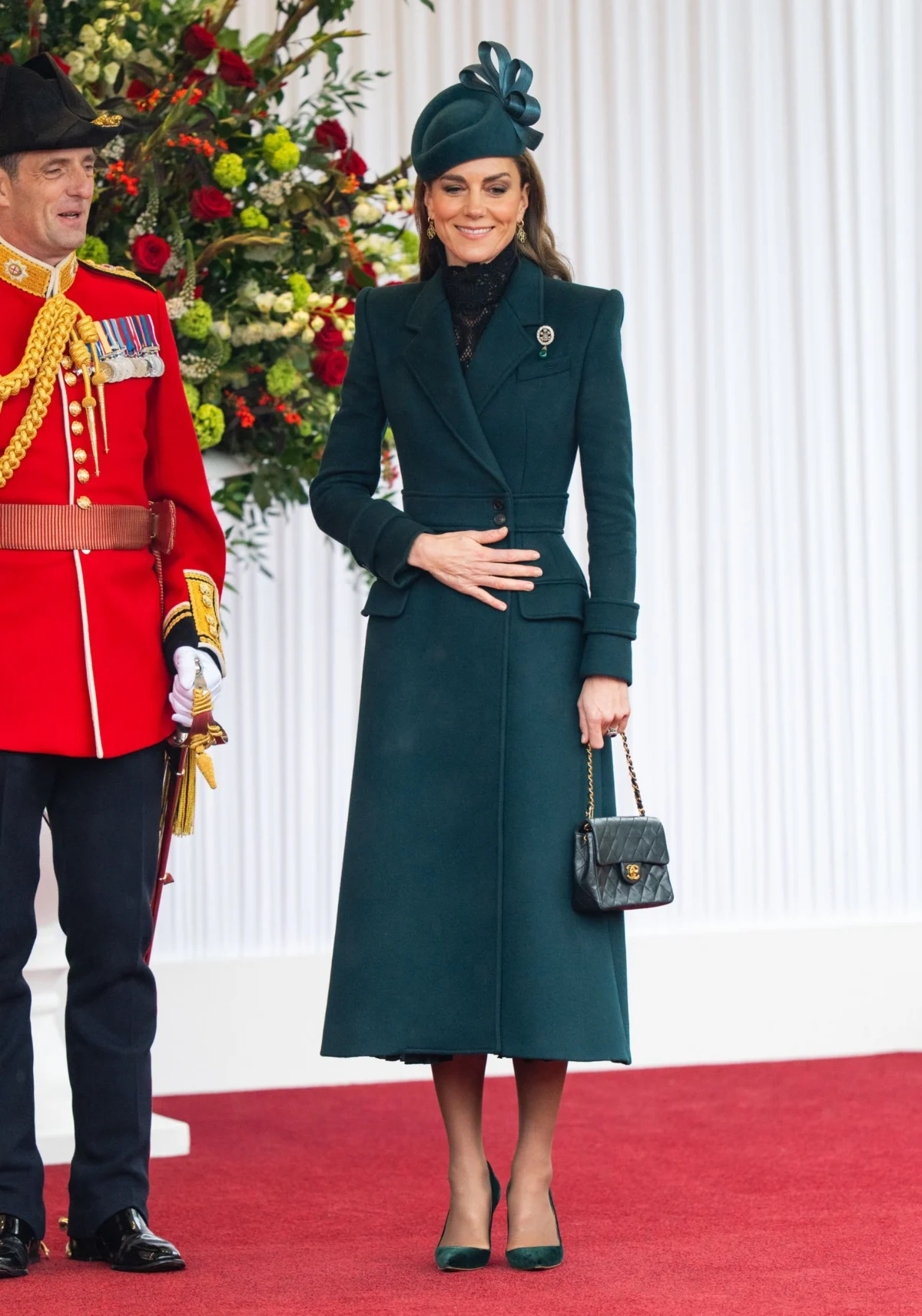
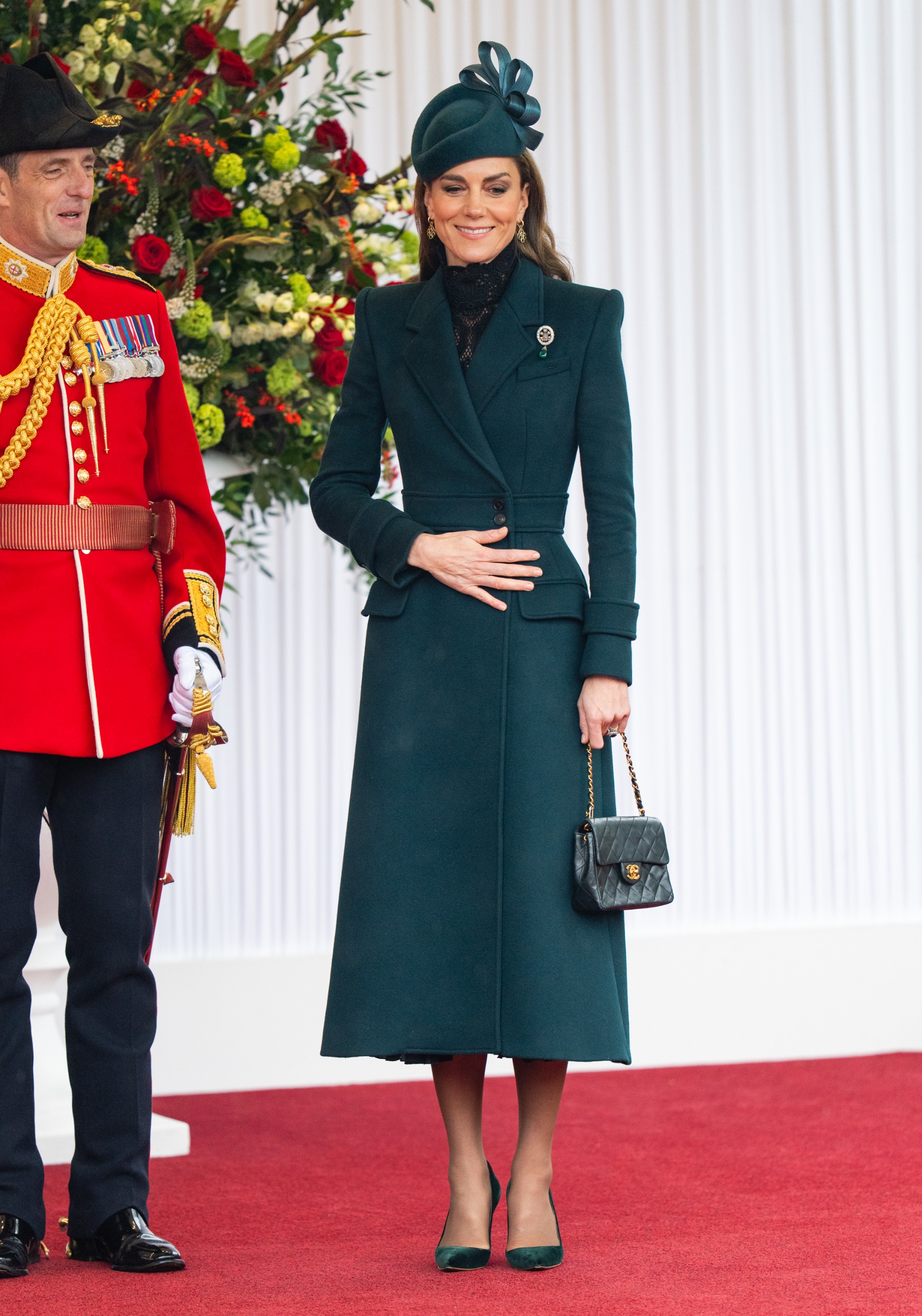
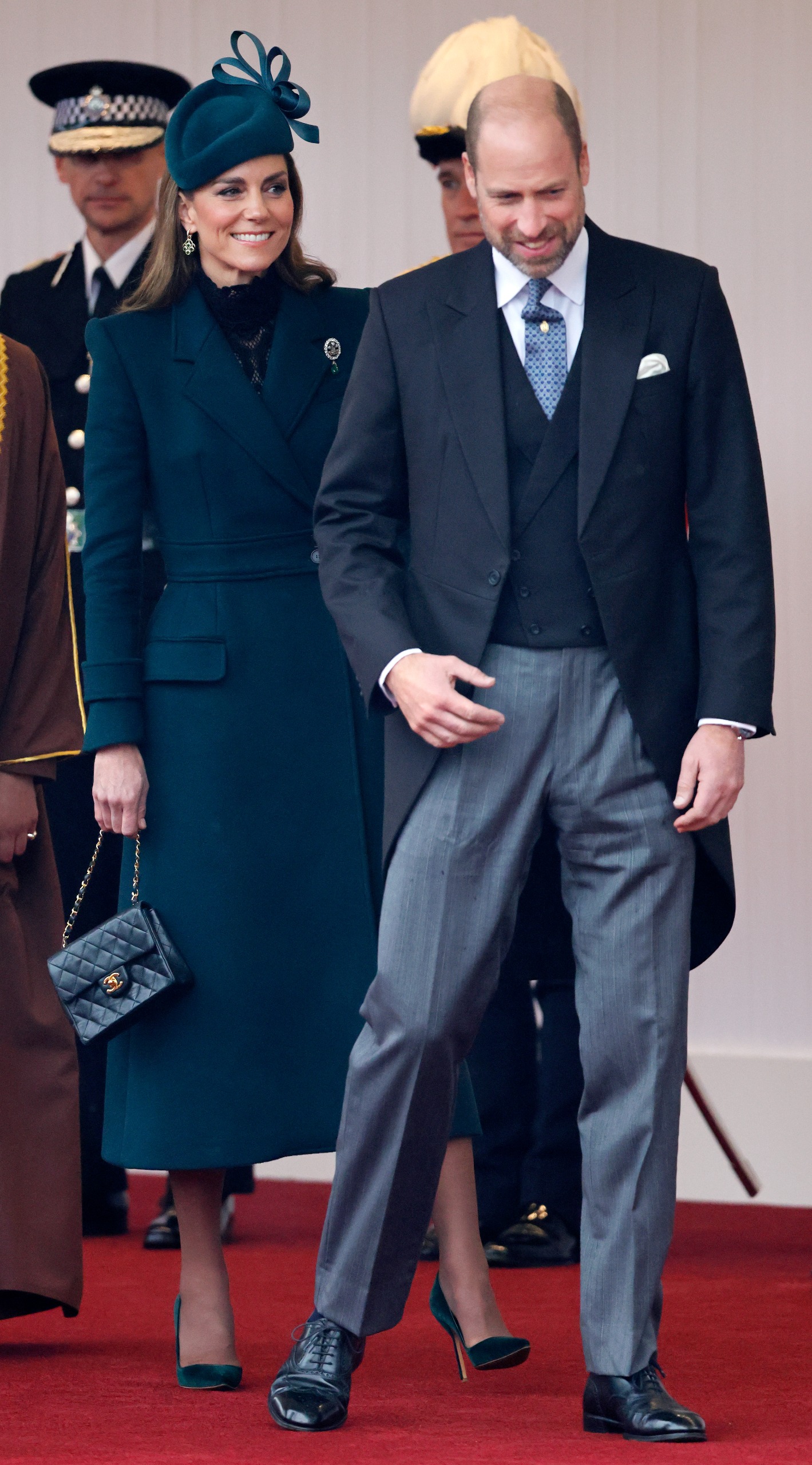
During a high-profile engagement at Windsor Castle to greet the Sultan of Oman, the Princess of Wales stepped out in a look that punctuated her signature refined style with an uncharacteristically bold accessory: a $11,700 Chanel Small Classic Flap Handbag. While the ensemble—anchored by a crisp, tailored Alexander McQueen coat, sophisticated Manolo Blahnik pumps, and understated Cassandra Goad earrings—remained firmly within her traditional sartorial wheelhouse, the inclusion of the iconic, logo-heavy Chanel piece serves as a significant departure from her usual brand-averse approach.
The Anatomy of the Royal Uniform: A Chronicle of Consistency
To understand the weight of this sartorial choice, one must first recognize the deliberate nature of Kate Middleton’s wardrobe. Since her entry into the public eye, the Princess has cultivated a brand identity defined by longevity and restraint. Her style is a masterclass in the "re-wear" philosophy, a practice that not only promotes sustainability but also anchors the monarchy in a sense of timelessness.
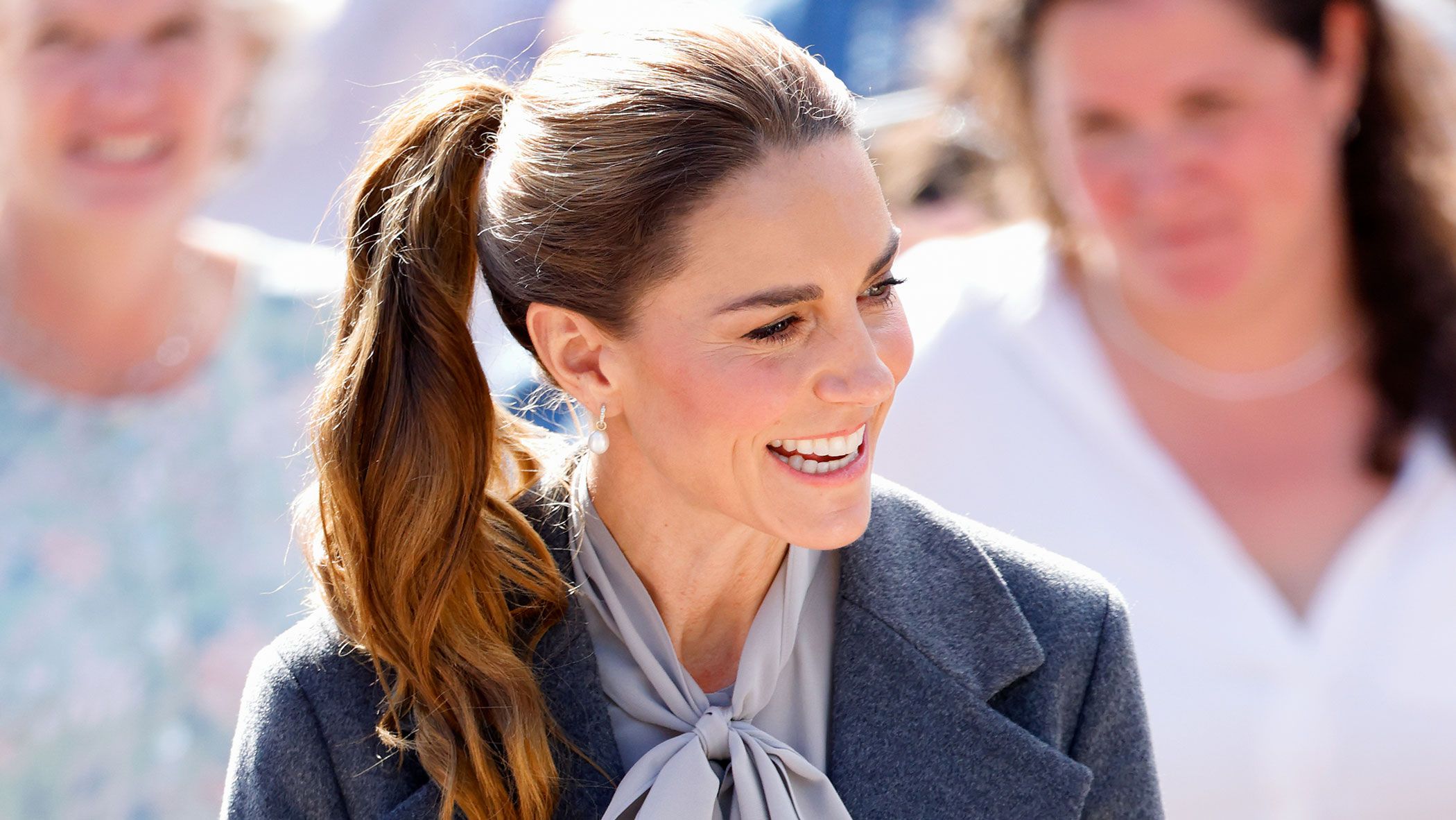
Her wardrobe staples—the Penelope Chilvers knee-high boots, the skinny jeans, the structured coat dresses—are designed to minimize distraction. By avoiding overt "logomania," the Princess has successfully navigated the thin line between royal accessibility and aspirational luxury. For years, her avoidance of splashy, monogrammed luxury goods has been interpreted as a nod to "quiet luxury"—a fashion movement that prioritizes quality, cut, and fabric over overt branding.
However, fashion is rarely static, even for a future Queen. Over the past twenty-four months, we have observed subtle, deliberate shifts in her silhouette. The transition from slim, cropped trousers to wide-leg, floor-sweeping tailoring was the first sign of a modernizing aesthetic. The introduction of the Chanel flap bag into this rotation suggests that while the Princess remains committed to her core values of elegance and appropriateness, she is willing to experiment with the high-fashion industry’s most enduring symbols of status.
Chronology of an Icon: From Traditionalist to Style Influencer
The Princess’s relationship with fashion has undergone several distinct phases, each mirroring the evolution of her public role.
- The Early Years (2011–2014): Defined by traditional British designers and a focus on high-street accessible pieces. Her style was youthful yet cautious, mirroring her transition into the institution of the Royal Family.
- The Refinement Phase (2015–2019): A deepening commitment to British fashion houses, most notably Alexander McQueen. This period solidified her silhouette—waisted, structured, and formal.
- The Modernization Era (2020–Present): A period marked by bolder color choices, the integration of trend-forward tailoring (the aforementioned wide-leg trousers), and a more experimental approach to accessories.
The arrival of the Chanel Classic Flap bag represents the apex of this modernizing phase. The bag, a design originally introduced by Coco Chanel in the 1950s, is perhaps the most recognizable luxury accessory in history. By carrying it, the Princess signals an appreciation for heritage fashion that transcends the boundaries of "quiet luxury," choosing instead to embrace a piece of global cultural iconography.
Supporting Data: The Value of the "Kate Effect"
The financial implications of the Princess’s fashion choices are staggering. Known as the "Kate Effect," every item the Princess wears often sees an immediate, exponential increase in demand. When the Princess wears a high-street brand, it is a boon for the British economy; when she chooses a heritage luxury house like Chanel, it shifts the global conversation around the brand’s relevance.
The Chanel Small Classic Flap Bag, currently retailing at $11,700, is not merely an accessory—it is a financial asset. Unlike fast-fashion items, the Chanel Classic Flap has historically outperformed many traditional investments in terms of resale value. Industry data from secondary market platforms like The RealReal and Fashionphile indicate that the demand for quilted Chanel flap bags remains consistently high, with values often appreciating year-over-year.
By choosing this specific piece, the Princess is acknowledging the longevity of luxury. It is a strategic endorsement of "investment dressing." In an era of economic uncertainty, the Princess’s choice to carry a bag that retains its value so effectively resonates with a demographic that views fashion as a long-term collection rather than a seasonal whim.
Official Responses and Stylistic Context
While Kensington Palace rarely comments on the specific monetary value or brand strategy behind the Princess’s wardrobe, the choice of accessories is never accidental. Every detail, from the Juliette Milinery hat to the Cassandra Goad earrings, is scrutinized by the Princess’s team to ensure it aligns with the tone of the engagement.
Fashion critics have noted that the selection of a Chanel piece for a diplomatic meeting with the Sultan of Oman is particularly significant. Diplomacy is often conducted through the subtle language of visual cues. Chanel, as a global brand with a deep history in European luxury, acts as a bridge between tradition and contemporary prestige. It projects a confidence that aligns with the Princess’s growing stature within the monarchy.
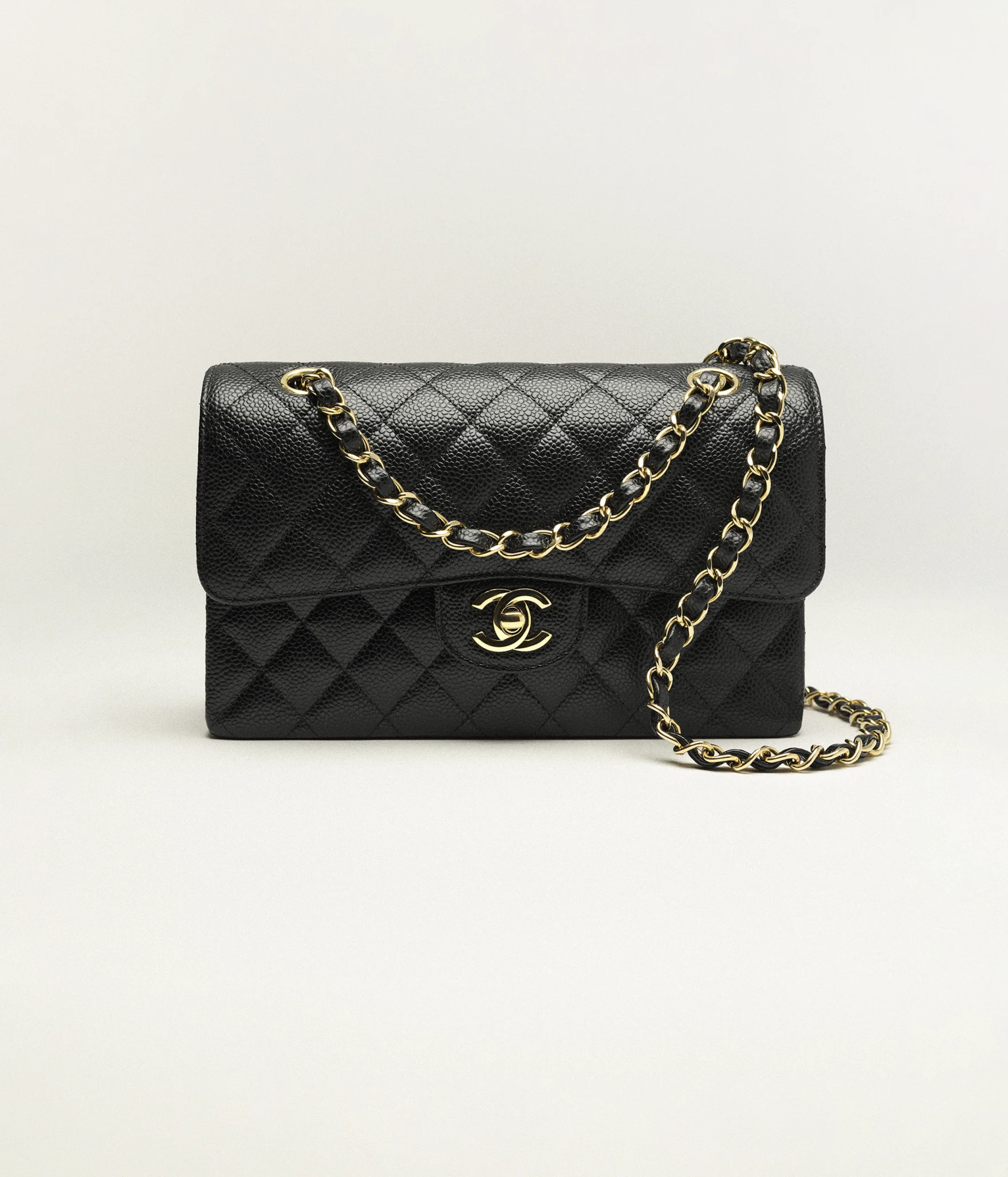
Observers suggest that this is not a sign of the Princess becoming "trendy," but rather her becoming more confident in her ability to influence the fashion narrative. By wearing the logo, she controls the conversation; she is no longer just wearing the clothes, she is shaping the brand’s association with royalty.
The Implications: What This Means for Future Royal Fashion
What are we to make of this departure from her usual brand-neutral stance?
First, it suggests a shift toward more assertive personal expression. For years, the Princess’s fashion was defined by what she avoided. Now, she is increasingly defined by what she chooses to include. The incorporation of global luxury brands indicates a Princess who is more comfortable leaning into her status as a global style icon.
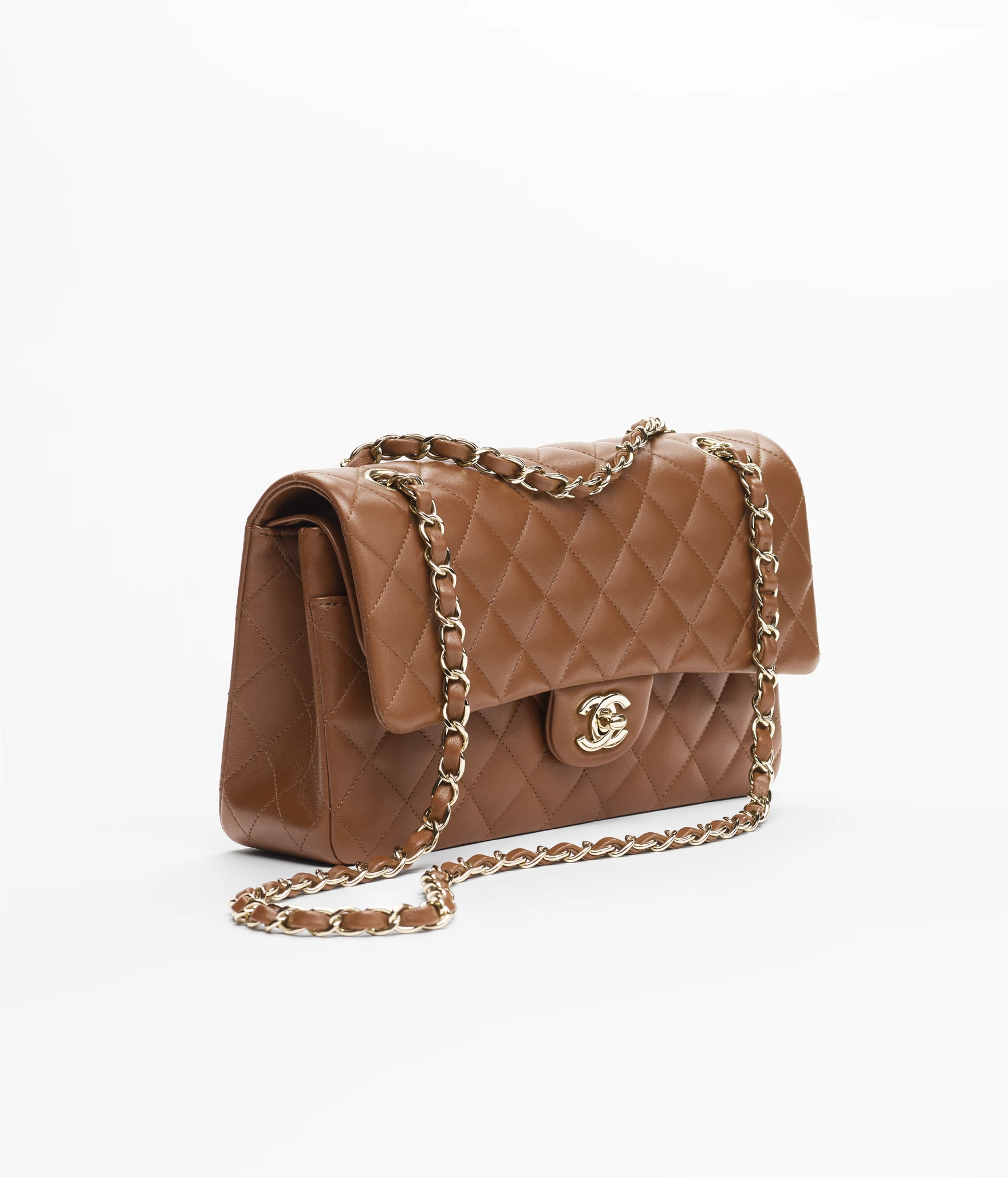
Second, it challenges the rigid definition of "quiet luxury." If a global icon can wear a classic, recognizable logo while still maintaining an air of regal dignity, then perhaps the dichotomy between "quiet" and "loud" luxury is less absolute than we once thought. It is possible to be recognizable, prestigious, and timeless all at once.
Finally, this moment highlights the changing nature of the monarchy’s public image. As the institution navigates a modern, digital-first world, the visual language of the royals must adapt. The inclusion of a high-fashion statement piece like a Chanel flap bag serves to keep the Princess relevant in a landscape dominated by influencers and high-fashion viral moments, without sacrificing the dignity and heritage required by her title.
Conclusion: A Masterclass in Stylistic Evolution
The Princess of Wales remains the most scrutinized fashion figure in the world, yet she continues to navigate this pressure with remarkable poise. Her recent outing at Windsor Castle, while appearing like a simple matter of accessories, was a sophisticated evolution of her personal brand.
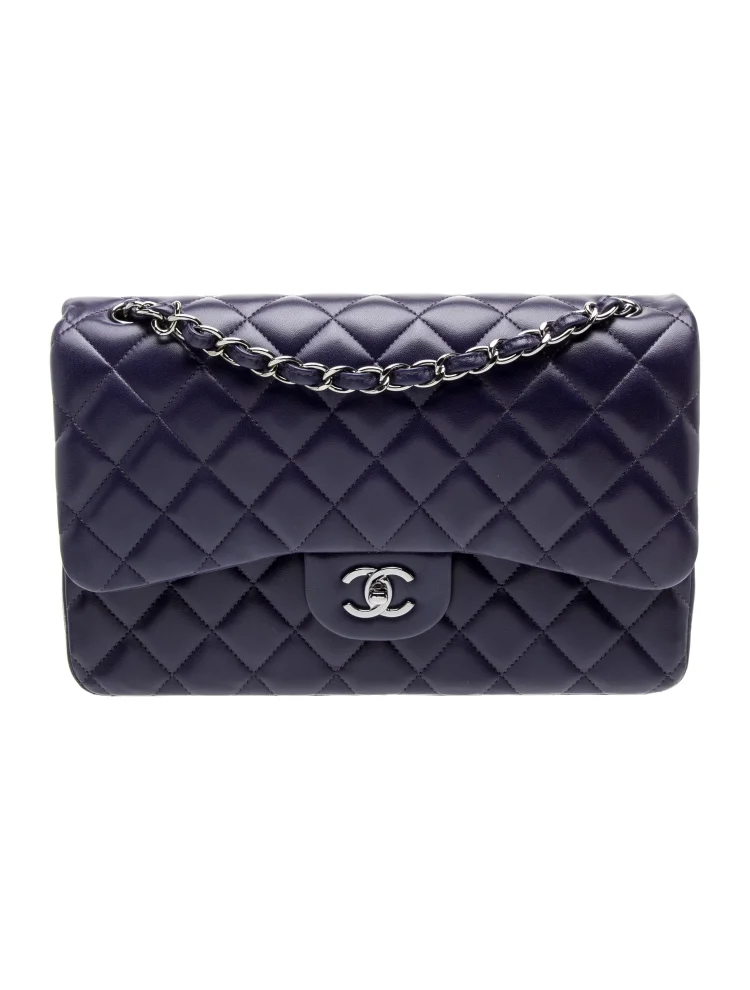
By blending the structure of her trusted Alexander McQueen tailoring with the iconic status of a Chanel Classic Flap bag, the Princess has demonstrated that she is not afraid to break her own rules. She has proven that "consistency" does not have to mean "stagnation." As she continues to define her role within the Royal Family, we can expect to see more of these carefully curated, high-impact stylistic moments. The Princess of Wales is, and always will be, the ultimate arbiter of royal style—a figure who knows exactly when to play by the rules, and exactly when to redefine them.
