

By Nora DeLigter
Let’s be honest: finding an apartment in New York City has never been an endeavor for the faint of heart. It is a ritual of endurance, a test of financial fortitude, and a masterclass in compromise. Yet, as we navigate the autumn of 2026, the local real estate market feels less like a search for a home and more like an endurance sport. We are witnessing a landscape where the most modest of studios command monthly rents that were, until recently, reserved for luxury suites, and where queues of desperate prospective tenants snake around city blocks, applications in hand, hoping for a mere glimpse of a walk-up.
This week, we cast our gaze across the city’s most coveted—and confusing—corners: from the collegiate corridors of Morningside Heights and the historic brownstone blocks of Brooklyn Heights to the architectural oddities of what we might call "Holland Tunnel Heights."
The Anatomy of the Current Market
The current rental climate is defined by a paradoxical scarcity. Despite the construction of high-rise towers in various boroughs, the inventory for the "everyman" apartment—the unit that balances charm, utility, and a price tag that doesn’t necessitate a second job—has evaporated.
To survive the current New York rental market, one requires three things: an iron stomach, a vivid imagination, and an unshakable belief that sacrificing square footage is a spiritual journey. It is a common refrain among brokers and tenants alike: “Who needs a pantry when you live within walking distance of forty restaurants you can’t afford?”
Chronology of a Search
The cycle of the modern New York apartment search is predictable. It begins with the initial optimism of browsing listings online, followed by the inevitable shock of the "price-to-square-footage" ratio. By mid-week, the applicant is attending open houses where the competitive pressure creates a palpable, frantic energy. By the weekend, the reality of "what is actually available" settles in, leading to the final stage: the compromise.
Spotlight: Manhattan’s North and South
Morningside Heights: The Campus Enclave
Morningside Heights remains a unique pocket of the city. Dominated by the rhythm of Columbia University, the neighborhood offers prewar architectural integrity that is difficult to find elsewhere at a comparable price point.
However, prospective renters should be wary of the "student surcharge." Units such as the two-bedroom at 414 West 121st Street ($4,695) showcase stunning mahogany paneling and original pocket shutters. While these features are undeniably desirable, the listing’s warning regarding the use of AI in property management—and the proximity to the university campus—suggests a transient environment. For some, the proximity to the library is a boon; for others, it is a noise hazard. Similarly, the $3,650 two-bedroom at 189 Claremont Avenue offers a glimpse of prewar charm with well-maintained moldings, catering to those who appreciate historical preservation but are willing to live amidst the bustle of academia.
The Holland Tunnel Frontier (Hudson Square)
What real estate agents are attempting to rebrand as "Hudson Square" is, to the seasoned New Yorker, simply the shadow of the Holland Tunnel. Yet, it is here that we find some of the most dramatic architectural conversions in the city.
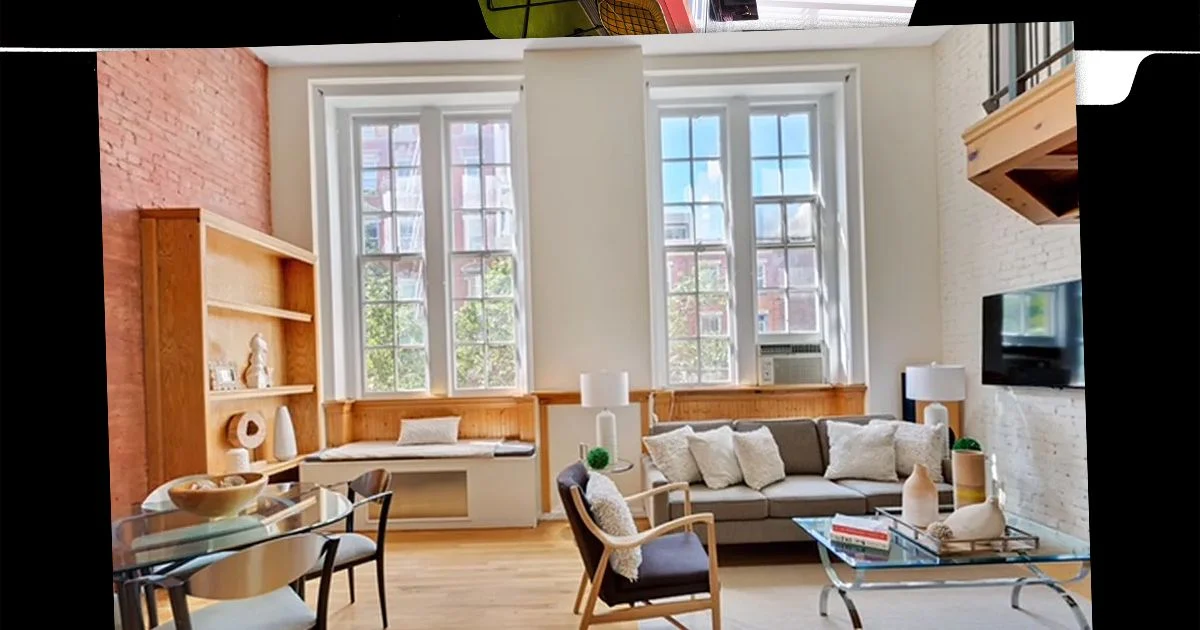
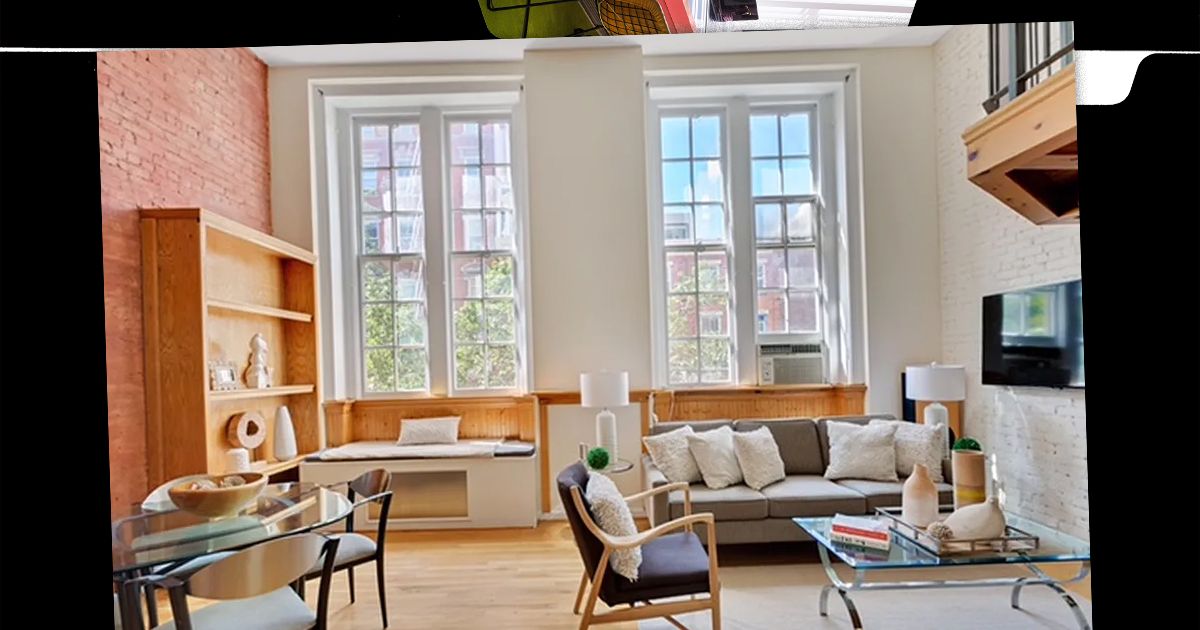
Consider 29 King Street, where a former grammar school has been repurposed into loft apartments. With sky-high windows and soaring ceilings, these units are structurally magnificent. At $12,000 for a one-bedroom, however, one must ask if the architectural pedigree justifies the price. It is a neighborhood in transition—caught between the gritty industrial history of the tunnel approach and the creeping gentrification of Soho.
Brooklyn’s Enduring Appeal: Heights and Beyond
Brooklyn continues to be the refuge for those seeking a "home" rather than just a "crash pad." 166 State Street in Brooklyn Heights is a prime example of why the borough commands such loyalty. The $3,500 one-bedroom listed here is, frankly, perfect. With its classic herringbone floors, abundant natural light, and the gentle curve of the living room wall, it reminds us why we put up with the stresses of the city.
However, the competition here is fierce. The "perfect" apartment in Brooklyn is rarely on the market for more than forty-eight hours. As we saw with the attic apartment at 218 St. Johns Place ($3,600), the unique, skylit spaces that offer a sense of "another dimension" are the first to be snatched up by those who possess both the liquidity and the decisiveness to act instantly.
Supporting Data: The Cost of Charm
To provide context for these listings, we must look at the broader economic markers of October 2026.
| Neighborhood | Property Type | Monthly Rent | Key Features |
|---|---|---|---|
| Greenwich Village | 1-Bedroom | $6,400 | Prewar layout, "Icebox" vintage fridge |
| Greenwich Village | 1-Bedroom | $7,700 | 1960s Condo, Roof Pool |
| Hudson Square | 1-Bedroom | $12,000 | Converted School, High Ceilings |
| Brooklyn Heights | 1-Bedroom | $3,500 | Herringbone floors, Historic |
| Morningside Heights | 2-Bedroom | $4,695 | Mahogany, Pocket shutters |
These figures indicate a clear divide. The luxury market (the $10k+ segment) is defined by amenities—rooftop pools, historical architecture, and square footage. The mid-range market ($3,500–$6,000) is defined by the "hunt." The searchers in this bracket are the ones truly testing their mettle, looking for the hidden gem amidst the "bad furniture, good bones" (BFGB) category.
Official Responses and Market Sentiment
We reached out to several brokerage firms regarding the current trend of "AI-assisted listings" and the high volume of interest in the $4,000–$5,000 price point.
"We are seeing a shift in how tenants evaluate property," says a representative from a leading Manhattan firm. "Tenants are no longer just looking at square footage. They are looking at the ‘vibe’—the Arts-and-Crafts details, the original woodwork, the potential for a home office. They are willing to pay a premium for character in a market where modern construction often feels sterile."
Conversely, critics of the market point to the "psychedelic color blocking" and "confused design choices" appearing in entry-level rentals as a sign of desperate landlords attempting to mask deficiencies in the underlying infrastructure. The consensus? If you see a listing with a "refreshing" color scheme, bring a flashlight and check the floorboards for rot.
Implications: The Future of Urban Living
What does this tell us about the future of New York City? The data suggests that we are moving toward a bifurcated housing market. On one side, we have the ultra-luxury sector, which remains largely insulated from the stresses of the common renter. On the other, we have a hyper-competitive middle market where the "potential" of a space—the ability to turn a closet into an office or a duplex into a cozy sanctuary—is the most valuable commodity.
Advice for the Prospective Tenant
- Develop an Iron Stomach: You will see things you cannot unsee. You will see bathrooms in kitchens and closets that barely fit a coat.
- Exercise Imagination: If you encounter a unit with "bad bones," ask yourself if a rug and a plant can truly hide the sins of the previous tenant.
- The "Campus" Factor: While proximity to schools like Columbia is often listed as a negative by some, it remains one of the few ways to secure a prewar unit at a semi-reasonable price point, provided you can handle the noise of a student body.
As we look toward the remainder of the year, the "Moving Month" pressure is unlikely to subside. The inventory is thin, the demand is relentless, and the price of charm is at an all-time high. Whether you are hunting for a brownstone in Brooklyn or a loft in the shadow of the Holland Tunnel, remember: you are not just renting an apartment. You are participating in a grand, chaotic, and often exhausting New York tradition. Good luck, and Godspeed.
