

In the vast landscape of fitness metrics—from VO2 max to resting heart rate—one vital indicator is consistently overlooked by the average gym-goer: grip strength. While many focus their training on aesthetic goals like bicep circumference or abdominal definition, medical researchers have long identified handgrip strength as a "vital sign" that reveals far more about your biological age and long-term health than a mirror ever could.
As we age, the gradual decline in grip strength is often dismissed as a natural consequence of the passing years. However, experts are now sounding the alarm: ignoring your grip is a missed opportunity to bolster your bone density, cognitive sharpness, and overall physical resilience. By integrating simple, targeted exercises into your home routine, you can effectively counteract this decline and future-proof your body.
The Science of the Grip: A Predictor of Longevity
Layne Nordquist, Senior Vice President of Fitness at VASA Fitness, underscores the gravity of this metric. "Grip strength is one of the simplest yet most powerful indicators of overall health and longevity, and fortunately, it is highly trainable," Nordquist explains.
Research published in major medical journals, including The Lancet, has consistently demonstrated that individuals with greater grip strength tend to live longer, experience fewer cardiovascular events, and maintain higher levels of functional independence as they age. But why does the strength of your hand matter to your heart or your brain?
The answer lies in systemic health. Grip strength acts as a proxy for overall muscle mass and neuromuscular function. When you possess a strong grip, it is typically indicative of high-quality muscle tissue throughout the entire body. Furthermore, researchers believe that the ability to exert force with the hands serves as a reliable marker of the body’s systemic ability to handle oxidative stress and inflammation over time.
Chronology of Decline: Why We Lose It
The deterioration of grip strength is rarely a sudden event; it is a slow, silent attrition.
- The Early Stages (30s–40s): During these decades, lifestyle shifts often lead to a reduction in heavy lifting and manual labor. As we transition into more sedentary, desk-bound careers, the muscles in the forearms, hands, and shoulders—which are essential for maintaining a strong grip—begin to lose their conditioning.
- The Middle Years (50s–60s): This is the critical window where sarcopenia (the age-related loss of muscle mass) begins to accelerate. Without intentional resistance training, the grip begins to weaken noticeably. This is often the period where people first notice difficulty opening jars or carrying heavy groceries.
- The Late Stages (70s+): By this stage, low grip strength becomes a primary risk factor for falls. A weak grip makes it difficult to steady oneself or react quickly, leading to an increased incidence of fractures and loss of mobility.
Supporting Data: The Clinical Perspective
The clinical data supporting the importance of grip strength is robust. Studies have shown that for every 5-kilogram decrease in grip strength, there is an associated increase in all-cause mortality, cardiovascular mortality, and respiratory disease mortality.
Beyond mortality rates, grip strength is a key metric in assessing bone mineral density. The mechanical stress placed on the skeletal system during exercises that require a firm grip stimulates bone remodeling, which is essential for preventing osteoporosis. Furthermore, cognitive studies have suggested a link between physical strength markers and executive function. When the body is physically robust, the brain benefits from improved systemic circulation and reduced levels of systemic inflammation, both of which are critical for long-term cognitive health.
Expert Insight: Layne Nordquist on Functional Resilience
"Research has found that individuals with greater grip strength tend to live longer, experience fewer cardiovascular events, and maintain higher levels of function as they age," says Nordquist. "Researchers believe grip strength serves as a powerful indicator of overall muscle quality, physical resilience, and the body’s ability to handle stress over time."
Nordquist emphasizes that because the grip is a "use-it-or-lose-it" system, it is highly responsive to training. You do not need a commercial gym membership or heavy machinery to see results. By focusing on tension-based movements, you can rebuild your grip strength within the comfort of your own living room.
Implementing the Protocol: Four Exercises for Life
To reclaim your functional health, Nordquist recommends four primary movements that target the forearm flexors, the connective tissues of the hands, and the stabilization muscles of the shoulders and core.
1. The Farmer’s Carry
The Farmer’s Carry is the gold standard for functional strength. It mimics the act of carrying heavy objects, which is a fundamental human movement.
- The Execution: Hold a heavy weight in each hand. Stand tall with your shoulders back and your core braced. Walk with a steady, deliberate gait for a set distance or time.
- The Benefit: This move forces the hands to remain under constant tension while simultaneously challenging your posture and spinal stability.
2. The Suitcase Carry
A variation of the traditional carry, the suitcase carry provides an asymmetrical load.
- The Execution: Hold a weight in only one hand. Keep your torso perfectly upright, resisting the urge to lean toward the side of the weight. Walk for the prescribed distance, then switch hands.
- The Benefit: This is an exceptional tool for core engagement. It forces the obliques and deep stabilizers to work double-time to prevent the body from tilting, while the grip on the weighted side works to maintain the hold.
3. The Dead Hang
The Dead Hang is perhaps the most efficient way to improve grip endurance without requiring complex equipment.
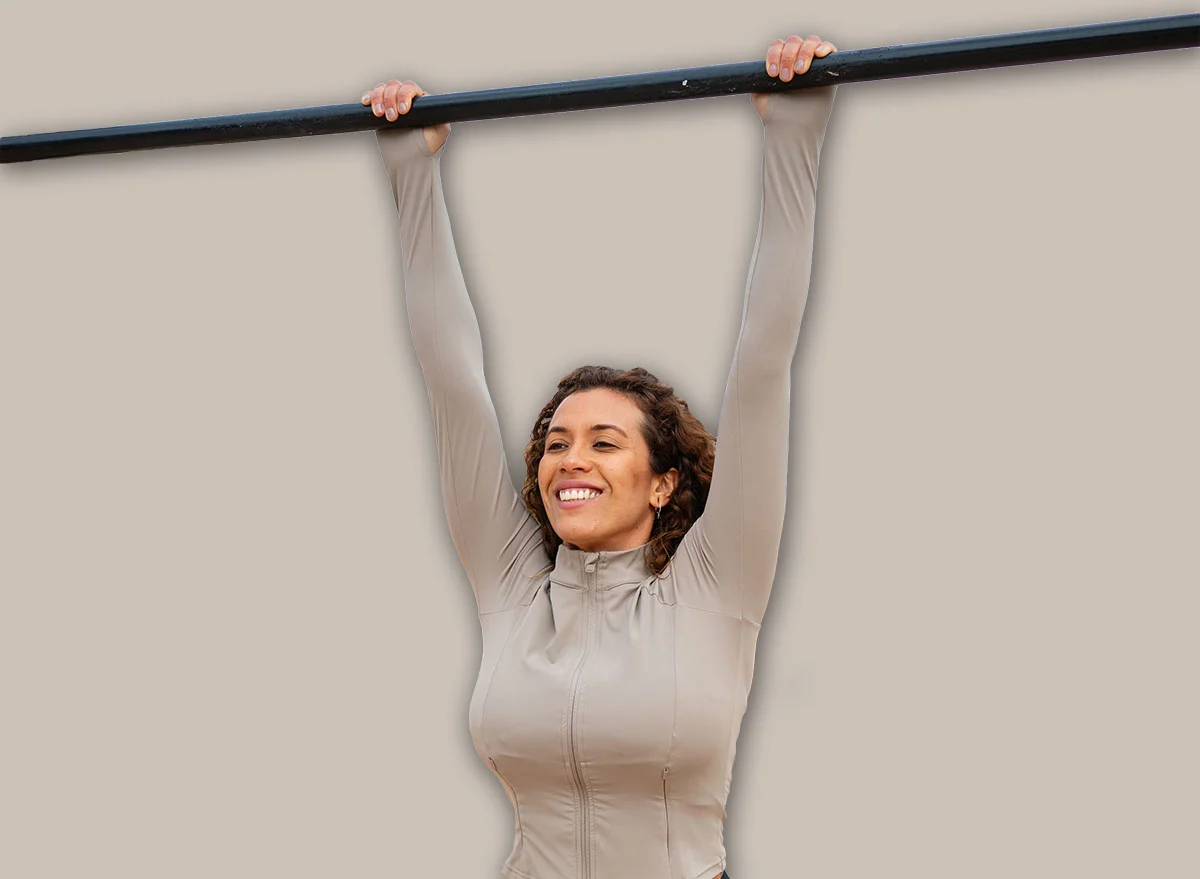
- The Execution: Using a pull-up bar, grasp the bar with both hands, palms facing forward or away. Let your body hang completely, keeping your shoulders active—avoid "shrugging" into your ears.
- The Benefit: This exercise places the forearms under a sustained, static stretch. It also promotes shoulder health and spinal decompression, making it a dual-purpose movement.
4. The Timed Hang
A progression of the dead hang, the timed hang introduces a goal-oriented mindset to your training.
- The Execution: Set a timer and attempt to hold the bar for as long as possible with good form. Record your time and attempt to increase it by 2–5 seconds each week.
- The Benefit: By tracking your time, you create a quantifiable metric for progress. This psychological element encourages consistency, which is the most important factor in long-term health improvements.
Implications for Future Health
The shift toward viewing grip strength as a primary health indicator is changing how we approach geriatric care and preventative medicine. We are moving away from a model that prioritizes only aerobic exercise and toward a more comprehensive view of "musculoskeletal health."
By focusing on these four movements, you are doing more than just improving your ability to open a stubborn jar. You are investing in your future ability to remain independent. The implications are clear: a stronger grip is a literal hold on your future health. Whether you are in your 30s looking to optimize performance or in your 60s looking to preserve mobility, the time to begin your grip-strengthening journey is now.
In a world of complex, high-tech fitness fads, the most effective tool you have is already at the end of your arms. Treat your grip with the same respect you give your heart, and your body will thank you for years to come.
