

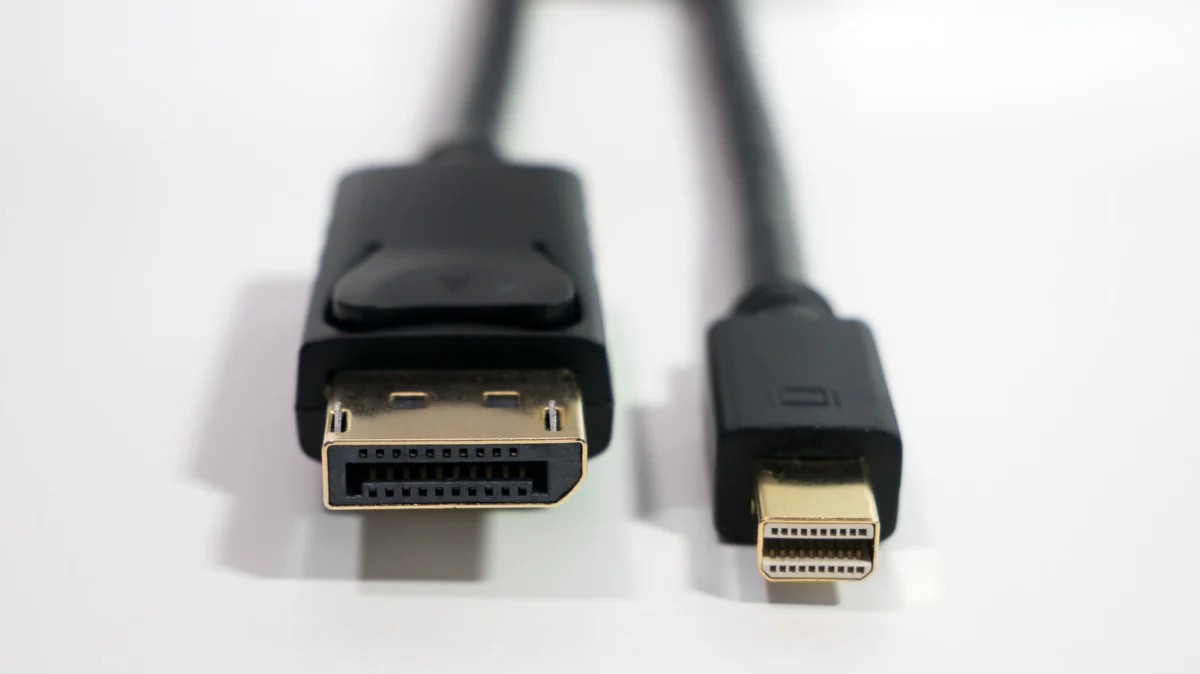
For over a decade, the Mini DisplayPort (mDP) was the silent workhorse of the tech world. Introduced by Apple in 2008 as a sleek, compact alternative to the bulky VGA and DVI ports that dominated the early 2000s, it promised a future of simplified connectivity. For a generation of MacBook users, that small, notched port was the primary gateway to external monitors, projectors, and creative workflows.
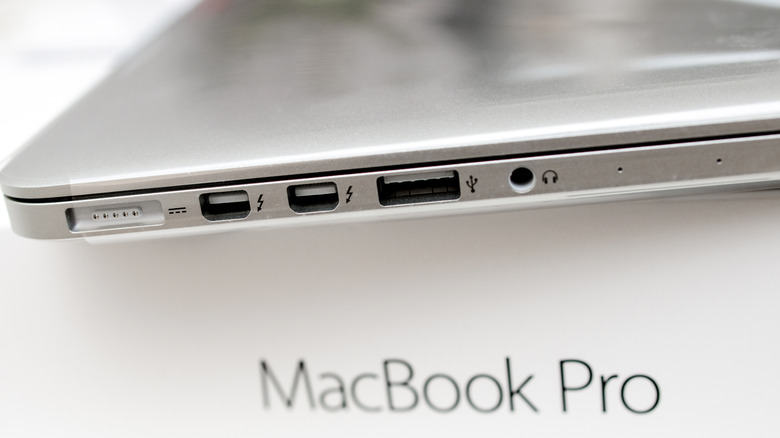
However, if you look at the chassis of a brand-new MacBook Pro or a modern ultrabook today, you will find that the Mini DisplayPort has vanished. In its place sits the ubiquitous USB-C port. This transition has left many wondering: Is the Mini DisplayPort officially dead, or has it simply evolved into a new form? While the physical connector is undoubtedly fading into the annals of computing history, the underlying technology remains more relevant than ever.
The Chronology of a Connector: From Innovation to Integration
The story of Mini DisplayPort is inextricably linked to the design philosophy of Apple in the late 2000s. Seeking to trim the profile of their laptops, Apple engineers needed a video interface that didn’t compromise on signal quality but occupied a fraction of the space.
- 2008: Apple unveils the Mini DisplayPort, integrating it into the aluminum unibody MacBook line. It was a bold move that signaled a departure from proprietary or aging standards.
- 2011: Intel and Apple collaborate to integrate the Thunderbolt protocol into the Mini DisplayPort connector. This was a watershed moment: the same port could now carry high-resolution video and high-speed data simultaneously.
- 2015–2016: The industry reaches a tipping point. With the release of Thunderbolt 3, the industry pivots toward the USB-C form factor. The smaller, reversible, and more versatile USB-C connector begins to cannibalize the space once occupied by mDP.
- 2020–Present: Major manufacturers, including Apple, move exclusively to USB-C/Thunderbolt 4 or HDMI 2.1, effectively removing Mini DisplayPort from consumer-grade hardware.
The Technical Shift: Why Mini DisplayPort Faded
The decline of the Mini DisplayPort was not due to a failure of the technology, but rather a triumph of the USB-C standard.
The Versatility of USB-C
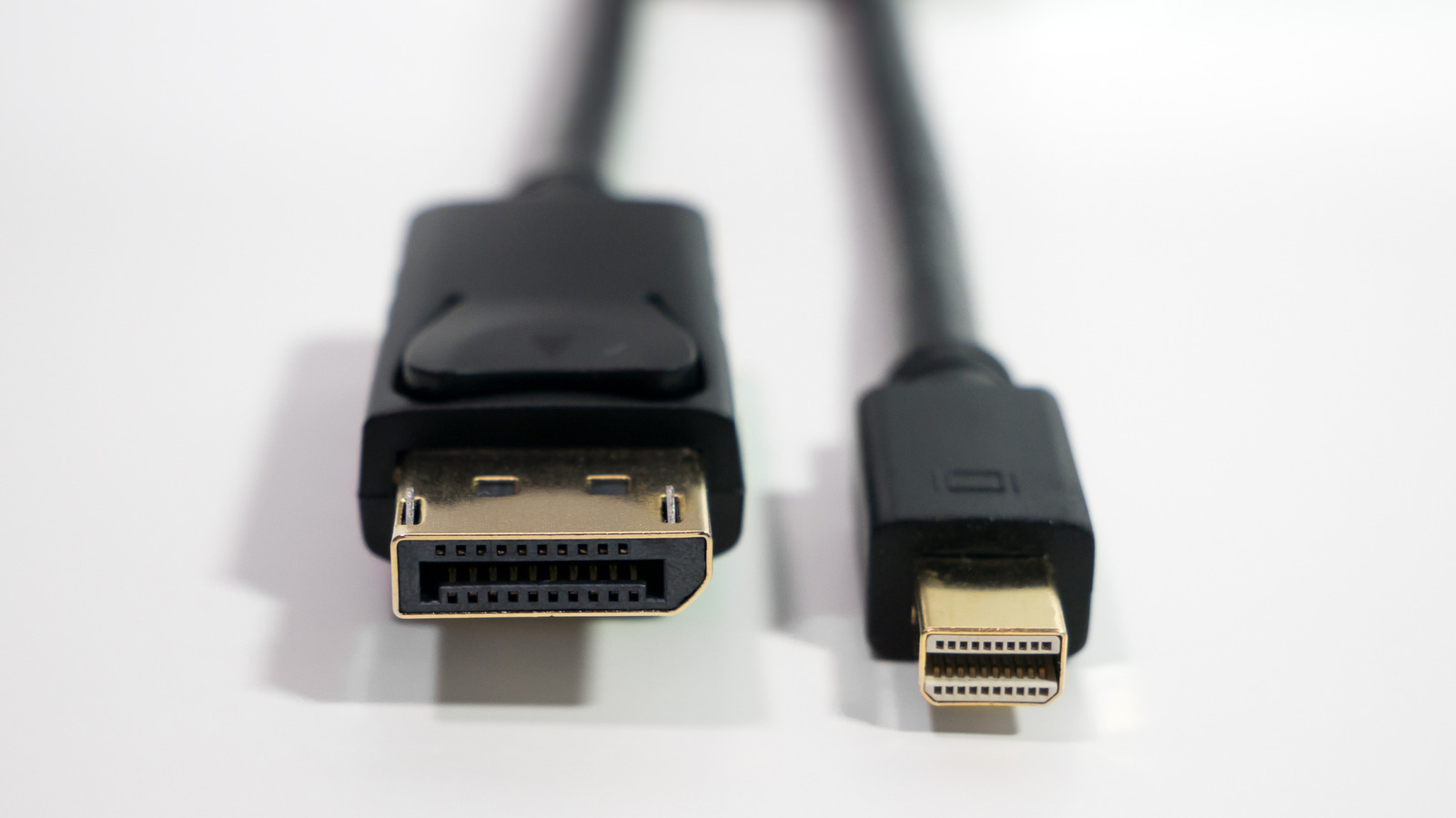
The primary advantage of the Mini DisplayPort was its compact size, but it was a "single-purpose" port. It handled video and audio, but it lacked the power delivery and high-speed data capabilities that modern computing requires. USB-C changed the game by offering a "do-it-all" solution. A single USB-C port can charge a laptop, transfer gigabytes of data to an external SSD, output 4K video to a monitor, and daisy-chain peripherals—all simultaneously.
DisplayPort Alternate Mode
Crucially, the industry didn’t abandon the DisplayPort protocol when it abandoned the connector. Through "DisplayPort Alternate Mode" (Alt Mode), modern USB-C ports can transmit the native DisplayPort signal. This means that if you own a USB-C to DisplayPort cable, your computer is still technically speaking the language of DisplayPort; it is simply using a different physical medium to transport that data. This backward compatibility ensured that while the Mini DisplayPort hardware died, the ecosystem survived.
Supporting Data: Bandwidth and Performance Metrics
To understand why the industry remains tethered to the DisplayPort standard, one must look at the raw numbers. In the high-performance computing and gaming sectors, DisplayPort remains the gold standard.
| Feature | DisplayPort 1.4 | DisplayPort 2.1 | HDMI 2.1 |
|---|---|---|---|
| Max Bandwidth | 32.4 Gbps | 80 Gbps | 48 Gbps |
| 4K Support | Up to 120Hz | Up to 240Hz+ | Up to 120Hz |
| 8K Support | Supported (compressed) | Native support | Supported (compressed) |
While HDMI has made massive strides, particularly with the introduction of HDMI 2.1, DisplayPort 2.1 remains the technical leader in raw throughput. For competitive gamers who require ultra-high refresh rates and professional colorists working with 8K RAW video, DisplayPort is the only interface that provides the overhead necessary for uncompressed, high-fidelity signal transmission.
Industry Implications: What This Means for Users
The transition away from Mini DisplayPort has significant implications for how we manage our hardware, particularly for those with "legacy" setups.
The "Dongle" Era
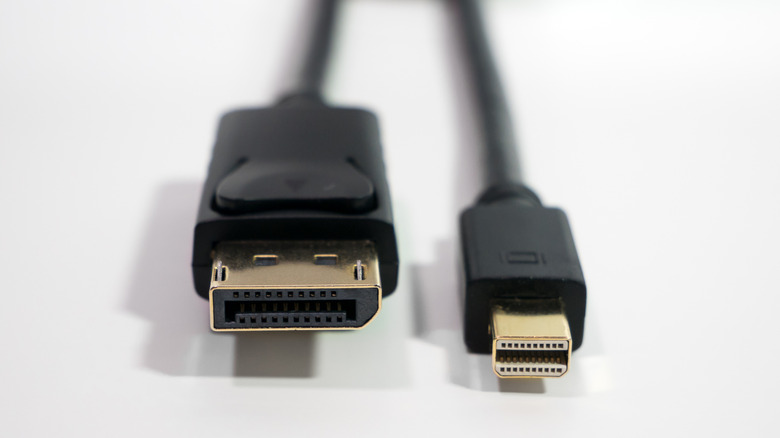
The most immediate implication of the shift to USB-C is the proliferation of adapters. Users with older monitors that only feature Mini DisplayPort inputs now rely on specialized cables or dongles. While these adapters are widely available and generally reliable, they introduce a point of failure and aesthetic clutter that the industry once promised to eliminate.
Professional Hardware Bottlenecks
In professional environments—such as film studios or high-end engineering firms—the shift has caused some friction. Older hardware, such as the legendary Apple Cinema Display, relies on specific Mini DisplayPort/Thunderbolt configurations that do not always "handshake" correctly with modern USB-C to DisplayPort adapters. These hardware-software compatibility gaps are the primary reason why some professionals continue to hold onto older workstations that still feature the native ports.
Where DisplayPort Still Makes Sense
Despite the dominance of USB-C and the maturity of HDMI, the standard-sized DisplayPort remains the undisputed champion of the desktop environment.
- Graphics Cards: Almost every dedicated GPU from NVIDIA and AMD comes equipped with at least three full-sized DisplayPort outputs. This is because DisplayPort supports multi-stream transport (MST), allowing users to daisy-chain multiple monitors from a single port—a feature that remains clunky or unsupported in many HDMI-based setups.
- High-End Gaming: For the enthusiast market, DisplayPort is essential for enabling G-Sync and FreeSync technologies at high resolutions. While HDMI 2.1 has begun to support these features, DisplayPort remains the "native" interface for these technologies, offering the most stable and flicker-free experience.
- VR and AR: Virtual Reality headsets, particularly high-fidelity PC-VR setups, are notoriously sensitive to signal latency. Manufacturers of these headsets almost exclusively utilize DisplayPort for their high-bandwidth video requirements, as the standard is better optimized for the low-latency, high-frame-rate requirements of immersive environments.
Conclusion: A Graceful Evolution
Is the Mini DisplayPort obsolete? In the context of consumer laptop design, the answer is a definitive yes. It has been replaced by the more functional and compact USB-C port, a move that has objectively improved the utility of our mobile devices. However, the standard behind the port—DisplayPort—is more alive than ever.
We are not witnessing the death of a technology, but rather its migration. The "mini" connector served as a necessary bridge, moving us away from the analog age of VGA and into the high-bandwidth digital era. Today, the DisplayPort protocol has simply shed its specific skin to be absorbed into the universal language of USB-C. For the average user, the change is seamless. For the enthusiast and the professional, the standard continues to provide the necessary headroom for the next generation of visual fidelity. The port may be gone, but the signal remains as strong as ever.
