

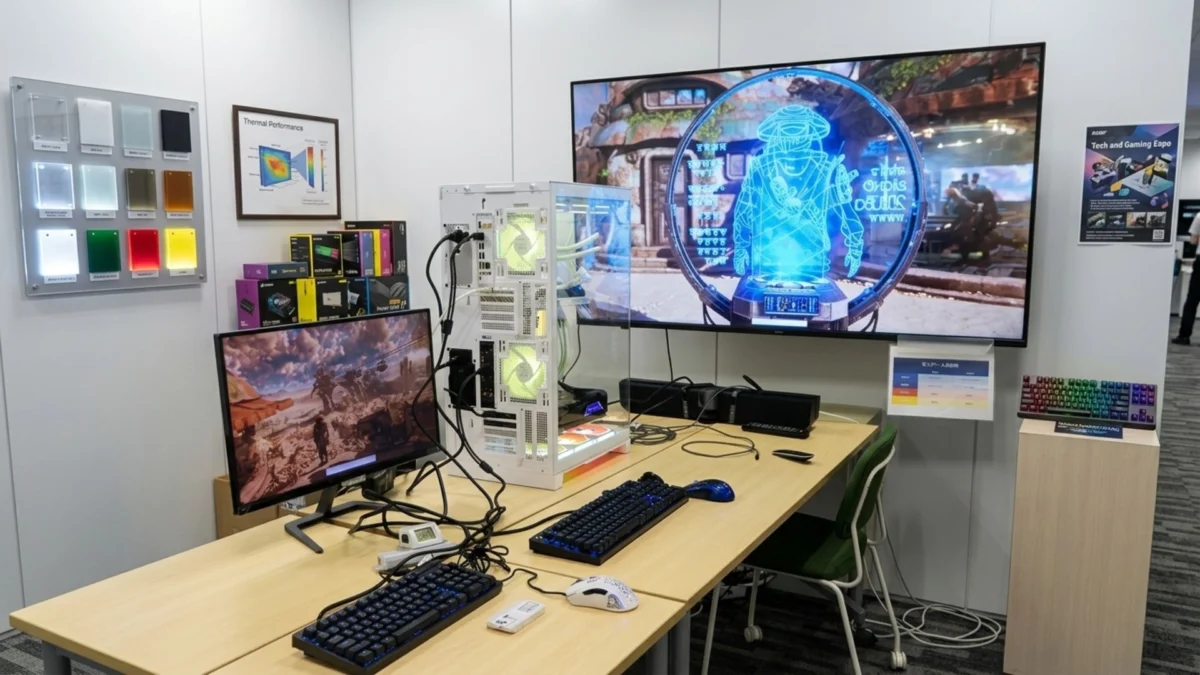
In an era where PC enthusiasts and power users increasingly demand high-performance computing without the footprint of two separate workstations, Thermaltake has introduced the CAPO X. This full-tower enclosure is not merely a standard chassis scaled up; it is an ambitious engineering project designed to house two independent computer systems within a single, unified frame. While dual-system cases have existed in the past as niche luxury items, the CAPO X promises a more refined, performance-oriented approach. However, as recent stress testing indicates, the physics of thermodynamics within a shared enclosure presents a unique set of challenges that builders must carefully navigate.
Main Facts: A Dual-System Powerhouse
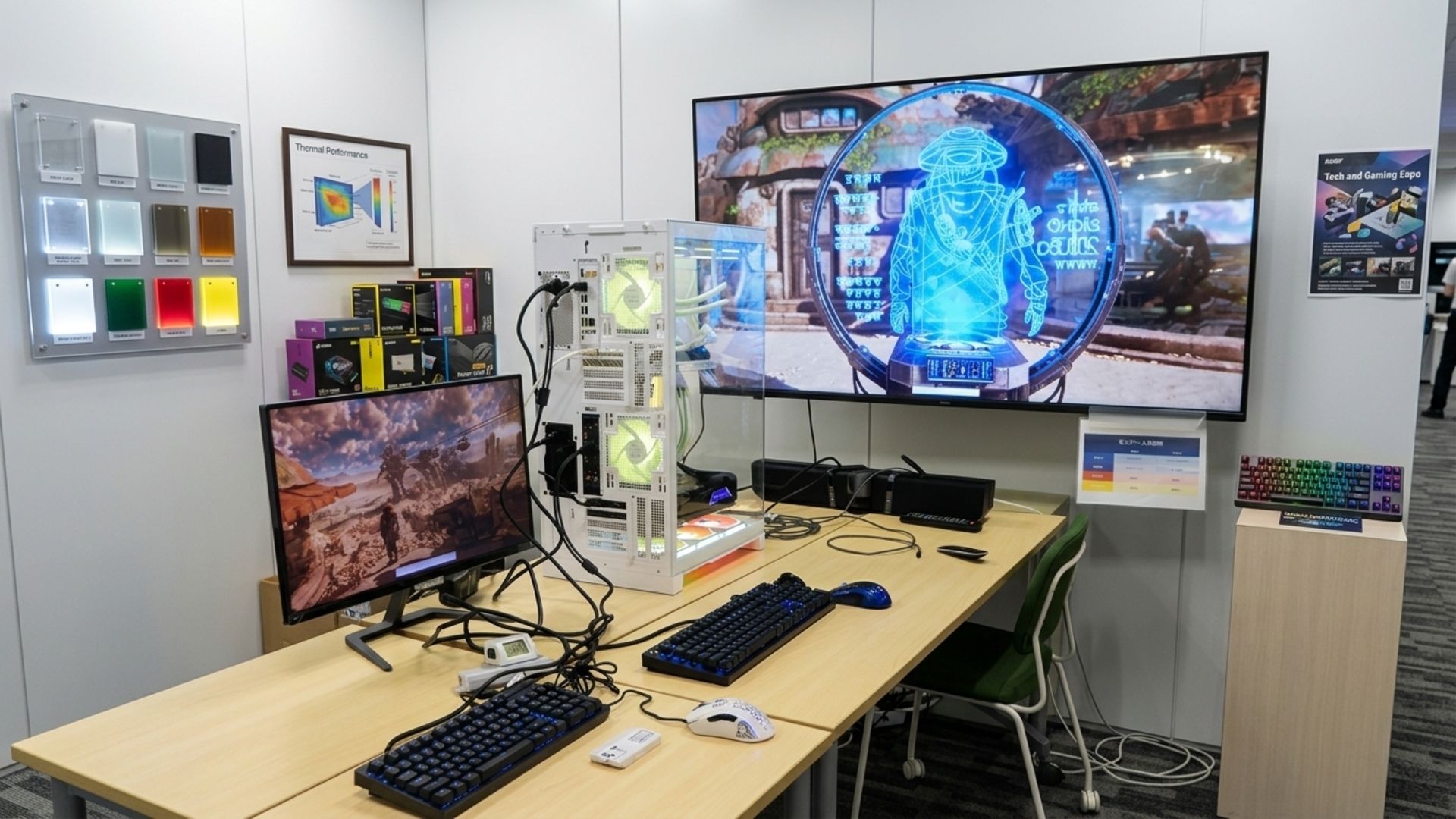
The Thermaltake CAPO X is designed for users who require two distinct computing environments—perhaps a primary gaming rig and a dedicated streaming or server system—without sacrificing desk space. The chassis is cavernous, allowing for the installation of two independent motherboards, two power supply units, and dual storage arrays.
The primary allure of the CAPO X is its internal zoning. By separating the enclosure into upper and lower compartments, Thermaltake aims to isolate the heat signatures of two high-end machines. However, the critical question for any enthusiast considering this case is whether "independent" truly means "thermally isolated." Recent testing conducted in Japan suggests that while the system is highly capable, it behaves as a single thermal ecosystem rather than two disconnected silos.
Chronology of the Stress Test
To evaluate the efficacy of this dual-system layout, a recent technical review subjected the CAPO X to a rigorous, multi-stage stress test.
The Setup:
- Upper Compartment: An AMD Ryzen 7 9800X3D processor paired with a Radeon RX 9070 XT GPU.
- Lower Compartment: An Intel Core Ultra 7 265K processor matched with an NVIDIA GeForce RTX 5070 Ti.
The Test Phases:
- Baseline Individual Testing: Each system was operated in isolation to establish a thermal "ground truth" for the components within the chassis.
- Simultaneous Heavy Load: Both systems were subjected to Cinebench 2026 (for CPU) and 3DMark Steel Nomad Stress Test (for GPU) simultaneously.
- Thermal Impact Analysis: The researchers measured the temperature delta between independent operation and simultaneous operation to determine how much the lower system’s exhaust affected the upper compartment’s intake.
Supporting Data: The Thermodynamics of Coexistence
The results of the stress testing provide a fascinating look at the limitations of vertical stack cooling in a shared chassis.
Thermal Performance Metrics
Under independent workloads, the components performed admirably. The AMD configuration in the upper compartment hovered consistently around 60°C for both CPU and GPU. Similarly, the lower Intel/NVIDIA configuration maintained stable temperatures, with the RTX 5070 Ti at 60°C and the Core Ultra 7 265K at 50°C.
When both systems were engaged, however, the "thermal coupling" effect became evident. The upper system experienced a measurable temperature increase of approximately 5°C. This rise suggests that the exhaust air from the lower chamber—which is inherently warmer after passing over the Intel CPU and NVIDIA GPU—is being partially recycled or is significantly pre-heating the intake air for the upper chamber.
Airflow and Exhaust Dynamics
The presence of warmer air emerging from the upper rear fan confirmed the suspicion that the lower chamber’s heat signature is bleeding into the upper zone. While a 5°C variance is generally within the safe operating margins for modern silicon, it highlights that the CAPO X is not a "set it and forget it" enclosure. The testing team concluded that the internal airflow dynamics are highly susceptible to the rotational speeds of the case fans and the placement of exhaust vents.
The Builder’s Experience: Complex Assembly
Beyond thermal performance, the CAPO X presents a significant challenge for the average PC builder. Unlike a standard ATX build, which follows a well-trodden path, the CAPO X requires the coordination of two independent cable management schemes.
Cable Management and Hardware Density
One of the primary drawbacks noted during the assembly process was the lack of an integrated fan hub. In a build with two systems, the number of fans can easily exceed 10 or 12 units. Without a centralized hub, the cable management in the rear chamber can quickly become a "spaghetti" of PWM and ARGB wires. Builders should anticipate the need to purchase an aftermarket controller to maintain a clean aesthetic and ensure that fan curves can be managed effectively.
The Learning Curve
The CAPO X demands that builders view the case not as two boxes, but as one interdependent system. The interaction between the compartments means that a change in the lower system’s fan profile can have a direct, measurable impact on the upper system’s stability. For the seasoned professional or enthusiast, this provides a "tuning" opportunity—adjusting fan speeds and airflow directions to optimize the entire enclosure—but for the novice, it introduces a level of complexity that could result in sub-optimal thermal performance if not addressed.
Official Responses and Industry Context
While Thermaltake has not issued a specific "fix" or update regarding the thermal delta observed in testing, the industry consensus is that the CAPO X performs exactly as expected for a high-density, multi-system chassis. Thermaltake has historically leaned into the "enthusiast builder" market, and the CAPO X is clearly designed for those who enjoy the process of custom-tuning their hardware.
The company’s design philosophy here seems to prioritize utility and space-saving over plug-and-play simplicity. By providing massive internal volume and ample cable routing space, they have mitigated the most frustrating aspects of dual-system builds, leaving the remaining thermal optimization to the user.
Implications: Is the CAPO X Right for You?
The Thermaltake CAPO X is a specialized tool. If you are a streamer who requires a secondary PC for encoding, or a professional who needs a dedicated workstation and a separate gaming environment in a single footprint, the CAPO X is an unparalleled solution.
Key Takeaways for Potential Buyers:
- Thermal Management is Manual: Do not expect both systems to run at full load without considering the impact of the lower system’s heat on the upper system. High-performance, high-static-pressure fans are recommended to move air out of the case quickly.
- Plan for the Build: The complexity of installing two power supplies and two motherboards means the assembly process will take significantly longer than a standard build. Plan for cable management tools, splitters, or hubs before you start.
- Performance Stability: The 5°C increase observed during stress testing is not a "failure." Modern components are designed to handle such fluctuations with ease. However, for those aiming for record-breaking overclocking, the CAPO X may require custom liquid cooling loops to truly isolate the thermal paths of the two systems.
Future Outlook
The CAPO X represents a bold step forward in the evolution of PC enclosures. As component power density continues to rise, the challenge of cooling dual systems in a single box will only intensify. Thermaltake’s willingness to push the boundaries of what a full tower can do is a positive signal for the market.
Looking ahead, we may see iterations of this design that include better-integrated fan hubs or more sophisticated internal ducting to further isolate the thermal zones. For now, the CAPO X remains one of the most capable, albeit challenging, cases on the market. It is a product built for those who derive as much satisfaction from the act of building and tuning as they do from the performance of the machines themselves.
If you are prepared to put in the time to configure the fans, manage the cables, and balance the thermal output of two high-end systems, the CAPO X offers a unique, efficient, and aesthetically striking home for your computing hardware. For everyone else, it serves as a reminder that as we push the limits of desktop computing, the laws of physics—specifically thermodynamics—remain the ultimate gatekeeper of performance.
