

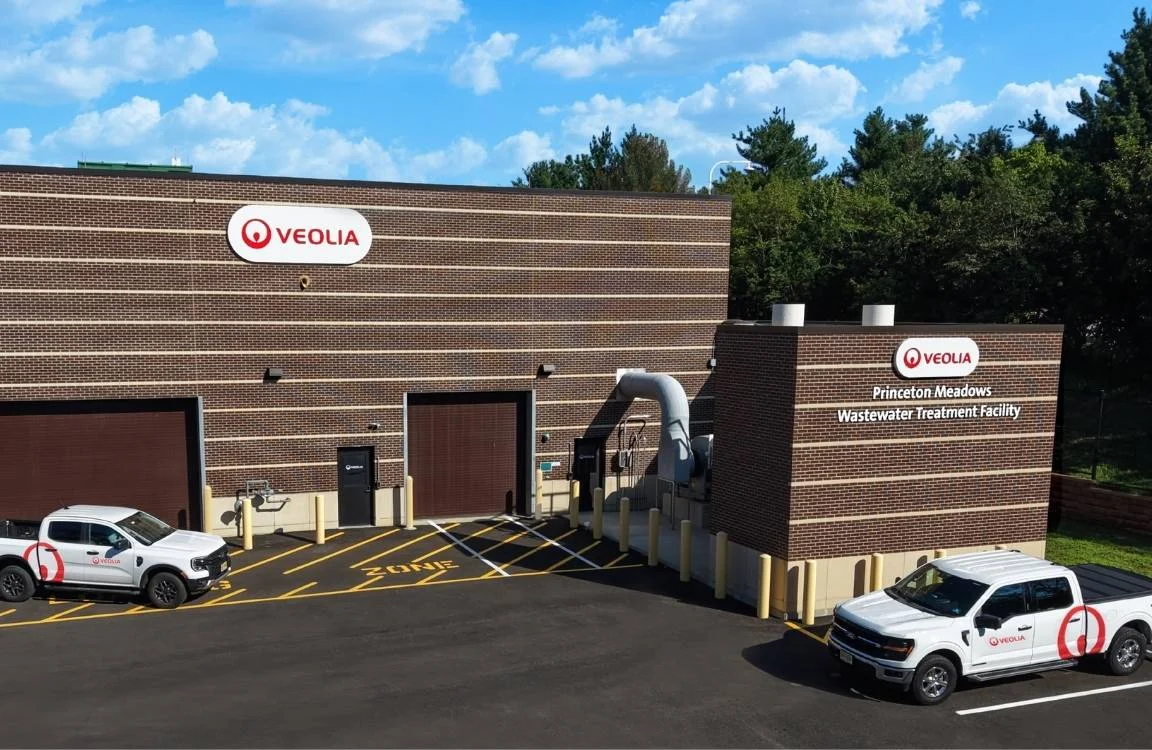
Princeton, NJ – October 7, 2025 – Veolia, a global leader in environmental services, today celebrated the grand opening of its significantly upgraded Princeton Meadows Wastewater Treatment Facility. This monumental $58 million investment signifies a profound commitment to bolstering resilient infrastructure, safeguarding environmental integrity, and ensuring long-term water sustainability for approximately 11,000 residents and businesses in the region. The newly commissioned facility stands as a testament to Veolia’s forward-thinking approach, integrating cutting-edge technology and climate-conscious design to meet the evolving water management challenges of the 21st century.
The inauguration of this advanced facility marks a pivotal moment in Veolia’s nearly six-decade presence in New Jersey, underscoring its dedication to serving the state’s communities with reliable and environmentally sound water solutions. The Princeton Meadows project is not merely an infrastructure upgrade; it is a strategic reimagining of wastewater treatment, prioritizing public health, ecological preservation, and the responsible stewardship of precious water resources.
A New Era of Wastewater Treatment: Key Features and Innovations
The Princeton Meadows Wastewater Treatment Facility is engineered to be a beacon of modern wastewater management. Its comprehensive design incorporates several key innovations and features aimed at enhancing treatment efficacy, ensuring operational resilience, and minimizing environmental impact.
At the heart of the facility’s advanced capabilities is its state-of-the-art ultraviolet (UV) disinfection technology. This powerful method of disinfection inactivates a broad spectrum of pathogens, including bacteria, viruses, and protozoa, without the use of harmful chemicals. UV disinfection is highly effective and offers a more environmentally friendly alternative to traditional chlorination or ozonation methods, contributing to cleaner effluent discharges into receiving waters.
Complementing the UV disinfection system is a high-efficiency biological treatment process. This sophisticated biological treatment stage utilizes specialized microorganisms to break down organic pollutants and nutrients present in the wastewater. The optimized biological processes ensure that effluent quality consistently meets and exceeds stringent regulatory standards, thereby protecting local aquatic ecosystems.
Furthermore, the facility has been equipped with energy-efficient equipment throughout its operations. This includes high-efficiency pumps, motors, and lighting systems, all designed to reduce energy consumption and lower the operational carbon footprint of the plant. Veolia’s commitment to sustainability extends to optimizing energy usage, thereby contributing to both environmental protection and operational cost-effectiveness.
A cornerstone of the new facility is its robust climate-resilient infrastructure. Recognizing the increasing threat of extreme weather events, Veolia has strategically located the new plant on higher ground, deliberately situated outside the historical 100-year floodplain. This elevated position significantly mitigates the risk of flooding, safeguarding critical treatment processes and ensuring uninterrupted service to the community even in the face of severe weather. The structural integrity and operational redundancy built into the facility’s design are paramount to its long-term reliability.
A Legacy of Water Reuse: Decades of Commitment and Conservation
The completion of the new Princeton Meadows facility builds upon a remarkable and enduring legacy of water reuse at the site, stretching back over 55 years. Since 1971, the facility has been instrumental in supplying Middlesex County with a substantial volume of reclaimed water, demonstrating Veolia’s long-standing commitment to water conservation and resource management.
Over the decades, the Princeton Meadows site has provided an impressive 1.4 billion gallons of reclaimed water. This treated wastewater, carefully purified and prepared for reuse, has been primarily utilized for irrigation at a county golf course. This initiative has played a crucial role in conserving precious local potable water resources, diverting them for essential human consumption and other high-priority uses.
The current facility continues this vital tradition, treating approximately 475 million gallons of wastewater annually. Of this, an impressive 32 million gallons are reclaimed and reused. To put this into perspective, this volume of reclaimed water is equivalent to filling roughly 48 Olympic-sized swimming pools each year. This significant reuse contributes directly to reducing the demand on freshwater sources, a critical factor in ensuring water security for the region.
Voices of Leadership: Commitment to Environmental Security and Community Well-being
The inauguration of the Princeton Meadows Wastewater Treatment Facility was marked by enthusiastic endorsements from Veolia’s leadership, who highlighted the project’s significance in advancing environmental goals and community welfare.
Nadege Petit, CEO of Veolia in North America, articulated the facility’s role as a vanguard of responsible environmental stewardship. "This next-generation facility exemplifies Veolia’s commitment to environmental security, public health and sustainable infrastructure," Petit stated. "It combines significant capital investment, advanced treatment technology and climate-resilient design to provide reliable service to the community for decades to come, while continuing our longstanding commitment to water reuse." Petit emphasized that the facility represents a tangible investment in the future, ensuring that the community benefits from advanced, reliable, and environmentally conscious wastewater management for generations.
Kendra Morris, CEO of Veolia Regulated Water in North America, provided further context on the strategic decision-making behind the project. "The original Princeton Meadows facility served the community well for more than five decades, but it was aging and located in a vulnerable floodplain," Morris explained. "Rather than simply upgrade the existing plant, we reimagined it. This facility is designed to meet today’s needs, anticipate future environmental requirements and preserve our commitment to water reuse. Investing in infrastructure also means investing in the community." Morris’s remarks underscored the proactive and visionary approach taken by Veolia, moving beyond mere maintenance to a complete re-engineering of the wastewater treatment process to address both current and future challenges. This forward-looking strategy ensures that the community is not only served but also protected and provided with a sustainable water future.
A Broader Vision: Veolia’s Expanding Footprint in New Jersey
The $58 million Princeton Meadows project is a significant component of Veolia’s broader, substantial investment strategy across New Jersey. The company is actively engaged in a statewide initiative known as the GreenUp program, through which it injects over $150 million annually into enhancing water quality, ensuring service reliability, and promoting long-term environmental sustainability. This extensive investment benefits the 1.1 million customers Veolia serves throughout the Garden State.
Veolia’s commitment to New Jersey extends beyond infrastructure development and operational excellence. The company recognizes the importance of fostering environmental awareness and education within the communities it serves. In recognition of this, Veolia announced a generous $10,000 contribution to the Plainsboro Recreation Department’s Water Science & Sustainability Education Program. This initiative aims to inspire the next generation of environmental stewards by providing engaging educational opportunities focused on water resources and sustainable practices. This philanthropic gesture further solidifies Veolia’s role as a responsible corporate citizen, invested in the holistic well-being and future prosperity of New Jersey.
The Chronology of a Transformative Project
The journey from an aging facility to a state-of-the-art wastewater treatment plant involved a meticulous planning and execution process, reflecting Veolia’s commitment to delivering high-quality infrastructure projects.
1971: The original Princeton Meadows Wastewater Treatment Facility begins operations, establishing a long-standing presence in the community and initiating its pioneering water reuse program. For over five decades, this facility diligently served the wastewater treatment needs of the area and provided reclaimed water for irrigation purposes.
Early 2000s – Mid 2010s: As the original facility aged and environmental regulations evolved, the need for a significant upgrade became increasingly apparent. Veolia began exploring options for modernization, considering both the operational limitations of the existing plant and its vulnerable location within a floodplain.
Late 2010s – Early 2020s: Veolia embarks on the comprehensive planning and design phase for a new, advanced wastewater treatment facility. This phase involved extensive engineering studies, environmental impact assessments, and the development of a design that prioritized climate resilience, advanced treatment technologies, and enhanced water reuse capabilities. The decision was made to construct a new facility on a more advantageous, elevated site.
2022-2025: Construction of the new Princeton Meadows Wastewater Treatment Facility commences. This multi-year construction effort involved significant capital investment and the coordination of various specialized teams and contractors. The project adhered to stringent quality control measures and safety protocols throughout its duration.
October 7, 2025: Veolia officially inaugurates the new Princeton Meadows Wastewater Treatment Facility, marking the culmination of years of planning, investment, and construction. The event celebrates the facility’s completion, its advanced technological features, and its enhanced capacity to serve the community reliably and sustainably for decades to come.
Supporting Data: Quantifying Impact and Efficiency
The operational metrics of the new Princeton Meadows Wastewater Treatment Facility highlight its impressive capacity and efficiency:
- Total Wastewater Treated Annually: 475 million gallons. This volume underscores the facility’s ability to manage the wastewater generated by the served population and businesses.
- Reclaimed Water Reused Annually: 32 million gallons. This significant amount of reclaimed water contributes directly to water conservation efforts, reducing the demand on potable water supplies.
- Equivalent of Olympic-Sized Swimming Pools of Reclaimed Water: 48 pools. This relatable comparison effectively illustrates the substantial volume of water being conserved and reused.
- Investment in Resilient Infrastructure: $58 million. This substantial capital expenditure reflects Veolia’s commitment to building robust and long-lasting water management solutions.
- Customers Served in New Jersey: 1.1 million. This figure demonstrates the broad reach of Veolia’s services and its significant impact on the state’s water infrastructure.
- Annual Statewide Investment (GreenUp Program): Over $150 million. This ongoing investment signifies Veolia’s sustained commitment to improving water quality, reliability, and environmental sustainability across New Jersey.
- Contribution to Plainsboro Recreation Department: $10,000. This philanthropic investment supports vital environmental education programs for the community.
Implications for the Community and Beyond
The opening of the new Princeton Meadows Wastewater Treatment Facility carries profound implications for the local community and serves as a model for sustainable water management practices in New Jersey and beyond.
Enhanced Public Health and Environmental Protection: The advanced treatment technologies, including UV disinfection and high-efficiency biological processes, ensure that the discharged effluent is of superior quality. This directly contributes to the health of local waterways, protecting aquatic life and recreational opportunities. Furthermore, the robust treatment of wastewater prevents the spread of waterborne diseases, safeguarding public health.
Increased Resilience to Climate Change: By locating the facility on higher ground and incorporating climate-resilient design principles, Veolia has significantly enhanced its ability to withstand extreme weather events such as floods. This ensures the continuity of essential water services during times of crisis, providing a critical layer of security for the community.
Sustainable Water Resource Management: The continued and expanded water reuse program is a critical component of long-term water security. By recycling 32 million gallons of water annually, the facility reduces the strain on finite freshwater resources, a vital consideration in an era of increasing water scarcity and changing precipitation patterns.
Economic Benefits and Community Investment: The $58 million investment in the Princeton Meadows facility represents a significant economic stimulus for the region, creating jobs during the construction phase and supporting ongoing operational employment. The company’s commitment to local education through its contribution to the Plainsboro Recreation Department further demonstrates its dedication to community well-being and the development of future environmental leaders.
A Model for Future Infrastructure Projects: The Princeton Meadows facility serves as an exemplary model for future wastewater infrastructure projects. Its integration of advanced technology, climate resilience, and a strong emphasis on water reuse provides a blueprint for how water utilities can address contemporary and future environmental challenges. Veolia’s proactive approach, as highlighted by Kendra Morris, of reimagining and rebuilding rather than merely upgrading, sets a high standard for the industry.
In conclusion, the inauguration of the Veolia Princeton Meadows Wastewater Treatment Facility is a landmark achievement, showcasing a powerful commitment to environmental stewardship, public health, and the sustainable management of water resources. This state-of-the-art facility not only secures reliable wastewater treatment for the present but also lays a strong foundation for a more resilient and environmentally responsible future for New Jersey.
