

By Kim Velsey
October 23, 2026
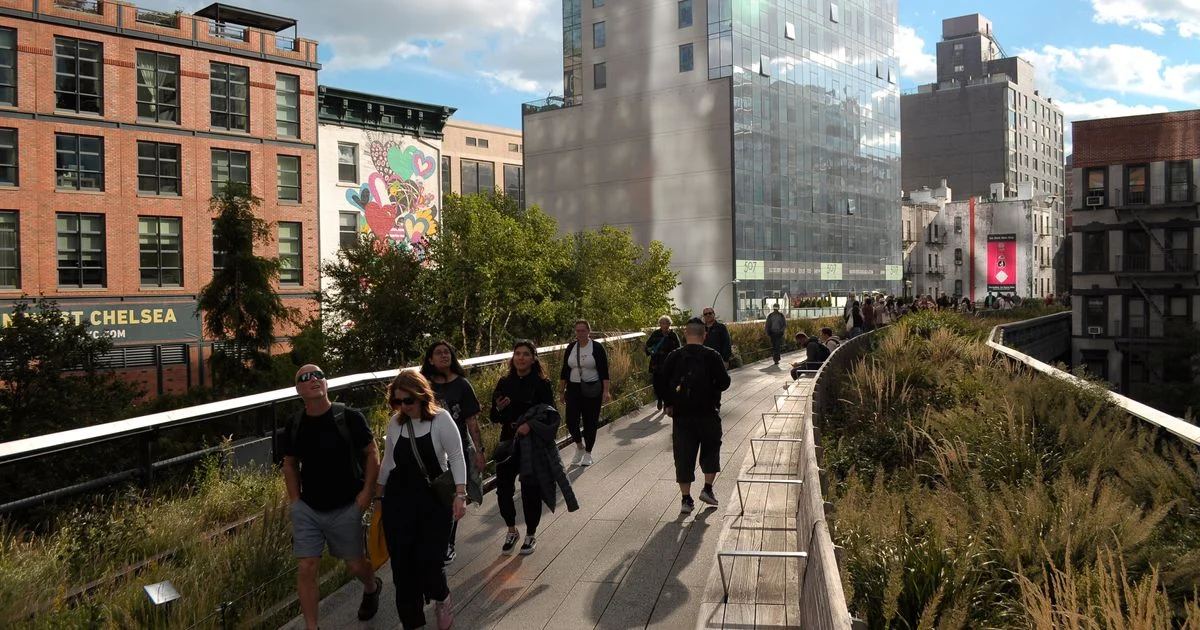
For nearly two decades, the skyline of Manhattan’s West Side has been defined by the persistent, rhythmic hum of construction—the sound of a city reinventing itself. At the heart of this metamorphosis sits the High Line, the elevated rail-turned-park that arguably triggered the most significant real estate boom in modern New York history. Now, as of October 2026, that era of transformation has reached its definitive conclusion.
For the first time since the park’s inaugural section opened in 2009, the High Line is officially finished. With the upcoming opening of the 34th Street "Rail Yard Preserve" garden next month, the last vestige of scaffolding will be removed, and the 1.5-mile ribbon of greenery will finally be complete.
A Legacy of Urban Renewal: The Chronology of an Icon
To understand the magnitude of this moment, one must look back at the humble, industrial origins of the High Line. Once a gritty freight rail line servicing the meatpacking and manufacturing districts, the structure was slated for demolition in the late 20th century. Grassroots advocacy from the "Friends of the High Line" prevented its destruction, setting the stage for a visionary project that prioritized public space over industrial utility.
- 2009: The first section of the High Line, stretching from Gansevoort Street to 20th Street, opens to the public, instantly becoming a global architectural sensation.
- 2011: Phase two extends the park to 30th Street, further solidifying its status as a premier tourist destination and a catalyst for high-end residential development.
- 2014-2015: The "High Line at the Rail Yards" opens, extending the experience to the doorstep of the burgeoning Hudson Yards development.
- 2026: The final horticultural intervention at the 34th Street terminus is completed, marking the end of 17 years of continuous construction and expansion.
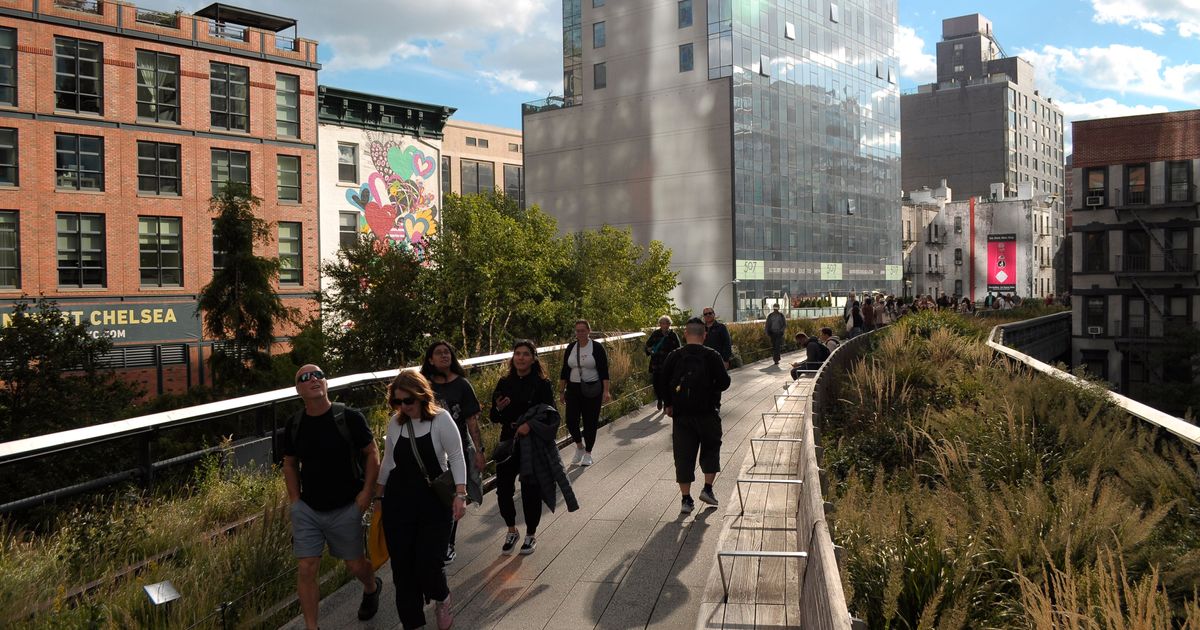
For seventeen years, the park has existed in a state of perpetual "becoming." As the park grew, the surrounding neighborhood morphed into a forest of starchitect-designed towers, with the monolithic Hudson Yards complex looming at the northern end. While the buildings rose with dizzying speed, the landscape architecture—the park’s true soul—required the patience of decades.
Horticulture as Architecture: The Final Garden
The finishing touch, designed by the celebrated Dutch landscape designer Piet Oudolf, represents a departure from the park’s established aesthetic. While the majority of the High Line is famously elevated, resting on a structural bed of 18 inches of soil, the 34th Street Rail Yard Preserve is the only section of the 1.5-mile park planted directly into the ground.
Spanning 2,561 square feet, the new garden serves as a gateway to the northern terminus. Richard Hayden, the High Line’s senior director of horticulture, described the significance of the project to The New York Times, noting: "When the 34th Street garden opens, the entire High Line will be open and there will not be a construction shed anywhere on it for the first time in anybody’s memory."
The planting palette is quintessentially Oudolf: a naturalistic, biodiverse tapestry of 52 different species of trees and shrubs, including sedges, grasses, and the elegant Heuchera villosa ‘Autumn Bride.’ This specific variety of coral bells, with its white blooms and velvety light-green foliage, is designed to provide a soft, textural contrast to the hard, industrial edges of the surrounding rail yards.
The Paradox of the "Urban Wild"
The location of this final garden presents a fascinating study in urban juxtaposition. Unlike the more secluded, mid-block stretches of the park, the 34th Street site sits at the intersection of a massive parking lot and a bustling, gritty roadway.
Landscape architects from Field Operations, who collaborated with Oudolf, have leaned into this tension. By introducing a lush, "curated intervention" of greenery into a concrete-heavy environment, they are fulfilling the park’s original promise: to bring a sense of "urban wildness" to the heart of the world’s most manicured city.
The Friends of the High Line noted that this section previously received only minimal, reactive maintenance—largely limited to weeding. The new design elevates this space from an overlooked corner to a welcoming threshold, complete with improved signage at Twelfth Avenue to better orient the millions of visitors who traverse the park annually.
Supporting Data: A Park in Numbers
The completion of the High Line is not merely an aesthetic milestone; it is a statistical marvel.
- Total Length: 1.5 miles.
- Planting Variety: Over 500 species of plants, trees, and shrubs have been integrated across the park’s lifespan.
- Project Timeline: 17 years of phased construction, spanning from 2009 to 2026.
- Total Area of the 34th Street Garden: 2,561 square feet.
- Total Number of Species in the Final Section: 52 distinct types of trees and shrubs.
These numbers underscore the intense labor and long-term investment required to sustain a park that effectively functions as an elevated conservatory.
Simultaneous Revitalization: The Prairie Terrace
The completion of the 34th Street garden is accompanied by the long-awaited reopening of the "Prairie Terrace" at 17th Street. For the past nine years, this section has been obscured by scaffolding, a casualty of the relentless construction boom that has defined the Chelsea skyline.
The reopening of the Prairie Terrace is not simply a restoration; it is a reimagining. The horticultural team, working under the guidance of Field Operations, has replanted the area to account for the radically altered sunlight patterns caused by the new towers that have risen around the park. The new selection includes:
- Blackhawks big bluestem (Andropogon gerardii)
- Great globe thistle (Echinops sphaerocephalus)
- Sea holly (Eryngium)
- Black-eyed Susans (Rudbeckia)
These species were specifically chosen for their resilience and ability to thrive in the complex micro-climates created by the shadows of nearby skyscrapers.
Implications for the Future of New York
The "finishing" of the High Line carries profound implications for urban planning. For nearly two decades, the park has served as a lightning rod for discussions regarding gentrification, public-private partnerships, and the role of green space in increasing real estate values.
With the construction phase finally concluded, the focus for the High Line’s stewards now shifts entirely to preservation and the evolution of the park’s identity. The question for the next decade is not "what will the park become?" but rather "how will it endure?"
The High Line has already established a global blueprint for adaptive reuse. Cities from London to Seoul have looked to New York’s elevated garden as a model for reclaiming industrial infrastructure. By reaching its physical completion, the High Line moves from a "project" into a permanent, settled feature of the New York City landscape—a mature, living organism that will continue to change, season by season, even as the steel and glass city around it stops shifting.
For the residents of Chelsea and the millions of visitors who flock to the tracks each year, the removal of the final construction shed is more than a logistical detail. It represents a moment of stillness in a city that never stops moving. The High Line is finished, and for the first time in a generation, the park can finally be seen exactly as it was meant to be: a long, green breath of air above the relentless bustle of Manhattan.
