

Every autumn, a curious ritual unfolds across North America. As the leaves turn and the air grows crisp, vacant storefronts—relics of failed chains or expired leases—are suddenly brought back to life by the iconic black-and-orange glow of Spirit Halloween. For the average shopper, these stores are a fleeting phenomenon, appearing in September and vanishing into the ether by early November.
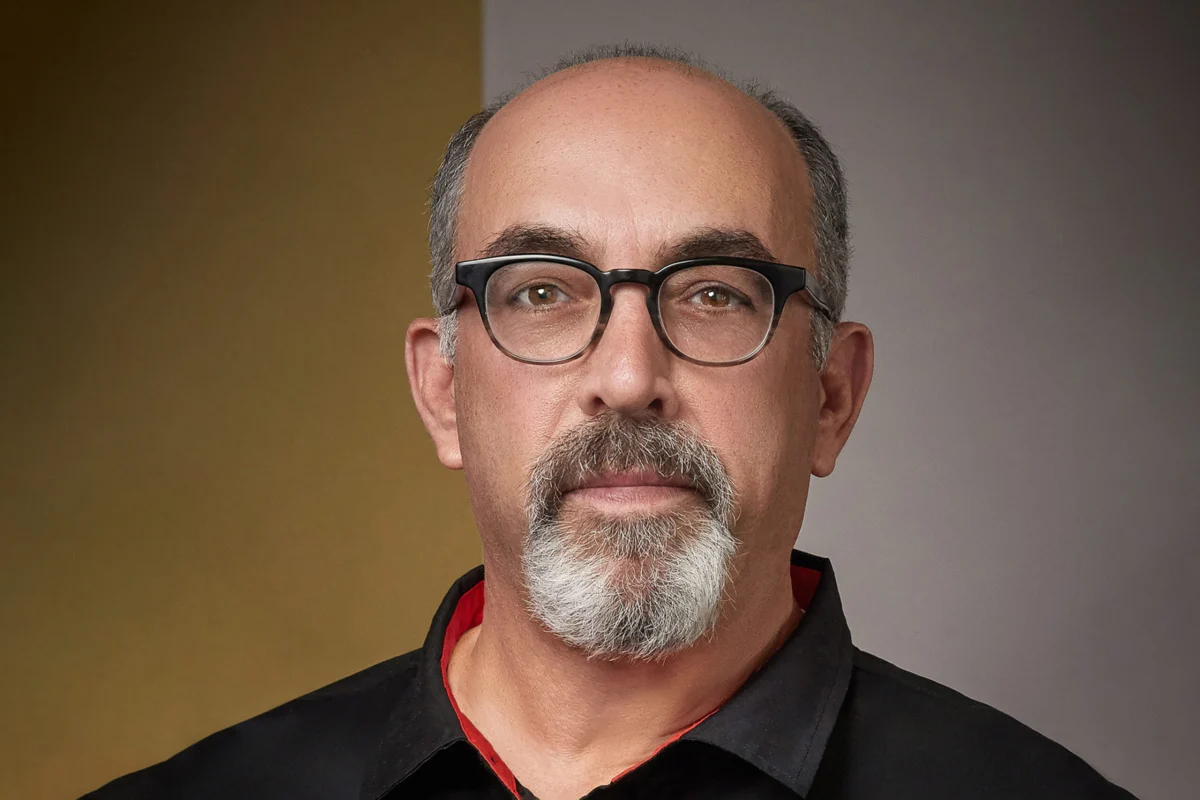
But for Steven Silverstein, CEO of Spencer Spirit Holdings, the “temporary” nature of the business is a clever illusion. To the executive team behind the brand, the work never stops. "There’s nothing temporary about a temporary store," Silverstein told Fortune. "We are 24/7, 365 days a year Halloween. You just don’t see it."
While the physical doors remain open for a mere eight to ten weeks, the engine powering Spirit Halloween is a year-round, high-velocity operation that has transformed the company from a niche seasonal retailer into a dominant force in the North American market, commanding an empire that now includes over 3,000 storefronts.
The Evolution: From 130 Stores to a Retail Titan
When Silverstein stepped into the leadership role at Spencer’s in 2003, Spirit Halloween was a modest operation, consisting of just 130 stores nationwide. At the time, the landscape was fragmented, filled with local costume shops and the looming presence of Party City. Silverstein had a singular vision: he wanted to turn Spirit into a destination rather than a convenience. He didn’t want customers to go to “a Halloween store”; he wanted them to say they were going to Spirit Halloween.
The scale of the company’s growth is staggering. Today, there are roughly 1,600 Spirit locations operating annually. Financial data from Moody’s indicates that Spencer’s and Spirit combined generated approximately $1.9 billion in 2023, with Spirit’s two-month window often eclipsing the annual revenue of its parent company.
The most significant shift in the competitive landscape occurred in December 2024, when the industry giant Party City filed for bankruptcy for the second time, shuttering its remaining 700 stores by February 2025. With its largest rival gone, Spirit has cemented its status as the undisputed king of Halloween, leaving consumers to turn to mass-market giants like Walmart, Target, or Amazon—or to make the trek to a Spirit store for the full, immersive experience.
Chronology of a Transformation: The "In-Store Experience"
Silverstein’s philosophy on retail was forged in the 1980s at Bloomingdale’s under the tutelage of legendary CEO Marvin Traub. It was there that Silverstein learned the importance of "retail theater."
"We are in an entertainment business," Silverstein explains. "We need to use our stories to entertain and delight the customer."
In the early 2000s, the Spirit store aesthetic was rudimentary—merchandise boxes wrapped in black plastic and registers fashioned from cement blocks and wood. The turning point arrived in 2005 during a visit to a Chicago store, where a store manager had constructed a pirate ship, complete with a skeleton at the helm, moving fabric, and atmospheric lighting. Silverstein was captivated. He didn’t just want to sell masks; he wanted to sell a scene.
This was the birth of the "In-Store Experience" (ISE). Today, fans of the brand—some of whom follow the "Spirit Halloween Fandom" site—eagerly speculate on the year’s theme. Recent iterations have included haunted carnivals and the "Camp Harbor Lake" haunted summer camp. This "five senses" approach to retail is what Silverstein credits for the brand’s enduring success.
The Real Estate Strategy: The "Empty Seat" Model
Spirit Halloween’s real estate strategy is a masterpiece of opportunistic logistics. The company begins its search for space in March and April, targeting vacant storefronts that landlords are desperate to fill.
Spirit does not pay market rent in the traditional sense; instead, it pays a lump sum for a short-term lease, generating revenue for landlords who would otherwise see the space sit dormant. Silverstein describes the strategy as filling the "empty seat on the airplane."
"If we don’t go in there, the landlord is not going to generate any revenue," he says. This strategy has proven so effective that it has become a staple of retail real estate. According to an Axios analysis, nearly 100 Spirit stores this year have occupied buildings formerly held by Party City, demonstrating the company’s ability to step into the voids left by others.
Operational Complexity: Building 1,600 Stores at Once
The logistical challenge of opening 1,600 stores simultaneously is immense. Approximately 75% to 80% of the merchandise sold at Spirit is designed and sourced by the company, primarily from Asia.
The supply chain is a massive, coordinated effort that begins in the spring. Because the company cannot store all its inventory at once, it utilizes a tiered distribution system. Goods are routed through four or five primary North American distribution centers, which then funnel products to 63 third-party logistics sites. From there, inventory is staged for specific store groupings, creating a "web of activity" that allows the entire fleet to "pop up" in a synchronized wave across the country.
Managing this requires a workforce of over 52,000 seasonal employees. Spirit structures its organization as an "inverted pyramid," placing store-level employees at the top. The company invests heavily in simplifying the setup process, ensuring that staff—many of whom are returning employees who plan their year around the Spirit season—can execute the complex store builds with precision.
Cultural Impact: The Meme Economy
Spirit Halloween has transcended retail to become a cultural icon. The brand’s signature packaging has been repurposed by the internet as a meme template for nearly every public figure or cultural controversy imaginable. When Saturday Night Live featured a skit during its 50th-anniversary season mocking the chain, Silverstein’s response was characteristically deadpan.
"When SNL did the skit, hey, that’s the highest form of flattery," he admitted. The brand eventually leaned into the joke, producing a commemorative "50-year-old comedy show" costume.
This "alternative marketing" approach—relying on the store itself, internet virality, and strategic partnerships with brands like Dunkin’, Butterfinger, Chipotle, and Goodyear—has allowed Spirit to bypass the need for traditional advertising spend. When a man jumped out of a blimp into a parking lot to celebrate a Spirit store opening, it wasn’t just a gimmick; it was a testament to the brand’s commitment to "wants, not needs."
Implications: The Acquisition of Hot Topic and Future Growth
The latest chapter in the Spencer Spirit story is perhaps its most ambitious. In September 2025, the company finalized its acquisition of Hot Topic, BoxLunch, and Her Universe from Sycamore Partners. This move adds more than 615 Hot Topic stores and 280 BoxLunch locations to the company’s portfolio, solidifying its hold on pop-culture retail.
Hot Topic, which has been a staple for fans of band merchandise, anime, and gaming since 1989, fits seamlessly into Silverstein’s vision. While Hot Topic and BoxLunch will continue to operate independently under their existing leadership, they benefit from the shared DNA of a company that understands how to monetize fandom.
"Hot Topic is the best at really talking to the fans of their properties," Silverstein says. "They are in the zeitgeist when it comes to talking about what’s going on in pop culture. I’m entertaining you."
By swallowing these iconic mall brands, Spencer Spirit Holdings has effectively hedged its bets. While Spirit Halloween dominates the autumn, the company now commands a year-round presence in the American retail consciousness. Whether it’s through a haunted house in a former mattress store or a band t-shirt in a suburban mall, Silverstein’s empire is built on the same core principle: retail is not about the transaction; it is about the show.
As the calendar turns and the last Spirit store shuts its doors for the season, the machinery of the company remains in constant, rhythmic motion. For Steven Silverstein, the next season is already being written, and the show, as always, must go on.
