

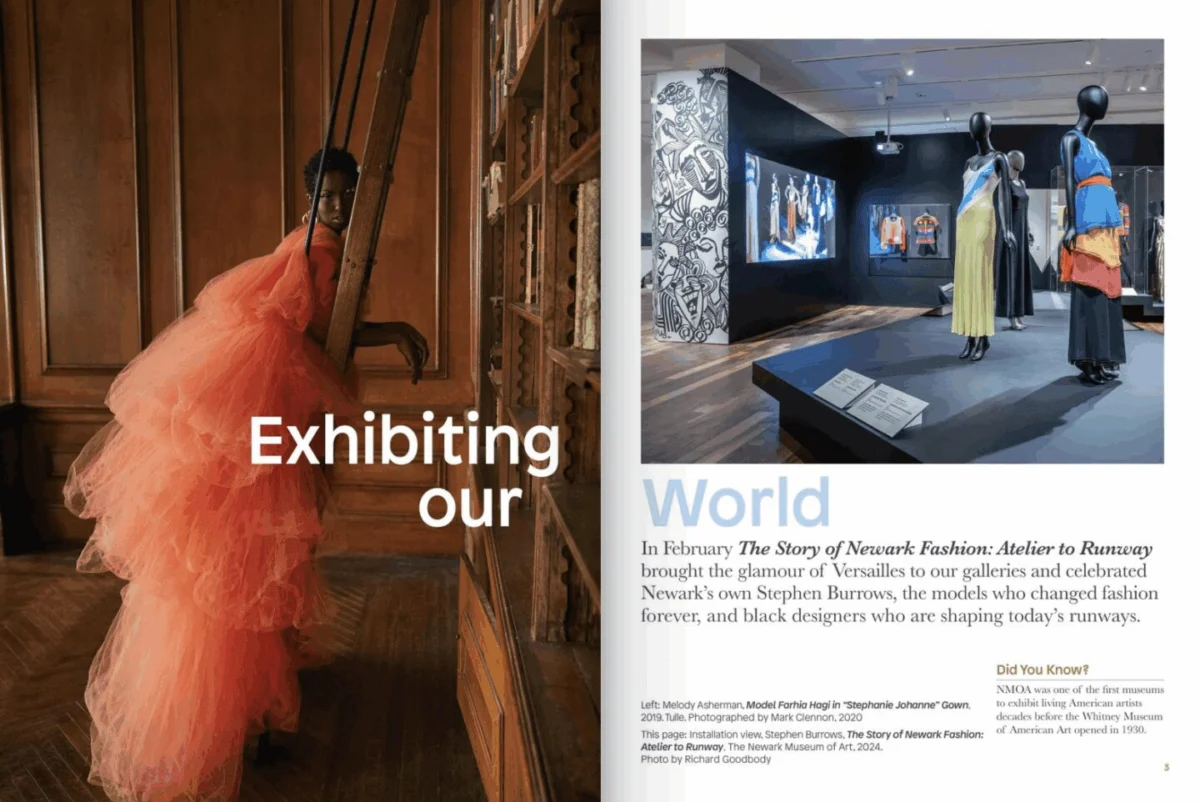
In an era where cultural institutions are increasingly tasked with proving their worth beyond the gallery walls, The Newark Museum of Art (NMOA) has emerged as a focal point for urban revitalization and economic sustainability. Recently, Linda C. Harrison, the Director and CEO of the institution, joined Raven Santana on PBS’s NJ Biz Beat to discuss the multifaceted role the museum plays in the life of New Jersey’s largest city.
The conversation, which highlights the intersection of public policy, business growth, and artistic engagement, serves as a testament to how a major cultural hub can act as a catalyst for broader economic development. As Newark continues to undergo a significant urban transformation, the NMOA is positioning itself not just as a repository of art, but as an essential pillar of the regional economy.
The Intersection of Art and Economic Development
The core of the discussion between Harrison and Santana focused on a fundamental shift in how civic leaders view museums. Historically, cultural institutions were often seen as isolated entities—places of quiet contemplation detached from the hustle of the commercial sector. However, under Harrison’s leadership, the NMOA has actively worked to dismantle this perception.
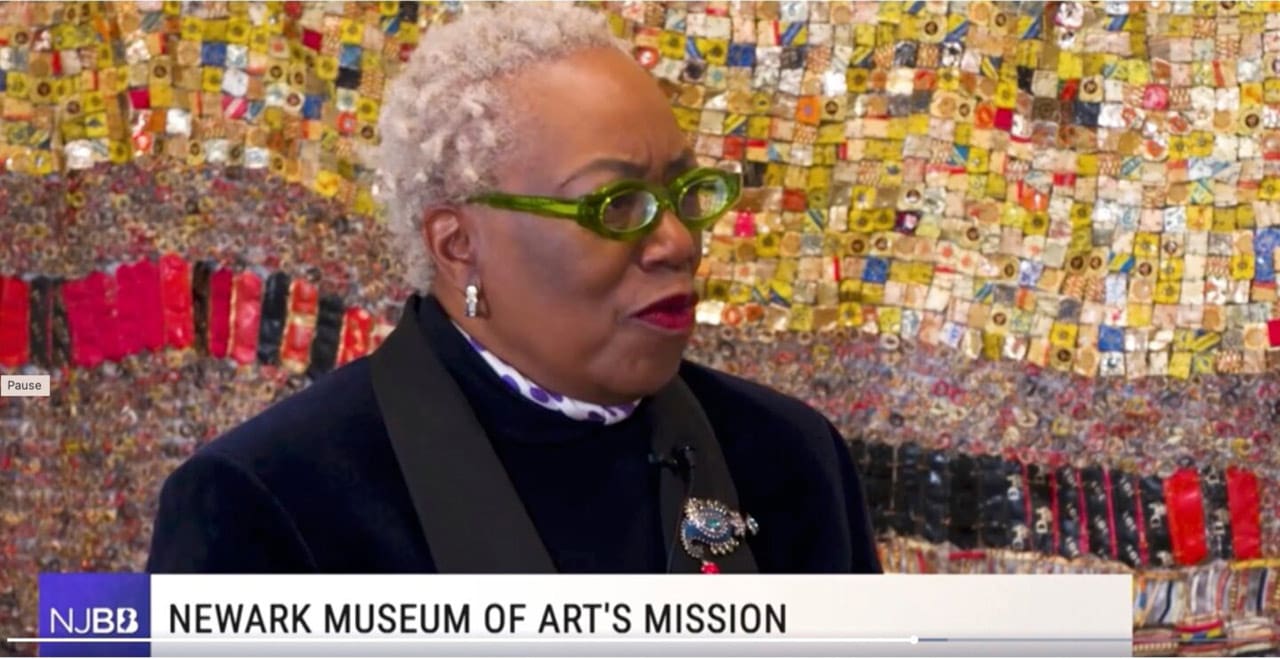
During the segment, which aired in late 2023, Harrison outlined the museum’s strategic efforts to integrate with the local business ecosystem. By creating programming that invites both the local community and regional visitors to experience the museum’s extensive collections, the NMOA drives foot traffic that benefits nearby small businesses, restaurants, and hospitality services. This "cultural tourism" model is essential for a city like Newark, which is looking to diversify its revenue streams and establish a more robust downtown economy.
Chronology: A Trajectory of Growth and Adaptation
The journey of the NMOA in recent years has been one of resilience and strategic pivot. To understand its current economic position, one must look at the recent timeline of the institution’s evolution:
- Pre-2020 Foundation: The museum established a strong reputation as a regional arts leader with a collection spanning global cultures.
- The Pandemic Pivot: Like all cultural organizations, the NMOA faced unprecedented challenges during the global health crisis. This period forced the leadership to rethink how they delivered value to the community, leading to a surge in digital engagement and a renewed focus on local partnerships.
- 2022-2023 Stabilization and Expansion: As the city of Newark began its post-pandemic recovery, the museum aligned its programming with city-wide economic initiatives. The partnership with local foundations—such as the 2022 Toy Drive collaboration with the Dorson Community Foundation—signaled a move toward deeper community integration.
- September 2023: The interview on NJ Biz Beat solidified the museum’s role in the public consciousness as an economic engine, highlighting the institution’s commitment to long-term sustainability.
- 2024 and Beyond: With the release of the 2024 Impact Report, the museum has moved into a phase of data-driven advocacy, quantifying exactly how its presence facilitates job creation, educational support, and community cohesion.
Supporting Data: Quantifying the Impact
The argument for the museum’s economic value is not merely anecdotal. Through its annual impact reports, the NMOA provides a clear picture of its footprint. These reports reveal that the museum’s influence extends far beyond ticket sales and exhibition attendance.

Educational Infrastructure
A significant portion of the museum’s "economic value" is realized through its educational initiatives. By providing school tours, teacher resources, and after-school programming, the NMOA reduces the burden on the local school system while providing high-quality extracurricular enrichment. This creates a more attractive environment for families and professionals looking to relocate to or stay in Newark, effectively supporting the city’s tax base.
Visitor Spending and Local Business
The museum serves as a "destination anchor." When visitors travel to Newark for an exhibition or a special event, they do not solely interact with the museum. They dine at local establishments, utilize public transit, and often engage with other downtown amenities. Data suggest that for every dollar spent at the museum, there is a multiplier effect on the surrounding service sector, effectively supporting dozens of local jobs.
Employment and Operations
As a major employer, the NMOA provides stable, professional jobs in a variety of fields, from curatorial and administrative roles to facility management and security. By maintaining a large, well-funded facility, the museum contributes to the maintenance and beautification of the downtown district, increasing property values and incentivizing further commercial investment.

Official Perspectives: The Leadership Vision
Linda C. Harrison has been a vocal proponent of the "community-first" approach to museum management. In her discourse, she emphasizes that the museum belongs to the citizens of Newark. Her philosophy is centered on the idea that an institution’s value is determined by how well it serves the needs of its immediate neighbors, rather than how well it caters to an exclusive audience.
"Our goal is to be a space where everyone feels welcome, and where the economic benefits of our presence are felt by the local business community," Harrison has suggested. By inviting dialogue with business leaders and policymakers, she has successfully shifted the museum from a passive institution to an active participant in Newark’s urban planning.
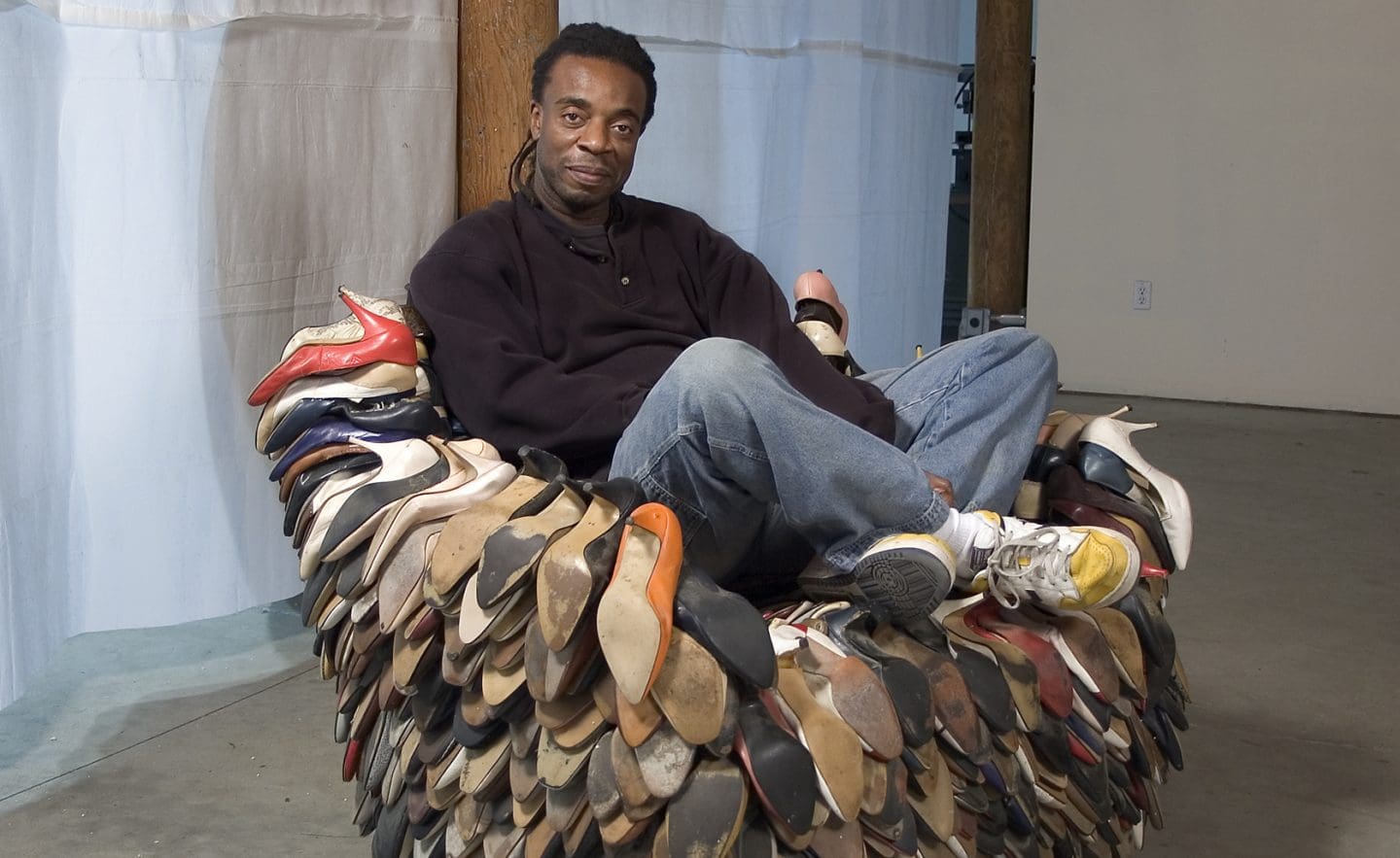
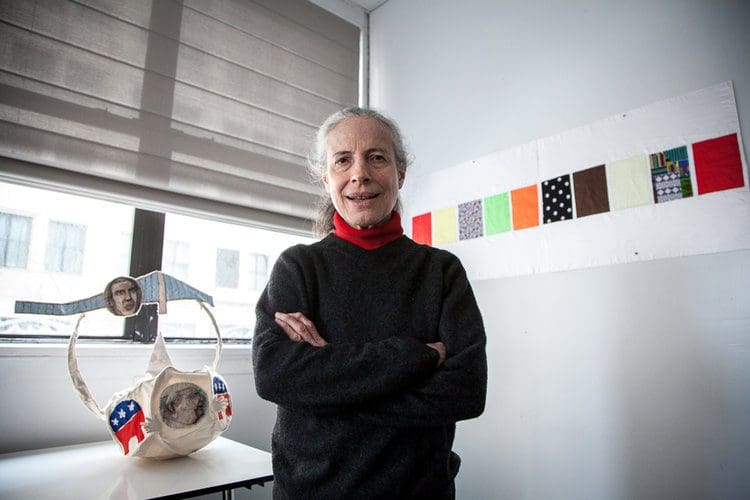
This sentiment is echoed by the various artists, such as Willie Cole, Jo-El Lopez, and Patricia Dahlman, who have participated in the museum’s programming. These artists reflect the vibrant, local creative spirit that the NMOA seeks to amplify. By providing a platform for Newark-based talent, the museum helps to cultivate a "creative economy," where local artists are supported, showcased, and integrated into the broader marketplace.
Broader Implications: The Museum as a Civic Hub
The case of the NMOA offers a template for other mid-sized cities grappling with urban identity. The implications of this model are profound:
- Urban Revitalization: Museums act as "anchor institutions." When a city invests in a cultural anchor, it signals to private investors that the area is safe, vibrant, and worthy of development.
- Social Cohesion: By hosting events that bring together diverse demographics, the museum acts as a "third space"—a location outside of work and home where social bonds are strengthened.
- Future-Proofing the Economy: As traditional retail struggles in many downtowns, the "experience economy" provided by museums and cultural centers is becoming the new driver of foot traffic and commerce.
A Call for Continued Support
The ongoing success of the NMOA is not guaranteed; it requires a commitment from the city, donors, and the public. As evidenced by the 2023 and 2024 impact reports, the museum is committed to transparency and growth. However, the true strength of the institution lies in its ability to adapt. Whether through hosting artist talks that highlight local talent or through major impact reports that hold the institution accountable for its civic duties, the NMOA is setting a standard for how museums can thrive in the 21st century.
Conclusion
Linda C. Harrison’s appearance on NJ Biz Beat was more than just a promotional opportunity; it was a defining moment for the Newark Museum of Art. It underscored a reality that many are beginning to recognize: culture is not a luxury—it is an economic necessity.
As Newark continues to grow, the NMOA stands ready to evolve with it. By leveraging its rich history, supporting local artists, and maintaining a laser-focus on its role as an economic engine, the museum is ensuring that it remains an indispensable part of the city’s future. For those interested in seeing the results of these efforts firsthand, the museum’s ongoing programming and its commitment to community-driven impact offer a compelling invitation to engage, visit, and invest in the vibrant culture of Newark.
As we look toward the future, the NMOA serves as a beacon, proving that when an institution aligns its mission with the prosperity of its people, the result is a stronger, more resilient, and more culturally rich community for everyone. Whether through the lens of a historical artifact or the economic data of an impact report, the message is clear: the Newark Museum of Art is not just observing history—it is actively helping to write the next chapter of Newark’s success.
