

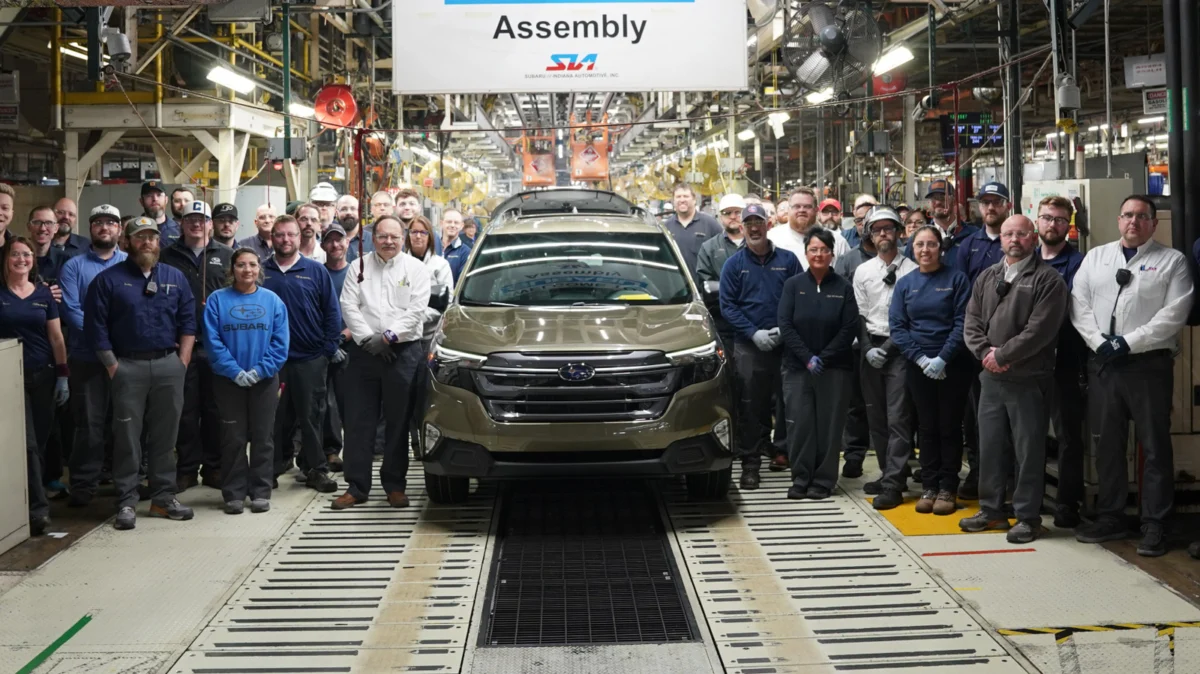
While the Subaru brand is synonymous with the cultural identity of Japan—evoking images of precision engineering, the mountainous landscape of the Gunma Prefecture, and the iconic star cluster emblem—the reality of the company’s modern supply chain is significantly more localized. For the American consumer, the Subaru in their driveway is frequently the product of domestic manufacturing, specifically from the rolling plains of Indiana.
As Subaru continues to navigate the complexities of global trade, shifting consumer preferences, and the transition to electrified powertrains, its reliance on the Subaru of Indiana Automotive (SIA) plant has become the cornerstone of its North American strategy.
Main Facts: The Indiana Connection
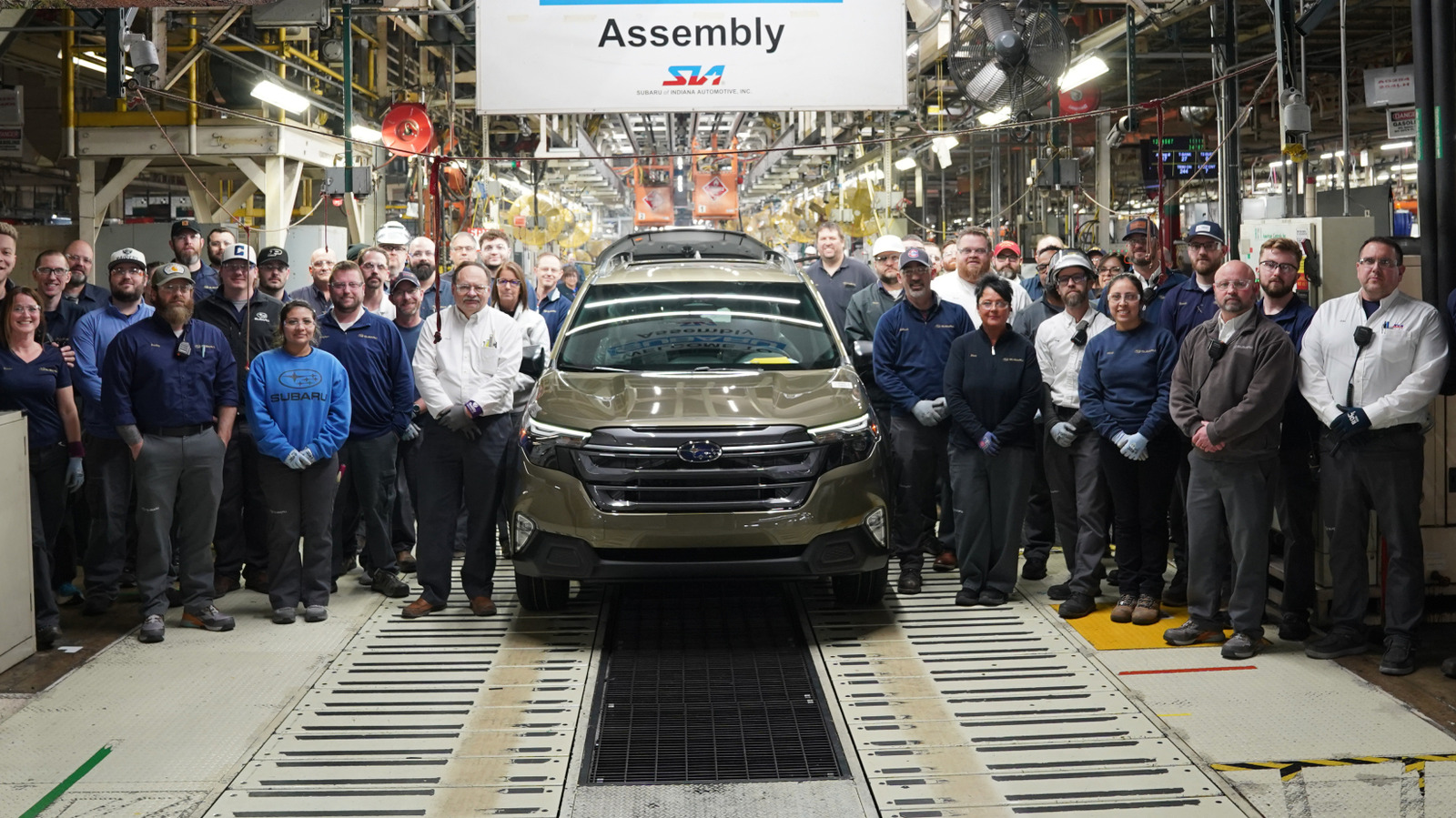
Subaru of Indiana Automotive (SIA) is not merely a satellite assembly point; it is a massive, high-output manufacturing hub. Located in Lafayette, Indiana, the facility stands as a testament to the company’s commitment to the North American market.
Contrary to the popular assumption that all Japanese-branded vehicles are imported from overseas, Subaru has localized a significant portion of its most popular fleet. Currently, the Lafayette facility produces the Ascent, the Crosstrek, and the Forester. This shift in production strategy is a strategic response to the logistical challenges of international shipping and the economic benefits of building vehicles closer to their primary customer base.
A Chronological Evolution: From Import to Domestic Powerhouse
The Early Years (1953–1988)
Subaru’s journey began in 1953 under the parent company Fuji Heavy Industries. Early models, such as the 1500 and the revolutionary 360, established the brand’s reputation for efficiency and utility. When Subaru officially entered the U.S. market in 1968, it did so as an importer. Throughout the 1970s, the brand gained a cult following for its unique all-wheel-drive systems and quirky engineering, leading to a surge in demand that soon outpaced import capacity.
The Foundation of SIA (1989)
Recognizing that sustainability in the U.S. market required a domestic presence, Subaru broke ground on its Indiana plant in 1989. This decision marked a pivotal transition from a purely Japanese exporter to a global manufacturer. Since its inception, the SIA plant has produced over six million vehicles, acting as a critical buffer against currency fluctuations and trade tariffs.
Modern Adjustments (2020–Present)
The landscape of Subaru’s manufacturing has remained fluid. For years, the Outback was the flagship of the Indiana plant. However, in a strategic move to optimize global capacity, the production of the Outback has recently been shifted back to Japan. Simultaneously, the plant ceased production of the Legacy sedan in September 2025, marking the end of an era for the long-running model. These gaps were strategically filled by bringing the Forester and Crosstrek production lines to American soil.
Supporting Data: Production and Sales Metrics
The performance of the U.S.-made lineup illustrates why localization is essential to Subaru’s bottom line.
- The Ascent: As the largest SUV in the lineup, the Ascent is built exclusively at the Lafayette plant. Despite being nearly a decade into its lifecycle, it remains a robust seller. Sales through the first nine months of 2026 showed a 3.9% increase compared to 2025, totaling 32,556 units.
- The Crosstrek: Now in its third generation, the Crosstrek is a volume juggernaut. With 142,725 units sold between January and September 2026, it stands as the second best-selling model in the entire Subaru portfolio, trailing only the Forester.
- The Forester: The integration of the Forester into U.S. production represents the most significant recent change. With the gas-powered model moving to domestic assembly over the last year and the hybrid variant commencing production in February 2026, the Indiana plant is now the primary engine for Subaru’s most important product.
Official Perspectives and Strategic Implications
The Logic of Localization
From an executive standpoint, producing vehicles in the United States offers a hedge against the volatile nature of international logistics. By maintaining a factory in the "Rust Belt," Subaru minimizes its exposure to ocean freight costs and potential trade disruptions. Furthermore, the SIA plant serves as a significant employer, deepening the brand’s integration into the American economy—a move that resonates well with the brand’s loyal, domestic-focused customer base.
The Environmental and Technical Shift
The shift toward producing the hybrid Forester in Indiana is perhaps the most telling signal of Subaru’s future. As the automotive industry faces tightening emissions regulations globally, Subaru is leaning on its Indiana facility to lead its electrification efforts. This ensures that the company can comply with U.S. clean energy tax credits and environmental mandates without relying on complex, intercontinental supply chains for electrified components.
Economic and Cultural Impact
While the design philosophy of Subaru remains distinctly Japanese—characterized by the "Boxer" engine layout and symmetrical all-wheel drive—the assembly is distinctly American. This "glocalization" has allowed Subaru to shed the "niche import" label and compete directly with domestic giants like Ford and General Motors. By hiring thousands of American workers, the company has effectively shifted the public perception of the brand from an "outsider" to a staple of the American automotive landscape.
Future Outlook: What Lies Ahead?
As we look toward the remainder of the decade, the role of the Lafayette plant is expected to evolve further. With the discontinuation of the Legacy, there is speculation regarding how Subaru will utilize the freed-up assembly capacity. Industry analysts suggest that the company may look to introduce new, larger electric SUVs or potentially expand the production of the Crosstrek to meet global demand, using Indiana as an export hub rather than just a domestic supplier.
The departure of the Outback to Japan and the influx of Forester production indicate a "re-balancing" strategy. Subaru is not merely trying to keep its factories busy; it is attempting to optimize its global footprint to ensure that each plant specializes in the vehicles most suited to their respective regional markets.
The Verdict for the Consumer
For the American car buyer, the "Made in the USA" badge on a Subaru is a seal of quality that carries the weight of a long-standing industrial partnership. Whether you are driving a family-oriented Ascent or an adventure-ready Crosstrek, the vehicle’s origin story is a blend of Japanese engineering heritage and American manufacturing muscle. As the industry moves toward a greener future, the synergy between the Indiana plant and the Japanese headquarters will likely define the next chapter of Subaru’s success, ensuring that the brand remains a dominant force on American roads for decades to come.
By diversifying its production and responding with agility to market shifts, Subaru has proven that it is not just a guest in the American market, but a foundational pillar of its automotive infrastructure.
