

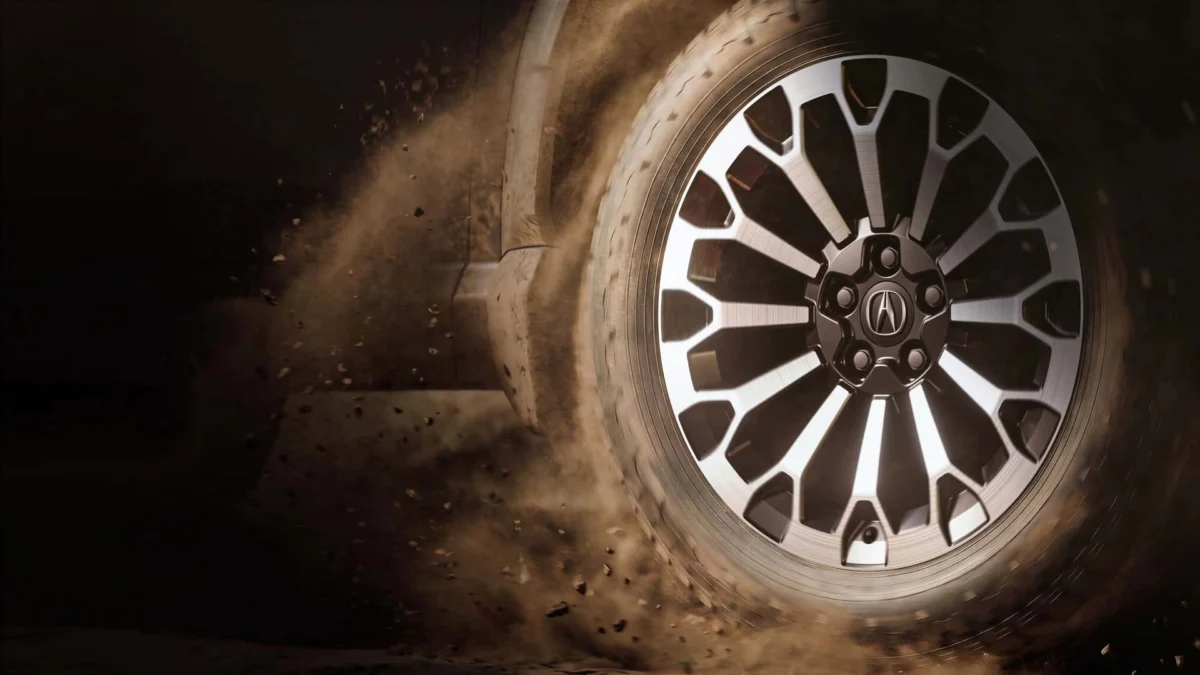
Acura, the luxury performance division of Honda Motor Co., is signaling a period of significant industrial transformation. As the automotive landscape shifts toward electrification and specialized utility vehicles, the brand is positioning itself to capture a broader demographic of buyers. Recent filings with the United States Patent and Trademark Office (USPTO) have ignited industry speculation, as Honda has moved to secure four distinct names—TDX, LDX, TYPE-TRAIL, and TYPE T—setting the stage for what appears to be a comprehensive product offensive slated for the latter half of the decade.
The Trademark Offensive: Analyzing the Nomenclature
On October 16, Honda officially registered four new trademarks with the USPTO, covering everything from automobiles to structural components. While automotive manufacturers frequently file for trademarks defensively—often securing names years in advance to protect intellectual property without ever bringing a vehicle to market—the timing of these specific filings is far from coincidental.
The names fall into two distinct categories that suggest a dual-pronged strategy for Acura’s future portfolio.
1. The Alphanumeric Evolution: TDX and LDX
The filings for "TDX" and "LDX" represent a clear continuation of Acura’s existing naming convention. For decades, the brand has relied on a two-letter suffix preceded by the "X" (or in the case of the defunct sedan lineup, specific alphanumeric identifiers). Current stalwarts like the RDX and MDX serve as the bedrock of the brand’s SUV strategy. By introducing "TDX" and "LDX," Acura is likely signaling the expansion of its core crossover lineup. Industry analysts suggest that these letters could denote new segments or powertrain configurations, potentially slotting in as additional luxury offerings between or alongside the existing RDX and MDX.
2. The Adventurous Pivot: TYPE-TRAIL and TYPE T
Perhaps more intriguing are the filings for "TYPE-TRAIL" and "TYPE T." These names represent a significant departure from Acura’s established nomenclature. The inclusion of the word "Trail" strongly implies that Acura is looking to capitalize on the burgeoning "adventure-ready" segment. This mirrors the successful integration of the "TrailSport" trim level within the Honda brand, which has proven highly profitable for the Pilot and Passport models. A "Type-Trail" moniker could suggest a dedicated, ruggedized performance line designed to bridge the gap between track-focused performance and off-road capability.
Chronology of an Evolving Roadmap
Acura’s current product roadmap is one of the most transparent in the industry, providing a clear timeline that helps contextualize these recent legal maneuvers. The brand has already confirmed a significant product push beginning in 2028, a year that will serve as a pivot point for the manufacturer.
The 2028 Horizon
Acura has communicated to its dealership network that three distinct, all-new SUV models are currently in development.
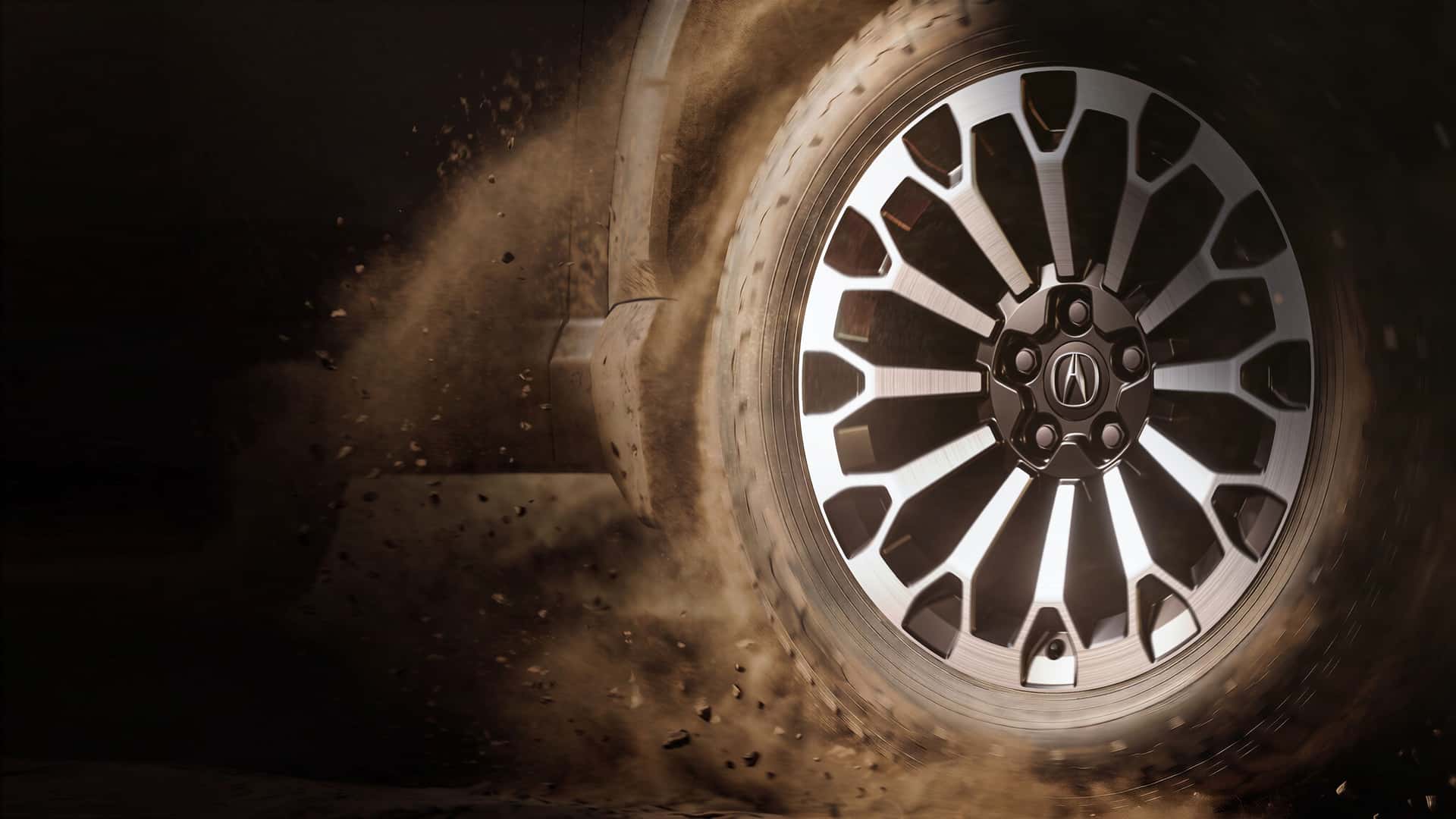
- The Adventure SUV (Q1 2028): The first of these, expected to debut in the early months of 2028, is widely anticipated to be an outdoor-oriented vehicle. This aligns with the "TYPE-TRAIL" trademark, suggesting a vehicle engineered for more than just suburban asphalt, likely incorporating advanced all-wheel-drive systems and enhanced ground clearance.
- The RDX Hybrid Redesign (2028): Following the launch of the adventure model, the fourth-generation RDX is slated for a full redesign. Crucially, this will be the first RDX to utilize Honda’s advanced two-motor hybrid-electric powertrain. This represents a fundamental shift for the brand’s volume leader, signaling that electrification will be the primary engine strategy moving forward.
- The Eight-Passenger Flagship (Late 2028/Early 2029): The third piece of the puzzle is an ambitious, full-size, three-row SUV designed to eclipse the current MDX in both size and stature. Positioned as the brand’s ultimate flagship, this vehicle is expected to compete with the upper echelon of the luxury market.
Supporting Data: Engineering the Future
The ambition behind these trademarks is supported by ongoing engineering developments at Honda’s R&D centers. Beyond the two-motor hybrid system slated for the RDX, the company is actively developing a new, high-performance hybrid V6 powertrain.
This engine is specifically designed for the D-segment—the category occupied by larger, premium SUVs. The existence of this powertrain development provides a logical home for the "TDX" or "LDX" badges. By combining a potent V6 with an electric-assist system, Acura aims to deliver the power expected of a flagship luxury vehicle while meeting increasingly stringent emissions and fuel economy standards.
Furthermore, the "TYPE T" trademark could potentially relate to a "Type S" variant of these new adventure-ready models, or perhaps a standalone, off-road-oriented sub-brand that differentiates itself from the performance-focused "Type S" models currently found in the Integra and MDX lineup.
Official Responses and Corporate Strategy
While Honda has not provided specific details regarding which vehicle will wear which badge, the silence from the corporate office is standard practice. Automakers rarely confirm the application of a trademark until a product is ready for a teaser campaign or a formal unveiling.
However, the "defensive filing" theory, while plausible, holds less weight here than it might with other manufacturers. Given the scale of the investment in the 2028 product cycle, it is highly probable that at least one of these names is intended for a production vehicle. Acura’s leadership has emphasized a desire to grow the brand’s market share by diversifying its utility offerings—a necessity in a market that has largely moved away from sedans.
The brand’s recent emphasis on "more models than ever before" suggests that the RDX, MDX, and the new flagship are only the beginning. The trademark filings are not just about protecting names; they are about preparing the retail environment for a influx of new inventory that will require distinct identities to stand out on a crowded dealership lot.
Implications for the Luxury SUV Market
The implications of this strategy are significant for both the consumer and the competition.
Challenging the Status Quo
By moving into the "adventure" space with a luxury badge, Acura is positioning itself to compete with the likes of Lexus (with its Overtrail series) and the premium-leaning offerings from Land Rover. If Acura can successfully marry the reliability of the Honda platform with the rugged aesthetics and off-road capability suggested by the "TYPE-TRAIL" name, it could disrupt the market segment currently dominated by more expensive European rivals.
The Hybrid Shift
The decision to pivot the RDX toward a hybrid-first architecture is perhaps the most consequential move in this plan. Historically, Acura has been somewhat conservative regarding electrification compared to its German and Korean competitors. By making the hybrid system a core component of its highest-volume SUV, the brand is essentially telling its customers that electrification is no longer an "option"—it is the standard for performance.
Brand Identity
For years, Acura has struggled to balance its identity as a "precision-crafted" performance brand with the realities of being a mass-market luxury SUV manufacturer. The potential introduction of the TDX and LDX nomenclature suggests a cleaner, more organized lineup. If the "X" remains the hallmark of the SUV range, the prefix letters (like T and L) could provide a much-needed hierarchy, allowing customers to easily distinguish between standard luxury, hybrid efficiency, and trail-ready capability.
Conclusion: A Turning Point
The period leading up to 2028 will likely be the most intensive in Acura’s history. The combination of a new, larger flagship SUV, the electrification of the RDX, and the potential for a ruggedized adventure line indicates that Acura is not just updating its products—it is redefining its place in the automotive hierarchy.
While the USPTO filings for TDX, LDX, TYPE-TRAIL, and TYPE T are currently just strings of text on a government document, they represent the blueprint for a brand that is looking to shed its past limitations. As the company transitions from the drawing board to the production line, these names will likely become the symbols of a renewed Acura, one that is leaner, more capable, and significantly more aggressive in its pursuit of the modern luxury buyer.
For now, the automotive world waits for the next phase of the rollout. As we approach 2028, the gap between these legal filings and the tangible metal on the showroom floor will close, and the true vision behind these four enigmatic names will finally be revealed. Until then, Acura’s commitment to a three-SUV future remains the clearest indicator that the brand is ready for a new chapter.
