

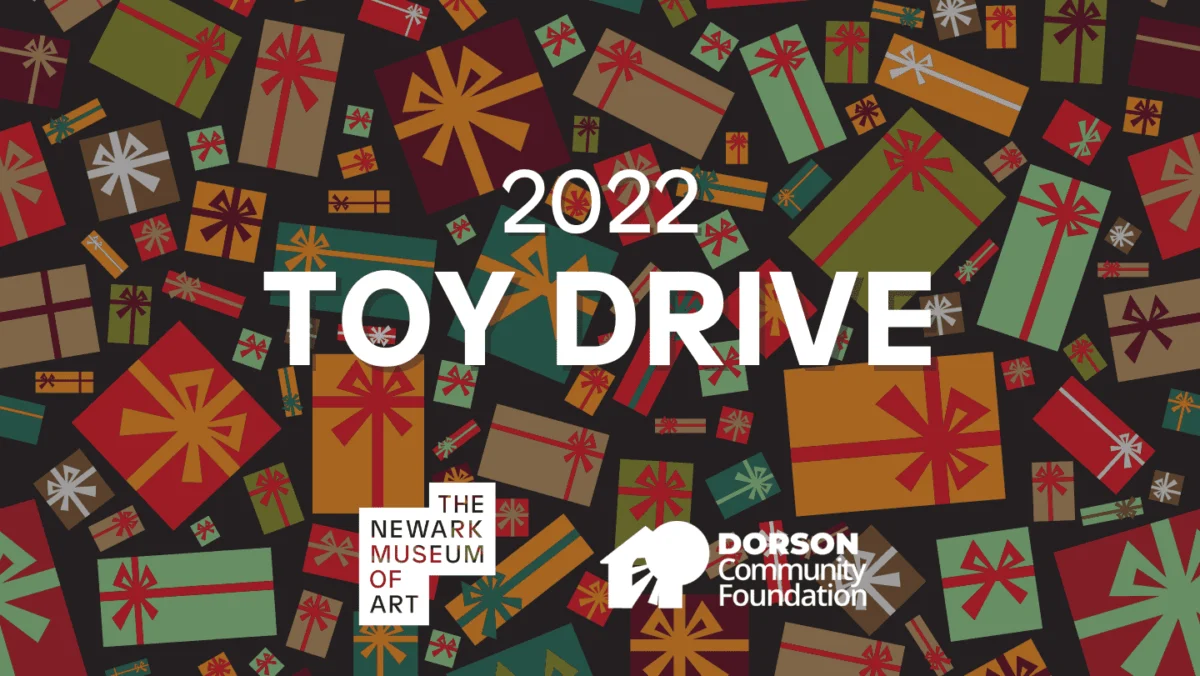
In the heart of Essex County, the holiday season serves as more than just a time for celebration—it is a critical juncture for community outreach and collective support. In December 2022, The Newark Museum of Art (NMOA) underscored its commitment to local social welfare by announcing its annual Toy Drive, a collaborative effort designed to provide comfort and cheer to children ranging from infants to teenagers. By joining forces with The Dorson Community Foundation, the NMOA transformed its cultural corridors into a hub of philanthropy, reinforcing the idea that art institutions serve as the vital bedrock of their neighborhoods.
Main Facts: A Mission of Generosity
The 2022 NMOA Toy Drive was established as a centralized collection point for holiday gifts intended for children aged 0 to 17. The initiative focused on the collection of new, unwrapped items, ensuring that the museum could facilitate a wide range of interests and age-appropriate needs.
The logistical backbone of the drive was simple but effective: the museum utilized its existing high-traffic locations—specifically the Washington Street and South Wing entrances—as drop-off points. By aligning these efforts with standard visitor hours (Thursday through Sunday, 10:00 AM to 5:00 PM), the museum made it convenient for patrons, local residents, and staff to contribute to the cause. The deadline for the collection was set for December 15, 2022, providing a narrow but focused window for the community to mobilize and contribute to the foundation’s distribution efforts.
The Chronology of Care
The announcement of the toy drive, released on December 7, 2022, signaled a final, high-energy push for holiday donations.
- December 7, 2022: The official launch of the partnership between the Newark Museum of Art and The Dorson Community Foundation was publicized. The museum leveraged its digital platforms to reach its membership base and the wider public.
- December 8–11, 2022: The first weekend of the drive saw a steady influx of donors. The museum’s accessibility-focused environment ensured that families visiting for exhibitions could easily integrate their charitable act into their weekend plans.
- December 15, 2022: The final day for collection. This date was chosen strategically to allow the Dorson Community Foundation sufficient time to inventory, sort, and distribute the toys to children across Essex County before the holiday festivities began.
- Post-December 15: Following the conclusion of the drive, the logistical transition shifted to the Foundation’s team, who coordinated the final delivery to families, ensuring that the generosity of the museum-goers reached the intended recipients in time for the holidays.
Supporting Data: Why This Partnership Matters
The efficacy of the NMOA Toy Drive lies not just in the volume of toys collected, but in the strategic alignment of values between the museum and the community it serves. The Dorson Community Foundation is not merely a distribution partner; it is a long-standing advocate for the youth of Essex County. Their mission—centered on opening doors, creating opportunities, and encouraging continued education—complements the museum’s goal of fostering a culture of well-being.
Data regarding the demographics of Essex County suggests that initiatives like these are essential. With a high concentration of families facing economic instability, the need for communal support systems is perennial. The toy drive acted as a buffer, reducing the financial strain on parents who might otherwise struggle to provide gifts during a period of high inflation and economic uncertainty. By providing gifts for a wide age range (0-17), the drive addressed a common gap in charitable giving, where teenagers are often overlooked in favor of younger children.
The P.L.A.C.E. Initiative: A Broader Vision
The 2022 Toy Drive was not an isolated event; it was a cornerstone of the NMOA’s "P.L.A.C.E." initiative. This internal framework represents the museum’s dedication to community integration. P.L.A.C.E. stands for the integration of partnerships, leadership, and community engagement.
The team behind P.L.A.C.E. acts as a bridge between the institution and the public, working closely with:
- Elected Officials: Ensuring that the museum’s goals align with the city’s broader social agendas.
- Arts Organizations: Utilizing creative networks to amplify the message of philanthropy.
- Social Service Agencies: Partnering with experts like The Dorson Community Foundation to ensure that resources reach those with the greatest need.
This structural approach ensures that the museum is not an ivory tower, but a living, breathing participant in the civic life of Newark. The toy drive served as a tangible manifestation of this philosophy, proving that the museum’s walls exist to protect art, but its doors exist to serve the people.
Official Responses and Stakeholder Perspectives
In discussions surrounding the partnership, leadership from both the museum and the Foundation emphasized the importance of visibility. For the museum, the goal was to leverage its platform to increase awareness. For the Dorson Community Foundation, the partnership provided a prestigious venue to engage donors who might not otherwise encounter the foundation’s specific mission.
The Foundation’s work in "developing a sense of self-worth" among local youth is intrinsically tied to the act of giving. When a child receives a gift through such an initiative, the impact is two-fold: they receive a physical object, but they also receive the message that their community values their joy and their future.
The Newark Museum of Art’s management emphasized that their role was to facilitate the ease of participation. By keeping the requirements simple—unwrapped, new, and diverse in age appropriateness—they removed the barriers to entry, allowing the community’s innate desire to help to flourish.
Implications for Future Community Outreach
The success of the 2022 Toy Drive offers a roadmap for future cultural engagement. Several key implications emerge:
1. The Role of Cultural Institutions as Social Hubs
The museum proved that it can serve as more than a gallery. By offering a safe, recognizable, and accessible space, it became a trusted location for social action. Future programming at the NMOA is likely to see an increase in these "service-oriented" events, as the feedback from the 2022 drive was overwhelmingly positive.
2. The Power of "Micro-Philanthropy"
The drive relied on the cumulative effect of small, individual contributions. This model is sustainable and scalable. It allows individuals who cannot afford to be major donors to still make a significant, measurable impact on their neighbors. This inclusivity is vital for maintaining a healthy relationship between a museum and the public.
3. Strengthening Inter-Agency Collaboration
The collaboration between the museum and the Dorson Community Foundation serves as a model for how non-profits and cultural centers can share resources. The museum provided the "space" (the physical location and the audience), while the Foundation provided the "reach" (the network of families in need and the distribution infrastructure). This division of labor is highly efficient and minimizes the administrative burden on both parties.
Conclusion: A Legacy of Engagement
The 2022 Newark Museum of Art Toy Drive was a testament to the power of community-minded institutional leadership. By providing a platform for the Dorson Community Foundation, the museum did more than collect toys; it fostered a sense of unity and shared responsibility.
As we look back at the events of that December, it is clear that the true "masterpiece" on display was the spirit of the people of Newark. Whether through the donation of a stuffed animal for a toddler or a complex building set for a teenager, the participants in this drive demonstrated the strength of the Essex County community. Through the ongoing efforts of the P.L.A.C.E. initiative, the NMOA has firmly established that its future is inextricably linked to the well-being of the youth it serves. As the museum continues to evolve, it carries with it the knowledge that its most important work often happens outside the gallery, in the hands of the children it helps to support.
