

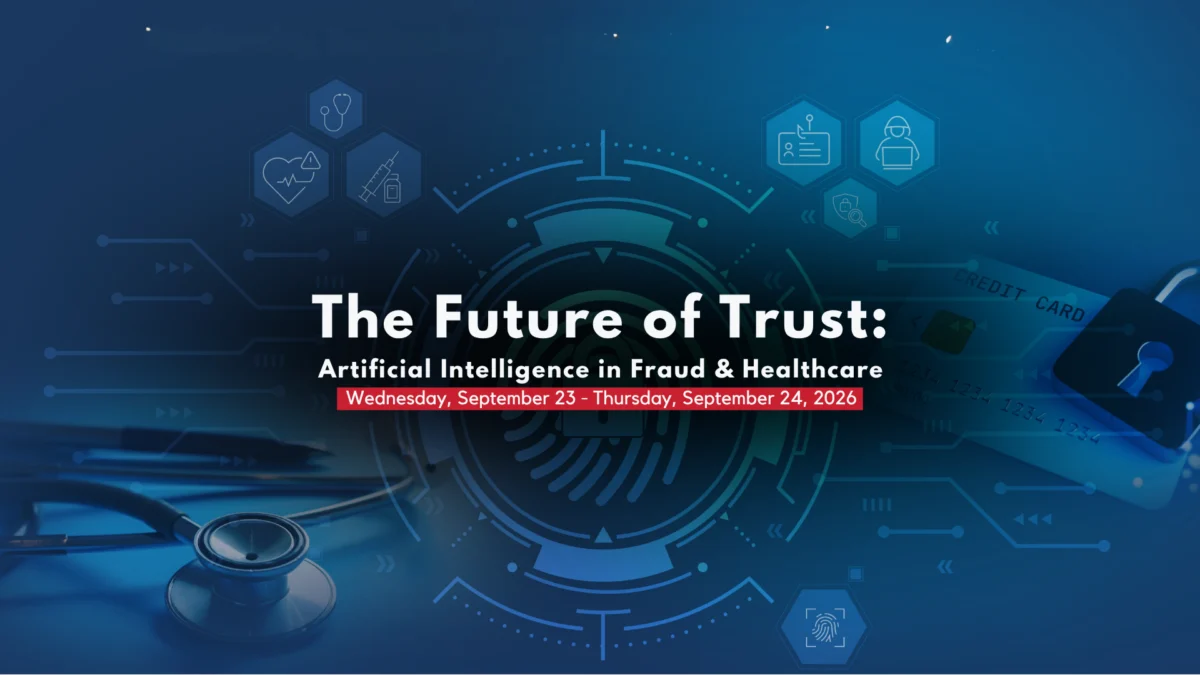
WASHINGTON, DC – As artificial intelligence (AI) accelerates its integration into the fabric of daily life, the National Consumers League (NCL) is convening a critical, two-day summit titled "The Future of Trust: Artificial Intelligence in Fraud & Healthcare." Scheduled for September 23–24, the conference arrives at a pivotal inflection point, as the same technologies promising to revolutionize medical diagnostics and patient care are simultaneously being weaponized by bad actors to exploit vulnerable consumers.
The summit, which will be held in Washington, D.C., represents a rare intersection of diverse sectors. Policymakers, federal regulators, tech giants, pharmaceutical innovators, and consumer advocacy groups will gather to address the dual-sided nature of the AI revolution.
The Dual-Edged Sword: Why This Conversation Matters Now
The rapid democratization of generative AI has created a landscape where the cost of entry for sophisticated criminal activity has plummeted. Simultaneously, the healthcare sector is attempting to harness these same tools to solve complex biological puzzles and streamline administrative burdens.
The NCL conference is designed to move beyond the hype cycle. By pairing technical innovation with rigorous consumer protection frameworks, the organization aims to establish a roadmap for "trustworthy AI."
Day One: Confronting the AI-Fueled Fraud Epidemic
The inaugural day of the summit will be dedicated to the dark side of digital innovation. As AI becomes more adept at mimicking human voices, generating photorealistic deepfakes, and automating high-volume phishing attacks, the traditional safeguards for consumer protection are being rendered obsolete.
The keynote address will be delivered by Patrick Coughlin, author of Dark Side of the Boom: How Scammers Hijacked the AI Revolution. Coughlin’s work provides a harrowing look at how criminal syndicates are leveraging large language models to refine their social engineering tactics, making scams nearly indistinguishable from legitimate communication.
"The spread of AI-enabled fraud is revolutionizing scammers’ ability to reach millions of vulnerable consumers," says John Breyault, NCL’s VP of Public Policy, Telecommunications, and Fraud. "This conference brings together the brightest minds in technology, consumer protection, and public policy to discuss real-world solutions that can help reduce consumers’ risk to the growing wave of AI-fueled fraud."
Panel discussions will feature representation from Amazon and TRM Labs, alongside legal and regulatory authorities, including the D.C. Office of the Attorney General. These sessions will explore:
- The Weaponization of Deepfakes: How identity theft and financial fraud are evolving in the age of synthetic media.
- Strategic Defense: How industry leaders and government agencies can collaborate to identify and intercept AI-driven criminal networks before they scale.
- Regulatory Gaps: Determining whether existing consumer protection laws are sufficient to handle the speed of AI-driven criminality.
Day Two: Trust as the Foundation of Digital Health
On the second day, the focus shifts to the clinical and systemic potential of AI. With high-level experts from Eli Lilly and Company, PhRMA, the Centers for Medicare & Medicaid Services (CMS), KFF, and the National Organization for Rare Disorders, the agenda will explore how AI can improve patient outcomes without compromising the sacred trust between provider and patient.
The keynote speaker, Dr. Vin Gupta, Senior Medical Analyst at MS NBC, will offer his perspective on the intersection of public health policy and rapid technological adoption.
"AI has the potential to transform healthcare—from accelerating the discovery of new treatments to improving how patients access, navigate, and manage their care," says Lisa Bercu, NCL’s Senior Director of Health Policy. "But realizing that promise will depend on earning and maintaining consumer trust. As AI becomes more deeply embedded in healthcare, consumers need confidence that these technologies are accurate, their data is protected, and important decisions about their health are made with appropriate transparency and accountability."
The healthcare panels are expected to tackle the "black box" problem—the lack of transparency regarding how AI models reach diagnostic conclusions—and the ethical imperatives surrounding patient data privacy in an era of massive health data harvesting.
Chronology of the Crisis: How We Reached This Moment
The urgency of the NCL conference is underscored by the rapid trajectory of AI development.
- 2022–2023: The mainstream release of generative AI tools sparked a "gold rush" in both legitimate industry and criminal sectors. Scams targeting seniors and retail consumers began utilizing synthetic voices to impersonate family members in distress—a phenomenon that has seen a 400% increase in reports to consumer agencies.
- Early 2024: AI-driven diagnostic tools began receiving FDA clearance for a wider array of specialized applications, ranging from oncology to rare disease identification, raising new questions about liability and algorithmic bias.
- Late 2024: As regulatory bodies like the FTC and various state Attorneys General began proposing new rules, the industry reached a consensus: technology is moving faster than policy, necessitating an industry-wide dialogue to prevent a "trust deficit" that could cripple the future of digital health.
Supporting Data and Industry Trends
According to recent consumer protection data, AI-enabled fraud is not merely an inconvenience; it is a systemic threat to the digital economy. Reports indicate that:
- Financial Impact: AI-driven fraud losses are projected to reach record highs by the end of the year, with billions of dollars in losses attributed to sophisticated phishing campaigns that utilize AI-generated, perfectly personalized scripts.
- Public Sentiment: Surveys suggest that while consumers are eager for the convenience of AI-powered healthcare, over 60% of patients express significant fear regarding how their genetic and medical history data is being utilized by third-party AI developers.
- Efficiency Gains: Conversely, in the pharmaceutical sector, AI has already reduced the drug discovery timeline by an estimated 25%, a breakthrough that could lower costs for patients—provided the models are trained on representative, unbiased data sets.
Implications for the Future
The implications of the NCL summit extend far beyond the two-day event. By hosting this summit, the NCL is positioning itself as a central clearinghouse for standards in an era where "trust" is the most valuable currency.
The Regulatory Landscape
For policymakers, the challenge is to craft "future-proof" legislation. The summit will provide a platform for the D.C. Office of the Attorney General and federal agencies like CMS to communicate their priorities. Expect discussions to center on the "Explainability" of AI—the requirement that AI systems provide a logical basis for their suggestions—and the necessity of human oversight in all healthcare-related decisions.
The Corporate Responsibility Mandate
For companies like Amazon and Eli Lilly, the conference offers an opportunity to demonstrate leadership. As consumers grow more skeptical of Big Tech and Big Pharma, these companies are under increasing pressure to prove that their AI deployments are governed by rigorous ethical standards, robust cybersecurity, and a commitment to protecting the consumer’s financial and physical health.
A Legacy of Advocacy
Founded in 1899, the National Consumers League remains the oldest consumer advocacy organization in the United States. Its mission—to protect and promote social and economic justice—has evolved from the labor movements of the early 20th century to the digital rights battles of the 21st.
"The Future of Trust: Artificial Intelligence in Fraud & Healthcare" is not just a conference; it is a strategic effort to ensure that the AI revolution serves the interests of the people rather than the interests of those who seek to exploit them.
For those interested in participating in these vital conversations, registration remains open.
About the National Consumers League
The National Consumers League is America’s pioneer consumer organization. Since its inception, the NCL has championed the rights of workers and consumers, advocating for fair wages, safe workplaces, and a fair marketplace. The organization continues to lead the fight against consumer fraud and works tirelessly to ensure that new technologies are harnessed to improve, rather than erode, the quality of life for all Americans.
For more information on the conference program, list of panelists, and registration details, please visit the official event page here.
Media Contact:
Lisa McDonald
Vice President of Communications
National Consumers League
Phone: 202-207-2829
Email: [email protected]
