

In the diverse landscape of global cuisine, few categories are as fascinating as Yoshoku—a uniquely Japanese culinary movement that began during the Meiji Restoration. These dishes represent a creative, cross-cultural dialogue, taking Western staples and re-engineering them through a Japanese lens. Among the crown jewels of this genre is the hanbāgu, a dish that, while sharing a linguistic ancestor with the American hamburger, offers an entirely different, arguably more sophisticated, eating experience. By shifting the focus from the bun to the patty, the hanbāgu provides a masterclass in texture, moisture retention, and flavor depth that can elevate any home cook’s burger repertoire.
Main Facts: Defining the Hanbāgu
At its core, a hanbāgu is a Japanese-style hamburger steak. Unlike the American-style burger, which relies on the interaction between a crusty bun, fresh vegetables, and a seared patty, the hanbāgu is designed to be eaten with a knife and fork. It is a dish that prioritizes the internal integrity of the meat above all else.
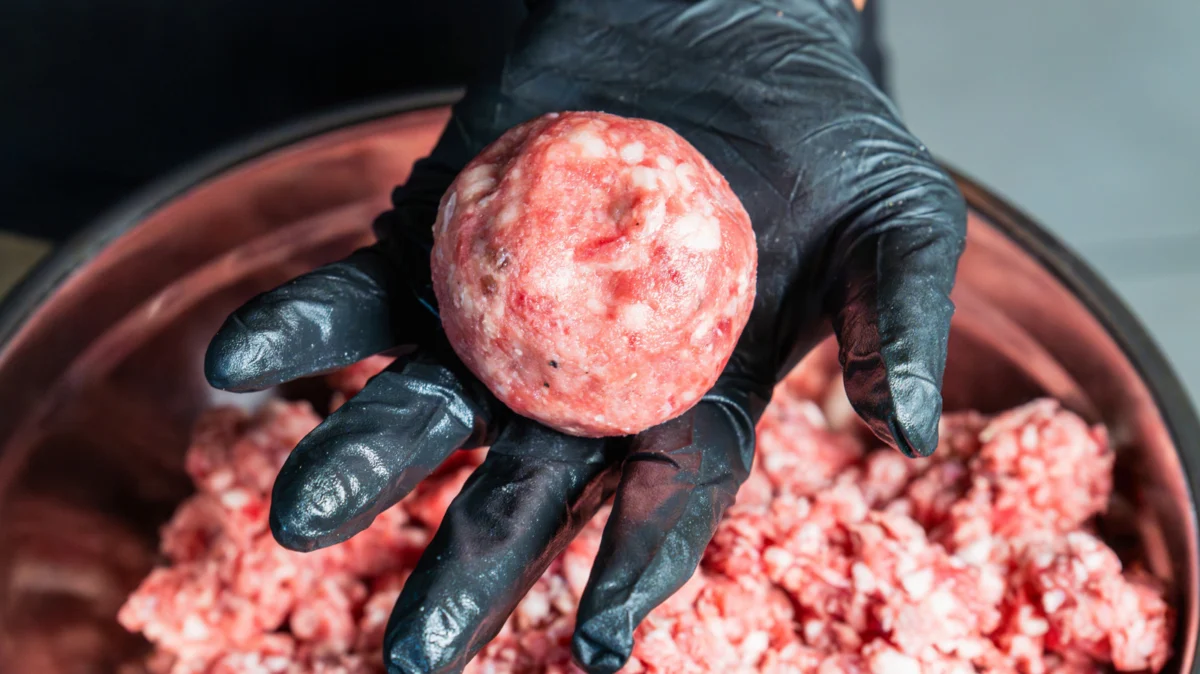
The composition of a traditional hanbāgu is closer to a refined meatball than a standard grill-ready patty. It utilizes a blend of ground beef and ground pork—often in a ratio of 2:1 or 1:1. This inclusion of pork is the secret weapon for juiciness. Because pork has a different fat profile and melting point than beef, it ensures that the patty remains succulent even when cooked to a well-done state. Furthermore, the mixture is bound with breadcrumbs and eggs, creating a tender, uniform crumb structure that resists drying out during the searing and steaming process.
The Chronology of Yoshoku
To understand the hanbāgu, one must look at the timeline of Japanese culinary evolution. Following the Meiji Restoration in the late 19th century, Japan began to modernize, which included the adoption of Western-influenced dietary habits.
- Late 1800s: The introduction of "Western-style" foods begins. Dishes like tonkatsu (breaded pork cutlet) and curry rice (inspired by the British Royal Navy) take hold.
- Early 20th Century: The concept of Yoshoku solidifies as a distinct genre of home cooking and restaurant fare. Chefs began adapting the Hamburg steak—a dish popular among German immigrants in the U.S.—into a format that suited the Japanese palate, which preferred tender textures and rich, savory sauces over the textural contrast of bread.
- Post-WWII: The hanbāgu becomes a staple of the Japanese middle-class diet. It finds its way into shokudō (casual eateries) and eventually becomes one of the most popular items in the famiresu (family restaurant) scene.
- Modern Era: The dish has evolved into an artisanal craft. From high-end, Wagyu-based hanbāgu specialty restaurants to home-cooking blogs, the techniques for moisture control have become highly refined, often involving complex steaming methods and artisanal demi-glace reductions.
Supporting Data: The Science of the "Juicier Bite"
Why does the Japanese technique consistently outperform a standard all-beef patty in terms of moisture? It comes down to chemistry and heat management.
The Meat Ratio
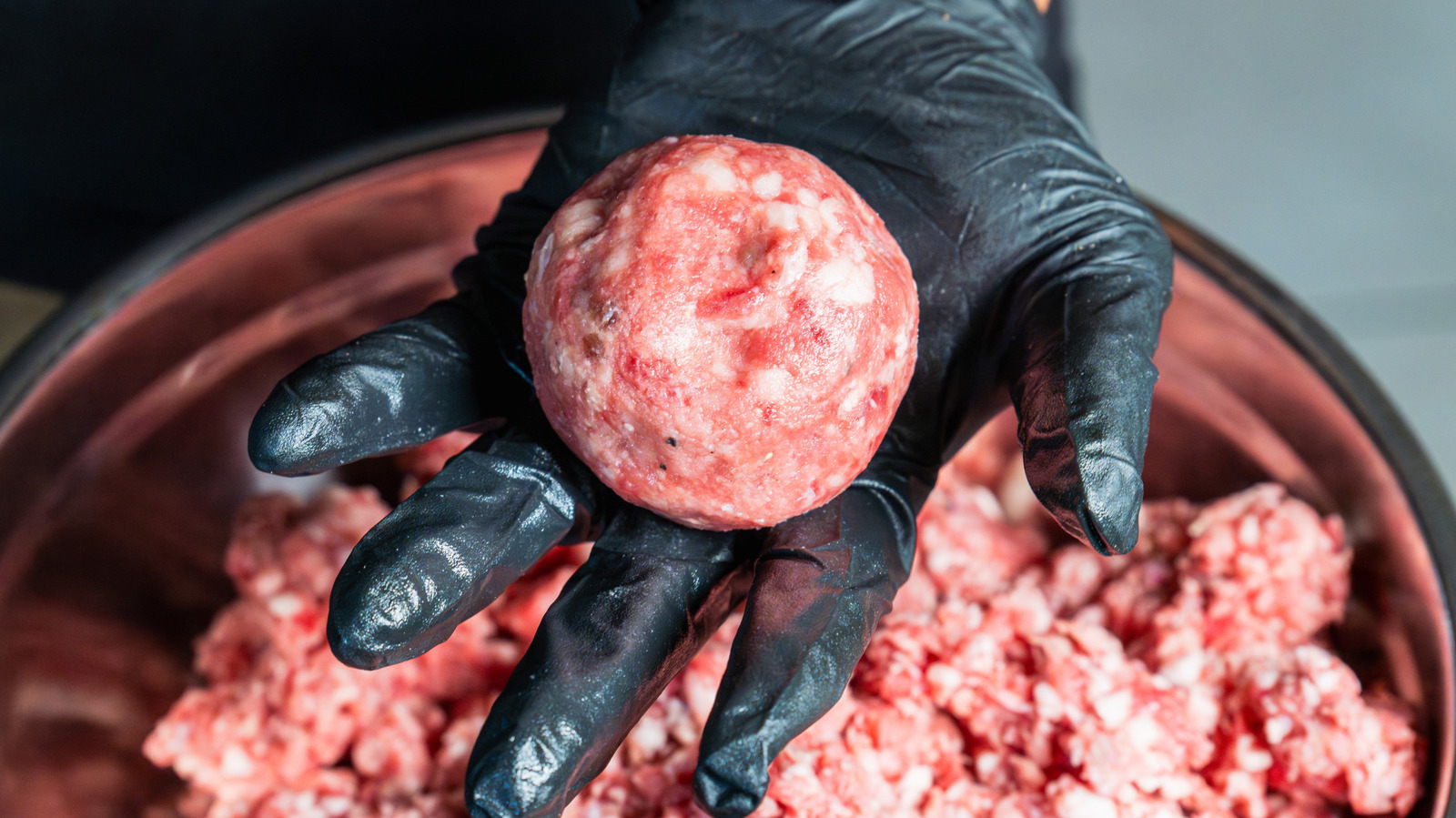
A standard all-beef burger, particularly one made from lean ground beef, is prone to drying out if cooked past medium. By incorporating pork, the hanbāgu introduces fat that renders differently, coating the protein fibers and preventing the "mealy" texture associated with overcooked beef.
The Binding Agents
The use of breadcrumbs (often soaked in milk, known as panade) acts as a sponge. These crumbs absorb the juices released by the meat as it heats, holding them within the patty rather than letting them evaporate into the pan. This creates a moist, consistent texture that is virtually impossible to achieve with a "pure" meat patty.
The Steaming Technique
The most critical difference lies in the cooking process. While American burgers are typically grilled or pan-seared to finish, the hanbāgu is usually seared to create a Maillard reaction on the surface, then finished by adding a liquid—such as red wine, sake, or beef stock—to the pan. Covering the pan allows the patty to steam in this flavorful vapor, cooking it through gently without burning the exterior.
Official Perspectives and Culinary Implications
Leading culinary experts and chefs in the Yoshoku tradition emphasize that the hanbāgu is not merely a "lazy" burger, but a distinct culinary identity. The sauce, for instance, is a critical component. A traditional hanbāgu is served with a demi-glace that blends ketchup, Worcestershire sauce, and sometimes mirin or soy sauce. This creates a profile that hits the "sweet and savory" notes that define the Japanese palate.
The implications for the home cook are significant. By adopting these techniques, one can solve the perennial problem of the "dry, well-done burger."
- Uniformity: Because the patty is bound and steamed, there is no need to worry about the center being cold or the edges being burnt.
- Safety: By using a blend of meats and a steaming finish, you can ensure the internal temperature safely reaches 160 degrees Fahrenheit without sacrificing the quality of the bite.
- Versatility: These patties are just as delicious over steamed white rice as they are tucked into a brioche bun.
Integrating Hanbāgu Techniques into Your Kitchen
If you want to incorporate these methods into your next burger night, consider these three actionable steps:
1. The Blend is Best
Don’t fear the pork. Replacing 30% to 50% of your ground beef with ground pork or even a mix of pork and veal will transform the mouthfeel of your burger. The added fat and sweetness will elevate the flavor profile significantly.
2. The Panade Method
Take your breadcrumbs and mix them with a small amount of milk or cream before adding them to the meat mixture. This creates a hydration layer that protects the meat fibers. Combine your meat, aromatics (like sautéed onions, which add natural sweetness), and the panade gently—do not overwork the meat, or the texture will become rubbery.
3. Finish with a Steam
Once you have achieved a beautiful, deep brown crust on both sides of your patties, turn the heat down to low. Add a quarter cup of high-quality stock or a splash of dry red wine to the pan and immediately cover it with a tight-fitting lid. Let the patties steam for 3 to 5 minutes. The result will be a burger that is impossibly tender, moist, and infused with the essence of the cooking liquid.
Conclusion
The Japanese hanbāgu is a testament to the power of culinary adaptation. By stripping away the expectations of what a burger "should" be and focusing on the physics of moisture and flavor, the Japanese have created a dish that offers a more consistent, indulgent experience. Whether you choose to serve it in the traditional style with steamed vegetables and rice or use these techniques to improve your standard barbecue burger, the hanbāgu serves as a reminder that some of the best kitchen innovations come from looking at the familiar through a global lens. By embracing the blend, the binder, and the steam, you aren’t just cooking a burger—you are crafting a bite that is intentionally, perfectly juicy.
