

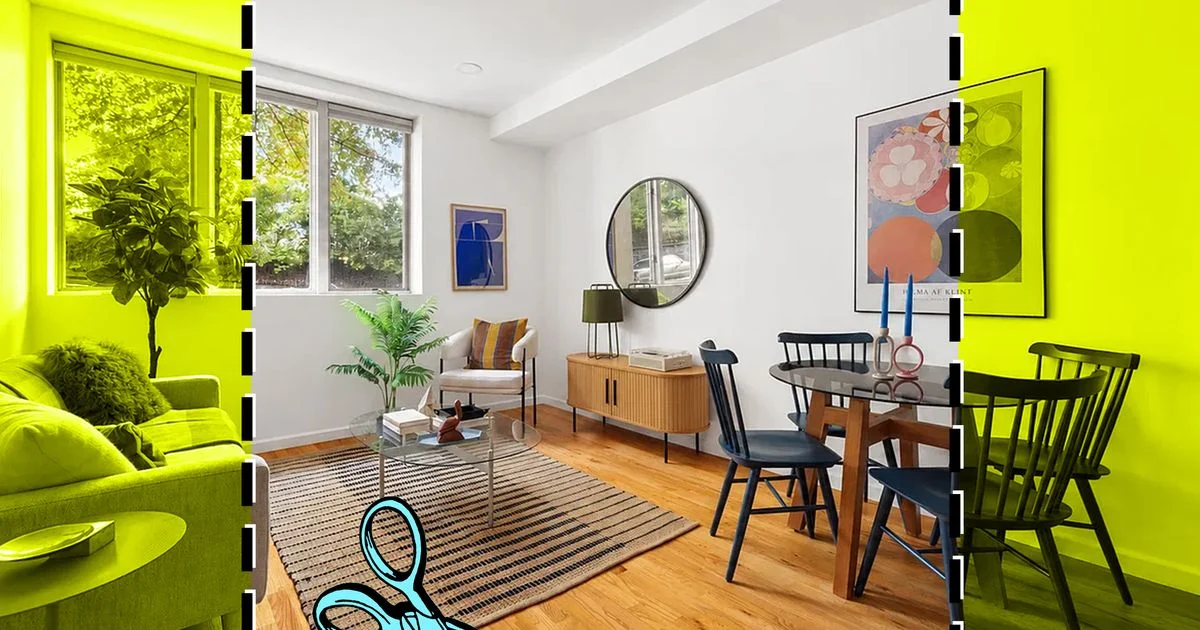
For prospective buyers in New York City, the sub-$1 million price point has long been the psychological "frontier" of the real estate market. It is a space where compromise is usually the primary currency, and the trade-offs are often stark: a park-adjacent studio that functions more like a glorified closet, a prewar one-bedroom in a walk-up that hasn’t seen a renovation since the Truman administration, or, if one is lucky, a true two-bedroom tucked into the outer boroughs’ periphery.
However, as the city’s housing landscape continues to shift in the face of fluctuating interest rates and evolving neighborhood dynamics, savvy buyers are finding that the "under a million" bracket still holds potential for those willing to look past the obvious. From the quiet, historical streets of Greenwood Heights to the grand, prewar cooperatives of the Upper East Side, the hunt for value remains a high-stakes scavenger hunt across the five boroughs.
The Greenwood Heights Duplex: A Study in Spatial Optimization
At the heart of this week’s search is a compelling offering in Greenwood Heights: a duplex at 321 23rd Street (Apt 1C), priced at $950,000. For the buyer who values interior volume over proximity to the subway, this property serves as a case study in modern residential layout.
Main Facts and Property Profile
The unit features a well-conceived floor plan that prioritizes natural light and functional separation. The main living area benefits from oversized windows, while the lower level houses a versatile sleeping area—or potential gym or home office—crowned by a massive skylight equipped with automatic blackout shades.
The kitchen has been updated with light-brown cabinetry and a neutral sandy backsplash. Perhaps most notably, the upstairs bathroom has received a spa-inspired renovation, complete with a Jacuzzi tub and ocher marble tiling. Beyond the interior, the unit offers a 410-square-foot private yard. While the presence of artificial turf may draw the ire of purists, the private outdoor space is an undeniable commodity in the current market.
Economic Implications
One of the most attractive features of this listing is its financial profile. Thanks to a tax abatement running through 2033, the monthly carrying costs are remarkably low—just $522. In a city where monthly maintenance and common charges can often rival the cost of a mortgage payment, this low overhead is a significant value add.
However, potential buyers must weigh these benefits against the "commuter’s tax." The 25th Street subway station is a 13-minute walk away—a distance that becomes particularly daunting during the harsh winter months. For the prospective resident, this unit represents a choice: trade accessibility for space and lower monthly overhead.
The Greenwich Village Grandeur: 45 Fifth Avenue
If the Greenwood Heights unit is about modern utility, the one-bedroom at 45 Fifth Avenue (Apt 15A) is a masterclass in prewar pedigree. Situated in one of Manhattan’s most storied neighborhoods, this 15th-floor unit commands a price that reflects its location and historic architectural integrity.
Architectural Context
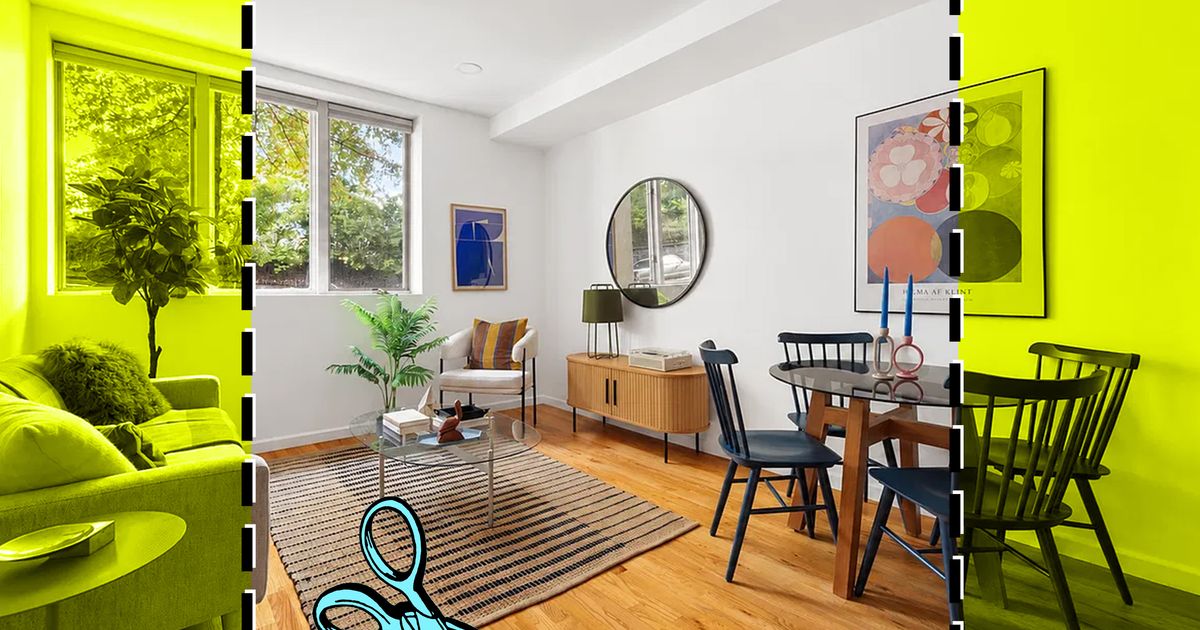
The apartment is defined by its triple exposure, which floods the space with natural light and provides striking views of the church steeples across Fifth Avenue. With beamed ceilings and original hardwood floors, the unit retains the "grand" aesthetic that defines early 20th-century New York luxury. The primary bedroom is exceptionally proportioned, capable of accommodating a king-size bed, seating area, and nightstands without feeling crowded.
The kitchen, while compact, has been modernized with dark marble countertops and a dishwasher, while the windowed bathroom offers a clean, white-tile finish. With monthly fees of $1,353, the unit provides access to shared laundry and a live-in superintendent. It is an ideal residence for those who prioritize the cultural prestige and walkability of being equidistant from Washington Square Park and Union Square.
Clinton Hill: Romanesque Revival Meets Modern Utility
Moving back to Brooklyn, the property at 252 Greene Avenue (Apt 4B) in Clinton Hill offers a glimpse into how older residential stock is being reimagined for the modern homeowner.
The Renovation Narrative
This unit is located on the top floor of a redbrick, Romanesque Revival building. Over the past 15 years, the sellers have completed a top-to-bottom overhaul. The kitchen serves as the focal point, featuring high-end appliances—including a Viking gas oven, Thermador refrigerator, and Miele stovetop—alongside custom water and soda taps, reflecting a level of detail rarely seen at this price point.
The living area centers around a decorative fireplace, while the bathroom offers a distinct "sauna-like" atmosphere, featuring a slatted vanity and a rain showerhead. Perhaps most intriguing is the inclusion of deeded roof rights. While the current owners have yet to capitalize on this, it presents a substantial value-add for a buyer with the appetite for a home-improvement project.
Carnegie Hill: The Preservationist’s Compromise
Our final look takes us to 172 E. 90th Street (Apt 4E), a prewar co-op in Carnegie Hill. This neighborhood is known for its strict preservationist ethos and "stiff-backed" adherence to architectural standards.
Modernization Within Traditional Constraints
Despite the neighborhood’s rigid character, this co-op has successfully integrated modern amenities, such as split-system HVAC units in every room. The kitchen, which features olive Shaker-style cabinetry and new quartz countertops, is notable for including a range hood that vents externally—a rarity in older New York apartment buildings.
The primary bedroom is expansive, with enough room for a dedicated office setup, while the second bedroom houses an in-unit washer-dryer and an en suite bath. At $1,362 per month, the carrying costs are in line with Manhattan luxury standards, offering the buyer the security of a well-maintained, historic co-op building.

Supporting Data: Understanding the Market
The diversity of these listings highlights a broader trend in the New York City real estate market: the divergence between "turnkey" properties and "project" homes.
| Property | Location | Price | Notable Feature |
|---|---|---|---|
| 321 23rd St | Greenwood Heights | $950,000 | Tax Abatement (Low Monthlies) |
| 45 Fifth Ave | Greenwich Village | $1,350,000* | Prewar Proportions |
| 252 Greene Ave | Clinton Hill | $995,000 | Deeded Roof Rights |
| 172 E 90th St | Carnegie Hill | $975,000 | Modern HVAC/Vented Hood |
*Note: While some units in these brackets may hover slightly above or below the $1M mark, they illustrate the premium placed on specific amenities, such as outdoor space or architectural history.
Implications for the Future of NYC Housing
The continued demand for these properties, despite economic headwinds, suggests that the "under a million" market is not merely a segment for first-time buyers, but a highly competitive arena for those seeking long-term value.
The Shift Toward Outer-Borough Quality
The popularity of the Greenwood Heights and Clinton Hill listings underscores a shift in buyer sentiment. Buyers are increasingly willing to trade the "prestige" of a Manhattan address for the increased square footage and private outdoor access found in Brooklyn. The emergence of high-end amenities—like deeded roof rights and custom kitchen hardware—indicates that developers and homeowners are responding to a sophisticated buyer who refuses to compromise on quality, even at a lower price point.
The Role of Regulatory Hurdles
For all these properties, the influence of regulatory bodies remains a constant. Whether it is the Landmarks Preservation Commission in Carnegie Hill or tax-abatement policy in Brooklyn, the regulatory environment directly impacts the speed and cost of renovations. Buyers are advised to conduct extensive due diligence regarding co-op board requirements and building-specific financial health, as these factors often determine the long-term appreciation of the asset.
Final Assessment
As we look toward the end of 2026, the market for homes under $1 million remains a testament to the resilience of New York City real estate. Whether it is a quiet, cemetery-adjacent duplex in Greenwood or a sophisticated prewar co-op on the Upper East Side, the key to finding value lies in the intersection of patience, an understanding of long-term costs, and the willingness to look beyond the listing photo. The search is never easy, but for those who know where to look, the city still offers significant rewards.
