

Breakfast in America is far from a static concept. In the modern era, the first meal of the day is often dictated by the "grab-and-go" culture of convenience—a rotation of avocado toast, artisanal breakfast sandwiches, or perhaps a quick protein bar. However, the history of the American breakfast is a complex tapestry woven from necessity, immigration, regional resourcefulness, and the grueling physical labor that once defined the nation’s agrarian roots.
As economic landscapes shifted and industrialization transformed the American schedule, many once-ubiquitous breakfast staples began to slip from the public consciousness. What follows is an exploration of the culinary relics that once graced tables from New England to the Deep South, detailing why these dishes flourished, why they faded, and what they reveal about the evolution of the American palate.
The Agrarian Foundation: A Chronology of Necessity
To understand these "old-school" orders, one must first understand the context of their inception. In the 19th and early 20th centuries, breakfast was not merely a nutritional boost; it was the fuel for a full day of strenuous manual labor.
The Colonial Era (17th–18th Century)
During this period, breakfast was utilitarian. Preservation was the primary concern, leading to the prominence of salted, cured, or dried foods. Dishes like codfish croquettes and johnnycakes emerged not out of gourmet aspiration, but because they utilized ingredients that were shelf-stable—salt cod and cornmeal—which could be prepared in vast quantities over open fires.
The Industrialization and War Era (19th–Mid-20th Century)
As the nation transitioned toward urban labor and military mobilization, the need for efficient, high-calorie, and cost-effective meals grew. This era birthed the "S.O.S." (chipped beef on toast) and solidified the reliance on canned goods like SPAM. These meals were designed to feed thousands of workers or soldiers with minimal overhead, turning humble ingredients into symbols of comfort and camaraderie.
The Modern Transition (Late 20th Century–Present)
As refrigeration became ubiquitous and international travel diversified the American diet, the "necessity" of these heavy, labor-intensive breakfasts declined. The rise of the "brunch" culture shifted the focus toward aesthetics and lighter fare, pushing traditional staples like scrambled brains and milk toast into the realm of nostalgia.
The Lost Pantheon: 12 Forgotten Breakfast Classics
1. Fried Cornmeal Mush
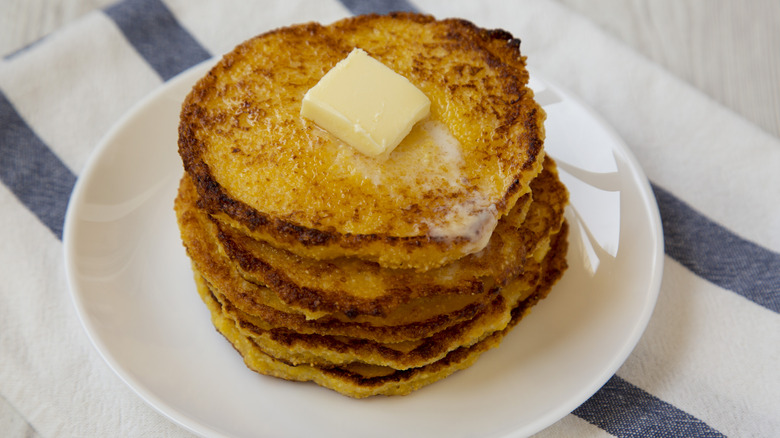
Corn was the lifeblood of early America. Pulverized into coarse meal, it became the foundation for porridges and breads. Fried cornmeal mush, however, is a dish that has nearly vanished. Once set as a thick porridge, the mush is chilled into a loaf, sliced, and fried. The result—a crispy exterior yielding to a soft, creamy center—represented the perfect balance of starch and texture. It failed to survive the shift toward flour-based pancakes and instant cereals.
2. Scrambled Brains and Eggs
While nose-to-tail dining is currently enjoying a resurgence among high-end chefs, a century ago, it was a requirement for survival. In rural Southern communities, pig brains were a perishable delicacy that had to be consumed immediately upon slaughter. Scrambled with eggs and served with a biscuit, this dish was a hallmark of resourcefulness. Its disappearance is largely attributed to changing attitudes toward offal and the modern consumer’s disconnect from the animal sourcing process.
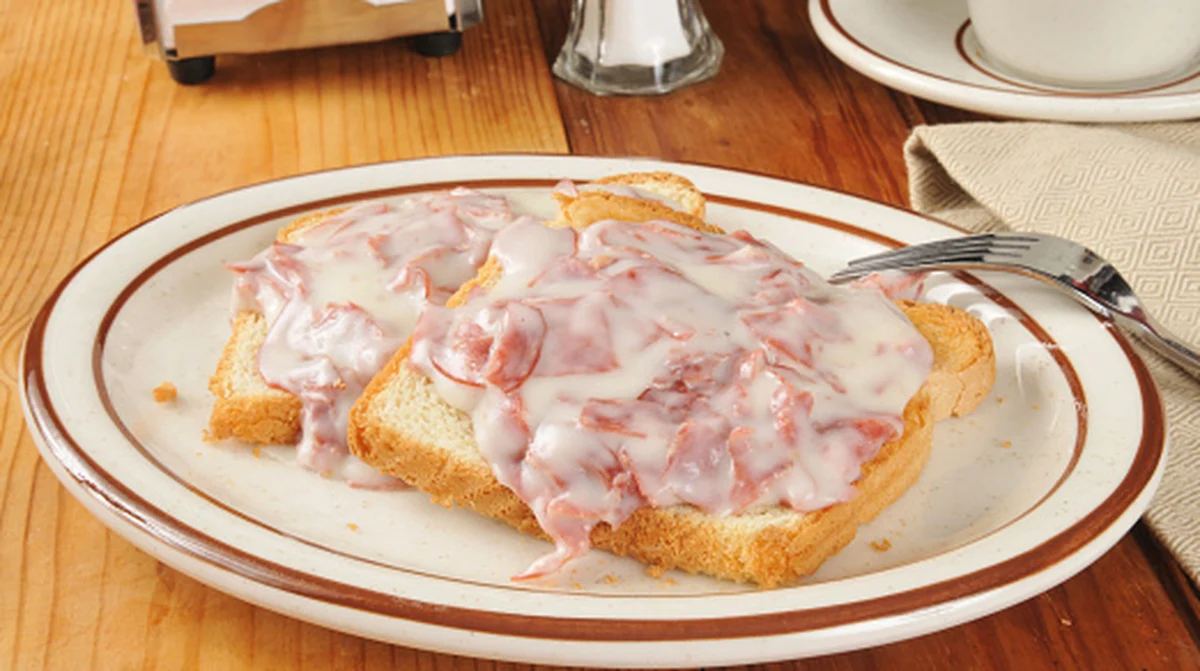
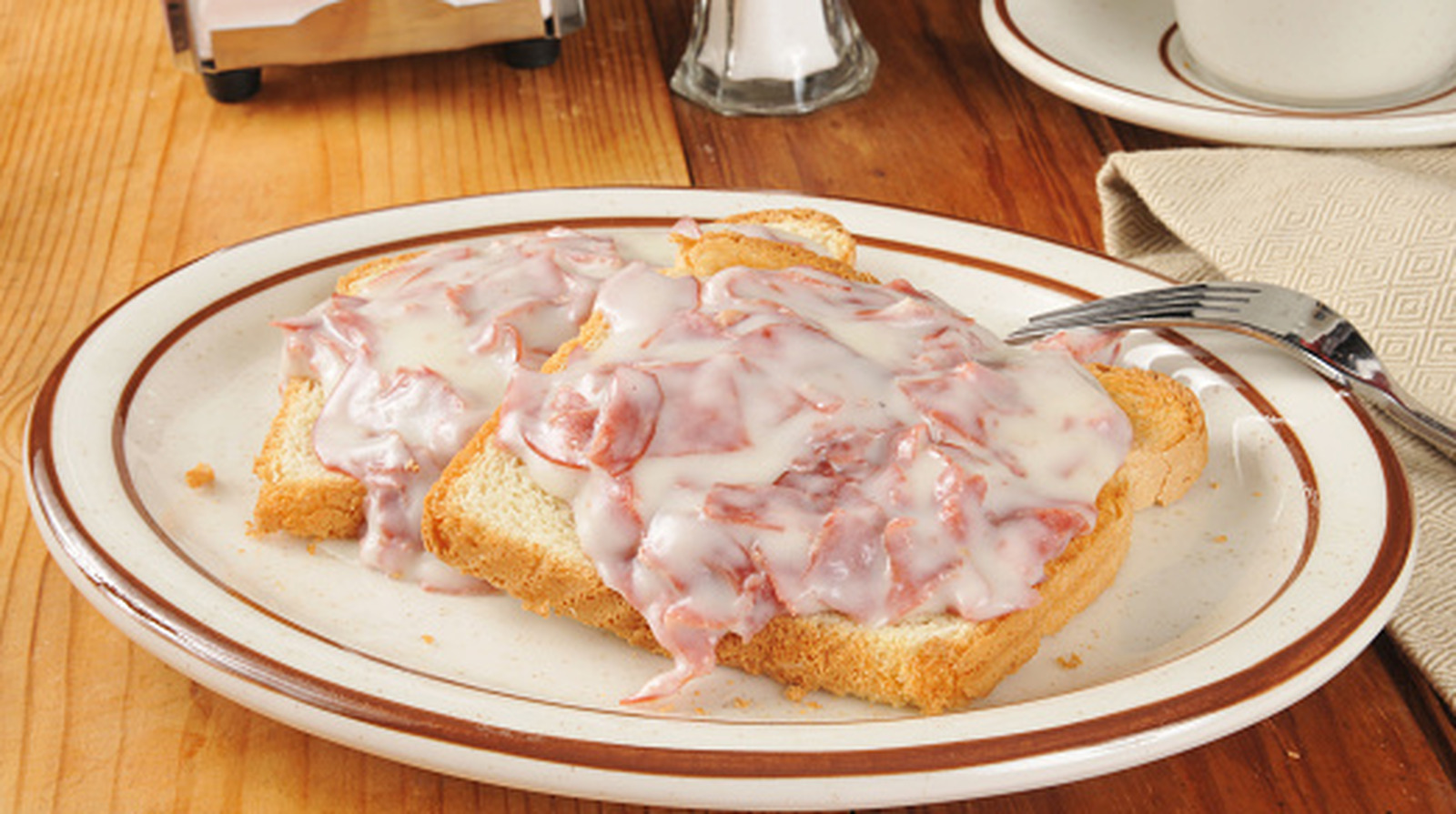
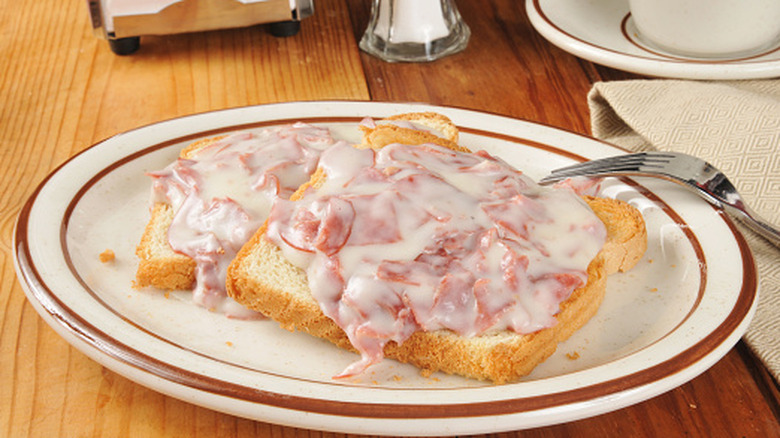
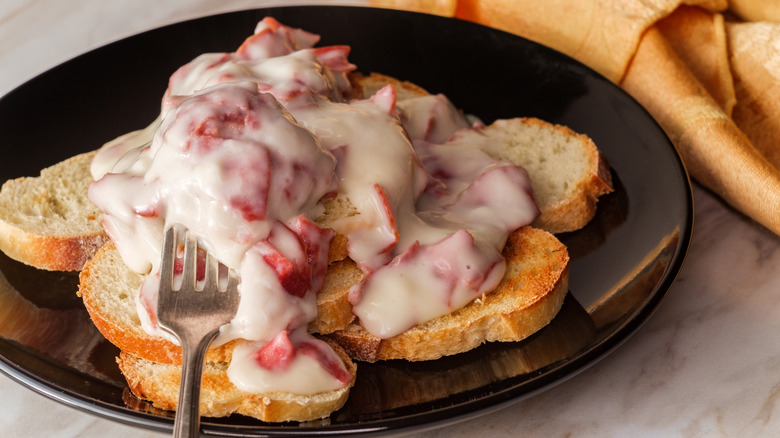
3. Chipped Beef on Toast (S.O.S.)
Few dishes carry as much historical weight as the creamed chipped beef served in military mess halls. Often irreverently dubbed "S**t on a Shingle," the dish was a staple for troops during WWI and beyond. It provided essential protein through shaved beef in a thick white gravy. While it briefly enjoyed popularity in Southern diners, its status as a "wartime food" limited its appeal in the post-war culinary landscape.
4. Johnnycakes
The johnnycake is a quintessential piece of Americana. Named, according to some theories, from a corruption of "Shawnee cake," these cornmeal griddle cakes were once the primary competitor to the modern pancake. They lost their dominance when finer, more commercialized flour became accessible, and the heirloom corn varieties used for the cakes were replaced by grittier, industrial versions.
5. Red-Eye Gravy
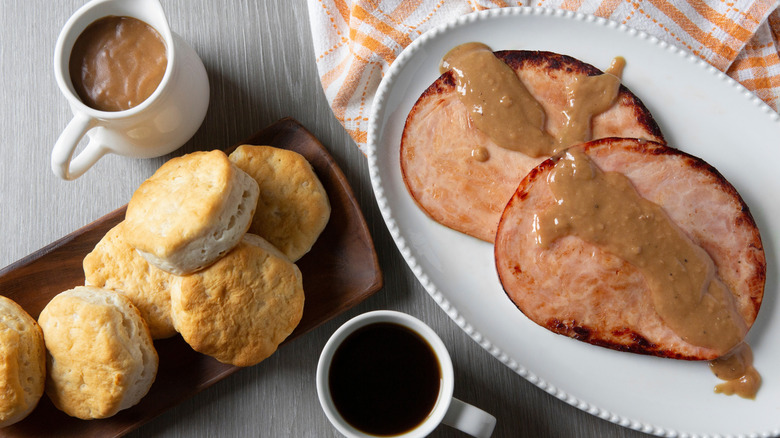
A thin, potent pan sauce made from the drippings of country ham and stale coffee, red-eye gravy was the quintessential "thrifty" breakfast. It was designed to moisten dry biscuits and grits. While it remains a cultural touchstone in the South, its decline in the broader American diet is due to the disappearance of true country-cured hams and the preference for thicker, roux-based gravies.
6. Milk Toast
Once a remedy for both physical ailments and emotional distress, milk toast is the ultimate "unassertive" dish. Consisting of warm, sweetened milk poured over toasted bread, it was the 19th-century equivalent of comfort food. Its association with sickness and the evolution of the breakfast cereal market effectively pushed it off the menus of commercial establishments.
7. Kippers and Onions
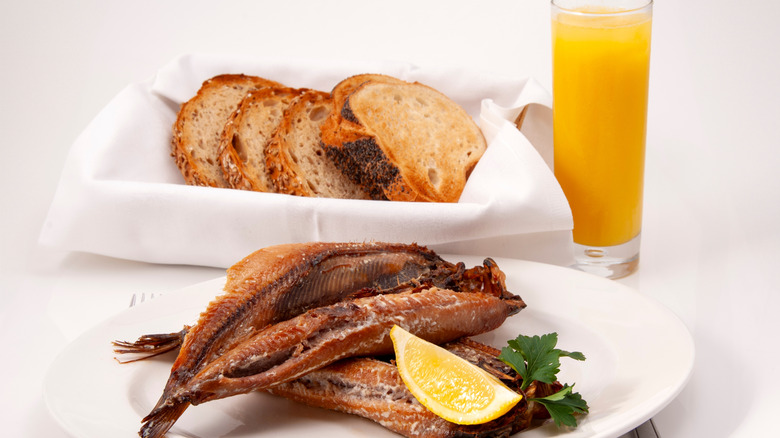
Imported by European immigrants in the mid-19th century, kippers (cold-smoked herring) were a breakfast staple in Eastern Europe and England. They offered a salty, oily, and highly nutritious start to the day. While similar in profile to lox and bagels, the specific preparation of kippers and onions struggled to maintain a foothold in the American breakfast market against the rise of sweeter, more "Americanized" options.
8. Grilled Lamb Kidneys
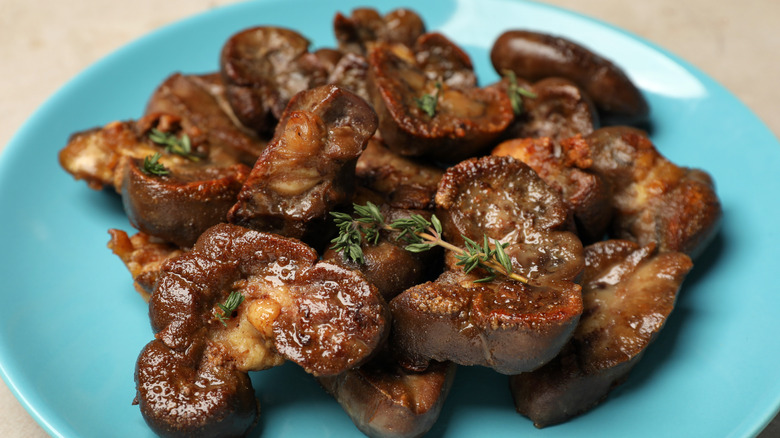
In the early 20th century, even luxury establishments like the Fairmont San Francisco featured kidneys on their breakfast menus. They were a sophisticated alternative to bacon or sausage. Today, they are viewed as "too funky" for the average diner, illustrating how far the American palate has retreated from organ meats.
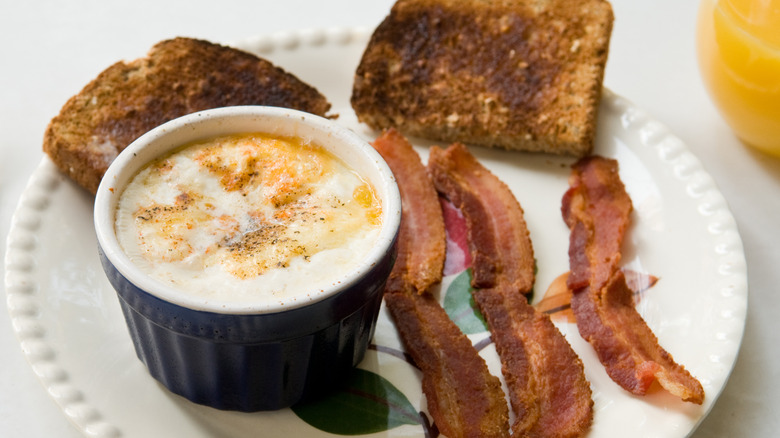
9. Shirred Eggs
Baked in wide, shallow ramekins with a splash of cream, shirred eggs were a hallmark of Victorian-era elegance. They were even featured on the breakfast menu of the Titanic. They require a level of patience and oven time that is incompatible with the high-speed output of modern diner kitchens.
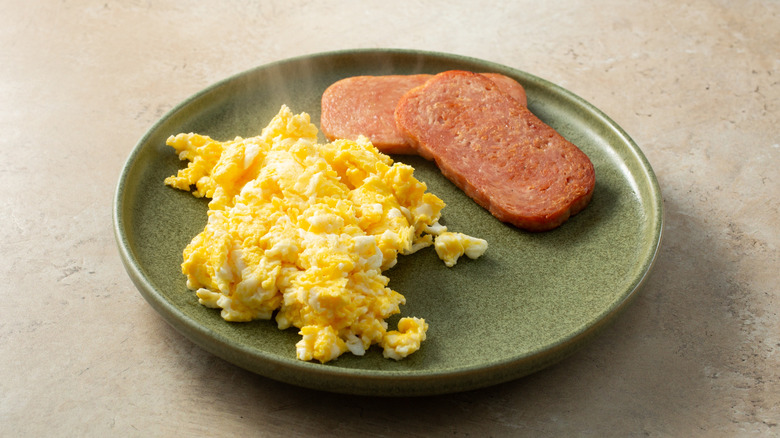
10. SPAM and Eggs
Hormel’s SPAM became a global sensation following WWII, carried by soldiers across the Pacific. While it retains a cult following in Hawaii and parts of Asia, its presence on the American mainland breakfast menu has waned as artisanal, cured meats and plant-based alternatives have taken center stage.
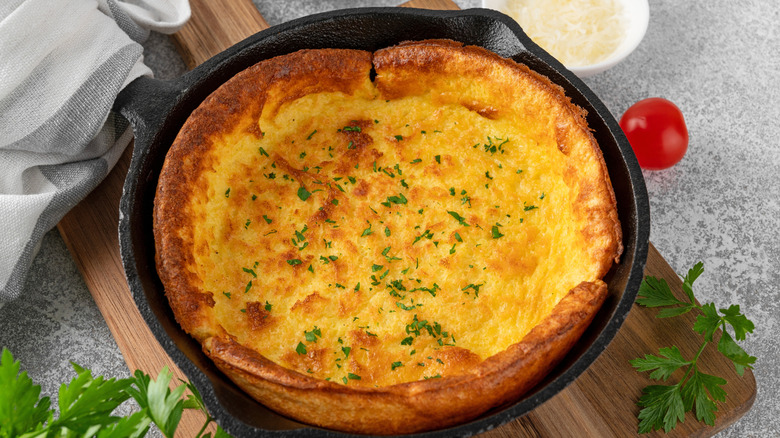
11. Dutch Baby
Despite its name, this puffed, oven-baked pancake is of German origin (Deutsch). Its dramatic presentation—rising high in a cast-iron skillet—made it a favorite for home cooks. Its relative rarity on menus today is likely due to the precision required to execute it perfectly, which often frustrates high-volume breakfast operations.
12. Codfish Croquettes
New England’s history is inextricably linked to the cod trade. These croquettes, which combined salt cod with mashed potatoes, were a perfect protein-rich breakfast. As the price of quality salt cod increased and the preparation time (soaking and desalinating) grew, the dish became a luxury rather than a breakfast staple.
Implications for the Future of Breakfast
The decline of these dishes reflects a broader cultural shift toward convenience and away from regional, labor-intensive foodways. However, there is a growing movement—often led by "nose-to-tail" enthusiasts and historians—to preserve these culinary traditions.
The implication for the modern food industry is clear: consumers are increasingly interested in the "story" behind their food. While it is unlikely that scrambled brains will return to the average suburban diner, the rediscovery of dishes like the Dutch baby or red-eye gravy suggests that the American breakfast may be ripe for a "nostalgia cycle."
By examining why we once ate these meals, we gain insight into our own history. These dishes were not just recipes; they were survival mechanisms, markers of migration, and symbols of a time when the first meal of the day was an essential preparation for the challenges of the world. As we look forward, the challenge remains: can we modernize these traditional flavors without losing the cultural significance that made them staples in the first place? Only by keeping the recipes—and the stories—alive, can we ensure that these breakfasts do not fade into total obscurity.
