

In the pantheon of American holiday confections, few treats evoke the nostalgia of a Southern kitchen quite like Oklahoma Nut Candy. Often affectionately referred to by its moniker, "Aunt Bill’s Brown Candy," this rich, fudgy, and praline-adjacent delicacy has served as a cornerstone of Oklahoma’s culinary identity for nearly a century. While the landscape of holiday desserts is vast, shifting from modern cake pops to complex French patisserie, the enduring appeal of this rustic candy lies in its simplicity: a harmonious blend of heavy cream, caramelized sugar, and a generous crunch of toasted nuts.
Main Facts: The Essence of the Confection
At its core, Oklahoma Nut Candy is a study in the alchemy of sugar. It is not quite a fudge, yet it possesses a creamy density; it is not a brittle, yet it boasts a satisfying, structural snap. The fundamental recipe relies on a base of granulated sugar, heavy cream, butter, and vanilla, punctuated by the inclusion of two distinct types of nuts—typically walnuts and pecans—which provide both textural complexity and a deep, earthy counterpoint to the intense sweetness of the sugar.
The defining characteristic of the candy is its "praline-like" flavor profile, achieved through the controlled caramelization of sugar. Unlike standard fudge, which relies on chocolate for its structure, Aunt Bill’s Brown Candy depends on the precise temperature of the sugar syrup. If the mixture is heated too aggressively, it transforms into a hard, glass-like brittle; if handled with the patience of a traditional candy maker, it yields a smooth, melt-in-the-mouth texture that has become a staple of Oklahoma holiday tables.
Chronology: From Newspaper Clipping to State Treasure
The history of Oklahoma Nut Candy is inextricably linked to the print media of the early 20th century. The legend begins in 1936, a year when the state was grappling with the dual pressures of the Great Depression and the environmental catastrophe of the Dust Bowl. In times of hardship, home cooks often turned to "pantry staples"—ingredients that were shelf-stable and affordable—to create moments of celebration.
1936: The Debut
The recipe first emerged in a local Oklahoma newspaper, providing a template that would eventually be passed down through generations of families. At the time, the recipe was published under the title "Aunt Bill’s Brown Candy." While the identity of the mysterious "Aunt Bill" remains a subject of folkloric debate, the name became a household brand across the state.
Mid-20th Century: The Era of Standardization
During the 1950s and 60s, the recipe became a hallmark of church potlucks and community cookbooks. It was during this period that the specific preference for using a blend of walnuts and pecans solidified, as these nuts were readily available and thrived in the regional climate.
Modern Day: The Digital Preservation
In recent years, the recipe has migrated from yellowing news clippings to digital platforms. Today, websites like Tasting Table have helped preserve the legacy of the dish, refining the techniques for a modern audience while maintaining the integrity of the original 1936 instructions.
Supporting Data: The Science of the "Perfect" Batch
Creating the perfect batch of Oklahoma Nut Candy is as much about chemistry as it is about culinary intuition. Professional confectioners emphasize that the "temperature aspect" is the primary barrier to entry for novice candy makers.
The Thermal Threshold
The sugar-to-cream ratio must be balanced carefully. By melting a portion of the sugar on low heat before adding the remaining ingredients, the cook initiates a controlled caramelization process. This step is crucial for developing the deep, amber-hued flavor that distinguishes Aunt Bill’s from standard vanilla-based candies.
The Importance of Toasting
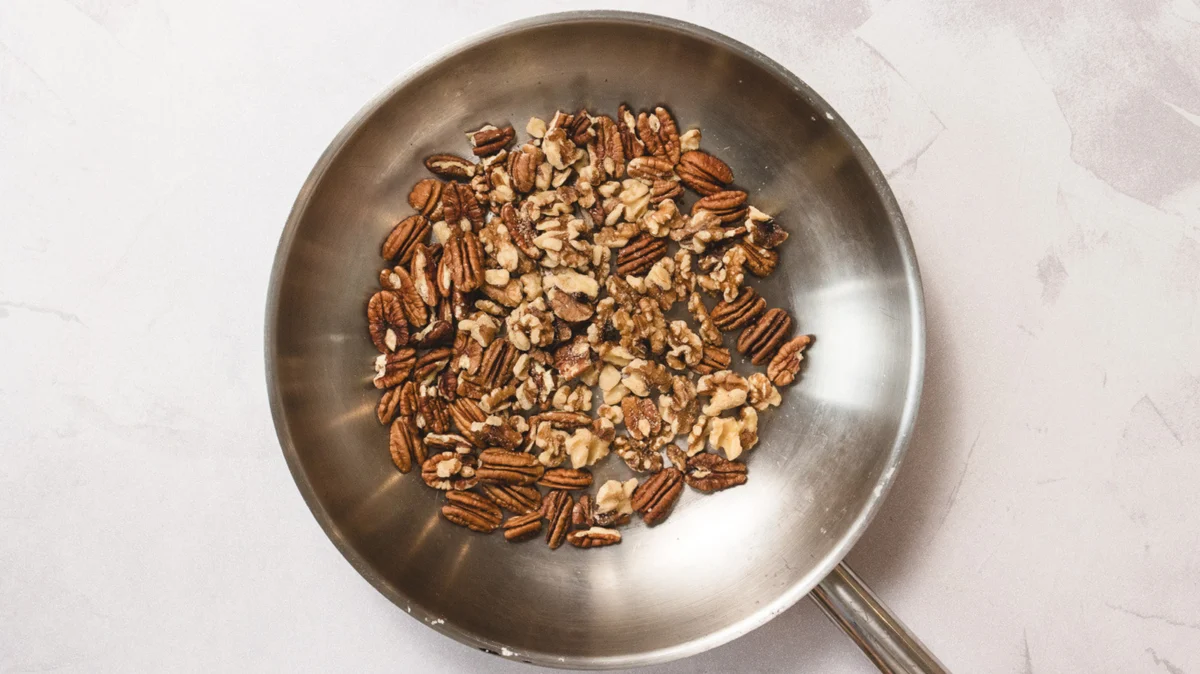
The inclusion of nuts is not merely for bulk; it is for sensory experience. Toasting walnuts and pecans in a dry skillet for approximately five minutes releases the natural oils within the nuts, intensifying their flavor profile and ensuring they maintain a satisfying crunch against the soft, buttery candy.
Resting Periods
A key technical detail often overlooked in amateur attempts is the "resting phase." After the mixture has reached the desired consistency, allowing it to sit undisturbed for roughly 20 minutes before adding the nuts ensures that the temperature has stabilized. This prevents the nuts from becoming soggy and allows the candy to set with a consistent, smooth grain.
Official Perspectives and Culinary Techniques
According to experts, the "rustic" nature of the candy is its greatest asset. In a world of over-engineered desserts, the straightforward, pantry-based approach of this confection is refreshing.
Expert Advice on Technique
- The Sugar Variable: Stick to granulated sugar. While brown sugar adds a molasses note, it changes the viscosity of the mixture and can lead to a gritty texture rather than the desired smooth finish.
- The Cream Factor: While heavy cream is the gold standard for richness, in a pinch, milk can be used, though it will result in a less velvety mouthfeel.
- The Salt Balance: A pinch of salt, whether incorporated during the final stages of cooking or applied as a finishing touch with flaky sea salt, acts as a bridge between the intense sweetness of the sugar and the bitter, earthy notes of the walnuts.
Professional Tips for Longevity
The candy is remarkably durable. When stored in an airtight container in a refrigerator, it can last for up to two weeks. For those planning ahead for the holiday season, it can be frozen for up to two months without a significant degradation in flavor or texture.
Implications: The Cultural Significance of "Old-School" Confections
The continued popularity of Oklahoma Nut Candy speaks to a broader cultural movement: the resurgence of interest in "heritage cooking." In an era of industrial, mass-produced sweets, there is an inherent value placed on recipes that require manual labor, patience, and a specific set of skills passed down through oral tradition or local archives.
A Communal Bond
Oklahoma Nut Candy is rarely made in small quantities. Because the process is time-consuming, it is often a communal activity. Families gather to stir, toast nuts, and monitor the temperature, reinforcing social bonds during the winter months. It is, in every sense, a "slow food" in a fast-paced world.
Creative Adaptations
While purists argue that the recipe should remain untouched, the evolution of the candy continues. Modern chefs have begun to experiment with the base, introducing:
- Chocolate Integration: Drizzling dark chocolate over the finished squares to create a flavor profile reminiscent of the classic caramel turtle.
- Spice Infusions: Adding subtle hints of cinnamon or freshly grated nutmeg to the nut mixture, heightening the festive character of the treat.
- Nut Diversification: While walnuts and pecans remain the standard, some adventurous cooks are incorporating macadamias for a buttery, tropical contrast or almonds for a sharper, cleaner snap.
Preserving the Craft
The challenge for future generations will be to ensure that the "Aunt Bill" method is not lost to the convenience of modern, instant dessert mixes. By documenting the nuances—the slow melting of the sugar, the specific timing of the rest period, and the essential toasting of the nuts—the culinary community is actively protecting a piece of American history.
Conclusion
Oklahoma Nut Candy is more than just a sweet treat; it is a time capsule. From its origins in the desperate, dust-laden days of 1936 to its current status as a sophisticated holiday staple, it has survived because it delivers a sensory experience that cannot be replicated by factory-made alternatives. It demands attention, patience, and a respect for the ingredients. Whether you are a seasoned candy maker or a curious novice, attempting a batch of Aunt Bill’s Brown Candy is an exercise in history—a chance to participate in a nearly century-old tradition that continues to define the spirit of the Southern holiday season. As the sugar caramelizes and the kitchen fills with the scent of toasted pecans, one realizes that the true sweetness of the recipe lies not just in the sugar, but in the preservation of the craft itself.
