

By Rhea Nayyar
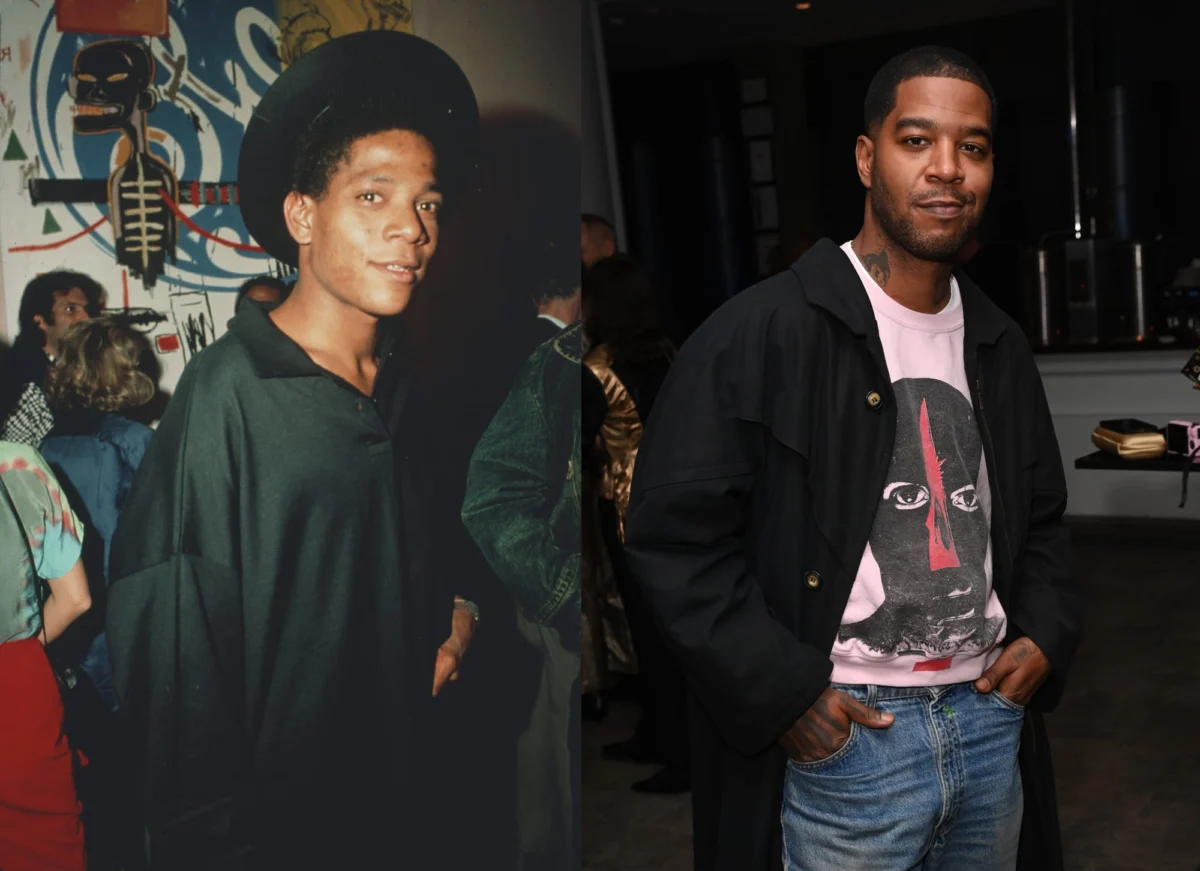
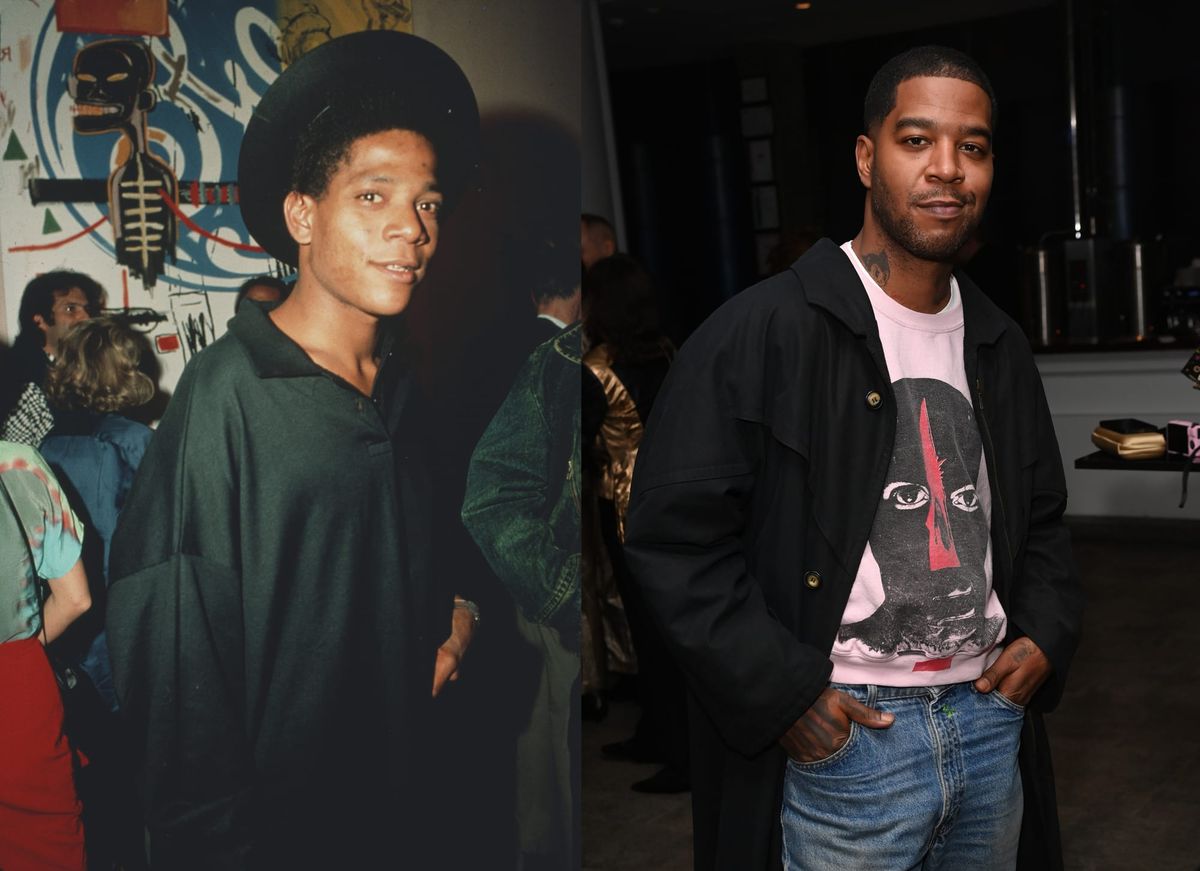
In a sweeping creative endeavor that bridges the worlds of hip-hop, contemporary art, and cinema, American rapper and multi-hyphenate artist Kid Cudi has officially announced his next major project: JEAN, a feature-length biopic centered on the life and legacy of the iconic Neo-Expressionist Jean-Michel Basquiat.
On October 21, Cudi—born Scott Mescudi—took to Instagram to unveil the project, confirming that he will not only star as the late artist but will also serve as the writer and director. Describing the film as a “love letter to Jean, the 80s, and New York City,” Cudi’s announcement has ignited significant buzz within both the film industry and the art world, particularly as he continues to establish his own credibility as a visual artist.
The Vision: A Personal Testament
The announcement was accompanied by a mock-up promotional poster and a series of striking black-and-white photographs that feature Cudi styled as Basquiat, working within the confines of an expansive, cluttered artist’s studio. The images capture a palpable intensity, signaling Cudi’s commitment to embodying the spirit of the late creative giant who died at the age of 27.
“This one I’m so proud of and excited about,” Cudi wrote in his social media post. “To write a film about someone who existed was a challenge, but it was a welcomed one. A lot of research, books, [and] talks with people that knew him.”
For Cudi, this project is far more than a professional milestone; it is the culmination of a lifelong fascination with Basquiat’s trajectory. He noted that the artist has served as a primary inspiration throughout his own career, influencing his approach to vulnerability, sonic texture, and creative rebellion. “It’ll be the biggest honor to tell his story in a way we haven’t seen before,” he added. Production is currently slated to begin in 2026, with an expected release timeline that remains under wraps.
A Chronology of a Creative Evolution
To understand the gravity of Cudi’s pivot to directing a Basquiat biopic, one must look at his recent professional evolution. While Cudi rose to global prominence as a Grammy-winning rapper and songwriter, the last two years have seen him aggressively pursuing a career in the fine arts.
- January 2025: Cudi marks his transition into the art world with the debut of his solo exhibition, Echoes of the Past, at the Ruttkowski;68 gallery in Paris. The show, which garnered attention for its raw, emotive canvases, signaled that Cudi was ready to be taken seriously as a painter.
- Mid-2025: Cudi begins exhibiting under the moniker "Scotty Ramon," a nod to his given name and an attempt to decouple his musical persona from his fine art practice.
- Late 2025: His work is included in a group presentation at Art Cologne, further solidifying his presence in the international art market.
- October 2026: The official announcement of JEAN marks the intersection of these two paths, as Cudi leverages his newfound visual vocabulary to interpret the life of the man who defined 1980s New York art.
Supporting Data: The Legacy of Basquiat
Jean-Michel Basquiat remains one of the most enigmatic figures in 20th-century art. Emerging from the graffiti-covered streets of Lower Manhattan under the tag "SAMO," he rapidly ascended to the pinnacle of the art world, becoming a fixture of the downtown scene alongside Andy Warhol and Keith Haring.
His work, characterized by its jagged lines, skeletal figures, and scathing critiques of power structures, has seen a massive resurgence in value and cultural relevance over the last decade. Basquiat’s paintings frequently set records at auction, with his 1982 painting Untitled fetching $110.5 million at Sotheby’s in 2017.
Cudi’s decision to focus on the 1980s New York setting is strategically sound. The era, defined by the collision of punk, hip-hop, and the burgeoning contemporary art market, provides a rich, atmospheric backdrop for a cinematic narrative. By positioning himself as the lead, Cudi is effectively betting that his own lived experience as a Black artist navigating the pressures of fame and public scrutiny will provide an authentic lens through which to view Basquiat’s brief but meteoric life.
Official Responses and Industry Outlook
The industry reaction to the announcement has been one of cautious intrigue. While biopic fatigue is a real concern in Hollywood, the specific choice of subject and the depth of Cudi’s personal research suggest that JEAN is intended to be an auteur-driven piece rather than a standard commercial retelling.
Critics who have tracked Cudi’s trajectory note that his career has always been defined by a desire to push boundaries. His foray into painting was initially met with skepticism, yet his successful solo exhibition in Paris silenced many detractors who viewed his move into the gallery space as a vanity project.
“The challenge of writing a film about someone who existed is that the audience already knows the ending,” says film historian Dr. Elena Vance. “However, if Cudi focuses on the internal psyche—the loneliness of the genius, the intersection of race and the art market—he has the potential to deliver something that feels visceral rather than archival.”
Implications for the Future of the Biopic
The announcement of JEAN also raises questions about the "ownership" of artistic legacies. With Basquiat’s estate being notoriously protective, Cudi’s ability to move forward with the project implies a significant level of collaboration with those who hold the rights to the artist’s work.

Furthermore, this film serves as a landmark for the "musician-as-director" trend. As more artists move away from the traditional album-tour cycle, they are increasingly looking toward visual storytelling to extend their creative reach. If JEAN succeeds, it could set a new template for how high-profile musicians approach film—moving away from acting roles and toward the total control of the writing and directing process.
The Challenges Ahead
Despite the enthusiasm surrounding the announcement, the project faces significant hurdles. Translating the chaotic, vibrant energy of 1980s New York onto the screen requires a massive production budget and a keen eye for period detail. Additionally, the shadow of Basquiat’s own complex relationships—particularly with figures like Andy Warhol—will require a delicate, nuanced screenplay.
Cudi’s admission that the research phase was intense suggests he is aware of the scrutiny his film will face. By engaging with people who knew Basquiat personally, Cudi is attempting to bypass the myths that have calcified around the artist’s life and reach for a more human, grounded truth.
Conclusion: A Portrait of the Artist
As production for JEAN nears, the cultural conversation is shifting toward what this film says about the evolution of the modern creative polymath. Kid Cudi’s transition from rapper to painter to filmmaker mirrors the very fluidity that Basquiat himself embodied.
Whether JEAN will ultimately serve as a definitive portrait of the Neo-Expressionist icon or a personal exploration of Cudi’s own identity remains to be seen. However, one thing is certain: the project has secured its place as one of the most anticipated films of the coming years. By positioning himself at the center of this narrative, Cudi is not just making a movie—he is making a bold claim for his own place in the pantheon of modern artistic visionaries.
As we look toward the 2026 production date, the art and film worlds wait with bated breath to see if Cudi can successfully bridge the gap between the chaotic streets of the 80s and the modern cinematic screen. One thing is clear: he has the dedication, the resources, and the burning desire to make his mark. Whether that mark is a masterpiece or a cautionary tale, it will undoubtedly be, in the words of the artist himself, a "love letter" to a legacy that continues to define the boundaries of creativity.
