

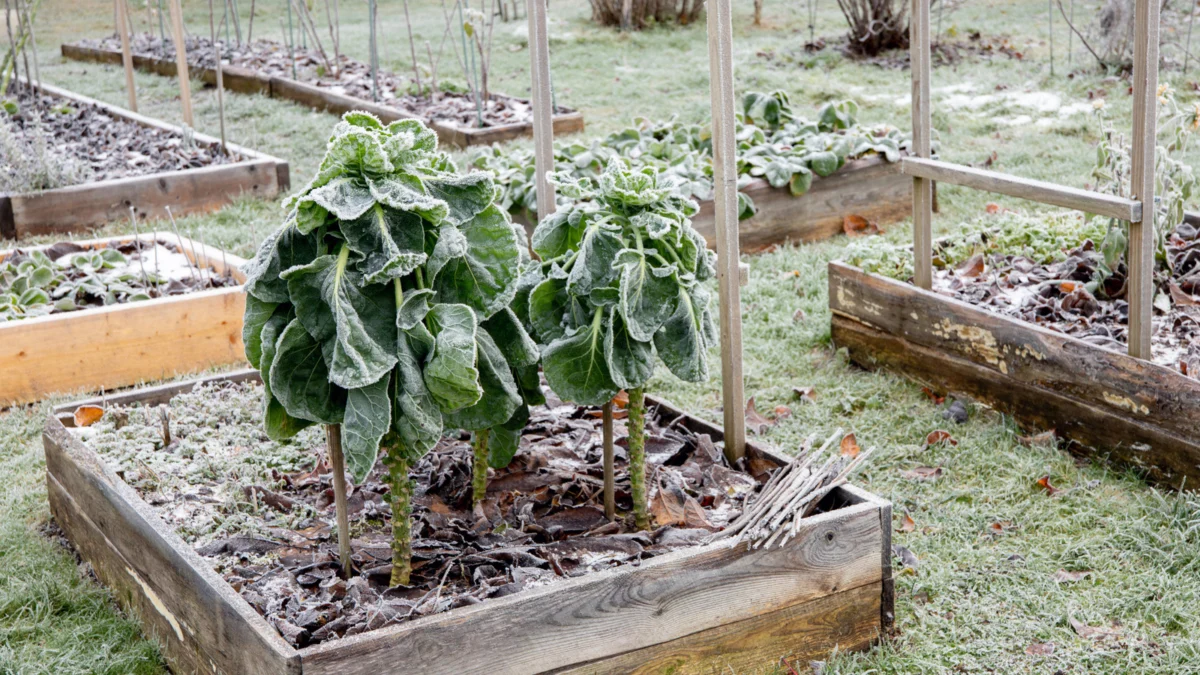
For every dedicated gardener, the arrival of a sudden, unseasonal frost can be a source of profound anxiety. Whether you are nurturing a late-season harvest of hearty autumn crops or protecting tender spring seedlings from a rogue cold snap, the threat of an overnight freeze is a high-stakes scenario. Within less than twelve hours, a plummeting mercury level can turn a lush, productive garden into a graveyard of withered leaves and blackened stems.
However, the difference between a ruined harvest and a thriving garden often comes down to simple physics and proactive preparation. Protecting your vegetable patch does not require complex heating systems or industrial-grade equipment; it requires an understanding of how frost forms and how to leverage the natural insulation provided by the earth itself.
The Science of Frost: Why Plants Perish
To understand how to protect your garden, one must first understand the mechanism of destruction. Frost occurs when water vapor in the atmosphere condenses into ice crystals directly upon the surfaces of plants. This is not merely a matter of cold air; it is a matter of direct contact.
When these ice crystals form on the exterior of a plant, they initiate a process of dehydration and physical rupture. As the water inside the plant’s cells freezes, it expands. This expansion creates jagged ice crystals that pierce the delicate cellular membranes. Once these membranes are compromised, the structural integrity of the plant collapses, leading to the signature limp, dark, and translucent appearance of frost-bitten foliage.
The goal of the gardener is to prevent this condensation from occurring by maintaining a micro-climate around the plant that stays just above the critical freezing point.
Chronology of a Frost Event: A Strategic Timeline
Successfully navigating a freeze requires a disciplined approach to timing. You cannot wait until the frost is already visible on the lawn at dawn; the damage will have already been done.
1. The Pre-Event Phase (24–48 Hours Before)
Monitor local weather reports meticulously. When temperatures are forecasted to drop near the freezing mark (32°F or 0°C), you must begin your preparations. Ensure your plants are well-watered. Moist soil holds significantly more heat than dry, parched soil. Water acts as a thermal mass, absorbing solar energy during the day and releasing it slowly throughout the night.
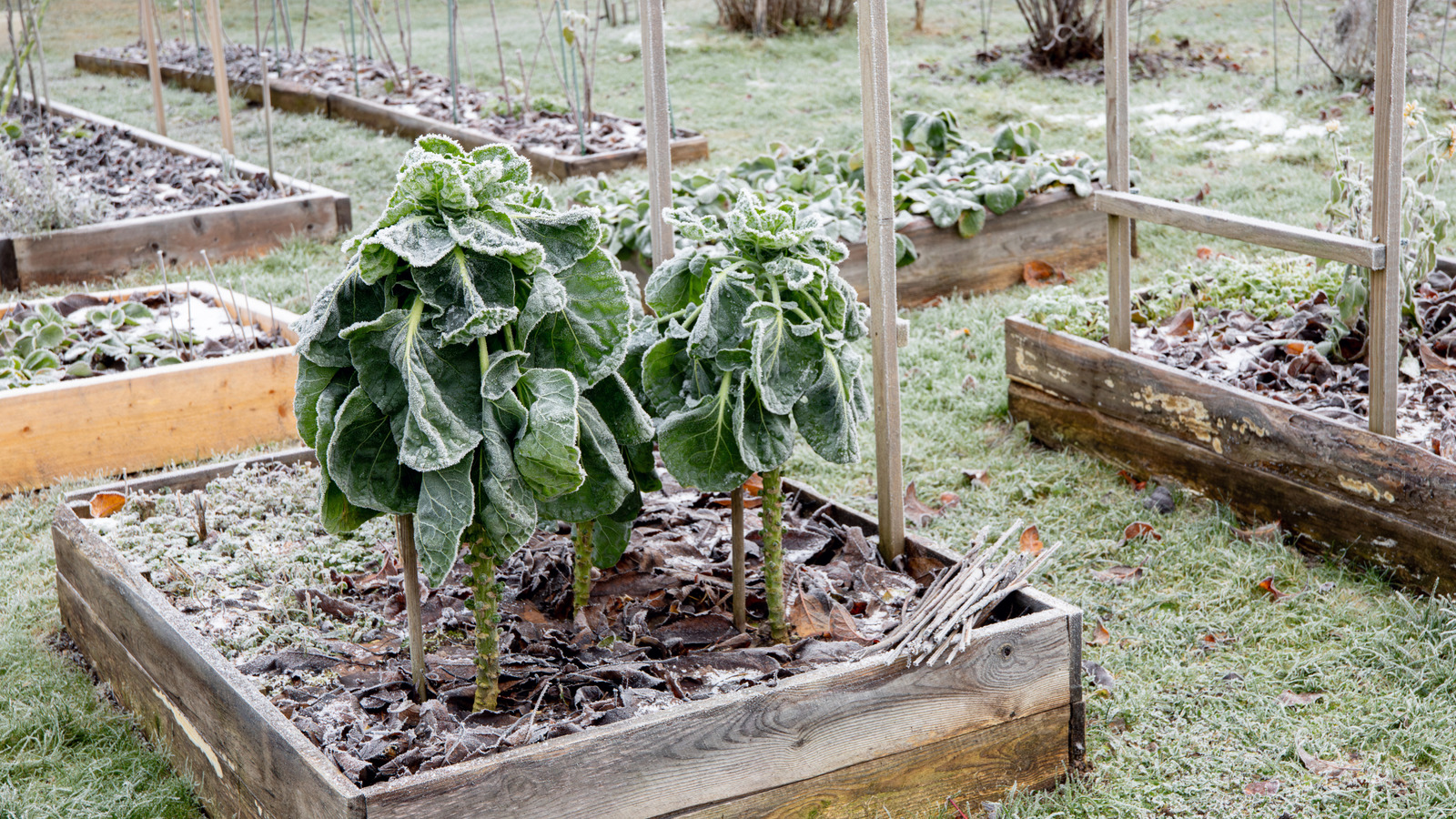
2. The Deployment Phase (Sunset)
As the sun begins to set, the earth begins to lose the heat it accumulated during the day. This is the optimal time to deploy your covers. By covering your plants at dusk, you effectively "trap" the radiant heat rising from the soil beneath a protective barrier. If you wait until midnight to cover your plants, you are trapping cold air rather than warm.
3. The Survival Phase (Overnight)
Ensure that your covers are secured. The goal is to create a "dead air" space that serves as an insulator. If the wind picks up, unsecured covers will allow cold air to circulate, negating your efforts.
4. The Recovery Phase (Morning)
Once the sun rises and temperatures begin to climb back above freezing, it is vital to remove or vent your covers. If you leave heavy plastic or thick tarps on your plants during a sunny day, you risk creating a greenhouse effect that can "cook" your plants, leading to heat stress or moisture-related fungal diseases.
Supporting Data and Materials: What Works Best
Not all materials are created equal when it comes to garden protection. Your choice of material should be based on the severity of the cold and the fragility of the plants.
- Plastic Tarps: Excellent for retaining heat, but they come with a caveat. Plastic should never come into direct contact with the foliage. Plastic conducts cold; if it touches a leaf, the cold will transfer directly to the plant tissue, causing "contact frost." Always use a support structure like a hoop, tomato cage, or wooden stake to create a gap between the cover and the plant.
- Fabric/Blankets: Old bed sheets, drop cloths, or specialized horticultural fleece are ideal. These materials allow for slight air exchange, preventing the build-up of excessive humidity, which can lead to mold, while still providing a thermal buffer.
- The Bucket Method: For small, isolated plants or individual pepper or tomato plants, an upturned five-gallon bucket is the gold standard. It creates a robust, airtight, and sturdy enclosure that is impervious to wind.
Expert Recommendations for Structural Integrity
Professional horticulturists emphasize that the "seal" of your cover is just as important as the material itself. A cover that flaps in the breeze is useless.
The Hoop Tunnel System
For those with raised beds or long rows, the hoop tunnel is the most efficient solution. By bending PVC pipe or heavy-gauge wire into U-shapes, you create a skeletal structure over your row. Draping a tarp or frost blanket over these hoops ensures the material remains elevated above the plants, preventing cold transfer.
Anchoring Techniques
Once your cover is in place, the edges must be secured. Simply weighing the corners down is rarely sufficient. Use heavy rocks, bricks, or even shovelfuls of soil to create a seal around the entire perimeter of the cover. By burying the edge of the fabric or plastic in the dirt, you prevent the "chimney effect," where cold air is sucked in from the bottom, rendering your insulation ineffective.
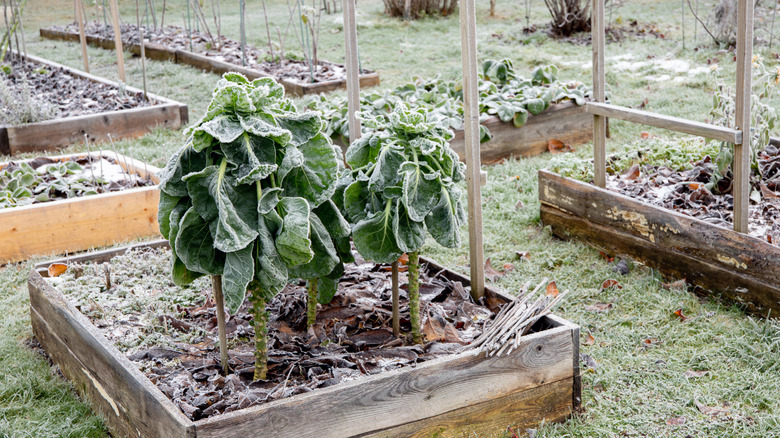
Implications: The Long-Term Garden Health
While the techniques mentioned above are designed for short-term, overnight survival, they also serve as a foundational lesson in "site management."
Gardeners who consistently face frost damage should consider the implications for their planting calendar. If you find yourself repeatedly covering crops in late May or early September, you may be planting outside of your local hardiness zone’s safe window. Utilizing these protective measures is a tactical response to an emergency, but the strategic solution involves selecting cold-hardy varieties or adjusting your planting schedule to align with your region’s specific frost dates.
Furthermore, the act of shielding your garden teaches you about the micro-climates in your own backyard. You may find that certain corners of your garden remain warmer due to stone walls or proximity to a building, while low-lying areas act as "frost pockets" where cold air settles. Mapping these areas allows you to become a more intuitive gardener, placing your most sensitive crops in the most protected zones naturally.
Final Thoughts: Resilience Through Preparation
An overnight freeze is an inevitable challenge in the life of any serious vegetable grower. However, it is not an inevitable defeat. By viewing your garden as a complex system of heat exchange—where the soil is your thermal battery and your covers are the insulation—you can turn the tables on Mother Nature.
The next time the weather report signals an impending drop in temperature, resist the urge to panic. Instead, look to your tool shed. A few spare buckets, some wire hoops, and an old bed sheet are all you need to defend your hard-earned harvest. With the right strategy, your garden will not only survive the night—it will thrive in spite of it.
