

By Peter Adams | Published May 13, 2026
In a strategic maneuver that bridges the gap between mid-2000s nostalgia and the high-stakes digital economy of 2026, travel-booking giant Priceline has announced the return of its most iconic marketing asset: "The Negotiator."
The character, originally portrayed by William Shatner, served as the face of the brand for over a decade, synonymous with high-octane, Bond-esque deal-making. Now, as consumers grapple with a volatile economic climate and a shifting travel landscape, Priceline is passing the mantle to actor Randall Park. This campaign, titled "Unbummer Your Summer," represents more than just a brand reboot; it is a calculated attempt to capture the attention of Gen Z travelers while addressing the tangible financial anxieties currently suppressing consumer wanderlust.
Main Facts: A Passing of the Torch
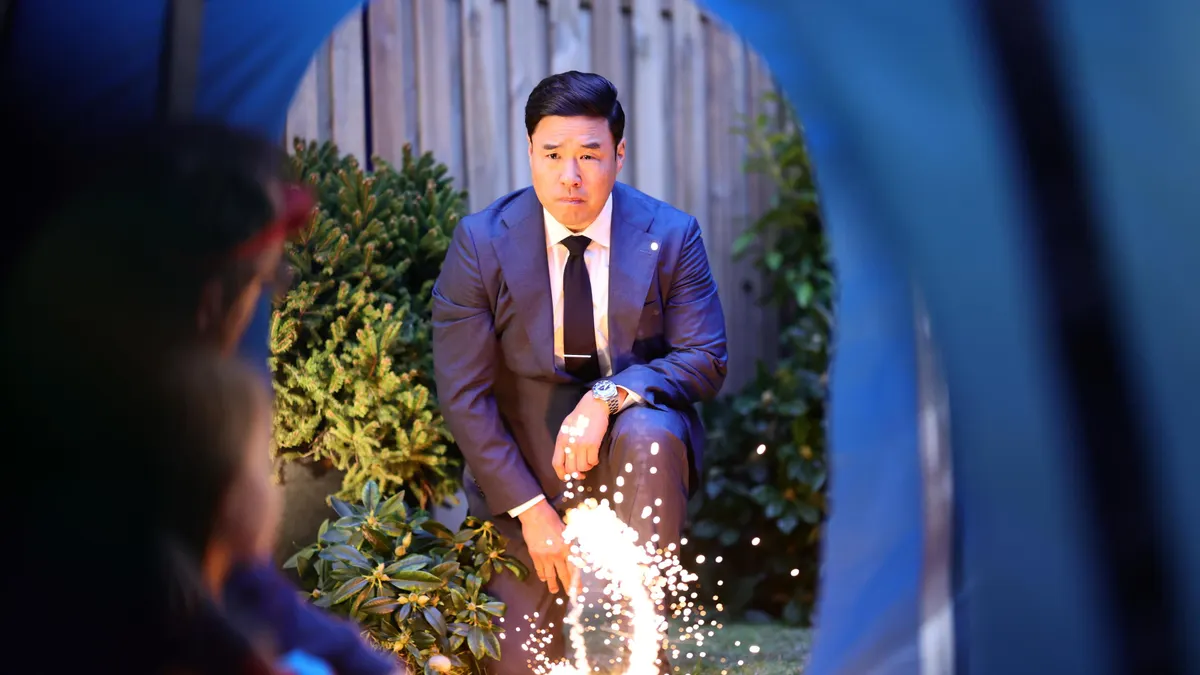
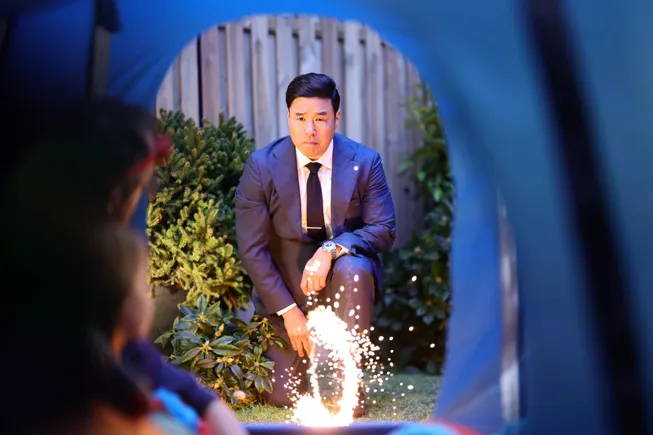
The campaign officially launched this month, centered on a cinematic "handoff" spot. In the commercial, a retired Shatner is seen lounging on a beach, only to be alerted by a news report regarding the state of global travel. Recognizing that the modern traveler needs a champion, he contacts Randall Park at the company’s headquarters. The transition is marked by a comedic, high-energy sequence where Park demonstrates his readiness by sparring with a dummy labeled "vacation inflation" and smashing a wooden board inscribed with "travel FOMO."
This isn’t merely a casting change; it is a full-scale overhaul of the brand’s identity. Priceline has tapped creative agency Mirimar to modernize the Negotiator’s aesthetic and methodology. The campaign is backed by media support from PHD, while Small Girls PR and Hello There Collective manage public relations and social media strategy, respectively.
Central to the campaign is the "Unbummer Your Summer" promotion, which offers discounts of up to 60% on vacation packages. Running through May 25, the sale is the largest in the company’s history, designed specifically to convert "dreamers" into "bookers" during a period of significant economic uncertainty.
Chronology: The Evolution of an Icon
The history of the Negotiator is deeply embedded in the DNA of modern advertising. To understand the gravity of this reboot, one must look at the character’s storied past:
- 2007: The Negotiator character is introduced by agency Butler, Shine, Stern & Partners. The campaign, featuring William Shatner, becomes an instant hit, defined by its signature musical sting and Shatner’s charismatic, tongue-in-cheek portrayal of a man who could literally "negotiate" better travel prices.
- 2013: Priceline introduces a new dimension to the narrative by casting Kaley Cuoco as the Negotiator’s daughter. This helped sustain the campaign for over a decade, keeping the brand top-of-mind during the rise of the digital travel-booking era.
- 2020s: As the travel industry underwent massive disruptions, the Negotiator character was largely sidelined in favor of more localized, data-driven marketing efforts.
- 2026 (The Present): Priceline identifies a "nostalgia gap" and an "affordability crisis." The company initiates an intensive search for a new lead. William Shatner, now 95, spearheads the search on TikTok, utilizing the platform’s "Duet" feature to engage potential successors and build anticipation among younger demographics.
- May 2026: The official debut of Randall Park as the new Negotiator, accompanied by a remixed musical sting produced by DJ David, specifically tailored for short-form social media platforms like TikTok and Instagram Reels.
Supporting Data: Why Now?
Priceline’s decision to revive a legacy character is not born of sentimentality, but of hard data regarding the current consumer psyche. According to internal research cited by the brand, 44% of U.S. consumers feel that summer travel is currently out of their financial reach. However, the appetite for travel remains resilient; 73% of those same respondents indicated a strong desire to execute their vacation plans, provided they can find the right value proposition.
This "intention-action gap" is where the Negotiator is intended to function. By positioning the brand as a combatant against "vacation inflation," Priceline is aiming to provide a psychological and financial bridge for the 73% of consumers who are desperate to travel but are being held back by economic headwinds. The company is expected to release a comprehensive, in-depth report next month that further details these travel trends, providing a deeper look at the intersection of consumer sentiment and macroeconomic reality.
Official Responses: Aligning Strategy with Sentiment
Lesley Klein, Senior Vice President of Strategy and Brand Marketing at Priceline, addressed the rationale behind the reboot in a recent press statement.

"Bringing back the Negotiator was a deliberate decision to put Priceline’s promise to travelers front and center during a travel affordability crisis," Klein stated. "This is the time to show up for them. By leaning into something people have long known and loved about Priceline, we’re reinforcing our commitment to helping travelers get the deals they need to make travel happen."
The brand’s shift toward social-first engagement is a recognition that traditional TV spots, while effective for mass awareness, are insufficient for capturing the loyalty of Gen Z. By integrating the Negotiator into TikTok via DJ David’s remix and interactive challenges, the brand is attempting to translate the "Negotiator" brand equity into a language that younger, digital-native audiences can parse and participate in.
Implications: The Future of Travel Marketing
The return of the Negotiator signals a broader shift in the travel-tech industry. As booking sites compete for a limited pool of disposable income, the "commodity" nature of travel bookings is being challenged. Expedia, for instance, recently made headlines by partnering with livestream creator IShowSpeed, signaling that the industry is aggressively moving toward creator-led marketing.
Priceline’s strategy is a hybrid: it uses the nostalgia of the 2000s to anchor brand recognition among older millennials and Gen X, while utilizing the "creator economy" (TikTok, DJ remixes, and celebrity Duets) to penetrate Gen Z.
1. The Death of Traditional Media Exclusivity
The shift in strategy indicates that no brand, regardless of its heritage, can rely on television alone. The integration of social-first, audio-heavy content (the remixed sting) shows that brands are prioritizing "shareability" as much as "reach."

2. Nostalgia as a Risk-Mitigation Strategy
In times of economic instability, consumers tend to lean toward brands that feel familiar and reliable. By resurrecting a character that defined an era of relative prosperity, Priceline is implicitly promising that the "good times" of accessible, affordable travel are still within reach.
3. Combatting the "Inflation" Narrative
By naming the enemy—"vacation inflation" and "travel FOMO"—Priceline is taking an active, almost aggressive stance. It is shifting the role of the travel booking site from a passive search engine to an active agent of the consumer. This narrative of "fighting for the traveler" is a classic, yet highly effective, marketing trope that resonates particularly well during periods of high inflation.
4. The Challenge of Longevity
The risk, of course, is that the revival may feel like a hollow cash-grab if the product and pricing do not back up the marketing. The success of the campaign will ultimately hinge on whether the "60% off" vacation packages prove to be as substantial and accessible as the advertising implies.
As we look toward the remainder of the summer season, the industry will be watching closely to see if Randall Park’s version of the Negotiator can successfully translate legacy brand equity into modern-day conversion rates. If successful, it may set a new blueprint for how legacy brands can navigate the complex, fragmented, and highly volatile media landscape of the late 2020s.
