


As the global corporate sector races to integrate artificial intelligence into every facet of operations—from supply chain management to predictive analytics—a parallel, less visible crisis is unfolding in the background. The massive computational power required to sustain these models is placing an unprecedented strain on global energy grids and water resources.
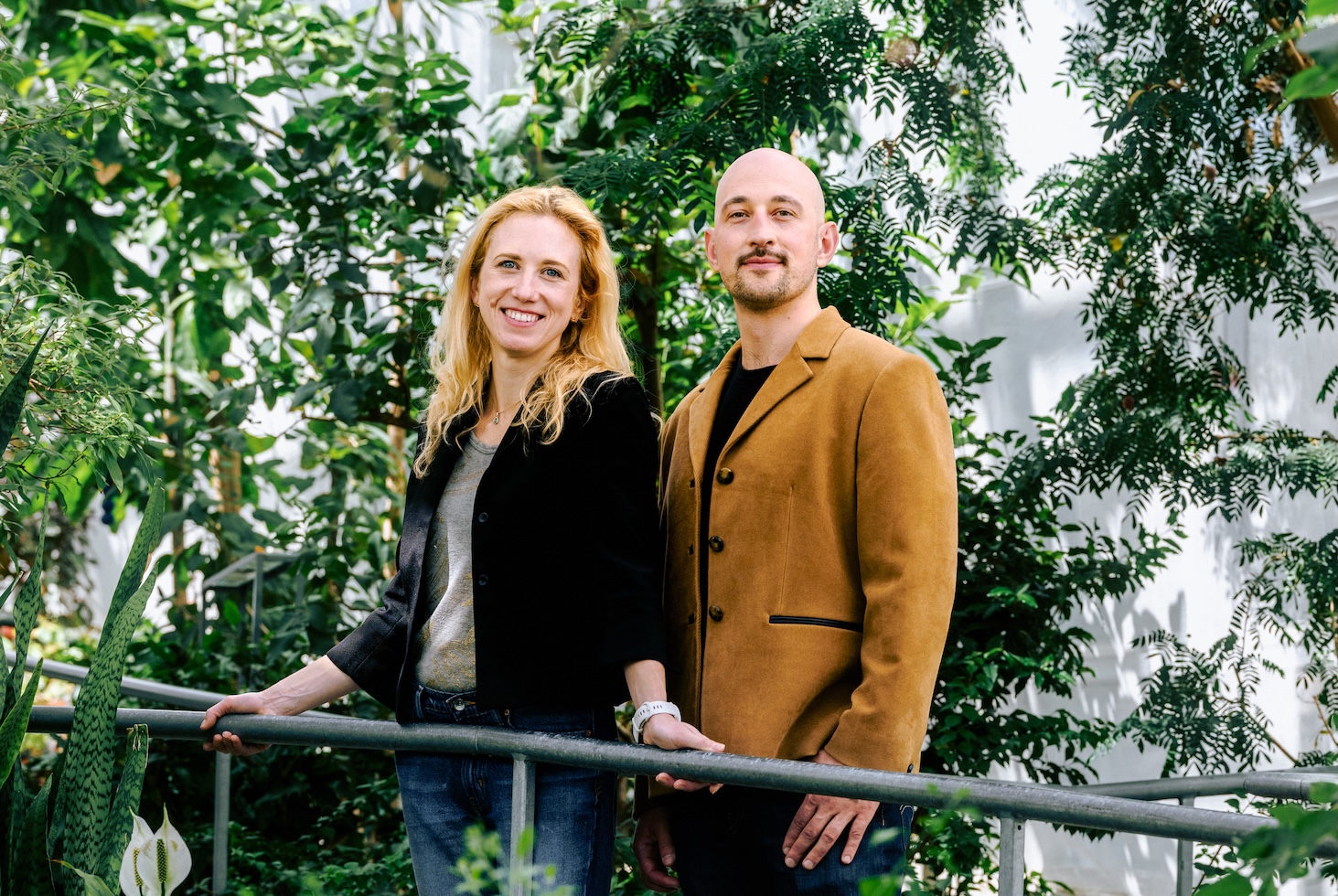
To address this disconnect, two prominent figures in the climate and technology space—Boris Gamazaychikov, a former Salesforce AI and sustainability manager, and Dr. Sasha Luccioni, a leading climate scientist at Hugging Face—have officially launched the Sustainable AI Group. This research and advisory firm aims to bridge the gap between rapid corporate innovation and environmental accountability, providing the framework necessary for companies to measure, manage, and mitigate the hidden environmental costs of their digital infrastructure.
The Genesis of the Sustainable AI Group
The formation of the Sustainable AI Group comes at a pivotal moment in the tech industry’s evolution. While software-as-a-service (SaaS) providers and cloud computing giants have been aggressive in their AI deployment, the practical sustainability metrics for these technologies have remained largely opaque.
Gamazaychikov, who now serves as the firm’s CEO, notes that the speed at which AI has moved from a research novelty to a business utility has left many sustainability professionals feeling paralyzed. "It became apparent that unlike other sustainability topics that I’ve touched in the past, this is moving at such a rapid speed and customers are feeling really disempowered," Gamazaychikov said.
The firm is designed to act as an intermediary, helping companies navigate the complexities of AI-driven emissions and resource consumption. Their mission is not to stop AI adoption, but to demystify it, ensuring that "climate-positive" goals are not sidelined by the energy-intensive reality of modern machine learning.
A Chronology of a Climate Crisis in Code
The concern over AI’s environmental impact is not a sudden epiphany; it is the result of years of mounting evidence and shifting priorities.
The Early Warning Signs
Dr. Sasha Luccioni, the startup’s Chief Scientific Officer, was among the first researchers to sound the alarm on the massive energy footprint of Large Language Models (LLMs). Her work at Hugging Face—the industry-standard platform for hosting machine learning code—provided her with a unique vantage point to observe the carbon-intensive nature of training and running state-of-the-art models.
The Morgan Stanley Turning Point
Before her tenure at Hugging Face, Luccioni’s interest in the intersection of AI and climate change was sparked during her research tenure at the financial services giant Morgan Stanley. It was there that she witnessed a profound disconnect: while corporate leadership was clamoring for the competitive advantages of AI, there was almost zero consideration for the long-term impact on global climate objectives. This realization led her to exit the financial sector to pursue a career dedicated to reconciling technology with planetary health.
Building the Toolkit
In the years leading up to the launch of their new firm, Luccioni and Gamazaychikov collaborated on several foundational resources designed to guide the industry. These include:
- AIEnergyScore: A transparent leaderboard hosted on Hugging Face that evaluates and compares the energy efficiency of various AI models.
- The Data Center Primer: An educational guide for sustainability professionals detailing the power, water, and cooling resources required to sustain AI data centers.
- The Procurement Call-to-Action: A set of critical, standardized questions that corporate procurement teams should demand answers to before partnering with AI vendors.
The "Saber-Toothed Tiger" Problem: Supporting Data and Insights
One of the greatest challenges in addressing AI’s footprint is the psychological distance between the user and the energy source. In an upcoming episode of the Climate Pioneers interview series, Dr. Luccioni explains that the lack of awareness is largely due to the decentralized nature of modern cloud computing.
"I think that most people don’t realize to what extent the AI that they use, that we use, doesn’t run locally," she explains. "All of this is running in data centers, and all these data centers are so far away from us."
Luccioni draws an evocative analogy to explain why corporate sustainability officers often struggle to prioritize data center energy: "As human beings across the millennia, we’ve been focusing on immediate threats to our safety, like the saber-toothed tiger that jumps out of the bush. Data centers are the saber-toothed tigers that are very, very far away from us."
This distance allows organizations to ignore the "hidden" emissions of their cloud usage. However, as data centers continue to consume massive amounts of electricity and water for cooling, they are increasingly becoming the "immediate threat" to corporate sustainability targets.
Official Responses and Strategic Vision
The Sustainable AI Group is entering the market with a clear, two-pronged strategy. First, they aim to provide actionable intelligence for companies in sectors where AI has reached "mainstream maturity"—such as finance, healthcare, and retail—where investors are increasingly demanding transparency regarding ESG (Environmental, Social, and Governance) disclosures.
Second, the firm acts as an advocate for systemic change in the SaaS ecosystem. Gamazaychikov emphasizes that sustainability professionals can, and should, play an active role in corporate procurement. By demanding transparency regarding the location of data centers and the energy sources used to power them, companies can create a "market signal" that forces cloud providers to prioritize clean energy.
"That actually helps aggregate the signal and push the software-as-a-service providers into really demanding this from their AI vendors," Gamazaychikov noted. By moving beyond passive observation and into active vendor management, companies can hold their technology partners accountable.
The Broader Implications for Industry
The launch of the Sustainable AI Group coincides with a wider industry reckoning. As AI continues to be a central theme at major forums like Trellis Impact 26, the conversation is shifting from "Can we build this?" to "Should we build this, and at what cost?"
Investor Scrutiny
Investors are no longer satisfied with generic "net-zero" promises. They are beginning to look at the granular details of corporate AI usage, questioning how these models affect a company’s overall emissions profile. Sessions at upcoming industry conferences, such as "How AI is Changing Investor Analysis of Corporate Disclosure," highlight the growing regulatory and financial risk associated with failing to account for digital energy consumption.
The Double-Edged Sword
The paradox of AI is that while it is an environmental burden, it also serves as a potent tool for sustainability. For example, AI is currently being deployed to tackle complex issues like supply-chain deforestation and the creation of high-quality forest carbon credits. The challenge for the Sustainable AI Group—and the industry at large—is to ensure that the solution does not become a greater problem than the issue it seeks to resolve.
Preparing for the Future
For the modern sustainability professional, the guidance from the Sustainable AI Group is clear:
- Audit the Tech Stack: Understand exactly what AI software your organization is running and where it is hosted.
- Challenge the Vendors: Ask for energy consumption reports and water usage metrics from cloud providers.
- Prioritize Efficiency: Shift the corporate culture from "faster and bigger" to "efficient and optimized" when it comes to model selection.
As we look toward the future, the work of Gamazaychikov and Luccioni will likely serve as the benchmark for how the corporate world navigates the tension between digital progress and environmental stewardship. By transforming the "saber-toothed tiger" of distant data centers into a measurable, manageable, and transparent component of business operations, the Sustainable AI Group is laying the groundwork for a more responsible, and ultimately more sustainable, technological revolution.
About the Author: Heather Clancy is an award-winning journalist whose work has appeared in major publications including The New York Times, Fortune, and Entrepreneur. She focuses on the intersection of technology, climate, and corporate strategy.
