

In a strategic fusion of creative expression and urban revitalization, Burlington City has officially launched "Second Saturdays," a recurring cultural initiative designed to serve as a catalyst for economic growth. The program, which debuted in May 2026, represents a collaboration between the New Jersey Economic Development Authority (NJEDA) and the Arts Guild of New Jersey. By transforming the city’s downtown corridor into a vibrant, arts-centric destination along the Delaware River, stakeholders hope to drive foot traffic, boost small business revenue, and establish a permanent "third place" for community engagement.
The Main Facts: A New Rhythm for Burlington
The "Second Saturdays" initiative is a multi-month programming effort that runs from May through October 10, 2026. Designed to draw visitors from across South Jersey and beyond, the series features local art showcases, live cultural performances, and family-oriented activities.
A centerpiece of the program is its direct incentive structure: the partnership is distributing $10 gift cards to community members, which are redeemable at participating local businesses within the Burlington City business improvement district. This "spend-local" mechanic is intended to bridge the gap between cultural curiosity and tangible economic support for the city’s brick-and-mortar storefronts. All events are free and open to the public, lowering the barrier to entry and encouraging a high volume of weekend visitors.
A Chronology of Collaboration
The genesis of this project traces back to the NJEDA’s broader "Activation, Revitalization, and Transformation" (ART) program.
- 2023: The NJEDA launches the ART pilot program in Newark and Atlantic City, testing the hypothesis that targeted arts funding can stimulate commercial corridor activity.
- December 2025: Following the success of the pilot, the NJEDA awards $15 million in grants to 39 organizations across the state. The Arts Guild of New Jersey secures a $500,000 grant as part of this expansion.
- December 2025: Simultaneously, Burlington City receives a $275,000 Fiscal Year 2026 grant through the state’s Transit Village program, earmarked for intersection improvements to enhance pedestrian safety and accessibility.
- May 12, 2026: The official launch event for "Second Saturdays" is held, featuring municipal leaders, state representatives, and business advocates.
- May 16, 2026: The inaugural "Second Saturday" event takes place, marking the official opening of the seasonal series.
- June 13, 2026: The second installment of the series is scheduled, signaling the transition of the initiative into a sustained monthly staple.
Supporting Data: The Power of Arts-Led Economic Development
The decision to utilize arts and culture as a primary economic engine is backed by significant fiscal analysis. The $500,000 grant awarded to the Arts Guild of New Jersey is not an isolated investment; it is part of a state-wide strategy to treat cultural assets as critical infrastructure.
According to data provided by the NJEDA, cultural events of this nature serve three primary economic functions:
- Direct Spending: Through initiatives like the $10 voucher program, the city ensures that the presence of visitors translates into immediate revenue for local cafes, retail shops, and service providers.
- Visitor Dwell Time: By curating a day-long experience (the "Second Saturday" format), the city increases the duration of time shoppers spend in the downtown area. Studies consistently show that increased dwell time correlates directly with higher average transaction values.
- Transit Utilization: By leveraging the RiverLine, the initiative capitalizes on Burlington City’s designation as a Transit Village. This reduces the friction of travel and allows visitors from a broader geographic radius to access the city without the necessity of personal vehicle parking.
Official Responses: Aligning Policy and Vision
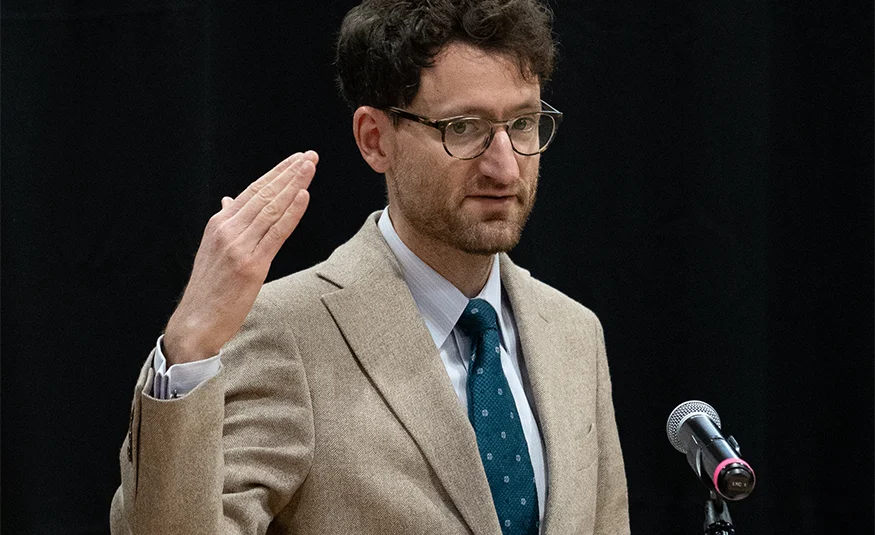
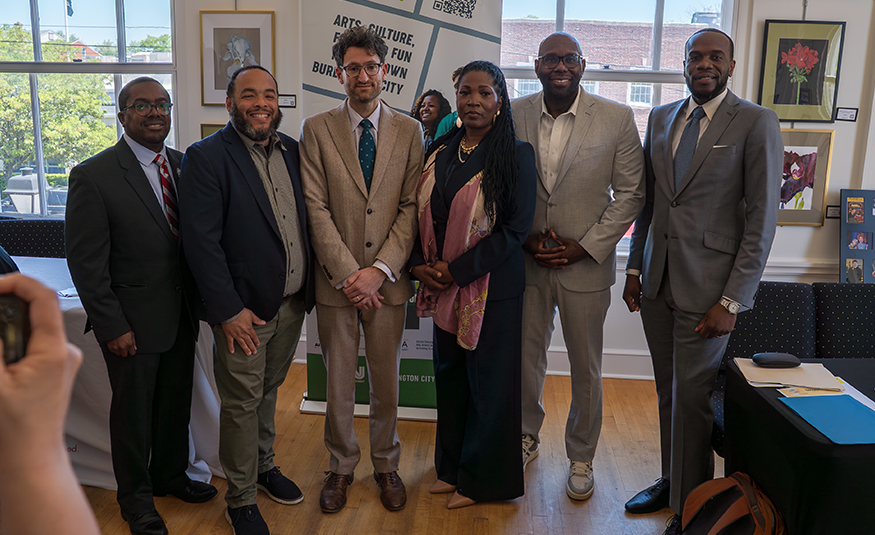
The launch event in May brought together a diverse group of stakeholders, all of whom emphasized the necessity of a "multi-layered" approach to urban revitalization.
NJEDA CEO Evan Weiss provided the economic context for the project: "Arts and culture offerings are an economic driver for communities throughout the state, bringing people into downtowns and main streets, boosting small businesses, and bolstering neighborhood vitality." Weiss’s remarks underscore the shift in state-level policy from traditional industrial incentives to more holistic, community-based development.
Burlington City Mayor Barry Conaway highlighted the synergy between the city’s infrastructure projects and its cultural programming. "A grant like this brings life into downtowns like Burlington City by hosting cultural events for the young and young at heart," Conaway stated. He characterized the partnership as a vital tool for supporting small, distinct downtowns that might otherwise struggle to compete with large-scale shopping centers.
Shanisha "Nisha" Ray, president of the Arts Guild of New Jersey, emphasized the human element of the initiative: "Being able to take the RiverLine to Burlington City, immerse yourself in the arts and patronize local businesses is an ideal way to spend your Saturday and help us organically support and grow our community."
State Senator Troy Singleton, whose 7th district encompasses Burlington City, echoed these sentiments while noting the importance of legislative support. Beyond the arts grant, Singleton has championed legislation to expand the Urban Enterprise Zone (UEZ) designation for the city, which would provide further tax incentives for local businesses. "The arts are not just cultural assets—they are powerful economic drivers," Singleton remarked during the kickoff.
Implications: The "Third Place" Model
The "Second Saturdays" project is an experiment in creating a "third place"—a social environment separate from the home and the workplace. In the context of Burlington City, this translates into a destination where residents and visitors can interact in a shared, public space.

Strengthening the Small Business Ecosystem
The inclusion of organizations like the Small Business Administration (SBA), the Burlington County Bridge Commission’s Office of Economic Development, and the New Jersey Business Action Center at the launch event was deliberate. By hosting these organizations alongside the arts festivities, the city provided a "one-stop-shop" for entrepreneurs to learn about statewide resources. This ensures that the cultural surge caused by "Second Saturdays" is accompanied by professional development for local business owners.
The Transit Village Connection
Burlington City’s status as a Transit Village is a foundational element of its future growth. By utilizing the $275,000 grant for intersection improvements, the city is physically preparing its downtown to handle the increased foot traffic the "Second Saturdays" event expects to generate. This demonstrates a sophisticated approach to planning: the event creates the demand, while the grant-funded infrastructure provides the capacity to accommodate that demand safely and efficiently.
Long-Term Sustainability
The critical question for any such initiative is whether it can survive beyond the initial grant funding. The organizers are betting on a "virtuous cycle." By building a habit among residents to visit downtown on the second Saturday of every month, the city is effectively "programming" a culture of patronage. If local businesses thrive during these months, they gain the capital and the confidence to expand their operations, eventually requiring less reliance on state-subsidized programs.
Conclusion: A Blueprint for the Future
The Burlington City "Second Saturdays" initiative serves as a compelling case study for small-city development in the 21st century. By rejecting the notion that culture and commerce are separate silos, the project organizers have created a framework where artistic expression functions as a legitimate economic strategy.
As the series continues through October, the success of the program will be measured not only by the turnout at the arts events but by the sustained growth of the participating businesses and the continued vibrancy of the downtown core. For a city like Burlington, which sits strategically along the Delaware River and the RiverLine, this initiative represents more than just a series of weekend festivals; it is a declaration of intent to remain a competitive, dynamic, and connected hub in the South Jersey region.
As the next event approaches on June 13, the momentum generated by the launch suggests that Burlington City has found a sustainable rhythm for its future. Through the careful stacking of state grants, municipal infrastructure projects, and grassroots artistic talent, the city is proving that even the most historic downtowns can find new, modern relevance.
