

In the landscape of personal finance, few figures command as much authority as "Mr. Money Mustache" (MMM), the blogger and entrepreneur who turned the philosophy of extreme frugality into a blueprint for early retirement. However, even the most disciplined masters of personal finance are susceptible to the sophisticated architecture of modern consumerist platforms. A recent experiment conducted by the blogger reveals a cautionary tale of how Amazon’s "Vine" program—a platform designed for product reviews—can weaponize behavioral psychology to bypass the defenses of even the most hardened savers.
The Genesis of an Unintended Experiment
The journey began with a mundane, innocent act: a five-star review of a heated vest. Shortly after posting, the user received an invitation to join "Amazon Vine," an invite-only program where participants receive free products in exchange for honest, detailed reviews. The allure was simple: receive goods at no cost, fulfill a requirement to review at least 80% of those items, and continue a practice of helping consumers make informed choices.

For a man whose entire career is built on the pillars of efficiency and value, the offer appeared to be a logical extension of his lifestyle. "Who doesn’t like free stuff?" he reasoned. With a click, the agreement was signed. What followed was a nine-month saga that would eventually serve as a masterclass in how corporate incentives can subtly erode personal autonomy.
Chronology of a Consumerist Bender
The transition from casual reviewer to "Vine Voice" was rapid. The program functions on a tiered system, with "Vine Silver" status serving as the entry point and "Vine Gold" acting as the carrot on the stick.

- Phase 1: The Initial Hook. The user began requesting items that appeared useful—tools for his construction business, materials for the MMM-HQ coworking space, and even household staples. The cost-savings were real, amounting to several thousand dollars in equipment that otherwise would have been purchased at retail price.
- Phase 2: The Gamification Trap. The user soon found himself chasing the "Vine Gold" status. This required completing 80 reviews, an arbitrary milestone that fundamentally changed his relationship with the platform. He began logging into the portal daily, not out of necessity, but out of a compulsion to see what "deals" were available.
- Phase 3: The Saturation Point. By mid-year, the volume of incoming packages had become unmanageable. The recycling bins were overflowing, and the physical clutter began to infringe upon his living space. The "free" items were no longer tools for efficiency; they had become a source of stress and environmental waste.
- Phase 4: The Recovery. Realizing that his "frugality instincts" had been successfully hijacked, he initiated a self-imposed "recovery" period, redirecting his time toward exercise, creative work, and genuine project management, effectively breaking the cycle of digital addiction.
The Mechanics of Manipulation: Behavioral Science at Play
The core of this experience lies in what author Michael Easter describes in his book, Scarcity Brain. The human brain is evolutionarily hardwired to prioritize scarce resources and seek out "variable rewards"—the same psychological levers utilized by casinos and social media algorithms.
The Online Casino Effect
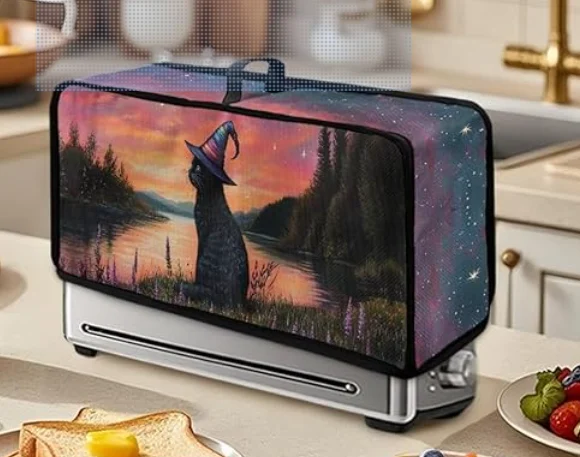
Amazon Vine mimics the mechanics of a slot machine. The inventory on the platform is volatile; one moment, a user might find a high-quality light fixture, and the next, they are scrolling through hundreds of pages of "porcelain plates" or bizarre, low-utility items like "cat-themed toaster covers." This inconsistency creates a "foraging" behavior. Because the inventory is constantly changing, the user feels compelled to check the site frequently, fearing they might miss out on a "score."

The Illusion of Work
The system also exploits the desire to feel productive. The act of ordering, receiving, photographing, and writing reviews creates a feedback loop of accomplishment. However, as the blogger noted, this "work" was largely illusory. It was a form of procrastination—a way to feel busy without engaging in the deep, creative work that actually provides long-term life satisfaction.
Supporting Data: The Cost of "Free"
One of the most significant myths about Amazon Vine is the concept of it being "free." In reality, Amazon reports the retail value of these items to the IRS. For the average participant, this results in a 1099 tax form at the end of the year, treating the items as taxable income.

In this experiment, the participant received approximately $7,000 worth of goods. While he was able to mitigate the tax burden—utilizing the "50/200 rule" which suggests that the fair market value of used, reviewed items can often be estimated at a significant discount—the tax liability remains a tangible cost. Furthermore, when factoring in the value of his time spent reviewing, the "hourly rate" of this endeavor proved to be significantly lower than his professional consulting or construction rates.
The Institutional Perspective
While Amazon does not comment on individual user experiences, the design of the Vine program is objectively optimized for the company’s growth. By providing free products to reviewers, Amazon secures high volumes of user-generated content, which in turn increases the search engine optimization (SEO) and conversion rates for third-party sellers.

The program’s lack of advanced filtering and the intentionally obtuse search functionality are features, not bugs. They force users to browse, increasing the likelihood that they will "claim" an item they didn’t know they wanted. The bureaucratic, AI-driven review rejection system serves to keep users compliant, requiring them to constantly adjust their language to satisfy the machine, further embedding the user into the platform’s ecosystem.
Implications: The "One More Year" Syndrome
The most profound takeaway from this experiment is the parallel it draws to "One More Year Syndrome"—a condition where people remain in jobs they hate or environments that no longer serve them simply because of the inertia of the paycheck or the structure of the system.

For many, the Vine program is a microcosm of the modern corporate experience. Participants are given a set of tasks, a set of rules, and a "reward" (the products), yet they have zero influence over the system itself. They are, in essence, low-wage contractors disguised as "influencers."
Lessons for the Independent Mind
- The Power of Keystone Habits: By replacing the bookmark to the Amazon Vine page with a "Badassity Tracker" (a chart for his daily exercise and health goals), the blogger utilized a keystone habit to break the cycle of addiction.
- Questioning Assumptions: The experiment highlights the importance of regular self-reflection. Even those who consider themselves "financially independent" are susceptible to the subtle nudges of big-tech platforms.
- The Value of Autonomy: The ultimate lesson is that true wealth is not just about having money; it is about having the freedom to decide where one’s time and energy are directed. When an outside entity—like an algorithm or a rewards program—begins to dictate one’s daily routine, it is time to reassess.
In conclusion, the story of this experiment is a stark reminder that while we can achieve financial independence, we are never truly independent of our own biological vulnerabilities. The digital world is designed to nudge us toward consumption, but through conscious awareness and the occasional, radical course correction, it is possible to reclaim our time and our values from the algorithm.
