

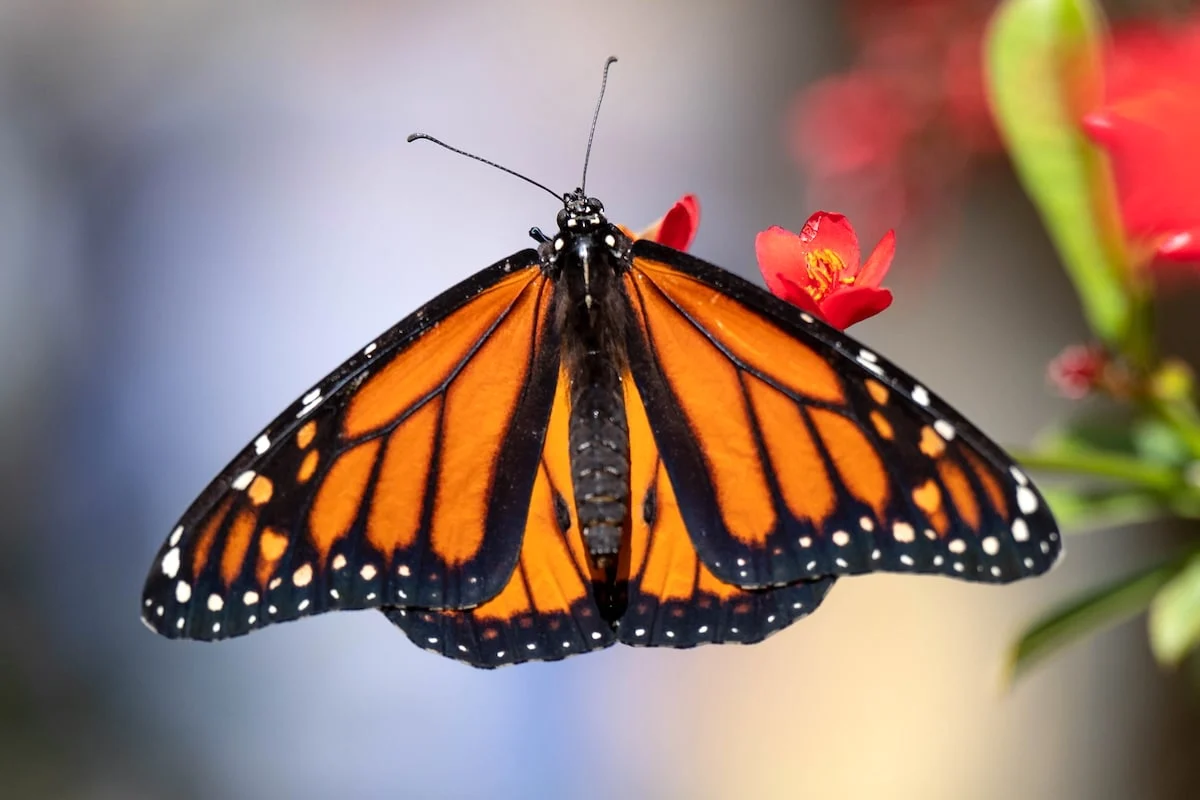
In a devastating blow to one of nature’s most iconic migrations, a newly published peer-reviewed study has provided definitive evidence linking the mass mortality of Western monarch butterflies to toxic pesticide exposure. The research, published in the journal Environmental Toxicology and Chemistry, sheds light on a catastrophic event in early 2024, where hundreds of monarch butterflies were discovered dead or dying within the Pacific Grove Monarch Sanctuary in California—a critical wintering ground for the species.
The findings confirm the fears of conservationists: that the very environments intended to serve as safe havens for these fragile insects are being compromised by a cocktail of human-made chemicals. As Western monarch populations teeter on the edge of extinction, this study serves as a clarion call for urgent policy shifts in how agricultural and urban landscapes are managed.
The 2024 Pacific Grove Incident: A Chronology of Discovery
The crisis began in January 2024, when field researchers and volunteers monitoring the Pacific Grove Monarch Sanctuary—a site historically vital to the survival of the Western monarch—encountered a grim scene. Hundreds of butterflies, which had gathered in the trees for their seasonal dormancy, were found incapacitated on the forest floor.
Initial observations suggested an unnatural cause, given that the butterflies were not merely dying of natural senescence but appeared to be suffering from acute neurotoxic distress. This prompted an intensive investigation by scientists from the Xerces Society for Invertebrate Conservation, who collected the specimens for forensic toxicological analysis.
Using advanced diagnostic techniques, including liquid and gas chromatography and mass spectrometry, the research team performed a deep dive into the chemical composition of the deceased insects. The results were startling: every butterfly tested contained a complex "cocktail" of environmental pollutants. On average, each individual butterfly carried traces of seven different pesticides, with several samples testing at or near lethal dosage levels for the species.
Supporting Data: The Toxic Cocktail
The analysis revealed the presence of 15 distinct substances, ranging from herbicides and fungicides to highly potent insecticides. Of particular concern were three human-made pyrethroids—bifenthrin, cypermethrin, and permethrin—which are commonly utilized in agricultural pest control and urban landscape maintenance.
The data indicated that:
- Widespread Contamination: Every single sample analyzed contained bifenthrin and cypermethrin.
- High-Risk Toxicity: Permethrin was detected in all but two of the collected specimens.
- Cumulative Impact: The sheer diversity of chemicals suggests that monarchs are being exposed to a continuous "rain" of toxins as they traverse the landscape, rather than a single, isolated contact point.
Staci Cibotti, the lead author of the study and a pesticide risk prevention specialist at the Xerces Society, emphasized the severity of these findings. "We found an average of seven different pesticides per butterfly, including multiple insecticides that are highly toxic to insects," Cibotti noted. While local reviews in Monterey County were unable to pinpoint the exact origin of the drift, the prevalence of these specific pyrethroids points directly toward chemical applications in nearby agricultural sectors or residential landscaping.
The Broader Context: A Species in Freefall
The Pacific Grove event did not occur in a vacuum; it is a symptom of a much larger, systemic decline. Since the 1980s, the population of Western monarch butterflies has plummeted by approximately 95%. This downward trend has been fueled by a combination of habitat loss, climate change, and, as this study confirms, chemical poisoning.
In 2024, the Xerces Society’s annual Western Monarch Count recorded the second-lowest population numbers in history. By 2025, the numbers had dropped to a harrowing 9,119 individuals. The International Union for Conservation of Nature (IUCN) has officially listed the migratory monarch as an endangered species, a status that reflects the dire reality on the ground.

Research from the U.S. Fish and Wildlife Service suggests an even bleaker outlook, estimating that if current trends in habitat loss and environmental degradation continue, the Western monarch population faces a 99% probability of extinction by the year 2080. This catastrophic trajectory highlights the necessity of viewing the Pacific Grove incident not as an anomaly, but as a warning sign of an ecosystem in collapse.
Official Responses and Conservation Recommendations
The scientific community and environmental advocates have responded to these findings with a mix of alarm and a renewed commitment to policy reform. The Xerces Society, in the wake of the study, has issued a multi-pronged roadmap to mitigate future losses.
Proposed Solutions:
- Establishing Pesticide-Free Zones: Implementing buffer zones around key overwintering sites, such as the Pacific Grove sanctuary, to prevent pesticide drift from reaching vulnerable colonies.
- Public Education: Expanding outreach to local governments and private landowners regarding the dangers of structural pest control and ornamental pesticide use.
- Policy and Regulation: Integrating stronger pesticide exposure protections into federal and state recovery plans for endangered pollinators.
- Coordination: Enhancing communication between agricultural departments and conservationists to ensure that mass spraying events do not coincide with critical migration windows.
"Protecting monarchs from pesticides will require both public education and policy change," said Emily May, a co-author of the study and the agricultural conservation lead at the Xerces Society. "We are committed to working with communities and decision-makers to ensure that overwintering sites are healthy refuges for these butterflies."
Implications: The Invisible Threat of Pesticide Drift
The implications of this study extend far beyond the borders of California. Pesticides are ubiquitous in the modern world, permeating everything from commercial farm fields to suburban lawns, public parks, and golf courses.
Staci Cibotti, in a follow-up statement, underscored the "hidden" nature of this threat. "Pesticide exposure is a widespread threat to monarchs across their range," she explained. "These chemicals are commonly used not only in agriculture but also across developed landscapes for structural pest control, home gardening, landscaping, turf management, and mosquito abatement."
The vulnerability of the monarch is significantly heightened during its migratory and overwintering phases. Because these insects congregate in massive clusters, a single, poorly timed application of an insecticide—such as an aerial mosquito spray—can have a disproportionate impact, potentially killing thousands of individuals in one event. A similar tragedy occurred in North Dakota in 2020, where a mosquito control operation resulted in a mass die-off of migrating monarchs.
Conclusion: A Turning Point for Pollinator Policy
The study published in Environmental Toxicology and Chemistry marks a turning point in our understanding of why monarch populations are struggling to rebound. It moves the discussion from vague theories of decline to the concrete reality of chemical poisoning.
For the Western monarch, the window for intervention is closing. The reliance on broad-spectrum insecticides, particularly pyrethroids, in close proximity to sensitive ecological areas is proving to be a fatal practice. As researchers continue to monitor the population, the message is clear: if we want to save the monarch butterfly, we must first address the chemical landscape they inhabit.
The survival of this species depends on our ability to transition toward more sustainable pest management practices. Whether through stricter regulations on pesticide application or the creation of protected biological corridors, the path forward must be guided by the evidence: the monarch can no longer survive in a world where its habitat is treated as a toxic zone. The "silent" death of these butterflies in Pacific Grove is a loud reminder that we are not just losing a beautiful insect—we are losing a critical component of our natural heritage.
