

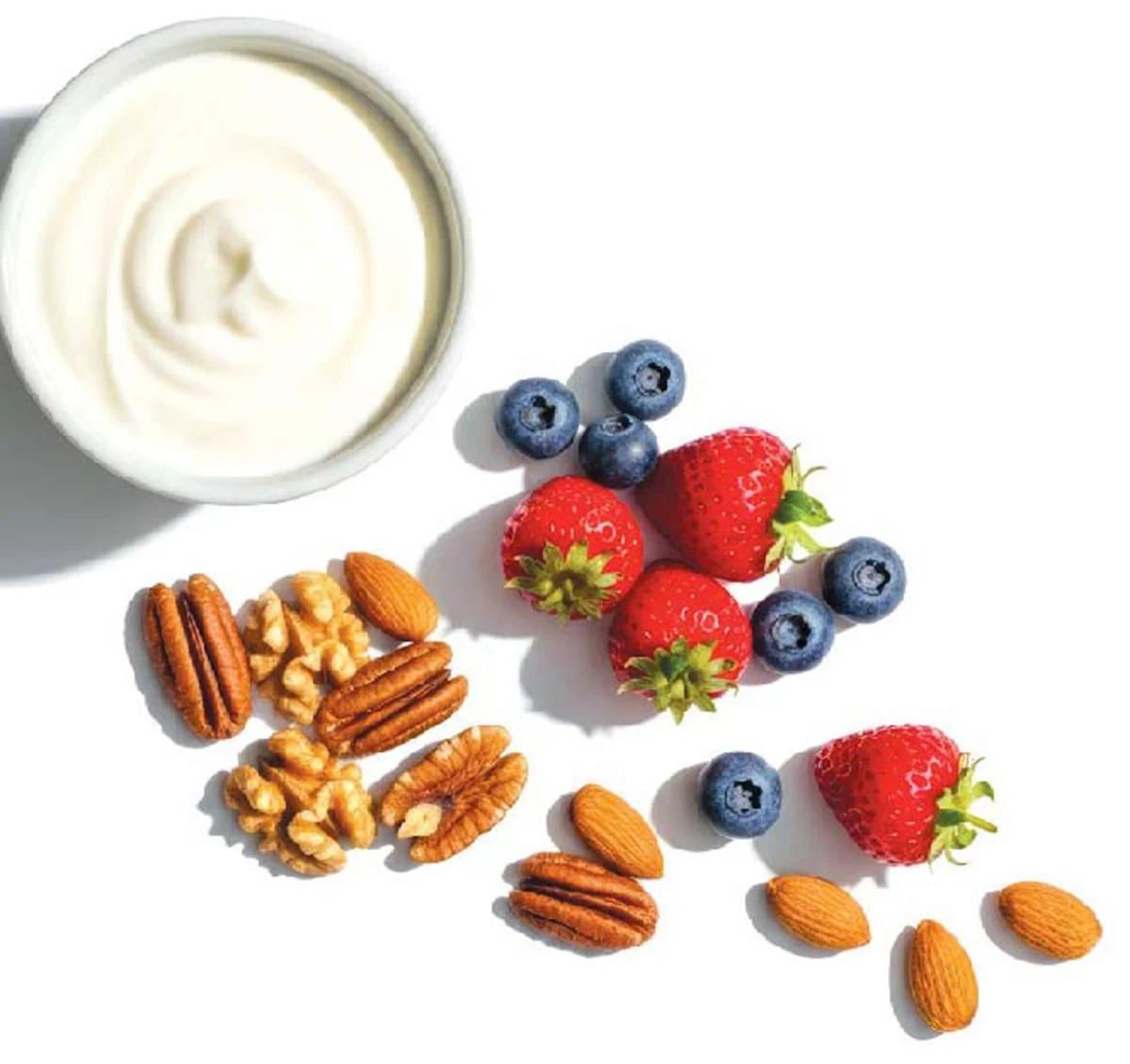
While popular fitness culture often reduces protein to a mere building block for six-pack abs and bicep hypertrophy, the reality of this macronutrient is far more nuanced and essential. Protein serves as the structural foundation for the human body, acting as a critical fuel source and a primary driver of systemic physiological function. From the production of life-sustaining enzymes and hormones to the maintenance of immune integrity, protein is, quite simply, the bedrock of human health.
The Science of Amino Acids: Building Blocks of Life
At its core, protein is composed of amino acids—organic compounds that serve as the fundamental "bricks" of our biology. The human body requires these for everything from cellular repair to neurotransmitter synthesis.
According to Stephani Johnson, an adjunct professor in clinical and preventive nutrition sciences at the Rutgers School of Health Professions, there are over 20 different types of amino acids, nine of which are classified as "essential."
"Essential amino acids are those that our bodies cannot synthesize on their own," Johnson explains. "Because the body lacks the machinery to produce them, we are entirely dependent on exogenous sources—the food we eat—to bridge that gap."
This biological necessity highlights the importance of dietary quality and diversity. When we consume proteins, our digestive system breaks them down into these individual amino acids, which are then repurposed to build muscle tissue, synthesize skin and hair, and regulate metabolic processes.
A Chronology of Consumption: From Evolution to Modern Trends
The human relationship with protein has evolved significantly over millennia. Historically, our ancestors relied on a mix of foraging and hunting, obtaining essential amino acids through a varied landscape of wild plants and animal proteins.
In the modern era, however, the "protein craze" has shifted from a focus on basic survival to high-performance nutrition and anti-aging strategies. We have moved from the era of "meat and potatoes" to a sophisticated, yet often confusing, landscape of keto-focused high-protein diets, plant-based alternatives, and processed supplementation.
As the diet industry has grown, so has the pressure to consume more protein. However, nutritionists caution that more is not always better. The current consensus—backed by the USDA—recommends that adults derive 10 to 35 percent of their daily caloric intake from protein, or roughly a minimum of 0.36 grams per pound of body weight. This threshold is specifically calibrated to support baseline metabolic and structural functions without overburdening the body’s detoxification systems.
Decoding Protein Sources: Animal vs. Plant
Not all proteins are created equal. The distinction between "complete" and "incomplete" proteins is a vital concept for anyone looking to optimize their health.
The Case for Animal Proteins
Animal-derived sources—including poultry, lean meats, fish, eggs, and dairy—are considered "complete" proteins. This means they possess all nine essential amino acids in the ratios that the human body requires for optimal absorption.
However, experts advise caution. "It is essential to be selective," says Johnson. "We encourage people to reach for unprocessed, lean cuts of meat. Highly processed meats like cold cuts, bacon, or sausage have been definitively linked to increased risks of gastric, colorectal, and pancreatic cancers. The health benefit is found in the protein itself, not the additives and curing agents found in processed options."
The Plant-Based Frontier
Plant proteins, such as nuts, seeds, legumes, and whole grains, generally offer different combinations of amino acids. With the exception of soy, most individual plant sources are not "complete."
"This is not a detriment to the vegetarian or vegan diet," clarifies Johnson. "By consuming a diverse array of plant-based proteins throughout the day—such as pairing rice with beans—individuals can easily achieve a complete amino acid profile. The key is variety."
Supporting Data: The Dangers of Excess
While the marketing of high-protein diets suggests that doubling or tripling intake will lead to superior health outcomes, clinical data suggests a different story. Excess protein intake can place significant physiological strain on the body.
When the body consumes more protein than it can utilize for structural repair, it must process the surplus. Nitrogen, the byproduct of protein metabolism, must be excreted, primarily through the kidneys.

"If you are chronically over-consuming protein, you are putting your kidneys under persistent stress," Johnson warns. "Furthermore, the process of excreting nitrogenous waste increases the body’s water requirement, leading to a higher risk of dehydration."
Beyond the kidneys, the modern high-protein, low-fiber diet—often seen in extreme ketogenic protocols—can disrupt the gut microbiome. A healthy microbiome requires fiber, which is frequently neglected when protein becomes the sole focus of a meal. Conversely, severe protein deficiency leads to the inverse: muscle atrophy, chronic fatigue, and compromised integrity of hair, skin, and nails.
Expert Strategies for Optimal Absorption
Mindy Komosinsky, a registered dietitian and certified diabetes care and education specialist at Capital Health Medical Center, emphasizes that the timing of protein intake is just as critical as the quantity.
"Our bodies are not designed to process massive boluses of protein at once," Komosinsky notes. "The ‘slow and steady’ approach is superior for absorption. I recommend clients aim for 25 to 30 grams of protein per meal, rather than consuming 100 grams in a single sitting at dinner."
The Aging Population and Sarcopenia
Protein intake becomes increasingly vital as we transition into our senior years. Unfortunately, this is precisely when protein consumption often declines due to factors like cost, difficulty chewing, or the time required to prepare healthy meals.
This decline contributes to sarcopenia, the natural, age-related loss of muscle mass. "We lose 3 to 8 percent of our muscle mass every decade after age 30," Komosinsky explains. "This process accelerates significantly after age 60."
The implications of sarcopenia are severe: decreased bone density, metabolic slowdown, and an increased risk of falls and injury. "Preserving muscle isn’t just about vanity," Komosinsky stresses. "It is longevity medicine. Eating protein is only half the battle; it must be coupled with resistance training—whether that’s resistance bands, squats, or wall push-ups—to provide the stimulus for muscle maintenance."
The Role of Supplements: Closing the Gap
For those who cannot reach their protein goals through whole foods alone, supplements can serve as a functional tool. However, they should be viewed as a bridge, not a foundation.
"Supplements should close the gap, not replace the diet," says Komosinsky. "Whey protein is often the gold standard due to its rapid absorption and complete amino acid profile, but plant-based powders—typically made of pea, rice, or soy—are excellent alternatives."
The lack of rigorous federal regulation in the supplement industry necessitates consumer vigilance. Komosinsky advises looking for third-party certifications, such as those from NSF for Sport, Informed Choice, the Clean Label Project, or Consumer Lab.
"These organizations test for heavy metals like lead, arsenic, cadmium, and mercury," she warns. "If you are taking a supplement daily, even trace amounts of toxins can bioaccumulate. It is vital to know exactly what is in the container."
Implications: A Call to Mindful Nutrition
The current "protein craze" is often driven by marketing rather than medical necessity. As Komosinsky points out, it is frequently easier for consumers to reach for a scoop of powder than to plan a balanced meal involving fresh, whole foods.
"Nutrition is a massive component of daily life because everyone eats," she says. "When the public is told they are ‘deficient’ or ‘not getting enough’ of a nutrient, they look for the path of least resistance. It is time to tune out the marketing noise and tune back into what our bodies actually need."
Ultimately, the goal is simple: prioritize lean, unprocessed, and diverse protein sources spread throughout the day. By combining these nutritional choices with consistent physical activity, individuals can protect their independence, support their long-term metabolic health, and ensure that their bodies remain as resilient as possible for the decades to come. Protein is not just about the muscle you see in the mirror—it is about the strength that sustains your life from the inside out.
