

For over a decade, Harry’s has been synonymous with the subscription-based, direct-to-consumer (DTC) razor model. Since its inception in 2013, the brand successfully carved out a niche as the sensible, high-quality alternative to legacy shaving giants. However, as the DTC landscape has matured—shifting from the "DTC 1.0" era of basic replenishment to a more experiential retail environment—Harry’s has faced the challenge of aging alongside its primary demographic, which skews toward consumers 45 and older.
To bridge the generational divide and capture the attention of younger, trend-conscious shoppers, Harry’s has pivoted toward a high-frequency, limited-edition model. Enter Scent Labs, a specialized division designed to transform the mundane act of showering into a sensory-driven, collectable experience.
The Genesis of Scent Labs: A New Operational Framework
Launched in January, Scent Labs represents a significant departure from the company’s traditional, steady-state inventory model. Instead of maintaining a static lineup of core products, Scent Labs focuses on producing "drops"—small-batch releases ranging from 10,000 to 20,000 units.
The strategy is rooted in the psychology of scarcity and the aesthetic sensibilities of Gen Z and younger Millennials. By limiting supply, Harry’s creates an "urgent" shopping environment that encourages immediate purchase rather than passive replenishment. The inaugural product, Redacted, set the tone for this experimental phase, followed quickly by Cold Plunge and Greenskeeper.
These products are not merely sold on Harry’s proprietary website; they are distributed via a sophisticated omnichannel approach that includes TikTok Shop, Target.com, and Walmart.com. By leveraging these platforms, Harry’s is effectively meeting younger consumers where they already spend their time, bypassing the traditional hurdles of legacy retail.
Chronology of a Pivot: From Razors to Rituals
The evolution of Harry’s from a "shaving company" to a "lifestyle brand" can be mapped through its recent product releases and marketing maneuvers:
- January 2024: Harry’s officially debuts Scent Labs, signaling its intent to enter the premium-adjacent fragrance market through body care.
- Early 2024: The launch of Redacted, a scent designed to mirror the profile of a high-end $200 fragrance, serves as a proof-of-concept for the brand’s ability to "dupe" luxury at a mass-market price point.
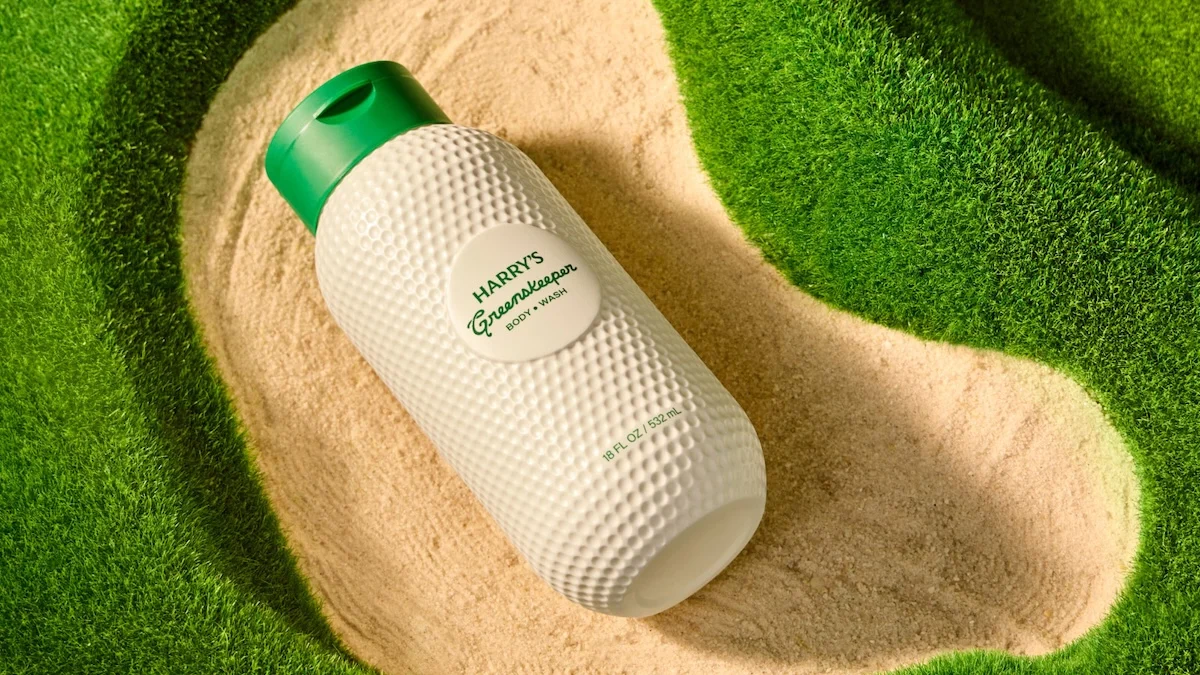
- Mid-2024: The rollout of Cold Plunge and Greenskeeper. Cold Plunge utilizes icy blue aesthetics to evoke the visceral experience of recovery, while Greenskeeper leans into a golf-inspired, botanical profile with packaging that mirrors the texture and look of a golf ball.
- The Influencer Phase: Harry’s begins integrating high-profile creators and personalities into its marketing mix, including comedian Francis Ellis and NBA star Josh Hart, to build social currency.
- The "Anna Delvey" Moment: Perhaps the most unconventional move, the brand partnered with convicted fraudster and media personality Anna Delvey to promote Redacted. The campaign, which saw Delvey asserting that one doesn’t "need to spend a million bucks to smell luxe," proved that Harry’s was willing to embrace controversy to secure social media engagement.
Supporting Data: The Power of New Customer Acquisition
The success of the Scent Labs initiative is not merely anecdotal; it is reflected in the brand’s customer acquisition metrics. According to Giselle Balagat, Chief Marketing Officer at Harry’s, the program is functioning as a "gateway" into the brand’s wider ecosystem.
Currently, over 50% of customers purchasing Scent Labs products on the company’s website are first-time shoppers. More importantly, these new entrants are not stopping at body wash. Data suggests that these customers are moving laterally into other categories, such as shave gels and colognes. This "cross-pollination" is critical for Harry’s, as it confirms that the drop model is not just generating one-off sales but is successfully recruiting new, long-term brand loyalists.
Furthermore, the engagement metrics on TikTok Shop—a platform notoriously difficult for traditional brands to master—are robust. Harry’s has successfully moved thousands of units of Cold Plunge and Redacted through the platform, proving that the brand’s pivot to "scent-first" marketing is resonating with a demographic that views grooming products as accessories to be layered and curated, rather than just utility items.
Official Perspectives: The Challenges of Selling Scent Online
Marketing fragrance in a digital-only environment presents a unique sensory paradox. How does a brand convey the essence of a product when the consumer cannot physically smell it?
"How do you visually bring that to life, so [customers] understand [the scent] in their heads?" Balagat asked in an interview.
Harry’s approach to solving this "sensory gap" is twofold: packaging and storytelling. By designing bottles that are tactile and visually distinct—such as the golf-ball-textured Greenskeeper bottle—the brand creates a mental association before the product is even opened. This strategy aims to place the consumer in a "visceral place," whether that is the sharp, refreshing chill of an ice bath or the crisp, earthy scent of a morning on the golf course.
From an operational standpoint, the brand relies on a partnership with a French fragrance house to ensure the quality of its inputs. This investment in the "perfumery" side of the business suggests that Harry’s views scent as a long-term growth engine, potentially expanding the Scent Labs concept into other product categories in the near future.
The Implications of Drop Culture: Risks and Rewards
The adoption of the "drop model" is not without its detractors or systemic risks. While it effectively compresses the purchase funnel, it introduces a level of complexity that traditional supply chains may struggle to sustain.
Nick Drabicky, SVP and GM of Client Services at January Digital, notes that while scarcity drives urgency, there is a distinct threat of "drop fatigue." If a brand moves from a novelty-driven release schedule to a state of constant, forced urgency, the novelty eventually wears off. "There is a chance where the novelty wears off, and each successive launch gets diminishing engagement and press," Drabicky warns.
However, for Harry’s, the benefits currently outweigh these risks. The drop model allows the brand to act as a laboratory, testing new scent profiles and packaging concepts without the massive capital expenditure required for a full-scale national retail rollout. If a scent fails, it is simply a limited run that concludes; if it succeeds, it provides the data necessary to justify a broader, permanent expansion into the catalog.
Future Outlook: Expansion and Market Position
Looking ahead, Harry’s is not slowing down. Retailers, initially skeptical of the small-batch nature of Scent Labs, are increasingly eager to stock these items. The data-driven nature of the program allows retailers to offer an "assortment" that feels fresh and exciting, moving away from the stagnant shelves that often characterize the men’s grooming aisle.
The brand is currently exploring a potential launch on Amazon, driven by high search volumes for specific Scent Labs products. This indicates that the awareness created on social media is translating into organic demand on major e-commerce platforms.
For the modern consumer—specifically the Gen Z cohort—the era of the "single body wash" is over. As Balagat noted, younger shoppers are building "scent wardrobes," layering products to create a personal signature. By pivoting to a model that encourages variety, collectability, and aesthetic experimentation, Harry’s is effectively future-proofing itself. It is no longer just selling a razor to ensure a smooth shave; it is selling an identity, one limited-edition scent at a time.
As the company continues to refine its influencer strategy—testing the efficacy of hundreds of creators per drop—it is gathering the intelligence needed to remain relevant in an increasingly crowded retail space. Whether the "drop" model becomes a permanent fixture of the industry or a passing fad, Harry’s has successfully demonstrated that even the most established DTC brands can reinvent themselves by listening to the changing habits of a new generation.
