

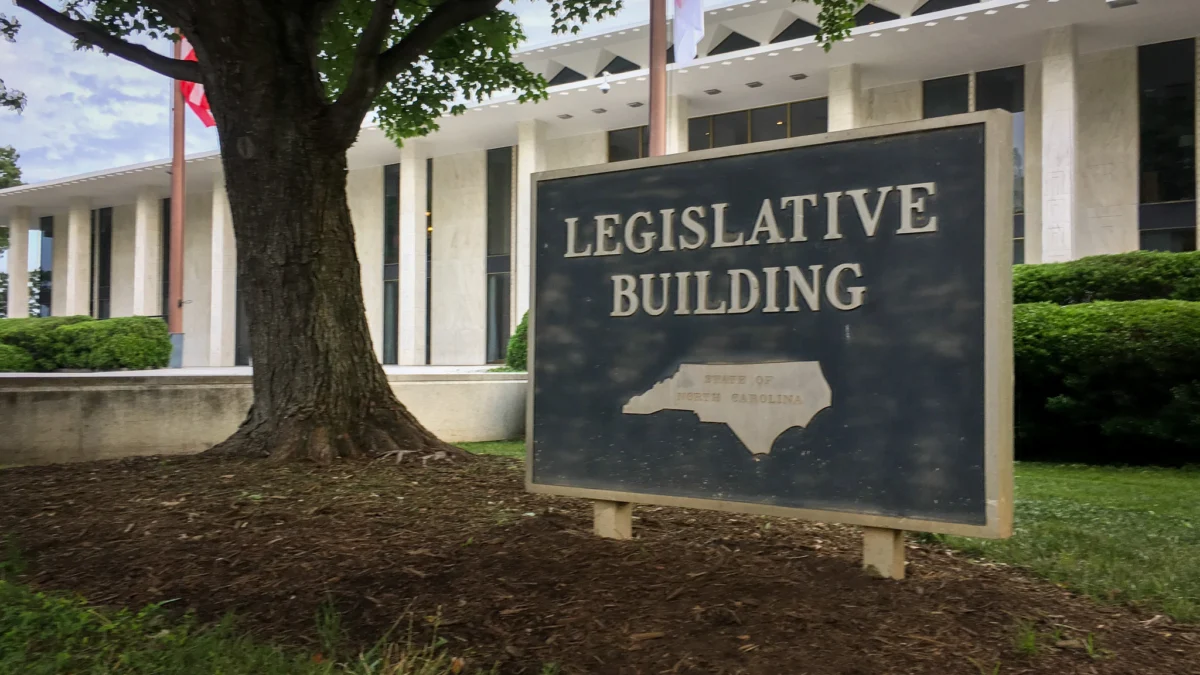
RALEIGH, N.C. – The National Federation of Independent Business (NFIB), the nation’s leading advocate for small business owners, has officially escalated its campaign to secure legislative approval for Senate Bill 1082. State Director Gregg Thompson announced this week that the organization will issue a "key vote" on the legislation, effectively putting North Carolina senators on notice that their stance on the bill will be recorded and communicated directly to the small business constituents they represent.
The proposed legislation, if passed by the General Assembly, would place a constitutional amendment on the November ballot, seeking to codify "right-to-work" protections within the state’s governing document. The move represents a significant push by business interests to cement labor policies that have historically defined North Carolina’s economic trajectory.
The Core of the Legislation: SB 1082 Explained
Senate Bill 1082 seeks to amend the North Carolina Constitution to ensure that no individual can be compelled, as a condition of employment, to join a labor union or pay dues to one. While North Carolina is already a right-to-work state by statute, supporters of the amendment argue that moving this protection into the constitution provides a permanent "firewall" against future legislative attempts to alter the state’s labor-management climate.
For the NFIB, the stakes are not merely procedural; they are existential for the small business owners who form the backbone of the state’s economy. Under the proposed amendment, the decision to engage with a labor organization would remain entirely voluntary, preserving the autonomy of the individual worker and the operational flexibility of the employer.
Chronology: The Road to the Senate Floor
The momentum behind SB 1082 did not emerge in a vacuum. It is the culmination of years of lobbying efforts by trade groups and conservative legislative factions.
- Initial Drafting and Introduction: Following discussions regarding the stability of the state’s business environment, sponsors introduced SB 1082 to solidify existing labor statutes.
- Committee Review: The bill underwent rigorous scrutiny in relevant Senate committees, where proponents highlighted the economic benefits of a flexible labor market, while opponents raised concerns about collective bargaining power.
- The NFIB Intervention: Recognizing the legislative window is narrowing, the NFIB announced its intent to "key-vote" the bill. This strategic decision turns a standard legislative procedure into a high-stakes litmus test for lawmakers, ensuring that every vote cast—yea or nay—will be tracked by the NFIB’s regional member base.
- Pending Floor Action: The bill now awaits a final vote on the Senate floor. Should it pass, it will move to the House for consideration before a potential transition to the November general election ballot for a statewide referendum.
Supporting Data: The Economic Case for Right-to-Work
The NFIB and its allies point to historical data to argue that right-to-work states often enjoy a competitive advantage in attracting and retaining industry. Proponents cite several key economic indicators:
1. Job Growth and Capital Investment
Data from the Bureau of Economic Analysis frequently shows that states with right-to-work protections often see faster growth in manufacturing and private-sector payrolls. Supporters of SB 1082 argue that businesses, particularly small-to-medium enterprises, are more likely to relocate or expand in jurisdictions where they perceive the labor environment to be predictable and free from mandated membership costs.
2. Workforce Flexibility
In a rapidly changing global economy, small business owners often argue that they require the ability to pivot their operations quickly. The NFIB maintains that right-to-work laws prevent the "friction" caused by mandatory union dues, which can place an undue financial burden on entry-level employees and discourage hiring.
3. Cost-of-Living and Competitive Climate
By suppressing the artificial inflation of labor costs caused by closed-shop mandates, supporters argue that right-to-work states maintain a lower cost of doing business. This, in turn, keeps consumer prices lower and makes the state a more attractive destination for regional headquarters and small business startups.
Official Responses: A Clash of Philosophies
The debate over SB 1082 has created a clear divide between the business community and labor advocates.
The NFIB Perspective
Gregg Thompson has been clear in his messaging: this is about worker freedom and small business survival. "Big Labor claims right-to-work is anti-union, but that’s not true," Thompson said during a press conference. "Right-to-work means employees have a choice. If someone wants to join a union, they can. But no one should be forced to join or pay dues to get or keep a job."
Thompson’s rhetoric emphasizes that the NFIB is not inherently anti-union; rather, it is pro-choice. He argues that unions should earn the support of their members through the value they provide, rather than through mandatory enrollment.
The Labor Perspective
Organized labor groups have consistently pushed back against such legislation, characterizing right-to-work laws as a tool to erode the collective bargaining power of workers. Critics argue that these laws create a "free rider" problem, where workers can benefit from the wages and protections negotiated by a union without contributing to the costs of representation. They maintain that SB 1082 is an attempt to weaken labor organizations and diminish the ability of the working class to negotiate for better safety, benefits, and pay.
Implications: The High Stakes of the November Ballot
The implications of SB 1082 passing the Senate are far-reaching. If the bill clears the General Assembly, the decision will move from the halls of Raleigh to the ballot box, turning a complex legal question into a public referendum.
For Small Business Owners
For the NFIB membership, a successful ballot initiative would represent a generational victory. It would guarantee that, regardless of which party holds the majority in the General Assembly, the state’s labor policy is shielded by the constitution. This provides the "certainty" that small business owners frequently cite as their primary requirement for long-term investment.
For Political Strategy
The "key-voting" designation is a powerful tool in the NFIB’s arsenal. By informing members that their senators’ votes will be recorded, the organization is effectively forcing legislators to choose between the priorities of organized labor donors and the demands of their small business constituents. This could influence not only the vote on SB 1082 but also the campaign dynamics of the upcoming election cycle.
For the State’s Economic Future
The broader question remains: What kind of labor environment does North Carolina want to cultivate? Supporters of the amendment view it as a necessary step to maintain North Carolina’s position as a top-tier state for business. Opponents view it as a race to the bottom that prioritizes corporate profit over the livelihoods of workers.
As the Senate prepares for the final vote, the pressure from both sides of the aisle is mounting. For the NFIB, the message is simple: they are watching, their members are watching, and the outcome of this vote will be a defining moment for the state’s economic landscape.
"By key-voting SB 1082," Thompson concluded, "we’re making it clear that protecting worker freedom and maintaining a competitive business climate are top priorities for Main Street. We expect our representatives to act accordingly."
As the state moves closer to the November election, the debate over SB 1082 will likely intensify, serving as a focal point for broader discussions about the relationship between labor, capital, and the role of constitutional law in shaping the prosperity of the state. Whether the bill succeeds or fails, the NFIB’s decisive action has ensured that the issue of worker freedom will remain at the forefront of the legislative agenda.
