

As California grapples with the dual pressures of environmental transition and economic volatility, the state’s energy landscape has become a focal point of intense public scrutiny. From the volatile fluctuations at the gas pump to the legislative battles over wildfire safety spending, Californians are increasingly questioning the intersection of corporate utility oversight, global supply chain dependencies, and the fundamental affordability of energy.
Recent reports from outlets ranging from CBS 8 to The American Prospect have highlighted a growing disconnect between utility-scale infrastructure spending and consumer protection. As the state navigates these challenges, the conversation is shifting from simple market dynamics to a broader debate about accountability, transparency, and the true cost of maintaining California’s complex energy grid.
The Core Issues: Accountability and Market Volatility
At the heart of the current discourse are two primary concerns: the lack of oversight regarding utility spending on wildfire mitigation and the persistent, often unexplained, surge in gasoline prices.
The Wildfire Oversight Gap
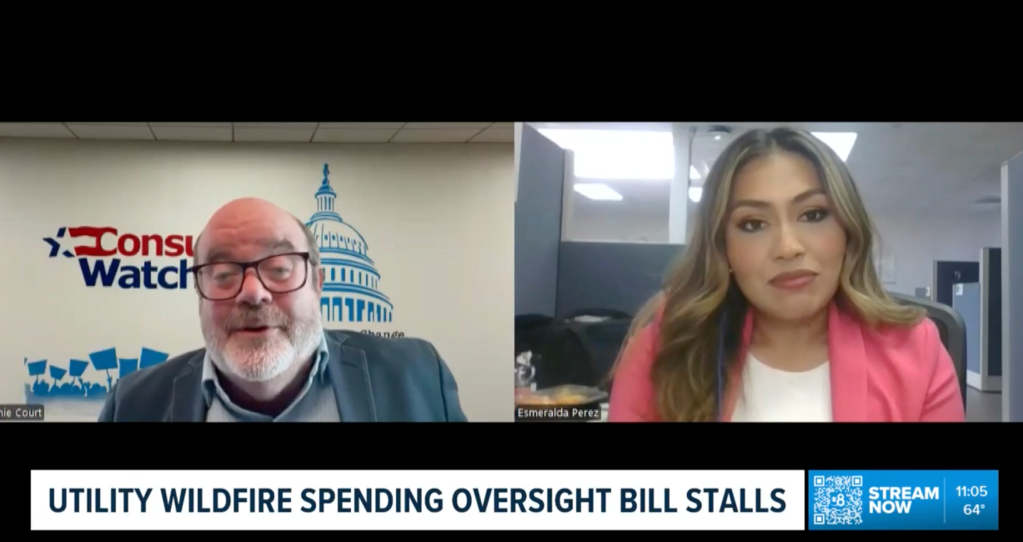
The recent stalling of legislation aimed at increasing oversight for utility wildfire spending represents a major setback for consumer advocacy groups. For years, major utilities have been tasked with hardening the grid against increasingly severe wildfire seasons. However, the mechanism by which these costs are passed down to ratepayers remains a contentious issue. Critics argue that without rigorous, independent oversight, utility companies may prioritize shareholder dividends or unnecessary infrastructure projects over cost-effective, essential safety measures. When legislation designed to demand accountability fails to advance, it signals to the public that the financial burden of climate-related adaptation is being shifted to households without adequate checks and balances.
The Gasoline Price Conundrum
Simultaneously, California drivers continue to face some of the highest gasoline prices in the nation. While global events—such as the conflict in Ukraine—are often cited as the primary drivers of market volatility, analysts are increasingly pointing to internal factors. Reports from The American Prospect suggest that the price hikes are not merely a byproduct of geopolitical instability; rather, they reflect structural issues within the California oil refining market. These include a lack of competition and an over-reliance on imported crude, which leaves the state vulnerable to global market shocks that are magnified by regional supply constraints.
A Chronology of Escalation
The current state of affairs did not emerge in a vacuum. It is the result of a multi-year convergence of regulatory, environmental, and economic events.
- Pre-2020: The Foundation of Vulnerability: For years, California’s energy market relied on a "just-in-time" supply model. This efficiency, while profitable for refineries, left the state with virtually no cushion for supply chain disruptions.
- 2020-2021: The Regulatory Pivot: As wildfire seasons grew more intense, the California Public Utilities Commission (CPUC) faced mounting pressure to approve massive capital expenditure plans for utilities. This period marked the beginning of the "ratepayer fatigue" movement, as monthly bills began to climb in tandem with safety mandates.
- Early 2022: The Geopolitical Shock: The invasion of Ukraine sent global crude markets into a tailspin. California, which had maintained a reliance on various international sources—including, at the time, Russian oil—saw immediate impacts at the pump. The public discourse shifted from long-term sustainability to short-term survival.
- Mid-2022 to Present: The Legislative Gridlock: Efforts to codify stricter spending oversight for utility companies began to face institutional resistance. Despite bipartisan concern regarding the high cost of electricity, bills intended to curb or audit wildfire spending have repeatedly stalled, leading to the current environment of legislative frustration.
Supporting Data: The High Cost of Energy
The data surrounding California’s energy prices paints a sobering picture of the economic burden placed on the average resident.
Electricity Rates
According to industry tracking, residential electricity rates in California have consistently outpaced the national average by significant margins. In some regions served by investor-owned utilities (IOUs), rates have seen double-digit percentage increases over the last three years. These increases are primarily attributed to wildfire mitigation costs and investments in grid modernization. However, consumer watchdog groups point to a lack of "performance-based ratemaking," which would tie utility profits to actual safety outcomes rather than just capital spending.
Gasoline Price Differentials
California gasoline prices frequently include a "California premium"—an additional cost per gallon that cannot be explained by taxes or environmental fees alone. Analysts have noted that the state’s specialized blend requirements, while environmentally beneficial, create a closed loop that limits supply flexibility. When refineries go offline for maintenance or due to mechanical failures, the lack of imported inventory causes prices to skyrocket almost instantly, a phenomenon that has been documented in numerous reports by KNX-AM and USA Today.
Official Responses and Stakeholder Perspectives
The divide between stakeholders—utilities, legislators, and consumer advocates—is widening.
The Utility Perspective
Utilities argue that the costs associated with grid hardening are non-negotiable. They maintain that the catastrophic nature of recent wildfires requires immediate and massive investment. In public hearings, utility representatives have testified that any delay in these projects poses a greater long-term risk to public safety and insurance availability than the current rate hikes. They argue that regulatory oversight is already sufficient through existing CPUC channels.
The Legislative Stance
Lawmakers remain caught in the middle. While there is a clear public mandate to lower costs, there is also a mandate to ensure the grid does not catch fire. Legislators who oppose stricter oversight bills often cite concerns that adding layers of bureaucracy will only slow down critical safety work. However, a growing faction of the legislature is pushing for "Transparency First" policies, demanding that utility spending be audited by an independent third party before it can be folded into rate increases.
Consumer Advocacy
Consumer groups, such as those represented by Consumer Watchdog, contend that the current system is essentially a "blank check" for utilities. They argue that without a mechanism to claw back excessive spending or penalize inefficiencies, there is no incentive for utility companies to negotiate lower prices for materials or labor. Their position is clear: safety and affordability are not mutually exclusive, provided there is robust, adversarial oversight.
Implications: A Future at a Crossroads
The implications of this ongoing energy struggle are profound.
- Economic Inequality: As energy costs become a larger percentage of the average household budget, low- and middle-income families are forced to make difficult trade-offs. This is fueling a political shift, where energy affordability is becoming a top-tier electoral issue.
- Energy Transition Risks: California is leading the nation in its transition to renewable energy. However, if the current infrastructure costs continue to rise unchecked, the public may lose faith in the transition process itself. The "price of green" is becoming a rallying cry for those who feel the state is moving too fast without considering the economic fallout.
- The Need for Structural Reform: The current situation suggests that incremental changes are no longer sufficient. There is a growing consensus among policy experts that California must fundamentally rethink how it regulates energy markets. This includes potentially decoupling utility profit from capital expenditure and creating a more transparent, competitive wholesale market for petroleum products.
Conclusion: The Path Forward
The path toward a sustainable, affordable energy future for California requires more than just rhetoric. It requires a commitment to radical transparency. Whether it is through the passage of oversight legislation or the diversification of the state’s energy supply chains, the status quo is becoming increasingly unsustainable.
As Californians continue to navigate this landscape, the demand for clear, actionable information will only grow. Staying informed—by tracking legislative developments, monitoring utility expenditures, and understanding the nuances of the global energy market—is the first step toward reclaiming consumer power. As the state moves forward, the primary challenge will be ensuring that the cost of safety and transition does not become a barrier to the well-being of the people it is meant to serve.
